🎢 Defining the “Best Thrill Ride”
When we talk about the best thrill ride amusement parks have to offer, we aren’t just talking about speed or height. A truly great thrill ride is a masterclass in psychological engineering. It’s about the anticipation in the queue, the storytelling in the station, and the physical sensation of the ride itself.
For park operators, investing in a headline thrill ride is a major decision. These attractions are the “anchors” of your park—the ones that go viral on social media and draw guests from hundreds of miles away. But what exactly makes a ride stand out in a crowded market?
The Elements of a Top-Tier Thrill
- Airtime and G-Forces: The physical sensations that make riders’ stomachs drop.
- Visual Impact: A massive, towering structure that can be seen from the highway.
- Theming: A cohesive story that immerses the rider before they even board.
Whether it’s a launched coaster that goes from 0 to 100 km/h in seconds, or a towering drop tower that offers a panoramic view before plummeting, the goal is to create a memorable, shareable experience.
🏗️ Strategic Placement: Where to Put the Thrills
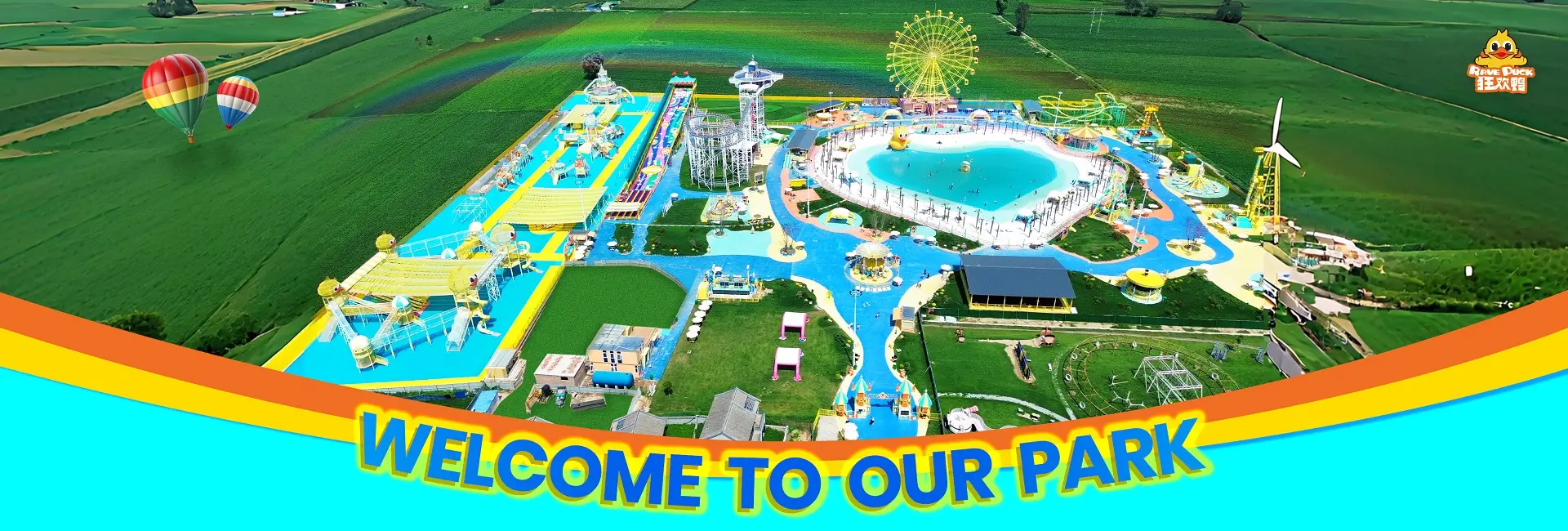
Having the best ride in the world doesn’t matter if no one can find it. Park layout is a science, and where you place your thrill rides dictates the flow of your entire business.
The “Back-of-Park” Strategy
Many successful parks place their biggest, loudest thrill rides at the very back of the property.
- Why it works: To get to the thrill, guests must walk past the entrance, the gift shops, the food stalls, and the smaller family rides. This maximizes “impulse spending” as guests pass by cotton candy stands and souvenir shops on their way to the main event.
- Crowd Control: It disperses the crowd. If the biggest ride were at the front, the entrance would become a congested bottleneck.
The “Visual Beacon” Approach
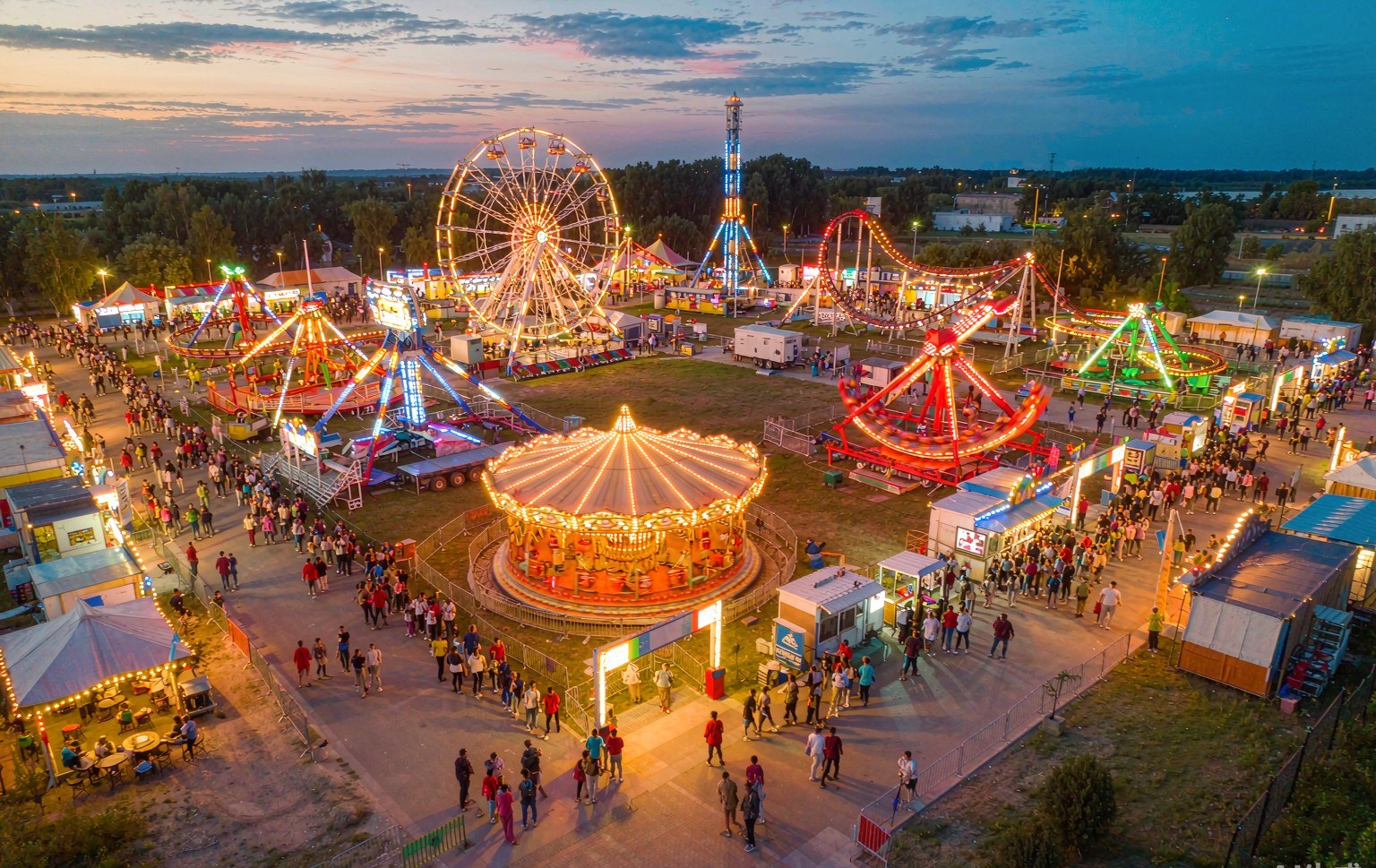
Alternatively, some parks use their thrill rides as visual landmarks. A massive roller coaster or a towering swing ride acts as a beacon. When guests enter the park, they see the structure in the distance and naturally gravitate toward it. This creates a clear “path of desire” through the park, making navigation intuitive for first-time visitors.
🎨 The Role of Decoration in Thrill Rides
You might think that a thrill ride is all about the mechanics, but roller coaster decoration and theming play a crucial role in the perceived value of the attraction.
Immersive Queues
The experience starts the moment a guest gets in line. A bare concrete queue is boring, but a themed queue—perhaps designed to look like a ruined castle, a secret laboratory, or a jungle temple—builds anticipation. It turns “waiting time” into “story time.”
Structural Theming
Even the supports of a coaster can be decorated. Instead of bare steel beams, imagine supports wrapped to look like giant stone pillars or twisted tree roots. This attention to detail elevates the ride from a simple machine to an immersive attraction, justifying a higher ticket price or a “fast pass” upsell.
🏁 Conclusion: Building a Destination
Creating the best thrill ride amusement parks requires a balance of high-quality hardware and smart strategic planning. By selecting rides that offer unique physical sensations and placing them strategically within your park’s layout, you can control guest flow, increase spending, and build a destination that thrill-seekers will return to year after year.
Ready to install a world-class thrill ride in your park? Contact us today to discuss our range of high-capacity coasters, drop towers, and custom theming solutions.