
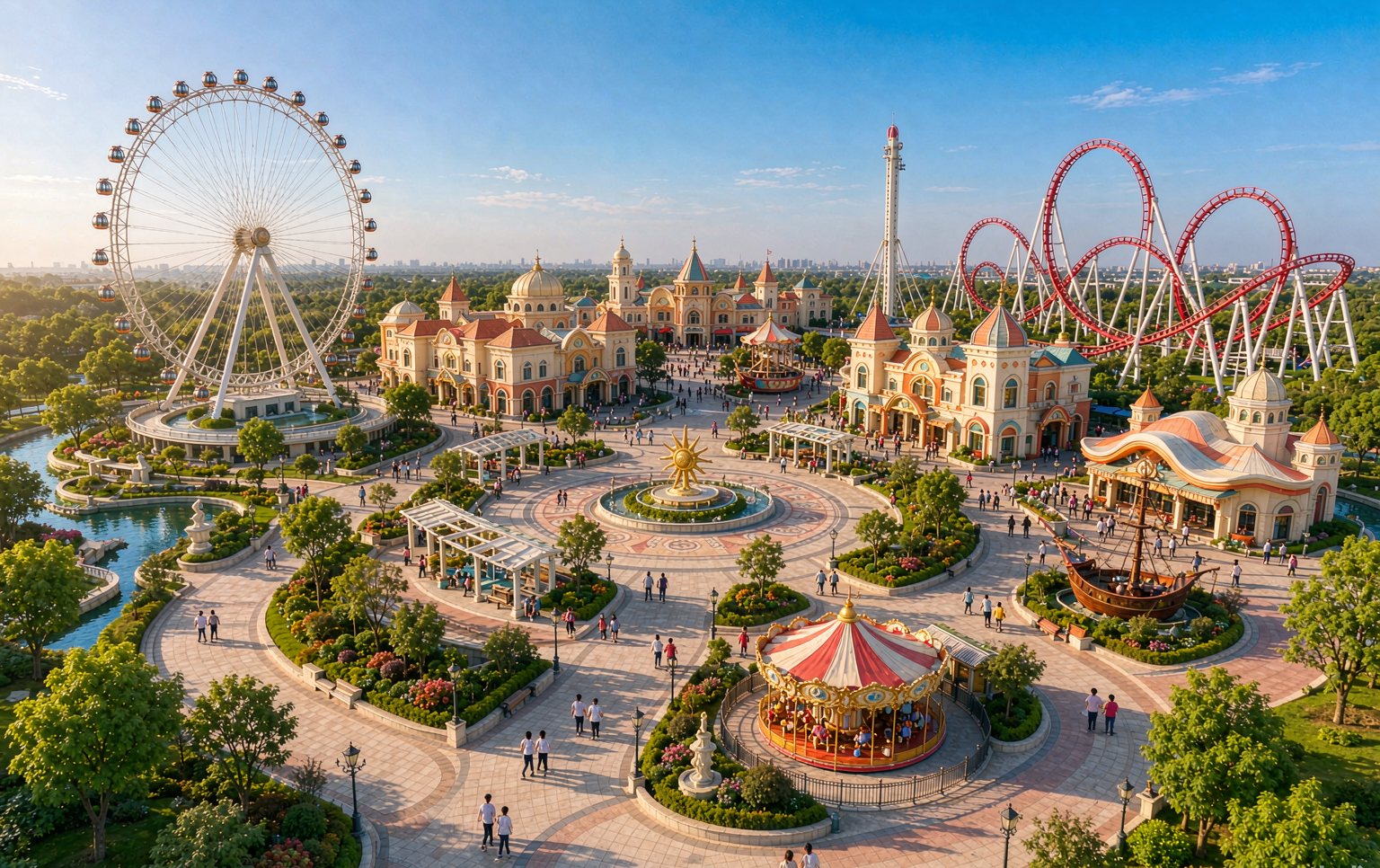
Delivering a theme park project is one of the most capital-intensive undertakings in the leisure industry, and it rewards operators who treat it as a single integrated program rather than a series of separate purchases. From the first feasibility model to the final safety certificate, every decision about land, ride mix, engineering, and staffing is linked to the ones that came before it. This guide walks investors, developers, and park operators through the full lifecycle of a theme park project, phase by phase, with the benchmarks that separate openings that land on schedule from those that stall.
What a Theme Park Project Actually Includes
At its core, a theme park project is a capital program with six interlocking phases: feasibility, master planning, ride selection, engineering and manufacturing, installation and commissioning, and ongoing operations. Each phase produces the deliverables the next phase depends on. A market study sets the target attendance that sizes the parking lot, the attraction mix defines the structural loads that shape the civil works, and the commissioning schedule defines the hiring timeline for operations staff.
That interdependence is why experienced developers appoint a single project director with authority across design, procurement, and construction. When ride procurement is handled separately from civil engineering, teams routinely discover that a delivered attraction does not fit its foundation, that utility feeds are undersized, or that a queue line blocks an emergency egress route. Those late surprises are the most common cause of six-figure change orders on a mid-sized development, and they are almost always preventable at the planning stage.
Phase 1 and 2: Feasibility Study and Master Planning
Feasibility answers three questions before any steel is ordered: how many visitors will come, what will they pay, and how long will it take to recover the investment? A credible model combines catchment population within a 90-minute drive, regional tourism volume, comparable park performance, and realistic seasonality. Investors should insist on a downside case, not only a base case, because a park sized for peak optimism carries fixed costs that never shrink. The gap between peak weekend demand and quiet weekday averages is what ultimately determines long-term financial viability.
Master planning converts that model into a physical site. Zoning separates high-thrill zones from family areas to manage noise, sight lines, and crowd flow; circulation is designed so guests pass retail and food outlets without being forced into bottlenecks; service corridors keep deliveries and waste collection invisible to visitors. Utility capacity, stormwater management, and emergency vehicle access are engineering constraints, not afterthoughts — retrofitting them after construction is far more expensive than designing them in from day one.
Feasibility and planning checklist:
- Independent attendance and revenue forecast, including a downside scenario
- Land title, zoning, and environmental approvals confirmed in writing
- Site survey, geotechnical report, and flood-risk assessment completed
- Utility loads modeled for every planned attraction and building
- Phased build-out plan that leaves room for future expansion
- Total installed cost estimate with a contingency of 10–15%
Funding structure deserves as much attention as the physical plan. Most successful developments blend equity with debt secured against the completed asset, which means lenders will want to see permits, vendor contracts, and a credible timetable before they commit. Locking in a phased construction loan tied to verifiable milestones keeps cash moving without exposing the developer to a single, all-or-nothing drawdown that stalls the moment one approval slips.
Phase 3: Ride Selection and Attraction Mix
An effective theme park project balances anchor thrills, family rides, and children’s attractions so that a visitor group with mixed ages spends a full day on site. A single record-breaking drop tower or roller coaster draws media attention and drives first-year attendance, but a park built only from headline rides struggles with repeat visits and low per-capita spending. The mix, not any single machine, decides how long guests stay and how much they spend.
The practical rule is to anchor each zone with one marquee attraction, then support it with higher-throughput family rides and a cluster of kiddie rides that let parents rotate between queues. Throughput matters as much as thrill level: a coaster that moves 900 guests per hour feels empty next to a spinning ride that moves 1,200. Ride selection should also weigh lead time, spare-parts availability, and the operator training the manufacturer provides. Each of these variables carries a different risk profile inside the same theme park project.
Theme and storytelling increasingly shape procurement as well. Even where original intellectual property is out of reach, a coherent visual language — color palettes, signage, landscaping, ride facades — raises perceived value and encourages guest photography, which is free marketing. Ride vendors who can supply customized facades and finishes allow a park to build that identity without commissioning a separate design house for every attraction.
Phase 4: Engineering, Manufacturing, and Factory Testing
Once the attraction schedule is frozen, engineering turns concepts into fabrication drawings. Structural loads, foundation design, track geometry, restraint systems, and control logic are all developed against the applicable standard — EN 13814 in Europe, ASTM F24 in the United States, and equivalent national codes elsewhere. For equipment heading to export markets, that documentation must satisfy the local regulator, not only the factory floor.
Factory acceptance testing is the checkpoint that protects the schedule. Every unit should be assembled and cycle-tested under load before it is packed, with the results recorded and shared with the buyer. Standard rides typically ship in 25–45 days, while custom attractions such as large Ferris wheels and roller coasters need 35–60 days. Confirming those dates in the contract, with defined milestones and inspection rights, keeps a theme park project on track when shipping, port handling, and customs add their own unavoidable delays.
Phase 5: Installation, Commissioning, and Safety Certification
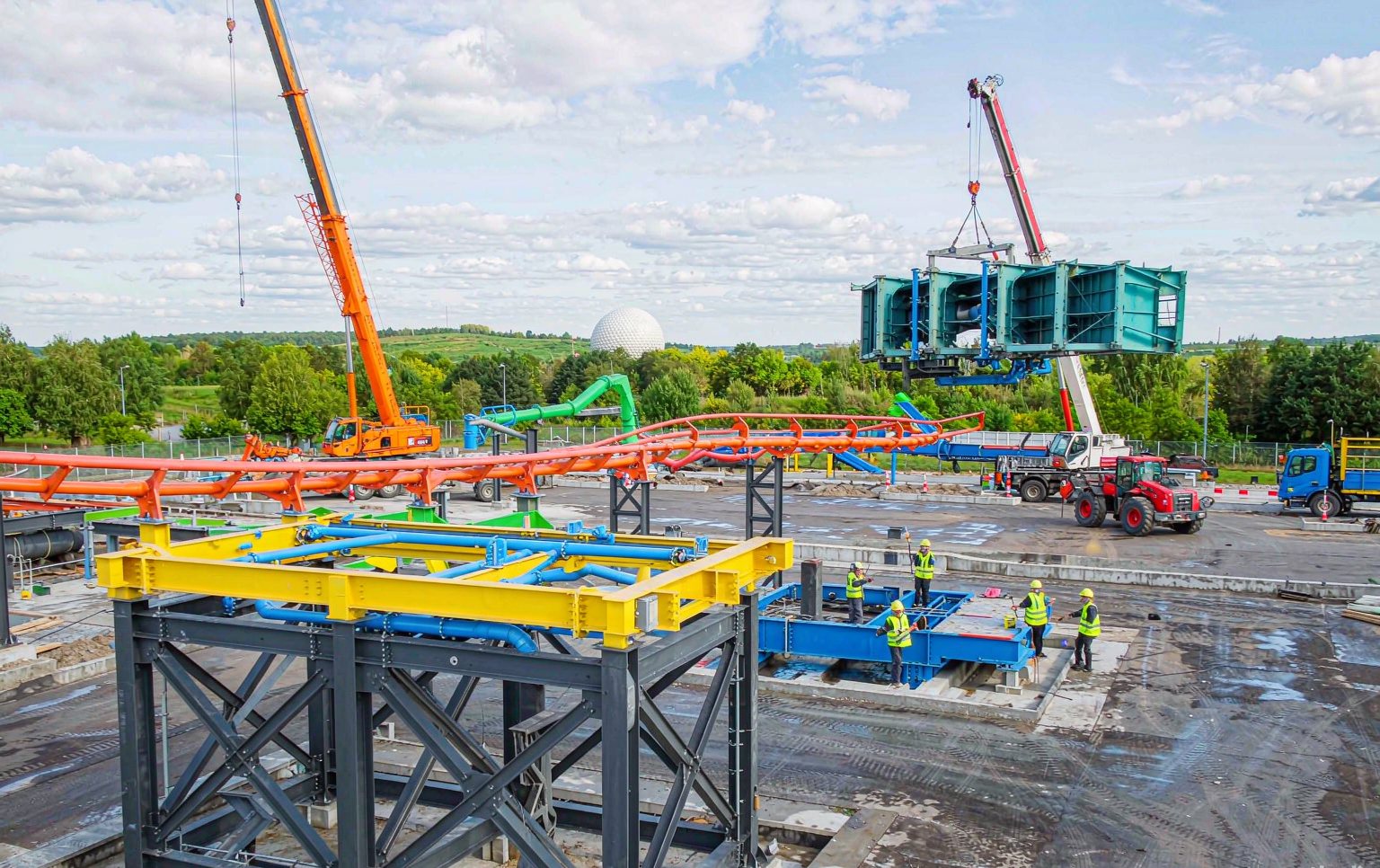
On-site assembly for a typical attraction runs 10–25 days with a specialist crew, and sequencing those crews is a planning exercise in itself. Foundations must cure, power and compressed air must be live, and lifting equipment must be scheduled before the installation team arrives. Idle crane time is one of the most avoidable costs in the entire scope of a theme park project, yet it appears repeatedly when site readiness is not formally verified.
Commissioning then verifies the installation itself: static and dynamic load tests, sensor and restraint checks, emergency stop drills, and a defined number of full cycles before any passenger is carried. Only after the authority having jurisdiction signs off should the ride open to the public. A theme park project that documents each test with photos, signed checklists, and third-party inspection reports moves through this stage faster and is far better positioned to support insurance claims and warranty discussions if questions arise later.
Regulatory review deserves to be scheduled rather than hoped for. Different jurisdictions assign oversight to different bodies, and each will request a documentation package covering design calculations, material certificates, factory test records, and installation inspection reports. Assembling that package as the build progresses, rather than at the end, routinely saves weeks and avoids the far worse outcome of a completed ride sitting idle while paperwork is chased.
Phase 6: Operations, Staffing, and Lifecycle Support
Opening day is the midpoint of the asset’s life, not the finish line. Daily inspection routines, preventive maintenance schedules, spare-parts inventory, and ride-operator certification ultimately decide whether the park sustains its uptime year after year. Manufacturer-supported training should be delivered before opening, with refresher sessions whenever new staff join or an attraction is modified.
Every serious theme park project also plans its exit from the warranty period. A two-year warranty backed by lifetime technical support and a guaranteed spare-parts supply chain converts an unpredictable maintenance line item into a manageable operating budget. Operators who negotiate parts availability and response times at the procurement stage avoid the scenario where a single imported component keeps a headline ride closed for weeks during peak season.
Contingency planning is the other discipline that separates experienced developers from first-timers. Weather, shipping congestion, and currency swings can each move a budget by several percentage points, and a development with no reserve absorbs those shocks directly into its opening date. Setting aside a defined contingency and applying a formal change-control process keeps small problems from cascading into delays that push the launch into a weaker visitor season.
Timeline and Budget Benchmarks
Although every site differs, the phase durations below reflect typical delivery experience across 200+ rides shipped to more than 24 countries. Use them as a sanity check on any timeline promised during a theme park project.
| Phase | Typical Duration | Primary Owner | Key Deliverable |
|---|---|---|---|
| Feasibility and market study | 2–4 months | Developer / consultant | Validated business case |
| Master planning and permits | 4–8 months | Design team | Approved site plan |
| Ride selection and contracting | 1–3 months | Procurement | Signed supply agreements |
| Manufacturing and factory testing | 25–60 days | Ride manufacturer | FAT reports, shipped units |
| Installation and commissioning | 10–25 days per ride | Installation crew | Safety certification |
| Staff training and soft opening | 2–6 weeks | Park operations | Trained crew, tested procedures |
Rule of thumb: freeze the attraction list before foundations are poured. Every change after that point costs more than it would have earlier, and it costs schedule as well as cash.
For a broader view of equipment options and how each category fits a master plan, review the thrill rides range and the family and kiddie rides catalog before finalizing the attraction mix.
Frequently Asked Questions About a Theme Park Project
How long does a theme park project take from concept to opening?
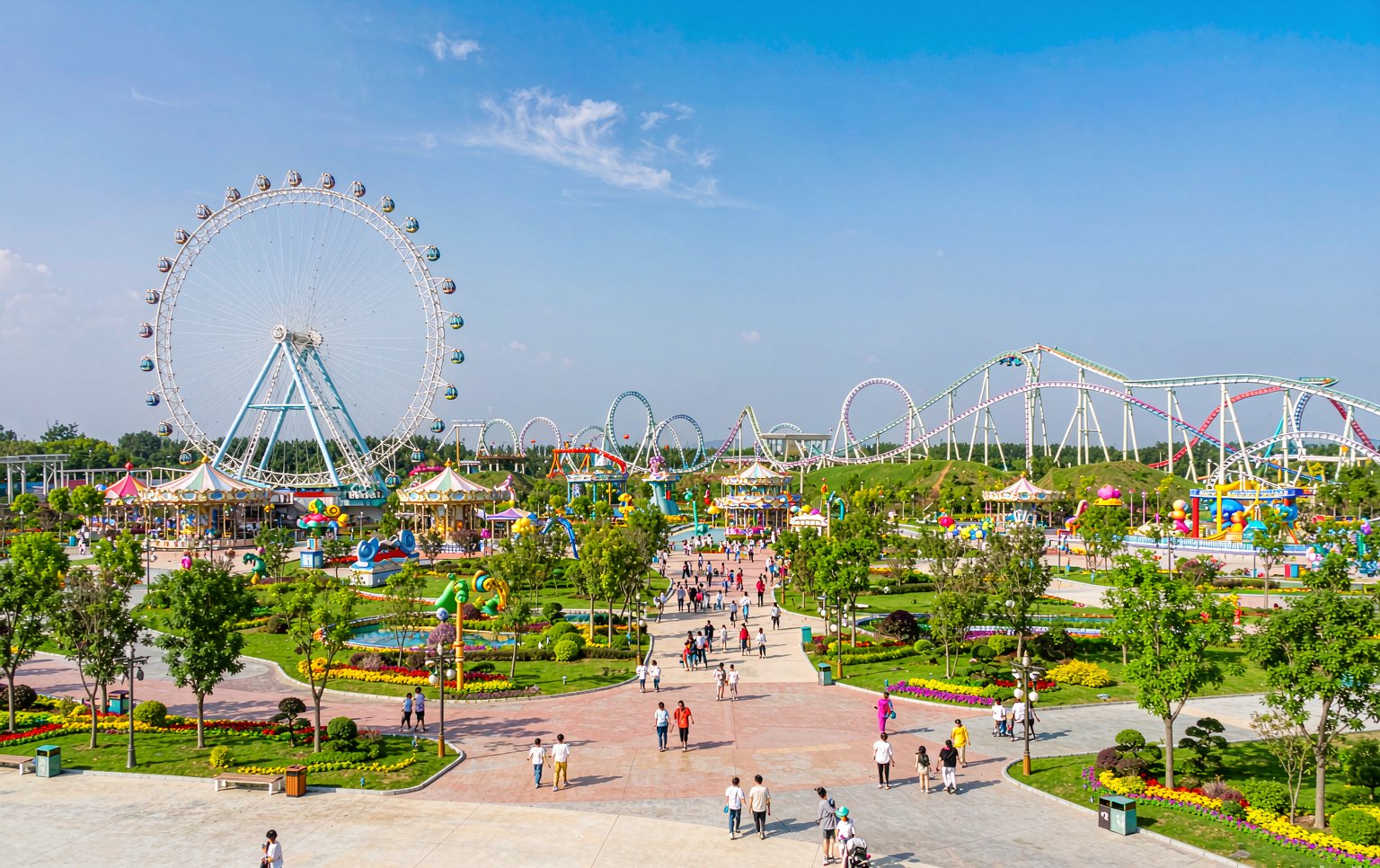
A greenfield park typically needs 18–30 months from feasibility to grand opening, while a single-ride installation inside an existing park can be completed in 4–7 months. Manufacturing lead time of 25–45 days for standard rides and 35–60 days for custom equipment is rarely the bottleneck; permitting, land works, and utility connections usually determine the critical path of a theme park project.
How should a developer choose ride vendors?
Evaluate certifications first, then engineering support, then price. A supplier holding CE, EN 13814, ISO 9001, and ASTM compliance, with documented factory testing on every unit, will reduce approval risk substantially. Ask for reference parks in similar climates and confirm spare-parts and training commitments in writing before signing.
What is the biggest risk in a theme park project?
Scope creep between planning and procurement. When the attraction list changes after foundations are poured, civil works are redone and the opening date slips. Freezing the ride schedule early — and treating later changes as formal variations with cost and time impacts — protects both the budget and the critical path.
Do manufacturers handle installation and staff training?
Reputable suppliers provide an on-site installation team, commissioning support, operator training, and a maintenance handover. On-site assembly usually takes 10–25 days depending on the attraction, and training should be completed before the soft opening so that crews operate under real conditions with manufacturer engineers present.
How do we budget for maintenance after opening?
Plan 3–6% of original equipment cost per year for inspection, parts, and labor, and negotiate a spare-parts list at the time of purchase. A two-year warranty with lifetime technical support shifts the first years of risk to the manufacturer and makes the long-term operating model far more predictable.
Conclusion: From Concept to Grand Opening
A successful theme park project is not won at the ribbon cutting — it is won in the sequence of decisions that precede it. Disciplined feasibility, a master plan that respects engineering reality, an attraction mix built for throughput as well as thrills, and a manufacturer who supports the asset long after delivery are what turn a capital program into a durable destination.
Anxin Amusement has spent more than 15 years manufacturing rides and delivering complete park solutions across Asia, Europe, the Middle East, South America, Africa, and Oceania, with 200+ rides delivered and factory testing on every unit. If you are shaping a theme park project, our team can help you move from concept to grand opening with a single accountable partner. Explore our custom theme park solutions and let’s plan your opening date.




