
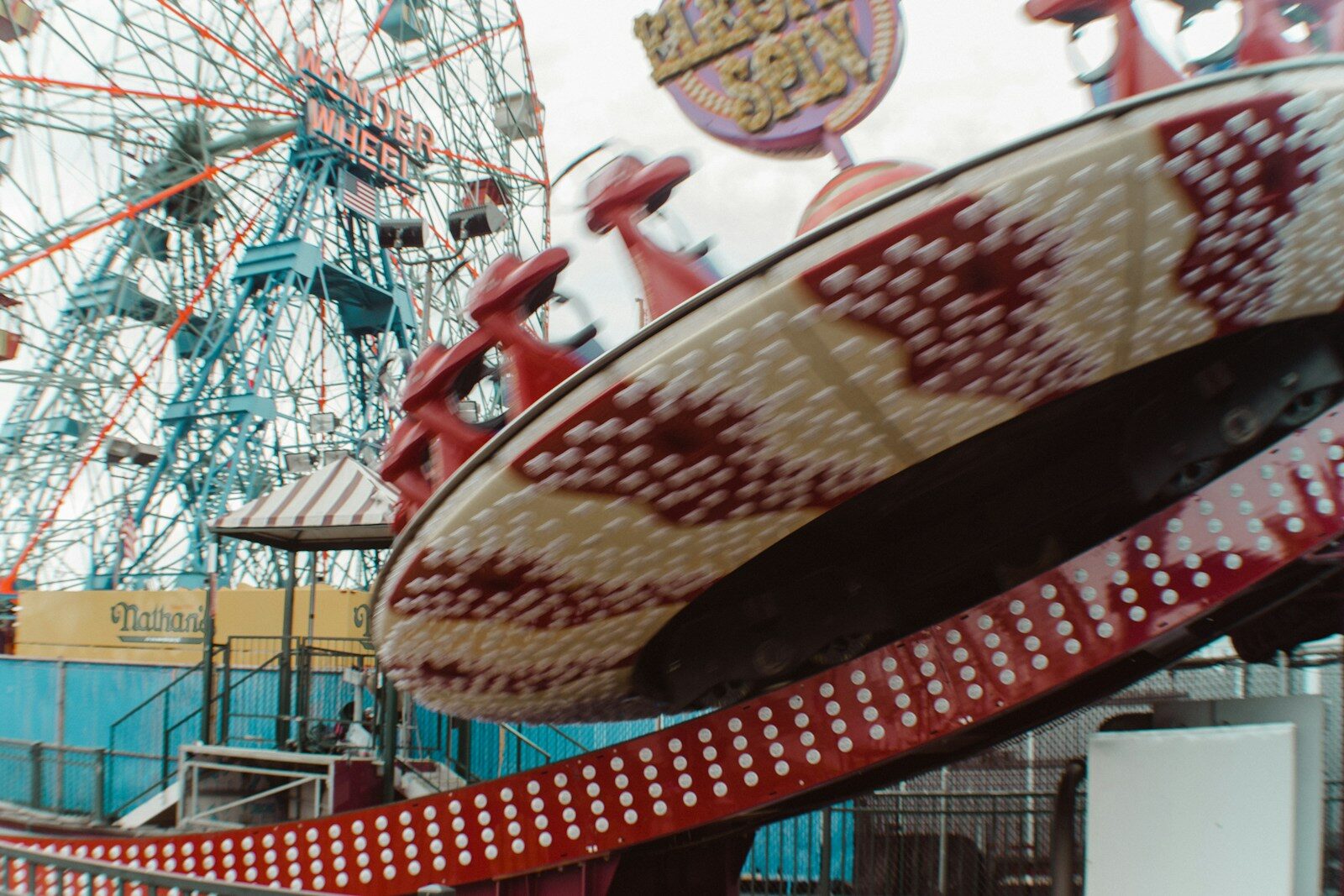
Behind every memorable theme park experience is a complex web of operational systems working in harmony. From the moment a guest arrives at the parking lot to the final fireworks display, theme park operations management coordinates thousands of moving parts to deliver a seamless, safe, and enjoyable experience. This discipline encompasses workforce management, ride operations, crowd flow control, maintenance planning, guest services, and real-time decision-making. This article examines the key components of effective theme park operations management and the strategies that leading parks use to maintain operational excellence.
Workforce Planning and Scheduling
The foundation of successful theme park operations management is effective workforce planning. Theme parks are labor-intensive businesses that require large teams of employees across ride operations, food service, retail, security, maintenance, guest services, entertainment, and administration.
Staffing levels must be carefully matched to projected attendance patterns. Overstaffing wastes labor costs, while understaffing leads to long wait times, guest complaints, and employee burnout. Modern parks use sophisticated forecasting models that analyze historical attendance data, weather forecasts, special events, school calendars, and hotel occupancy rates to predict daily guest volumes with remarkable accuracy.
Shift scheduling must account for peak periods throughout the day. Morning shifts handle park opening procedures and ride testing. Midday shifts manage peak crowds and food service rushes. Evening shifts support nighttime entertainment and park closing procedures. Flexible scheduling systems allow managers to adjust staffing in real time based on actual conditions.
Employee training is equally critical. New hires must complete comprehensive training programs covering safety procedures, guest interaction standards, emergency protocols, and job-specific skills. Ongoing training ensures that employees maintain their proficiency and stay current with updated procedures.
Ride Operations
Ride operations represent the core of theme park operations management. Each attraction requires a team of trained operators who manage loading and unloading, monitor safety systems, respond to guest needs, and execute emergency procedures when necessary.
Dispatch efficiency directly affects ride capacity and guest wait times. Operators must balance speed with safety, ensuring that every rider is properly secured before dispatching while minimizing unnecessary delays. Automated systems can assist with dispatch timing, but human judgment remains essential for handling unusual situations.
Ride capacity management involves monitoring throughput rates and adjusting operations to maximize guest flow. During peak periods, operators may run additional trains or vehicles to increase capacity. During slower periods, they may consolidate operations to reduce labor costs while maintaining acceptable wait times.
Communication between ride operators, maintenance teams, and management is essential. Any mechanical issue, safety concern, or guest incident must be reported immediately through established communication channels. Clear protocols ensure that problems are addressed quickly and efficiently.
Crowd Flow Management
Managing the movement of thousands of guests through a theme park is one of the most challenging aspects of theme park operations management. Poor crowd flow leads to congestion, safety hazards, guest frustration, and reduced spending.
Parks use a variety of tools to manage crowd flow. Real-time attendance monitoring systems track guest density in different areas of the park. Digital signage and mobile apps guide guests toward less crowded attractions. Entertainment offerings such as parades, shows, and character meet-and-greets are strategically timed and located to draw guests away from congested areas.
Queue management is a critical component of crowd flow. Virtual queue systems allow guests to reserve ride times without standing in physical lines, freeing them to spend time and money elsewhere in the park. Single rider lines fill empty seats and increase ride capacity. Child swap areas accommodate families with young children without disrupting the regular queue.
During special events and peak seasons, parks may implement capacity controls that limit total attendance to ensure safety and maintain experience quality. These decisions require careful coordination between operations, security, and guest services teams.
Maintenance and Reliability
Ride reliability is essential for guest satisfaction and operational efficiency. Theme park operations management must balance preventive maintenance schedules with operational demands to keep attractions running safely and consistently.
Preventive maintenance programs specify inspection intervals, lubrication schedules, component replacement timelines, and testing procedures for every ride system. These programs are designed to identify and address potential issues before they cause breakdowns or safety incidents.
Predictive maintenance uses sensor data and performance analytics to forecast when components are likely to fail. By monitoring vibration patterns, temperature changes, electrical current fluctuations, and other indicators, maintenance teams can intervene before failures occur. This approach reduces unplanned downtime and extends equipment life.
When breakdowns do occur, rapid response protocols minimize guest impact. Operations teams must communicate clearly with guests about wait times and alternative options. Maintenance teams must diagnose and resolve issues efficiently while maintaining safety standards. Documentation of every incident and repair supports continuous improvement.
Guest Services and Experience Management
Guest services represent the human face of theme park operations management. From information desks and lost-and-found services to complaint resolution and accessibility accommodations, guest services teams handle the situations that most directly affect visitor satisfaction.
Effective guest services require empowered employees who can make decisions and resolve issues without excessive escalation. Training programs emphasize empathy, problem-solving, and service recovery techniques. When things go wrong, a well-handled recovery can actually increase guest loyalty more than if the problem had never occurred.
Accessibility services ensure that guests with disabilities can enjoy the park experience. This includes wheelchair access, assistive listening devices, sign language interpretation, sensory-friendly options, and individualized accommodation plans. Parks must balance operational feasibility with genuine inclusivity.
Feedback collection and analysis help operations teams identify recurring issues and improvement opportunities. Guest surveys, social media monitoring, comment cards, and direct conversations all provide valuable data for continuous improvement.
Technology in Operations Management
Modern theme park operations management relies heavily on technology. Integrated operations platforms connect ride control systems, guest flow sensors, staffing databases, maintenance work orders, and communication systems into a unified command structure.
Mobile workforce management tools allow supervisors to communicate with employees in real time, reassign staff based on changing conditions, and track task completion. Digital dashboards provide managers with real-time visibility into park conditions, enabling faster and better-informed decisions.
Data analytics play an increasingly important role. By analyzing patterns in attendance, spending, wait times, ride usage, and guest feedback, operations teams can optimize scheduling, pricing, entertainment offerings, and resource allocation with greater precision than ever before.
Emergency Operations
Emergency preparedness is a non-negotiable element of theme park operations management. Parks must maintain detailed emergency response plans covering medical emergencies, ride evacuations, severe weather, fire, security threats, and utility failures.
Regular drills ensure that staff can execute emergency procedures quickly and confidently. Communication systems must reach every employee instantly. Coordination with local emergency services ensures that external resources are available when needed.
After every emergency event, thorough debriefing and documentation identify lessons learned and drive improvements to procedures and training. This continuous improvement cycle strengthens the park’s ability to protect guests and employees.
Conclusion
Theme park operations management is the engine that transforms creative design and engineering into living, breathing guest experiences. It requires a rare combination of meticulous planning, real-time adaptability, technical expertise, and human-centered service. Parks that excel in operations management consistently deliver safer, smoother, and more enjoyable experiences that keep guests coming back year after year.




