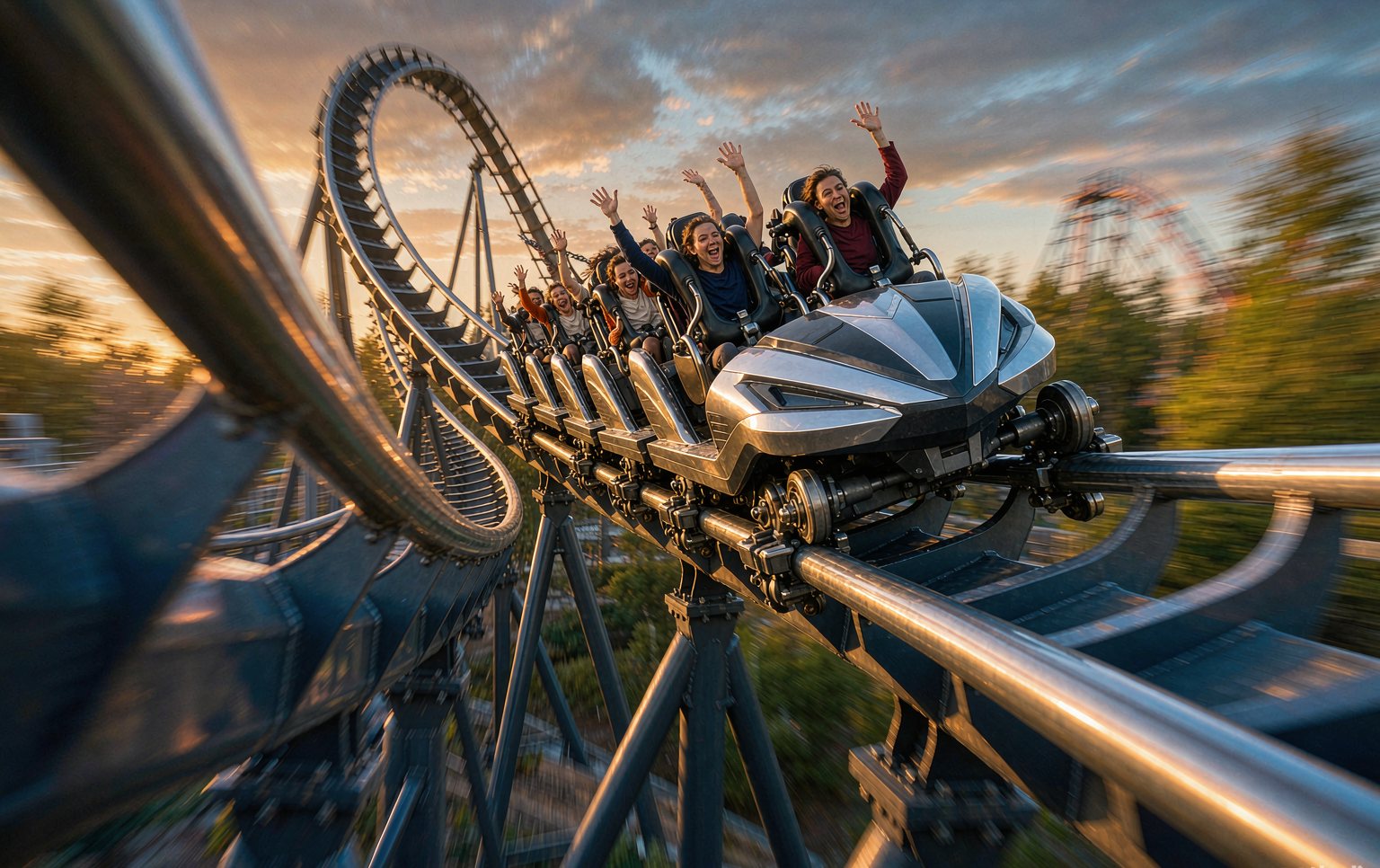
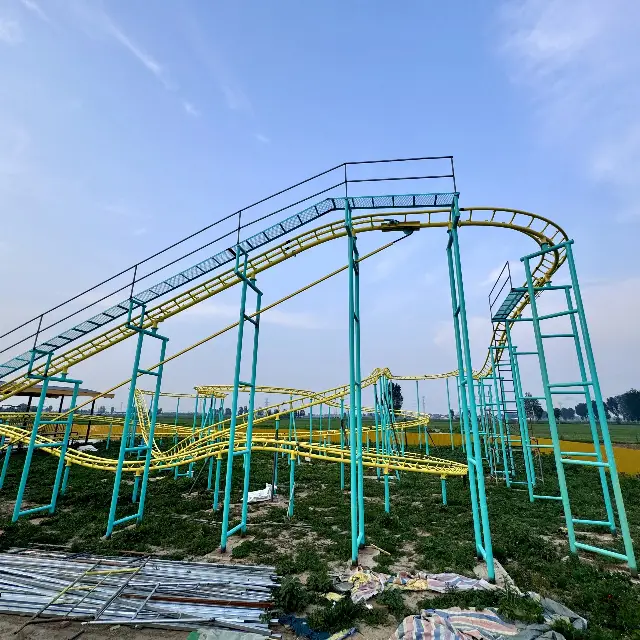
Some roller coasters build excitement slowly. Others hit you with it all at once. A shock roller coaster belongs to the second group. It is the kind of ride that creates a sudden jolt of sensation: a steep drop before you are ready, a fast launch that pins you to your seat, a surprise inversion, or a moment where the track seems to disappear into darkness.
That sudden intensity is what makes a shock roller coaster so memorable. It does not just move fast. It creates surprise. It takes riders from calm anticipation to full excitement in a single instant. For thrill seekers, that feeling is addictive. For first-time riders, it can be both intimidating and impossible to ignore.
A shock roller coaster is not only about height, speed, or the number of inversions. It is about timing, rhythm, and the emotional impact of each moment. The best ones feel unpredictable, powerful, and unforgettable. This post explores what makes these rides so intense, why people love them, how parks design them, and how riders can prepare for the shock.
What Makes a Shock Roller Coaster Different
A shock roller coaster stands out because it creates sudden, strong sensations. A normal family coaster may feel smooth, scenic, and gentle. A thrill coaster may feel fast and exciting. A shock roller coaster goes further by adding surprise.
The shock can come from many different moments:
- A steep drop that appears without warning
- A fast launch instead of a slow chain lift
- A sudden change of direction
- A drop into darkness
- A quick inversion or corkscrew
- A moment where the train tilts or banks sharply
- A near-miss effect with scenery or water
- A loud sound or visual effect at a key moment
- A sudden pause before a big movement
- A final surprise element near the end of the ride
These moments are carefully designed. Even though a shock roller coaster may feel wild, every drop, turn, and launch is planned with precision. The surprise is part of the experience, but it is not random.
Why Riders Love the Shock
The appeal of a shock roller coaster goes beyond speed. It is also about emotion. Riders often describe the experience as a mix of fear, excitement, relief, and joy. That emotional journey is part of what makes roller coasters so popular.
Before the ride begins, there is anticipation. Watching the train leave the station, hearing the mechanical sounds, and seeing other riders react all build tension. During a sudden drop or launch, that tension releases into a powerful rush of sensation. After the ride, many people feel a sense of accomplishment, especially if the experience was more intense than expected.
For some riders, a shock roller coaster is a personal challenge. It becomes a test of courage. For others, it is a shared experience. Riding with friends or family creates laughter, screams, inside jokes, and memories that last long after the day ends.
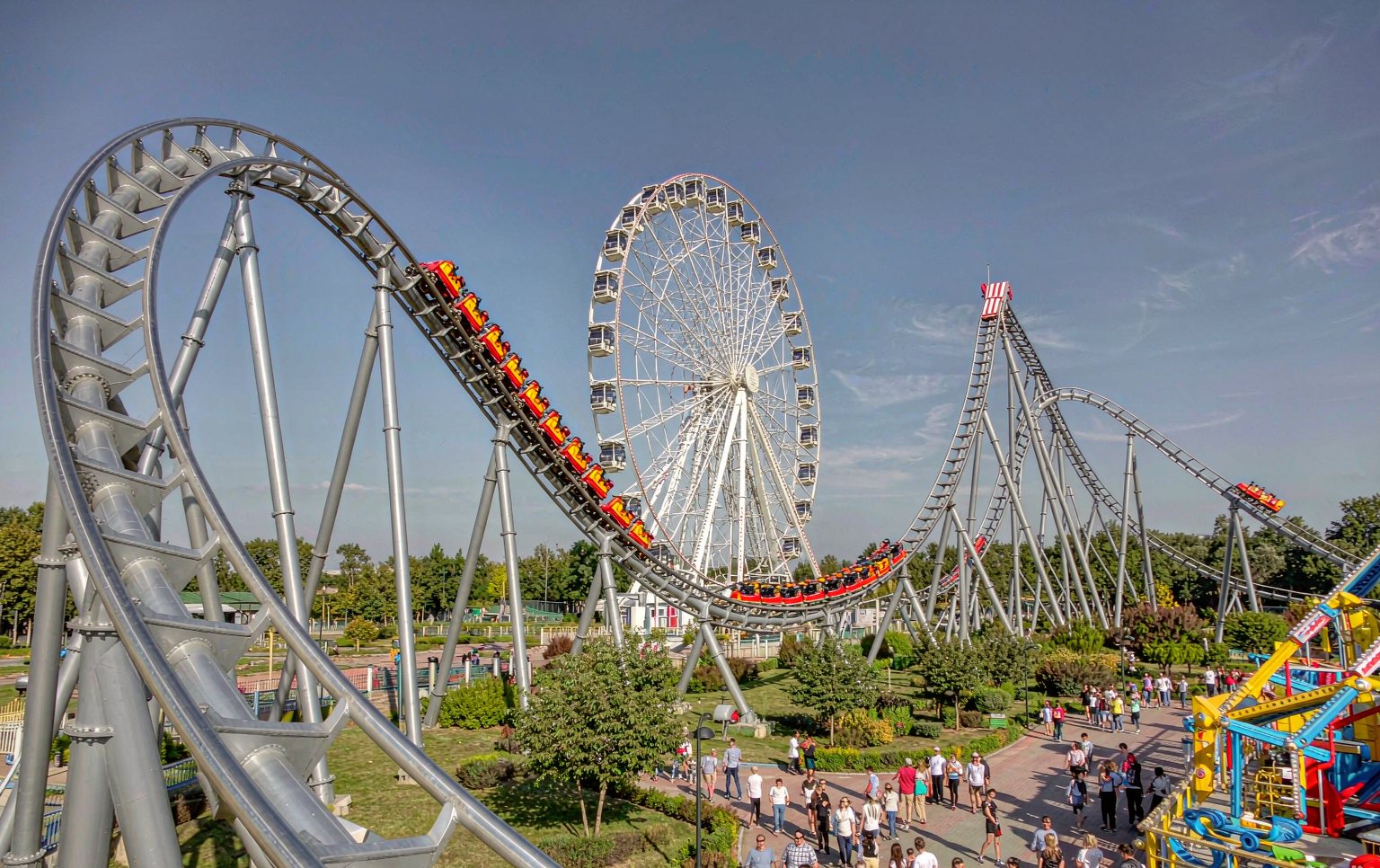
There is also a strong visual appeal. A shock roller coaster often becomes a landmark in a park. Its tracks, supports, launches, or tall drops can look dramatic from a distance. When guests see it from across the park, it often becomes one of the first attractions they want to try.
Common Features of a Shock Roller Coaster
While every roller coaster is different, many shock roller coaster designs share certain features. These elements help create the sudden sensations riders associate with extreme or unpredictable rides.
Sudden Drops
A sudden drop is one of the most recognizable features of a shock roller coaster. The moment the train tips forward and begins descending creates an immediate physical reaction. The surprise comes not only from the height, but also from the timing. A drop that appears quickly can feel much more intense than one riders have time to prepare for.
Launch Systems
Many modern shock roller coasters use launch systems instead of traditional chain lifts. Instead of climbing slowly, the train accelerates quickly. That instant burst of speed creates a strong shock effect, throwing riders back into their seats and setting the tone for the rest of the ride.
Inversions
Inversions turn riders upside down and add a sense of disorientation. Loops, corkscrews, zero-gravity rolls, and barrel rolls are common examples. On a shock roller coaster, inversions often feel more intense because they may come quickly, unexpectedly, or in rapid succession.
Sharp Turns
A sharp turn can create a strong sideways force. When a shock roller coaster changes direction suddenly, riders feel the movement immediately. This adds to the feeling of speed and unpredictability.
Dark Sections
Dark tunnels or enclosed sections can make a shock roller coaster feel more intense. When riders cannot see what comes next, every movement feels more surprising. A drop into darkness, a sudden turn, or a flash of light can all increase the emotional impact.
Near-Miss Effects
Some coasters use near-miss effects to create the feeling of danger without actual risk. The train may pass close to water, scenery, supports, or themed structures. These moments feel dramatic, even though the ride is carefully engineered for safety.
The Difference Between Shock and Danger
It is important to separate the feeling of shock from the idea of danger. A shock roller coaster can feel extreme, sudden, and intense while still being carefully designed, maintained, and operated.
Professional parks use engineering standards, safety systems, inspections, trained operators, and maintenance routines to manage risk. The sensations riders feel are usually the result of precise design, not randomness. A sudden drop, a fast launch, or a sharp turn may feel shocking, but these moments are planned in advance.
This is why safety should always come before thrill. A ride that feels exciting is not the same as a ride that feels reckless. The best parks balance intensity with control, making sure that every shocking moment is supported by strong safety practices.
Before riding, guests should always follow posted rules, listen to ride operators, respect height and health restrictions, and secure loose items. If something feels unclear, asking staff for help is always the right choice.
How Parks Design the Shock
Designing a shock roller coaster involves more than choosing the tallest drop or the fastest speed. Parks also think about guest flow, visibility, theming, capacity, sound, location, and the emotional rhythm of the ride.
A good shock roller coaster usually has a beginning, middle, and end. The beginning builds anticipation. The middle delivers the most intense moments. The end provides a final burst of excitement or a smooth return to the station.
Parks also consider how the ride looks from outside. A dramatic launch section, a visible drop, or a tall lift hill can attract attention and create excitement before guests even enter the queue. The queue itself may include themed scenery, music, signage, or storytelling elements that prepare riders for what is coming.
Sound and lighting also play a major role. A tunnel with flashing lights may feel more intense than the same turn in daylight. A loud sound effect at the moment of a drop can make the experience feel more dramatic. These details help turn a mechanical ride into an emotional experience.
Who Should Try a Shock Roller Coaster
A shock roller coaster can be exciting, but it is not automatically the right choice for every rider. The best way to enjoy a park is to match rides to the comfort level of each person.
Confident Thrill Seekers
Riders who enjoy speed, drops, inversions, and intense motion often look for the most extreme attractions first. For them, a shock roller coaster may be the highlight of the day.
Curious First-Timers
Some riders are nervous but interested. For these guests, watching the ride first can help. Seeing how the train moves, how other riders react, and how the experience begins and ends can reduce uncertainty.
Guests Who Prefer Milder Rides
Not everyone needs to ride the wildest attraction to have a great day. Family coasters, scenic rides, shows, games, and themed areas can be just as enjoyable. A good park day should feel fun, not forced.
Children and Younger Riders
Height restrictions exist for safety. Even if a child wants to ride, age, height, temperament, and comfort level all matter. A gentle introduction to smaller coasters can help build confidence before trying something more intense.
How to Prepare for Your First Shock Roller Coaster
If you are planning to try a shock roller coaster for the first time, a little preparation can make the experience more enjoyable. The goal is not to eliminate excitement, but to reduce unnecessary stress.
Start by watching the ride. Observing one full cycle can help you understand the speed, direction, and intensity. You will also see how riders enter, sit, and exit.
Eat lightly before riding. A very heavy meal may not feel comfortable during drops or inversions. A small snack and water are usually a better choice.
Use the restroom before joining the queue. Long lines and intense rides can make waiting less comfortable if you are already distracted by physical discomfort.
Secure loose items. Phones, hats, sunglasses, keys, and bags should be stored safely before boarding. Many coasters do not allow loose items on the train.
Listen to the operators. They will explain how to sit, how to use the restraint, and what to do during the ride. Following instructions helps the experience run smoothly for everyone.
Breathe normally. It is common to hold your breath during the first drop, but breathing steadily can help you stay more relaxed. Screaming is also normal and can actually help release tension.
Tips for Riding With Friends or Family
A shock roller coaster often becomes more memorable when shared. The anticipation in the queue, the reactions during the ride, and the laughter afterward can turn a single attraction into a highlight of the trip.
If someone in your group is nervous, avoid pressuring them. Encouragement is different from pressure. Let them watch the ride, ask questions, and decide at their own pace.
If your group has mixed comfort levels, plan the day around variety. One person may want to ride the wildest coaster, while another may prefer a scenic attraction or a live show. A balanced plan helps everyone enjoy the day.
Take photos before or after the ride, not during. Many parks prohibit photography on rides for safety reasons. The best memories often come from group photos after the adrenaline fades.
Talk about the experience afterward. Comparing reactions, favorite moments, and surprises can make the memory last longer. For many groups, the story after the ride becomes almost as fun as the ride itself.
Common Mistakes to Avoid
Even experienced park visitors can make small mistakes that reduce the fun of a shock roller coaster day. Avoiding these issues can help the day run more smoothly.
Ignoring Height and Health Restrictions
Height and health restrictions are not suggestions. They exist to protect riders. Always check requirements before joining a queue.
Riding on a Full Stomach
A large meal right before an intense coaster may cause discomfort. Light snacks and hydration are usually a better choice.
Forgetting About Weather
Wind, rain, lightning, or extreme heat can affect ride operations. Outdoor coasters may pause during unsafe weather, so flexible plans are important.
Spending the Whole Day on One Ride
Popular coasters can have long lines. If one attraction dominates the entire day, other guests may become tired or bored. A balanced schedule usually works better.
Skipping Rest Breaks
A day full of walking, waiting, heat, and excitement can become exhausting. Breaks, shade, water, and food help keep energy levels steady.
Pressuring Nervous Riders
Not everyone enjoys the same level of intensity. A good park experience should feel exciting, not stressful or embarrassing for anyone in the group.
How to Plan a Park Day Around a Shock Roller Coaster
If a shock roller coaster is the main reason for your visit, it helps to plan the day around it. The best time to ride is often early in the day, when lines are shorter and the park feels less crowded.
A simple plan might look like this:
- Arrive before the busiest part of the day
- Head to the most popular shock roller coaster first
- Take a short break after the first big ride
- Explore nearby attractions or themed areas
- Eat before peak meal times
- Return to favorite rides later if lines shorten
- End the day with a scenic ride, show, or nighttime experience
This approach helps you enjoy the biggest thrill without spending the entire day waiting in one line. It also leaves room for other experiences, making the visit feel more complete.
Why Shock Roller Coasters Become Park Icons
Some roller coasters become more than attractions. They become symbols of a park, a city, or a generation of theme park experiences. A dramatic skyline silhouette, a recognizable color scheme, or a famous launch sequence can turn a ride into a landmark.
A shock roller coaster often attracts attention because it represents something bold. It suggests speed, surprise, adventure, and imagination. For many visitors, riding it becomes a personal milestone. For others, simply seeing it from a distance is enough to create excitement.
These rides also encourage storytelling. Friends compare their reactions. Families return years later and remember where they rode. Social media photos and videos spread the experience beyond the park. Over time, the coaster becomes part of the memory of the visit itself.
The Psychology Behind the Scream
The scream on a roller coaster is not always about fear. It can also be excitement, surprise, relief, or joy. A shock roller coaster creates strong physical sensations, and the body often responds with laughter, shouting, or wide-eyed amazement.
That reaction is part of the appeal. Riders know the experience is controlled, but the sensations still feel dramatic. The contrast between safety and intensity creates a unique emotional effect. It is one reason people return to roller coasters again and again.
The best coasters understand this balance. They build anticipation, deliver excitement, and then bring riders back to the station with a sense of completion. The experience should feel intense, but also satisfying.
Final Thoughts
A shock roller coaster is more than a collection of drops, turns, and inversions. It is an experience built around anticipation, surprise, motion, and emotion. The most memorable rides combine strong sensations with thoughtful theming, smooth operations, and a sense of shared excitement.
For thrill seekers, a shock roller coaster can become the highlight of a park visit. For first-time riders, it can be a personal challenge worth trying. For families and friends, it can create stories, laughter, and memories that last long after the day ends.
The key is to enjoy the experience responsibly. Respect safety rules, choose rides that match your comfort level, plan your day with balance, and leave room for spontaneity. A great park day is not about riding everything as fast as possible. It is about finding the right mix of excitement, rest, and fun, with a shock roller coaster moment waiting somewhere in the middle.