
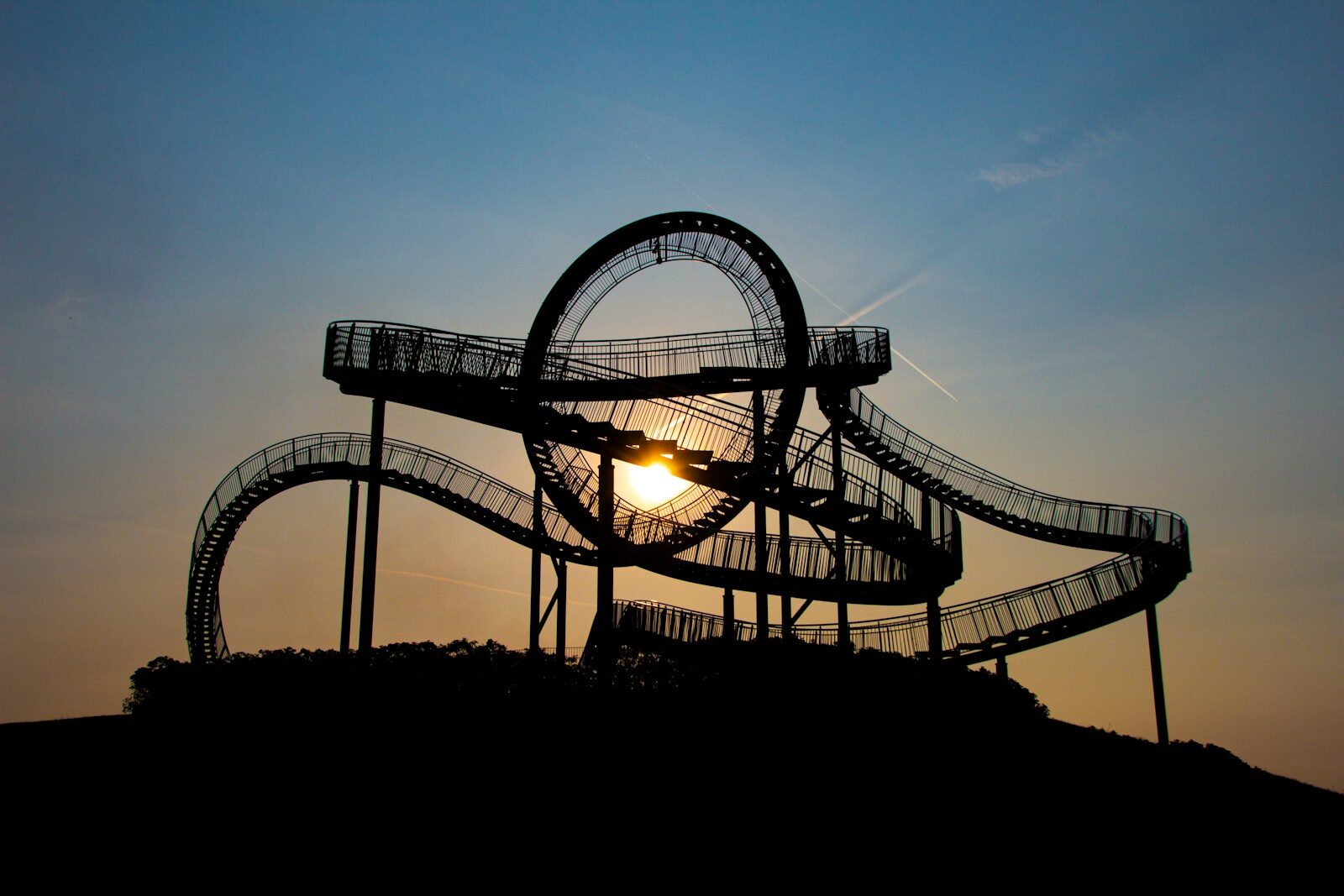
Roller coaster theme parks occupy a unique position in the global entertainment landscape. These parks build their identity around the thrill, engineering spectacle, and adrenaline rush that only a high-performance roller coaster can deliver. From the towering steel coasters of North America to the compact but intense layouts found in European parks, roller coaster theme parks have cultivated a dedicated global following that drives attendance, spending, and continuous innovation.
The Magnetic Appeal of the Roller Coaster
The roller coaster experience triggers a powerful combination of physical sensation and emotional response. The anticipation of the chain lift, the momentary weightlessness at the crest of a hill, the lateral forces through a banked turn, and the rush of air during a high-speed descent create sensations that cannot be replicated by any other form of entertainment. This unique sensory profile is precisely why roller coaster theme parks attract such passionate audiences.
Enthusiast communities have formed around the world, with dedicated followers who travel extensively to experience new coasters, rank existing ones, and document their experiences through photography, video, and detailed ride reports. These communities generate enormous organic marketing value for parks, as enthusiasts share their experiences across social media platforms, forums, and YouTube channels that reach millions of potential visitors.
Engineering Innovation Drives Competition
The competitive landscape among roller coaster theme parks is defined by a continuous cycle of engineering innovation. When one park opens a record-breaking coaster — whether measured by height, speed, inversions, or unique ride elements — competitors respond with their own ambitious projects. This competitive dynamic has driven remarkable advances in ride technology over the decades.
Modern coaster manufacturers employ sophisticated computer-aided design tools, finite element analysis, and dynamic simulation software to create layouts that push the boundaries of what is physically possible while maintaining rigorous safety margins. Materials science has contributed advanced steel alloys, precision-machined track components, and lightweight yet durable train structures that enable faster, smoother, and more intense ride experiences.
Launch systems represent one of the most significant technological developments in recent decades. Traditional chain lift hills have been supplemented — and in some cases replaced — by linear induction motors, hydraulic launches, and pneumatic launch systems that accelerate trains from zero to high speeds in seconds. These systems enable compact layouts that deliver intense experiences within smaller footprints, making them attractive for parks with limited available land.
Theming Transforms Rides Into Stories
The most successful roller coaster theme parks understand that a great coaster needs more than impressive engineering — it needs a compelling narrative context. Theming transforms a collection of track elements into an immersive story that engages riders before they even board the train.
Effective theming operates on multiple sensory levels. Visual elements include architectural structures, landscaping, lighting effects, and animatronic figures that establish the ride’s narrative setting. Audio elements include custom soundtracks, sound effects, and voice narration that build anticipation and enhance the storytelling. Physical elements include temperature changes, water sprays, wind effects, and scent dispensers that create multi-sensory immersion.
The integration of storytelling with ride dynamics creates what industry professionals call “ride profiling” — the deliberate sequencing of narrative moments and physical sensations to create a cohesive experience arc. A well-profiled coaster builds tension during the queue and pre-show, delivers a dramatic climax during the ride itself, and provides a satisfying resolution as the train returns to the station.
Economic Impact and Tourism
Roller coaster theme parks function as significant economic engines for their host communities. A major park generates direct employment across operations, maintenance, food service, retail, security, administration, and management. Indirect employment is created in supporting industries including construction, transportation, hospitality, and local retail.
Tourism revenue represents another substantial economic contribution. Visitors traveling from outside the region spend money on accommodation, dining, transportation, and local attractions in addition to their park admission and in-park spending. Studies of major theme park destinations consistently demonstrate that these facilities generate significant tax revenue and support local infrastructure development.
Guest Experience Beyond the Coaster
While roller coasters serve as the primary draw, successful roller coaster theme parks invest heavily in the complete guest experience. This includes queue entertainment that makes waiting enjoyable, shaded rest areas that provide relief from sun and heat, diverse food and beverage options that accommodate various dietary preferences, and retail offerings that allow guests to take home tangible memories of their visit.
Accessibility has become an increasingly important consideration. Parks are developing solutions that allow guests with various physical abilities to experience coaster attractions safely, including specialized restraint systems, transfer access procedures, and virtual queuing options that reduce the physical demands of waiting in line.
The Future of Coaster Design
The next generation of roller coaster theme parks will likely incorporate several emerging technologies. Virtual reality integration, where riders wear headsets that overlay digital environments onto physical ride movements, has been explored by several parks with varying degrees of success. The challenge lies in creating VR content that synchronizes precisely with physical forces while remaining reliable across thousands of daily ride cycles.
Artificial intelligence applications may enable dynamic ride experiences where train speed, braking patterns, and element sequencing vary between rides, creating unique experiences that encourage repeat riding. Advanced materials could enable even lighter, stronger track structures that reduce maintenance requirements and extend component lifespans.
Sustainability considerations are also shaping future development. Energy recovery systems that capture kinetic energy during braking and feed it back into the ride’s power system, solar-powered station facilities, and water recycling systems for splash attractions all represent areas where roller coaster theme parks are reducing their environmental footprint.
Building a Lasting Legacy
The enduring popularity of roller coaster theme parks reflects a fundamental human desire for thrilling experiences shared with others. The collective scream of riders cresting a drop, the shared laughter as a train returns to the station, and the stories guests tell long after their visit — these intangible elements combine with world-class engineering to create entertainment experiences that resonate across generations.
For parks that invest in innovation, storytelling, and guest experience excellence, the roller coaster remains not just an attraction but the beating heart of an entertainment destination that draws visitors back year after year.




