
Rides in a amusement park are more than individual attractions. Together, they shape the guest experience, define the park’s identity, and influence how visitors move through the site. A park with only high-thrill rides may attract adrenaline seekers but leave families with limited options. A park with only gentle rides may feel safe but fail to create excitement. The most successful parks build a balanced mix that serves different ages, interests, and energy levels.
Planning rides in a amusement park requires thinking beyond single attractions. Operators should consider how each ride supports the overall experience. A strong attraction mix includes thrill rides, family rides, children’s rides, interactive experiences, show attractions, and signature landmarks. Each category plays a different role in guest satisfaction, queue flow, spending behavior, and repeat visitation.
Creating a Family-Friendly Core
Families are often the most important audience for amusement parks. Rides in a amusement park should include options that allow parents and children to enjoy the day together. Family rides typically offer moderate excitement, comfortable seating, simple boarding, and clear safety instructions.
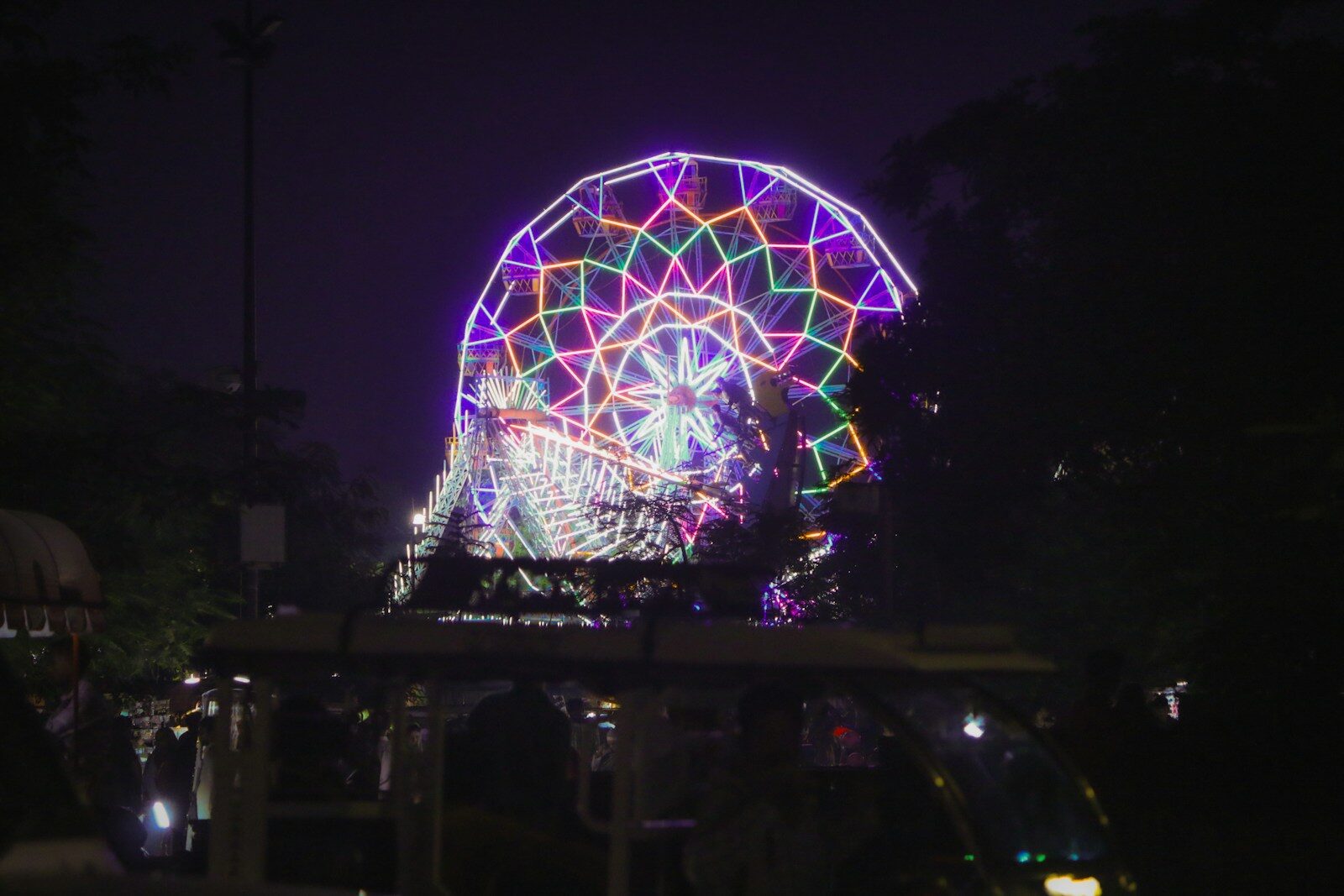
Family attractions can include gentle spinning rides, dark rides, boat rides, car rides, Ferris wheels, and themed adventure rides. These attractions help younger guests feel included while giving adults a comfortable experience. A strong family core also supports longer visit duration because guests of different ages can find something enjoyable.
Operators should place family rides in accessible areas with clear signage, shade, seating, restrooms, and food options nearby. These rides often become emotional highlights for children, so their design, theming, and operation should feel welcoming and reliable.
Adding Thrill Without Overloading the Park
Thrill rides create excitement and help parks attract teenagers, young adults, and repeat visitors. Roller coasters, drop towers, spinning thrill rides, and high-intensity attractions can become strong marketing points. However, thrill rides should be balanced with other experiences.
Rides in a amusement park should not focus only on maximum intensity. A park with several extreme attractions but few gentle options may feel exhausting for families. A better approach is to distribute thrill rides across the park and support them with family areas, children’s zones, food outlets, and rest spaces.
Thrill rides also require careful placement. They should have sufficient queue space, safe perimeter areas, clear sightlines, and easy emergency access. Operators should avoid placing high-intensity attractions in locations that create noise conflicts, pedestrian congestion, or operational bottlenecks.
Designing Children’s Areas
Children’s areas are essential for family parks. Rides in a amusement park aimed at younger guests should be safe, colorful, easy to understand, and visually engaging. These areas help children build confidence and create positive first impressions of the park.
Children’s rides often include small car rides, gentle spinning attractions, animal-themed rides, mini trains, play structures, and interactive water features. The design should encourage exploration without overwhelming young guests. Soft colors, clear boundaries, shaded waiting areas, and parent-friendly seating all improve the experience.
Operators should also consider supervision and sightlines. Parents should be able to watch children easily, and staff should be able to monitor loading areas clearly. A well-designed children’s zone feels playful and safe while allowing families to move comfortably between attractions.
Supporting Rides with Themed Environments
Theming helps rides in a amusement park feel connected rather than random. A themed environment can turn a collection of attractions into a cohesive experience. Adventure zones, fantasy areas, science-fiction districts, historical themes, and cultural motifs can all give the park a stronger identity.
Theming should extend beyond ride vehicles. It should include queue areas, buildings, lighting, music, signage, food outlets, and landscape design. A well-themed area makes guests feel immersed in a story, which increases emotional engagement and photo opportunities.
Operators should avoid inconsistent theming. A futuristic ride placed next to a medieval castle without visual transition can feel confusing. The goal is to create smooth movement between zones while allowing each area to have its own character.
Planning Guest Flow and Queue Experience
Rides in a amusement park must be supported by good guest flow. A popular ride with poor queue design can create congestion, frustration, and safety concerns. Operators should plan queue paths, waiting areas, loading zones, exit routes, and pedestrian crossings carefully.
Queue areas should provide shade, clear signage, capacity information, and visible ride action when possible. Entertainment elements such as themed scenery, interactive displays, or music can make waiting feel shorter. For high-demand attractions, virtual queuing or timed entry systems may help reduce physical crowding.
Guest flow also affects revenue. Well-placed food outlets, retail shops, rest areas, and photo points can encourage spending without disrupting movement. Operators should study how guests naturally move through the park and design pathways that feel intuitive.
Safety and Operational Standards
Safety is the foundation of every amusement park. Rides in a amusement park should be supported by strong operational standards, including daily inspections, preventive maintenance, staff training, emergency procedures, weather monitoring, and guest communication.
Operators should maintain detailed records for every ride. Inspection logs, repair reports, spare part replacements, and staff training records help build a strong safety culture. Safety is not only about equipment design but also about consistent operation and staff readiness.
Clear guest communication is equally important. Height requirements, health restrictions, loose article policies, and boarding instructions should be visible and easy to understand. Staff should be trained to assist guests calmly and professionally, especially during interruptions or evacuations.
Building Long-Term Value
The best rides in a amusement park are not chosen only for their initial excitement. Operators should consider durability, maintenance costs, spare parts availability, theming flexibility, and guest appeal over time. A ride that can be refreshed with new lighting, music, or themed elements may provide stronger long-term value than a ride that feels outdated quickly.
Expansion planning is also important. Parks should leave space for future attractions, seasonal events, and guest service improvements. A flexible site plan allows operators to respond to changing guest expectations without major reconstruction.
A well-planned amusement park combines safety, comfort, excitement, theming, and operational reliability. When rides in a amusement park are selected and arranged with care, they create more than individual attractions. They create a destination where families, thrill seekers, and first-time visitors can all find memorable experiences.




