
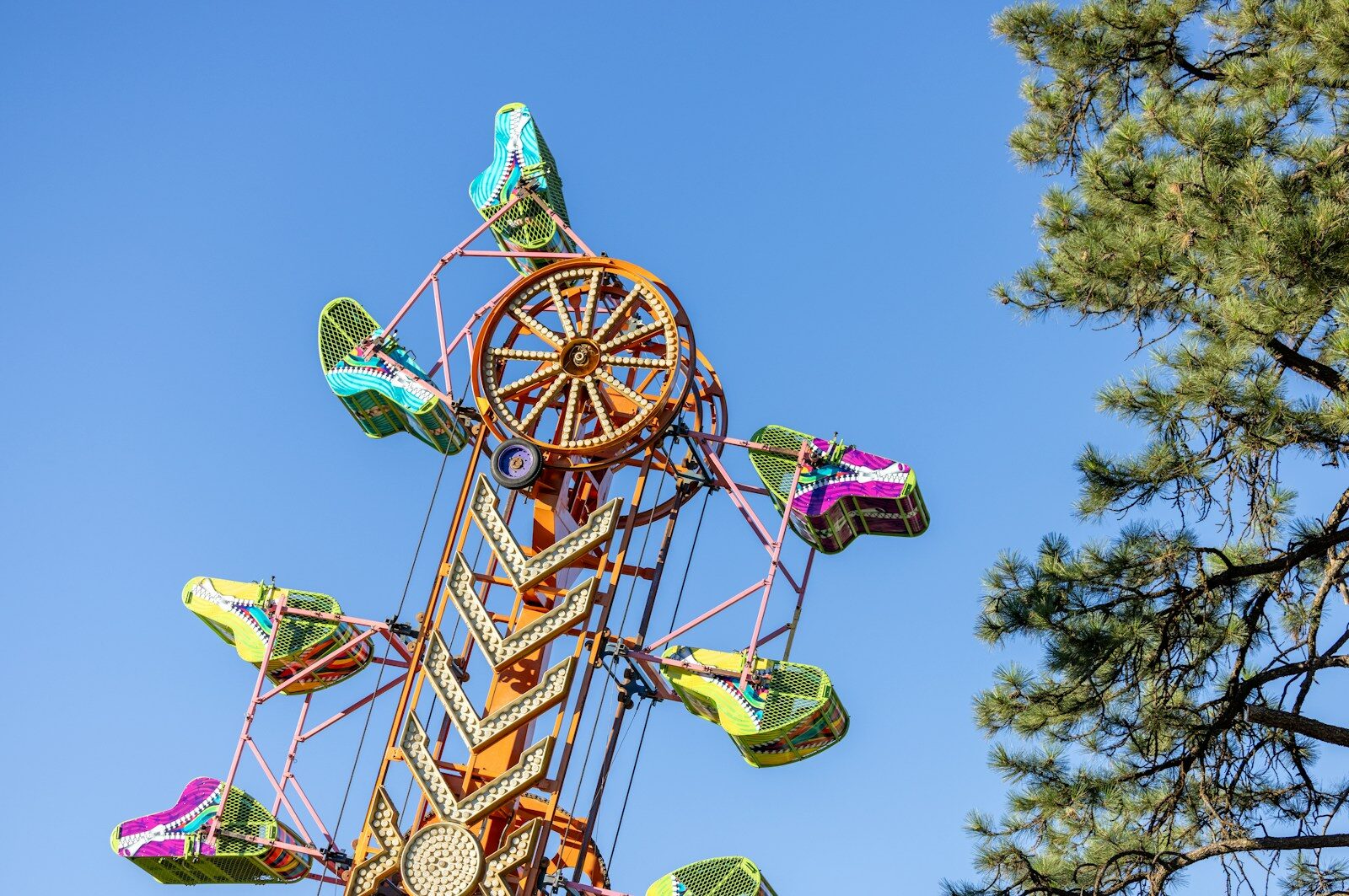
Whether you are launching a new entertainment venue, expanding an existing park, or replacing outdated equipment, browsing amusement rides for sale can be both exciting and overwhelming. The market offers an enormous range of options — from compact children’s rides to massive thrill attractions — across dozens of ride types, manufacturers, and price points. This guide provides a structured approach to navigating the market, evaluating options, and making a confident purchase decision.
Define Your Requirements First
Before you begin browsing amusement rides for sale, take time to clearly define what you need. A well-defined set of requirements will help you filter options efficiently and avoid the common mistake of falling in love with a ride that does not fit your operational context.
Consider the following factors:
- Target audience: Who are your primary guests? Families with young children, teenagers seeking thrills, or a broad mixed demographic? Your target audience determines the ride categories you should focus on.
- Available space: Measure your available footprint, including required clearance zones, height restrictions, and access paths for delivery and maintenance.
- Budget parameters: Establish a realistic total budget that includes not only the purchase price but also shipping, foundation work, installation, theming, insurance, and first-year operating costs.
- Capacity needs: Estimate your expected hourly throughput requirements based on projected attendance and desired wait times.
- Power availability: Confirm that your site can supply the electrical power required by the ride. Some large attractions require three-phase power or dedicated transformers.
- Regulatory environment: Research the permits, inspections, and safety certifications required in your jurisdiction.
Having clear answers to these questions before you begin your search will save time and help you make better decisions.
Understanding Ride Categories
The amusement ride market encompasses a wide variety of categories, each serving different guest demographics and experience profiles:
- Family flat rides: Carousels, teacups, Ferris wheels, and gentle spinning rides that appeal to broad audiences with minimal intensity.
- Thrill flat rides: Pendulum rides, enterprise rides, and rotor attractions that deliver moderate to high intensity through spinning, swinging, or centrifugal force.
- Roller coasters: Ranging from family coasters to extreme steel and wooden coasters with inversions, launches, and significant height.
- Drop towers: Vertical attractions that lift riders to height before releasing them in controlled free-fall or controlled descent sequences.
- Water rides: Log flumes, river rapids, and splash boats that combine gentle motion with water-based thrills.
- Dark rides: Enclosed attractions that use vehicles, projections, animatronics, and special effects to tell a story.
- Children’s rides: Compact, low-intensity attractions designed specifically for young riders, including mini coasters, small carousels, and gentle spinners.
Understanding these categories helps you match available rides to your venue’s needs and guest profile.
Evaluating New vs. Used Rides
When browsing amusement rides for sale, you will encounter both new and pre-owned options. Each has distinct advantages and considerations.
New rides offer the latest technology, full manufacturer warranties, current safety certifications, and the ability to customize specifications. They represent a higher upfront investment but typically provide longer service life and lower maintenance costs in the early years.
Used rides can offer significant cost savings, particularly for operators with limited capital budgets. However, purchasing a used ride requires careful evaluation of its condition, maintenance history, remaining structural life, and compatibility with current safety standards. Request complete maintenance records, inspection reports, and operating hour logs. Consider hiring an independent inspector to assess the ride’s condition before purchase.
Questions to Ask the Seller
When you find an amusement ride for sale that interests you, ask the seller detailed questions before proceeding:
- What is included in the sale? Does the price include the ride structure, control system, spare parts package, documentation, and installation support? Or are these items priced separately?
- What is the ride’s operational history? How many years has it been in service? How many operating hours has it accumulated? What is its maintenance history?
- Are current safety certifications available? Does the ride comply with the safety standards applicable in your jurisdiction? Can the seller provide inspection records and certification documentation?
- What is the delivery timeline? Can the seller meet your required installation schedule? What are the shipping logistics and costs?
- What after-sales support is available? Does the seller offer spare parts, technical support, installation supervision, and operator training?
- Are there any known issues? Ask directly about any outstanding maintenance items, structural concerns, or component replacements that may be needed.
A reputable seller will welcome these questions and provide thorough, transparent answers.
Budgeting for Total Cost of Ownership
The purchase price of a ride is only one component of the total cost of ownership. When evaluating amusement rides for sale, build a comprehensive budget that accounts for all associated costs:
- Purchase price
- Shipping and logistics
- Foundation and site preparation
- Installation labor and supervision
- Electrical and utility connections
- Initial spare parts inventory
- Insurance premiums
- Operator and maintenance staff training
- First-year maintenance and inspection costs
- Theming and decorative elements (if applicable)
Failing to account for these additional costs is one of the most common budgeting mistakes that new operators make. A thorough cost analysis ensures that your investment is financially viable and sustainable.




