一、Introduction to Mountain Monorail
1.1 Definition and Overview
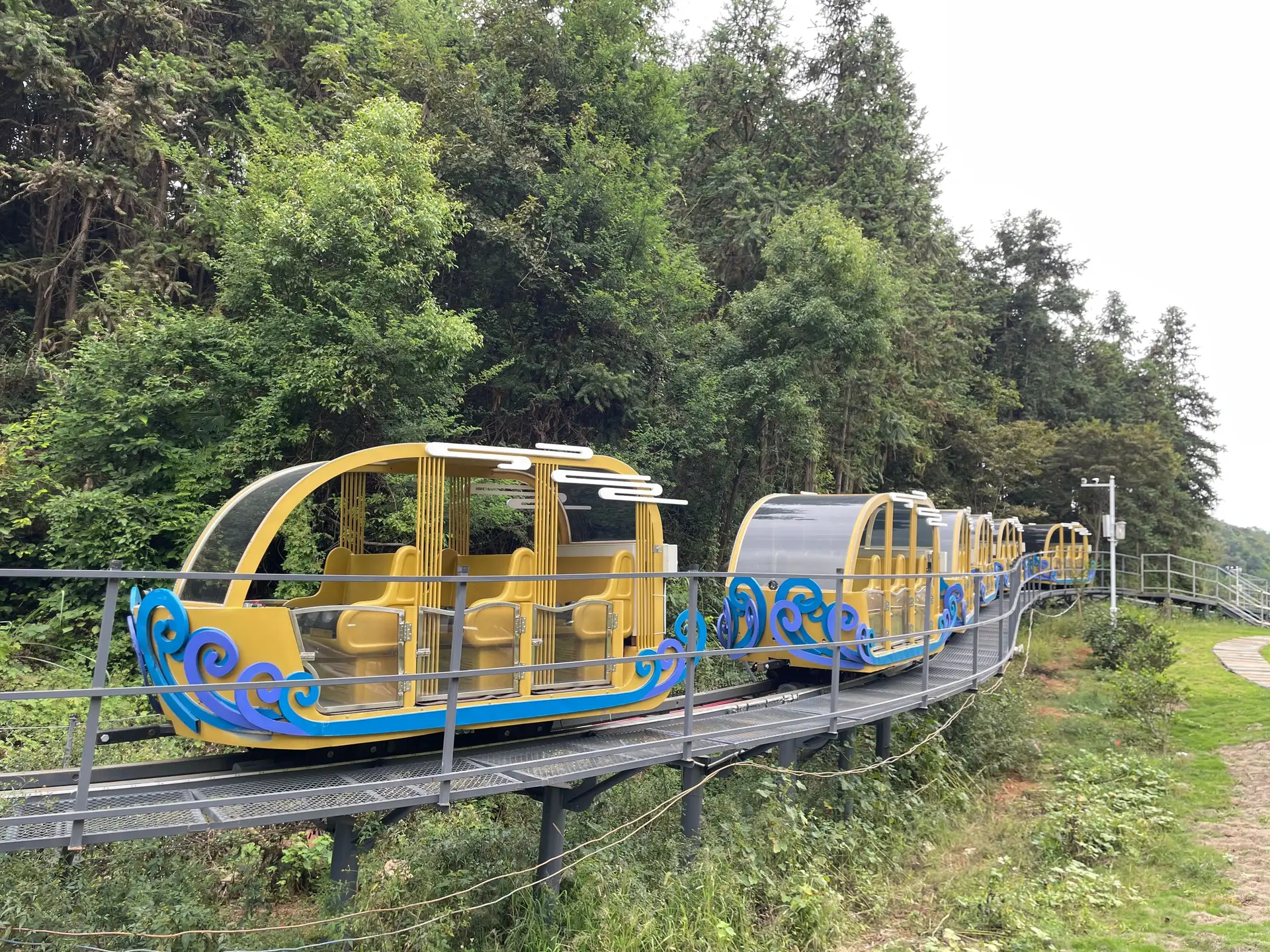
A mountain monorail is a unique mode of transportation designed specifically for navigating the challenging terrains and steep inclines of mountainous regions. It consists of a single-rail track supported by sturdy pillars or towers, upon which a train-like vehicle runs. This innovative system typically features a powered cabin that can carry passengers or cargo, smoothly gliding along the track. Its purpose is to provide efficient and safe access to remote mountain areas, enabling people to reach scenic spots, ski resorts, or other destinations that would otherwise be difficult to access. Mountain monorails offer a comfortable and enjoyable journey, allowing passengers to appreciate the breathtaking mountain landscapes from a unique perspective. They are an engineering marvel, combining functionality with aesthetic appeal, and play a vital role in facilitating tourism, recreation, and transportation in mountainous areas.
1.2 Historical Background
The concept of mountain monorails dates back to the late 19th century, when the need for effective transportation in hilly and mountainous terrains became increasingly evident. The first recorded monorail system was developed in 1888 by French engineer Charles Lartigue, although it wasn’t specifically designed for mountains. It was the 1964 New York World’s Fair that saw the debut of the first modern monorail, showcasing its potential for urban transportation. However, it wasn’t until the 1970s that mountain monorails began to emerge. The Ski Lift International Monorail in Switzerland, constructed in 1972, was a pioneering project that demonstrated the feasibility of monorails in mountainous settings. Since then, numerous mountain monorails have been built across the world, with advancements in technology improving their efficiency and safety. These early developments laid the foundation for the modern mountain monorails we see today, which continue to evolve and expand their role in mountain transportation.
二、Design and Engineering
2.1 Design Considerations
The design of a mountain monorail is a complex process that takes into account a plethora of factors. Terrain is a paramount consideration, as the monorail must navigate the rugged and uneven landscapes of mountains. The track layout needs to be carefully planned to ensure smooth operation, taking into account the slope, curves, and potential obstacles. Capacity is another crucial aspect, as it determines the number of passengers or cargo the monorail can carry. This is influenced by factors such as the expected traffic volume, peak hours, and the purpose of the monorail, whether it’s for tourism, transportation, or both. Safety is of utmost importance, given the challenging environment. Designers must consider factors like weather conditions, potential landslides, and emergency evacuation plans. The monorail must be designed to withstand strong winds, snow, and other adverse weather, ensuring the safety of passengers and personnel. All these considerations come together to create a design that is not only functional but also safe and sustainable in the mountainous environment.
2.2 Engineering Principles
Mountain monorail construction relies on several key engineering principles. Track design is fundamental, as it provides the foundation for the entire system. The track must be strong and durable, capable of supporting the weight of the vehicles and withstanding the forces of nature. It often consists of a single beam or rail, made from high-strength materials like steel, that is attached to support structures. Vehicle engineering involves designing vehicles that are efficient, reliable, and safe. These vehicles typically use electric propulsion systems, with advanced braking and control mechanisms. They must be able to navigate the steep inclines and sharp curves of the mountain tracks smoothly. The support structures, such as pillars or towers, play a critical role in ensuring the stability of the monorail. They are designed using structural engineering principles, taking into account factors like soil conditions, wind loads, and seismic activity. The engineering principles employed in mountain monorail construction ensure a robust and reliable transportation system that can withstand the challenges of the mountain environment.
三、Construction Process
3.1 Planning and Permitting
Before construction can begin on a mountain monorail, an extensive planning and permitting process is necessary. The project team conducts thorough environmental assessments to evaluate the potential impacts on the local ecosystem, wildlife, and natural resources. This involves studying factors such as soil erosion, water quality, and habitat disruption. Based on the findings, mitigation measures are developed to minimize adverse effects. Zoning requirements also play a crucial role, as the project must comply with local land use regulations. The team works with government agencies to obtain the necessary permits and approvals, which often involves public consultations and community engagement. This ensures that the project aligns with community interests and sustainable development goals. The planning and permitting process can be lengthy but is essential to ensure the responsible and sustainable construction of the mountain monorail.
3.2 Construction Phases
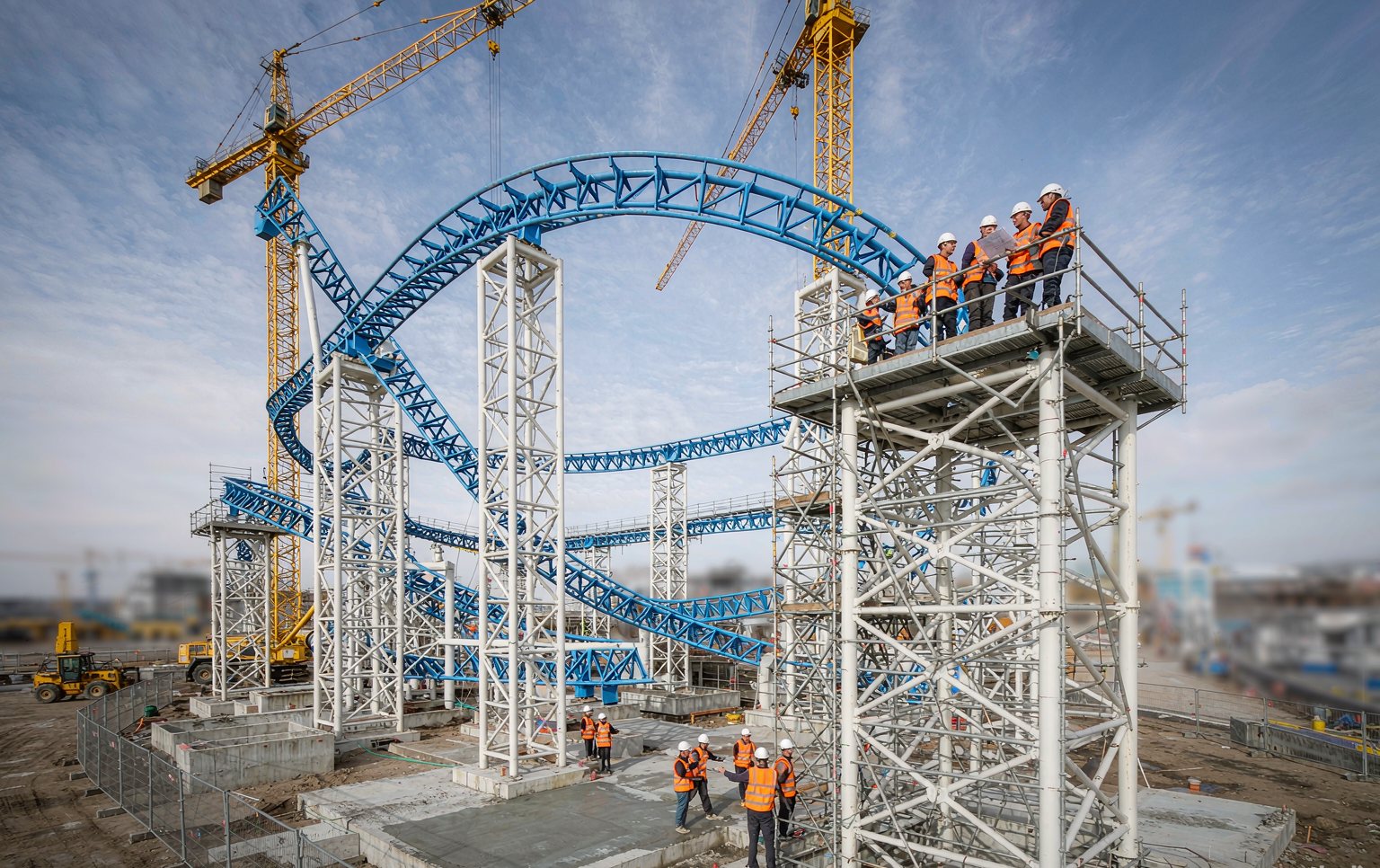
The construction of a mountain monorail involves several distinct phases. Site preparation is the first step, where the construction area is cleared, graded, and stabilized to ensure a solid foundation. This includes removing vegetation, rocks, and other obstacles, and preparing the ground for the installation of support structures. Next comes the foundation construction, where the support pillars or towers are erected. This requires precise engineering and placement to ensure the stability of the entire system. Once the foundations are in place, track installation begins. The track is assembled piece by piece, with each segment carefully aligned and secured to the support structures. The process involves using specialized equipment and techniques to ensure the track is level and smooth. Finally, vehicle assembly takes place, where the individual components of the monorail cars are put together. This includes installing the propulsion system, braking mechanisms, and passenger compartments. The vehicles are thoroughly tested before being integrated into the monorail system. Each construction phase is critical to the overall success and safety of the mountain monorail project.
四、Operation and Maintenance
4.1 Operational Aspects
Mountain monorails have well-structured operational aspects to ensure smooth functioning. Scheduling is crucial, with trains running at regular intervals to accommodate passenger flow. Timetables are designed based on demand, with increased frequency during peak tourist seasons or special events. Ticketing systems are typically modern and convenient, offering online bookings, mobile ticketing, and kiosks for easy purchases. Passenger safety protocols are stringent, starting with pre-ride safety briefings. Monorail cars are equipped with safety belts, emergency stop buttons, and communication systems. Staff are trained in first aid and emergency response, and regular safety drills are conducted. Evacuation procedures are in place, with clearly marked exit routes and emergency exits along the track. Monorails also have real-time monitoring systems to detect any potential issues, ensuring passengers can enjoy a safe and comfortable journey through the mountains.
4.2 Maintenance Requirements
To keep a mountain monorail running smoothly, stringent maintenance requirements are in place. Regular inspections are vital, covering tracks, support structures, vehicles, and electrical systems. Daily visual checks assess track alignment, structural integrity, and vehicle condition. Periodic comprehensive inspections involve detailed examinations using specialized equipment to detect hidden issues. Component replacements are necessary when parts reach their service life or show signs of wear. This includes track segments, wheels, brakes, and electrical components. A stock of spare parts is maintained to ensure timely replacements. Emergency response procedures are well-established, with trained teams on standby. In case of incidents like power outages or mechanical failures, rapid response is crucial to restore operations and ensure passenger safety. Regular maintenance and prompt emergency responses are essential to uphold the reliability and safety of mountain monorails.
五、Safety and Regulations
5.1 Safety Features
Mountain monorails boast an array of safety features to ensure passengers’ well-being. Emergency brakes are a critical component, capable of bringing the train to a swift yet controlled stop in the event of an unforeseen situation. These brakes are designed to engage automatically in response to various triggers, such as system malfunctions or operator commands. Evacuation procedures are meticulously planned, with designated exit points along the track and clearly marked escape routes. Passengers are briefed on these procedures before the journey, and staff are trained to facilitate safe evacuations. Weather monitoring systems play a pivotal role, providing real-time data on conditions like wind speed, snowfall, and temperature. This information enables operators to make informed decisions about adjusting train speeds or suspending operations when necessary, preventing potential hazards posed by adverse weather. Together, these safety features form a robust network that safeguards passengers against potential risks in the mountain environment.
5.2 Regulatory Compliance
Operating a mountain monorail entails adhering to stringent regulatory requirements. International safety standards, such as those set by the European Union and the International Organization for Standardization, provide a framework for design, construction, and operation. These standards cover aspects like track integrity, vehicle safety, and emergency systems. At the national level, countries impose their own regulations based on local conditions and safety concerns. In the United States, for instance, the Federal Railroad Administration oversees rail transportation, including monorails, ensuring compliance with safety codes and conducting regular inspections. Similarly, in China, the National Development and Reform Commission and the Ministry of Housing and Urban-Rural Development regulate urban rail transit, which includes monorails, setting standards for equipment, operation, and maintenance. Compliance with these regulations is essential to guarantee the safety of passengers and personnel, and to maintain public trust in the mountain monorail as a reliable mode of transportation.
六、Case Studies
6.1 Successful Mountain Monorail Projects
The Palm Springs Aerial Tramway is a prime example of a successful mountain monorail project. Designed to navigate the challenging terrain of the Chino Canyon in California, its construction faced significant hurdles, including steep cliffs and rugged landscapes. The track was carefully planned to avoid environmental impacts and minimize disturbance to the natural surroundings. During operation, it has dealt with fluctuating tourist traffic, adapting schedules and capacity to meet demand. The Genting Skyway in Malaysia also stands out. Built in the Titiwangsa Mountains, its construction involved overcoming complex geological conditions. To ensure safety, advanced engineering techniques were employed, such as using strong support structures to withstand strong winds. Operationally, it faces challenges like maintaining clear visibility in the often-foggy conditions, for which it has implemented real-time weather monitoring. These projects demonstrate how innovative design, careful construction, and adaptive operations can lead to successful mountain monorail systems.
6.2 Lessons Learned
From successful projects like the Palm Springs Aerial Tramway and Genting Skyway, and challenging ones that faced issues like unexpected geological complications or operational difficulties, several lessons emerge. Firstly, thorough planning and environmental assessment are crucial to identify and mitigate potential problems early on. This helps avoid costly delays and ensures sustainability. Secondly, investing in advanced engineering and technology pays off, as it enhances safety and efficiency. For example, using real-time monitoring systems can prevent issues before they occur. Thirdly, flexibility in operations is key to adapting to changing conditions, whether it’s tourist traffic or weather variations. Maintaining open communication with the community and stakeholders also helps address concerns and promote the project’s success. These lessons provide valuable insights for future mountain monorail developments, guiding designers, constructors, and operators towards more effective and sustainable projects.
七、Future Trends
7.1 Technological Advancements
The future of mountain monorails is being shaped by remarkable technological advancements. Automation is gaining significant momentum, with systems that can manage train operations, maintenance, and safety protocols autonomously. This reduces human error and enhances efficiency, enabling smoother and safer journeys. Sustainable energy solutions are also emerging as a key trend. Solar panels integrated into the support structures or tracks can harness solar power to provide electricity for the monorail, reducing reliance on fossil fuels and lowering carbon emissions. Energy recovery systems, which capture and reuse energy generated during braking, are becoming increasingly common. Advanced materials are being developed to make tracks and vehicles lighter yet stronger, improving durability and reducing maintenance costs. These technological advancements are set to transform mountain monorails into more efficient, sustainable, and reliable transportation systems.
7.2 Market Outlook
The market outlook for mountain monorails looks promising, with several potential growth areas emerging. As eco-tourism gains popularity, regions with untouched mountain landscapes are likely to invest in monorails to provide sustainable access for tourists. Ski resorts and mountain retreats are also expected to increase their reliance on monorails for transportation, enhancing visitor experiences and reducing environmental impacts. Urban areas with nearby mountains may adopt monorails for commuter services, offering a faster and more eco-friendly alternative to traditional transportation. The growing emphasis on sustainability and efficient transportation solutions is likely to drive demand for mountain monorails, making them a more prevalent feature in both recreational and urban settings.
八、Conclusion
8.1 Summary of Key Points
This article has explored mountain monorails in depth, from their historical background to future trends. It highlighted their design and engineering complexity, the rigorous construction process, essential operation and maintenance, safety regulations, and notable case studies. Mountain monorails face challenges in navigating harsh terrains and meeting regulatory requirements, but their importance lies in providing efficient, sustainable, and safe access to mountainous regions. Technological advancements and growing eco-tourism are set to drive their development further, making them a vital transportation option for recreation and urban areas.
8.2 Final Thoughts
The future of mountain monorails is bright, with potential to revolutionize tourism and transportation in mountainous regions. As technology continues to advance and sustainability becomes a greater focus, these innovative systems will likely become more prevalent. They offer a unique opportunity to connect people with stunning natural landscapes while minimizing environmental impacts, paving the way for a new era of sustainable and enjoyable travel experiences.