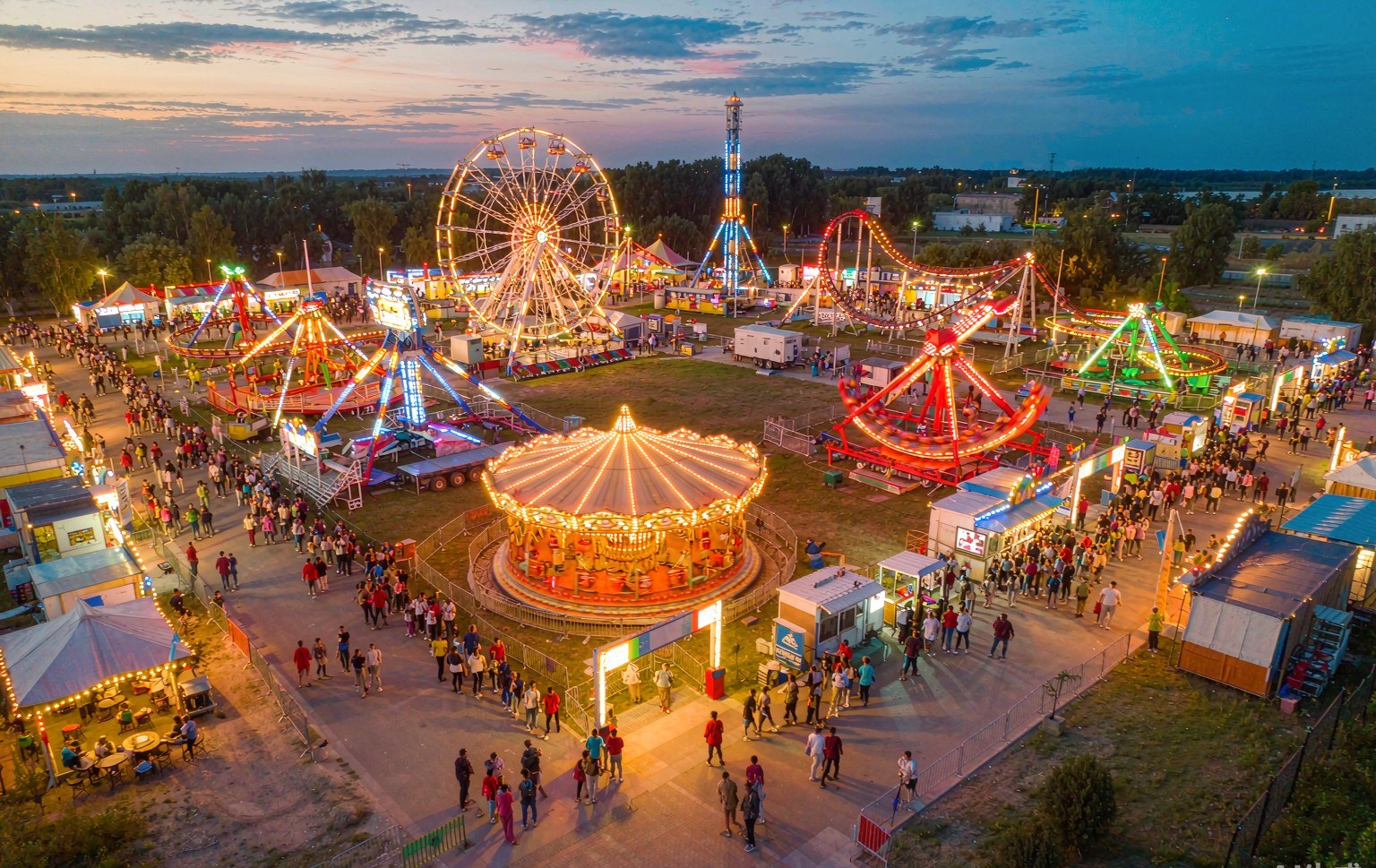
Fairground ride manufacturers play a central role in shaping the quality, safety, and profitability of amusement attractions. Whether a park is planning a permanent installation, a seasonal fair, a traveling show, or a family entertainment center, the choice of manufacturer affects far more than the initial purchase. It influences installation quality, operational reliability, maintenance costs, guest experience, and long-term service support.
A fairground ride is often one of the most visible attractions in an entertainment environment. Guests notice its design, movement, color, sound, and overall presentation. Behind that visible experience, however, is a complex system of engineering, safety controls, material quality, production discipline, and technical support. Operators should evaluate fairground ride manufacturers with the same seriousness they apply to safety inspections and financial planning.
Safety Documentation and Compliance
Safety should be the first area of evaluation. Fairground ride manufacturers should provide clear documentation showing how their rides are designed, tested, and controlled. This may include technical specifications, load calculations, restraint details, electrical diagrams, inspection checklists, and maintenance schedules.
Operators should ask whether the manufacturer follows recognized safety practices and whether the rides are designed with reliable control systems. Emergency stop functions, overload protection, speed monitoring, restraint interlocks, and evacuation procedures should all be part of the design. If a manufacturer cannot explain its safety approach clearly, this should be treated as a serious warning sign.
Documentation also supports regulatory inspection and operational record-keeping. Parks and fair operators often need to demonstrate that rides are maintained, inspected, and operated according to defined standards. A manufacturer that provides organized technical records helps operators meet these responsibilities more easily.
Build Quality and Material Standards
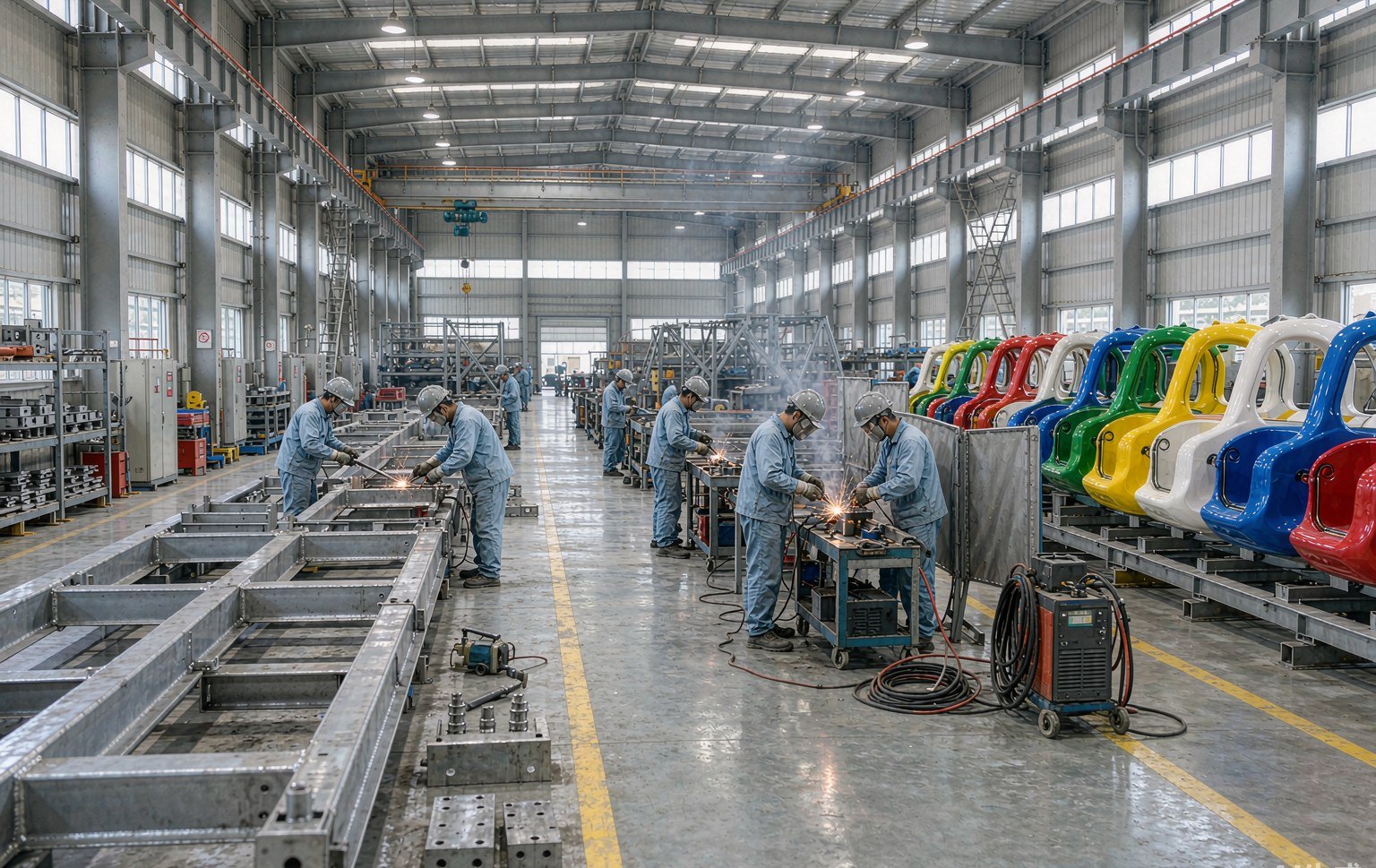
Build quality separates strong fairground ride manufacturers from weaker ones. Fairground rides are used repeatedly, transported in some cases, exposed to weather, and operated by different staff members. Materials must be durable enough to handle these demands without rapid deterioration.
Operators should ask about frame construction, metal treatment, paint systems, electrical components, welding quality, and corrosion protection. Outdoor rides need weather-resistant finishes, while indoor rides may require fire-retardant materials, low-noise motors, and compact control systems.
Finish quality also affects guest perception. Uneven paint, sharp edges, loose fittings, exposed wiring, or poorly aligned components can reduce confidence in the ride. Parents and guests notice these details quickly. A well-finished ride communicates professionalism, while a poorly finished ride can make the entire venue feel less trustworthy.
Product Range and Customization
A strong manufacturer should offer more than a fixed catalog. Fairground ride manufacturers should be able to adapt rides to different site sizes, guest demographics, themed environments, and operational needs. Customization may include color changes, themed vehicles, lighting upgrades, music systems, control adjustments, and branding elements.
For traveling operators, transportability, setup speed, and mechanical reliability may be the highest priorities. For permanent parks, theming, guest capacity, and long-term visual appeal may matter more. For family entertainment centers, compact footprint, low noise, and child-friendly design may be essential.
Customization should never compromise safety or structural integrity. Operators should confirm that any design changes are reviewed by the manufacturer’s engineering team. A reliable manufacturer will explain which modifications are possible, which are not recommended, and why certain technical limits exist.
Production Process and Quality Control
The production process reveals how seriously a manufacturer takes quality. Fairground ride manufacturers should have clear production stages, including design confirmation, material inspection, component fabrication, assembly, electrical testing, motion testing, and final inspection. Each stage should be documented.
Operators should ask whether the manufacturer performs pre-shipment inspections, load tests, and control system checks. A factory visit, video inspection, or third-party audit can provide additional confidence. If the manufacturer cannot explain its quality control process, operators should request more detail before making a commitment.
Consistency is especially important when purchasing multiple rides or ordering matching units. If one ride is well built but another shows poor finishing or weak components, it suggests inconsistent production control. Reliable fairground ride manufacturers should deliver consistent quality across different products and orders.
Installation Support and Site Planning
Installation is a critical stage. Even a well-designed ride can perform poorly if it is not installed correctly. Fairground ride manufacturers should provide clear installation instructions, foundation requirements, electrical specifications, assembly guidance, and safety zone recommendations.
Operators should confirm who is responsible for installation, what site preparations are needed, and how long the process will take. Electrical supply, floor conditions, anchoring requirements, overhead clearance, and emergency access should all be reviewed before delivery. A manufacturer that provides detailed installation support helps reduce delays and installation errors.
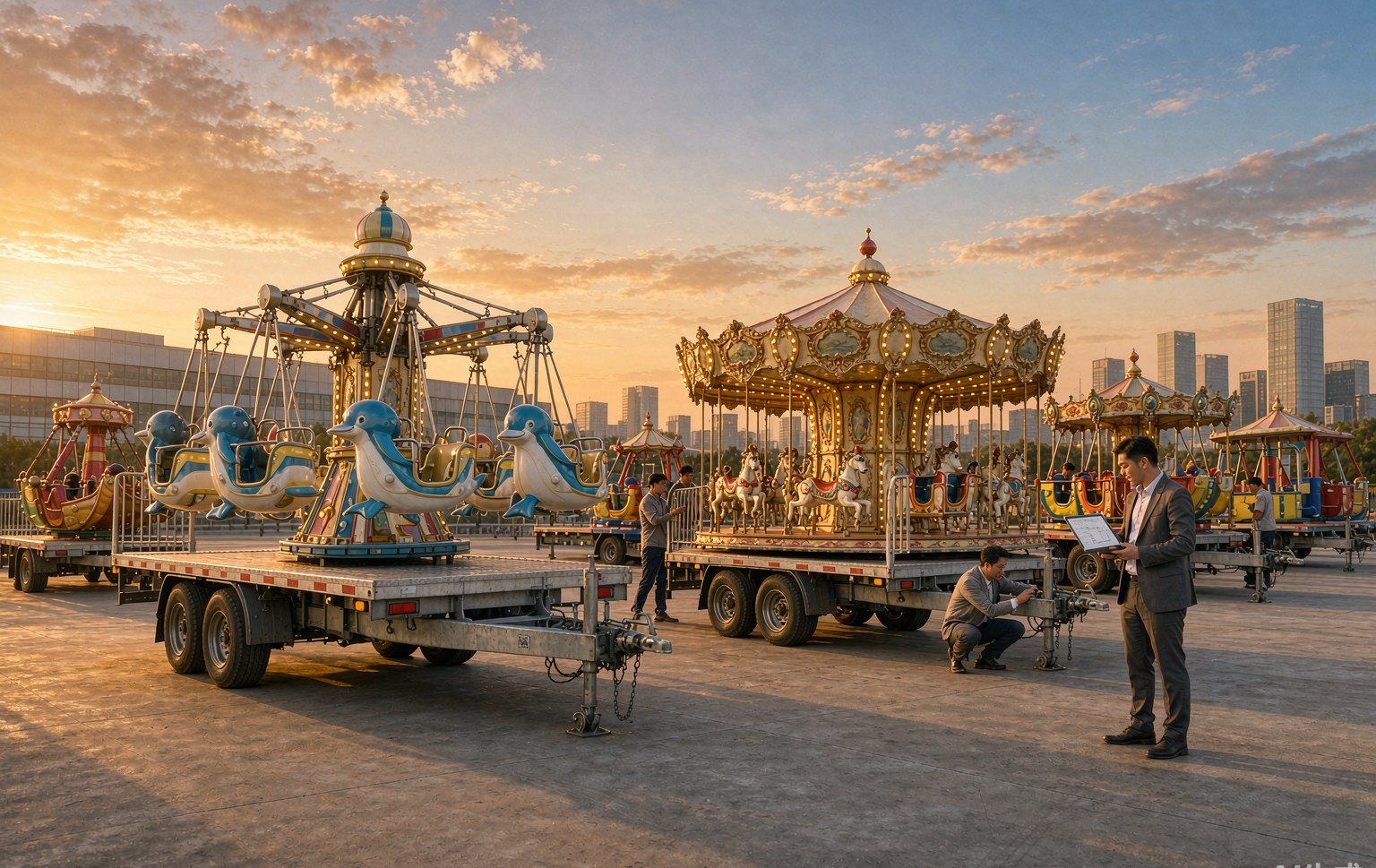
For traveling or seasonal operations, setup and teardown procedures are equally important. Rides that are difficult to assemble, transport, or inspect can increase labor costs and operational risk. Manufacturers should provide clear transport guidance, connection diagrams, and reassembly checklists.
Spare Parts and Maintenance Support
Long-term operation depends on spare parts availability. Fairground ride manufacturers should provide a spare parts list, recommended replacement intervals, and maintenance schedules. Operators should not have to search for critical components after the ride is installed.
Common spare parts may include motors, sensors, control boards, restraints, wheels, bearings, lighting units, hydraulic components, and wiring connectors. Operators should keep essential spares on site, especially for rides with high usage or limited local service options. A manufacturer that supports maintenance with clear documentation and available parts helps operators reduce downtime.
Maintenance training is also valuable. Staff should understand daily inspection points, cleaning requirements, lubrication needs, and warning signs. Some fairground ride manufacturers offer training materials, videos, or on-site training sessions. This support can improve staff confidence and help prevent small issues from becoming major problems.
Communication and Partnership Reliability
A good relationship with fairground ride manufacturers depends on clear communication. Operators should receive timely responses to technical questions, design requests, delivery updates, and service issues. Delays in communication can create installation delays, operational uncertainty, and guest experience problems.
Reliable manufacturers should provide clear contracts, delivery schedules, warranty terms, and service commitments. Operators should avoid suppliers that make vague promises or avoid written confirmation. A professional manufacturer will explain limitations honestly and offer practical solutions when problems arise.
Partnership value becomes most visible after installation. When a ride needs adjustment, spare parts, technical advice, or future expansion support, the manufacturer’s responsiveness matters. Operators should choose fairground ride manufacturers that treat the relationship as ongoing, not just transactional.
Making a Confident Selection
Choosing among fairground ride manufacturers requires careful comparison. Operators should evaluate safety documentation, build quality, customization options, production control, installation support, spare parts availability, maintenance service, and communication reliability. Price should be considered, but it should not be the only factor.
A well-chosen manufacturer can help operators create safe, attractive, and reliable fairground attractions. These rides often become central features of parks, fairs, and entertainment venues. When safety, quality, and service are combined, fairground ride manufacturers become valuable partners in building successful guest experiences.