Commercial playground equipment is designed for environments where many children use the same structures every day. Unlike residential playground equipment, which may serve one family or a small group, commercial equipment must handle heavier traffic, more varied use, stronger weather exposure, and higher expectations for safety and durability.
This makes commercial playground equipment a practical investment rather than a simple purchase. The right selection supports safe play, long-term performance, brand or community reputation, and lower disruption from repairs. The wrong selection can lead to frequent maintenance, early replacement, safety concerns, and a weaker user experience.
Where Commercial Playground Equipment Is Used
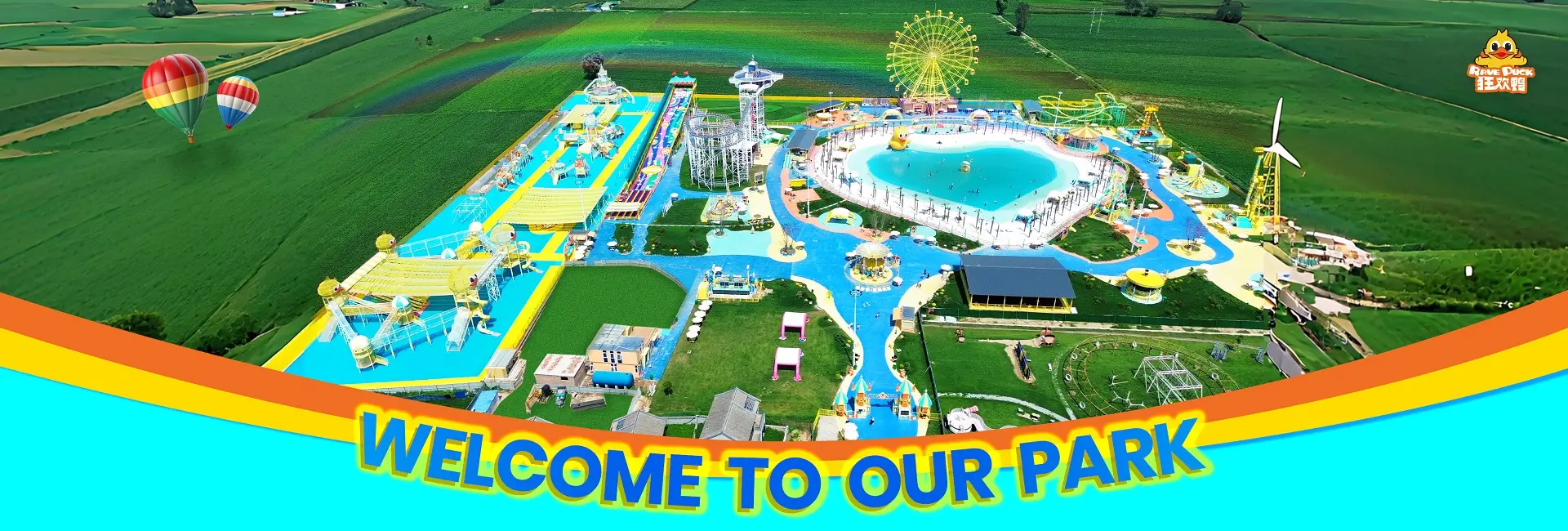
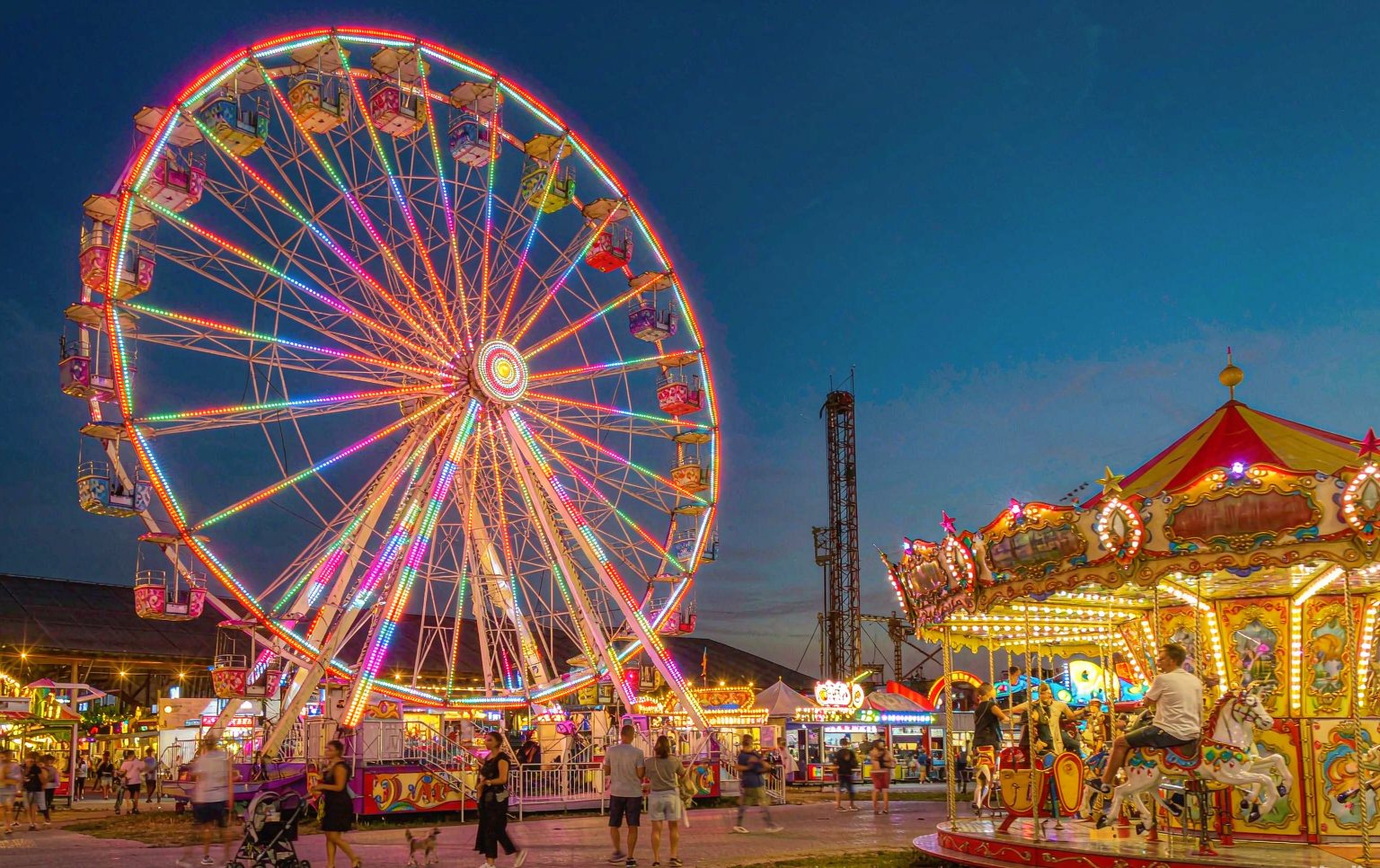
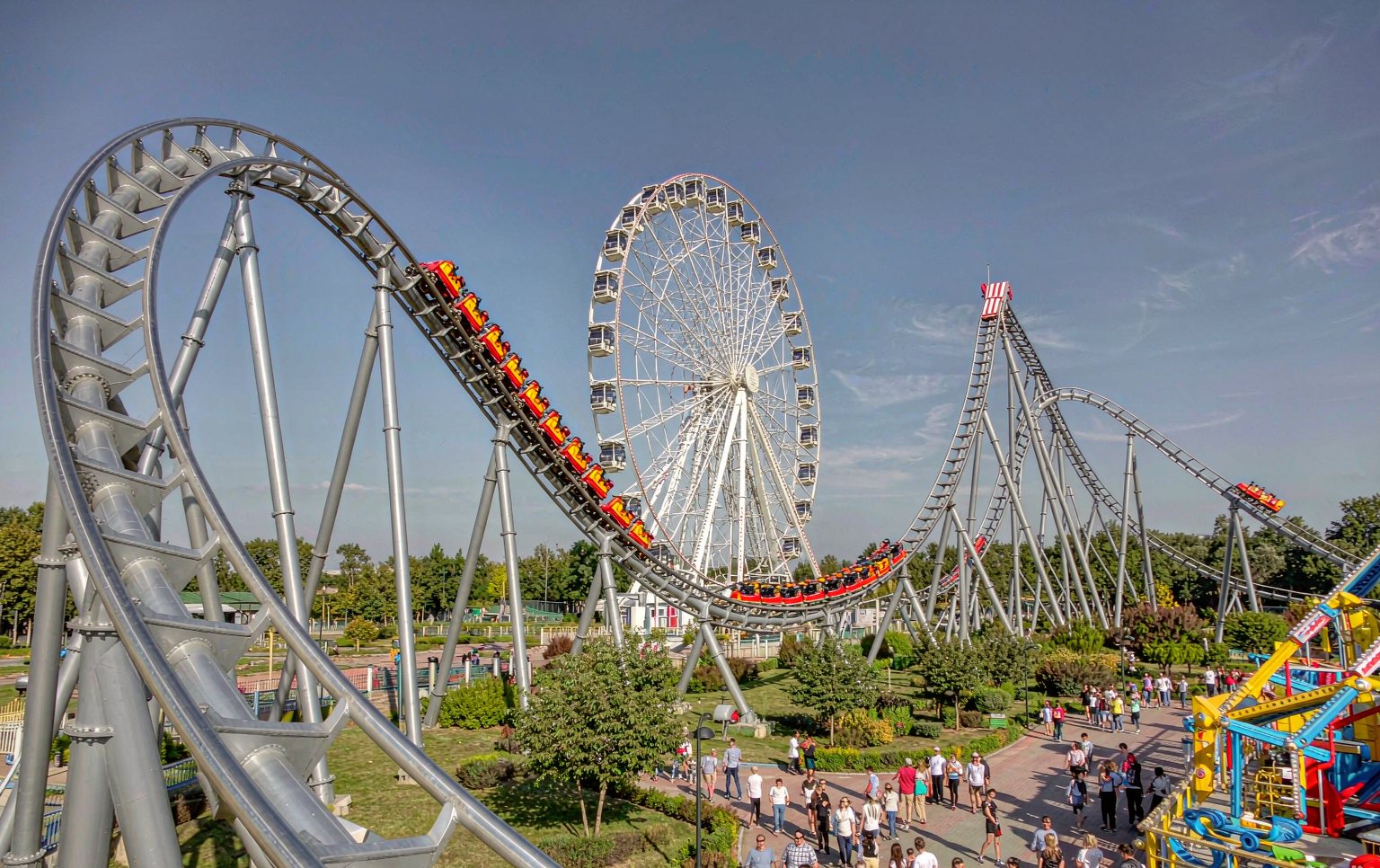
Commercial playground equipment appears in many public and semi-public environments. Common locations include municipal parks, community recreation centers, schools, childcare centers, resorts, hotels, shopping centers, restaurants, housing developments, campgrounds, and tourist attractions.
Each location has different priorities. A public park may focus on inclusive access, durability, and community appeal. A school may prioritize age-appropriate design, supervision, and curriculum-friendly play. A resort or hotel may emphasize visual impact, themed design, guest experience, and family-friendly safety. A childcare center may need equipment suited to younger children, with gentle heights, soft edges, and clear sightlines.
Understanding the environment helps avoid choosing equipment that looks suitable but does not match the actual demands of daily use.
Durability and Material Quality
Durability is one of the most important reasons to choose commercial playground equipment. High-traffic play areas place constant demands on structures, joints, fasteners, decks, rails, slides, swings, climbers, and surfacing. Materials must resist wear, weather, UV exposure, moisture, temperature changes, and repeated physical contact.
Common materials include powder-coated steel, galvanized steel, stainless steel components, aluminum, UV-stabilized plastics, treated timber, and engineered composite materials. Each material has different strengths. Steel offers strong structural support. Stainless steel resists corrosion well in demanding environments. UV-stabilized plastics help reduce fading and cracking. Treated timber can create a natural appearance but may require more maintenance.
Durability also affects appearance. Commercial playgrounds are often visible to customers, parents, staff, inspectors, and community members. Equipment that rusts, fades, cracks, or loosens quickly can make a whole site feel poorly maintained, even if other areas are well cared for.
Safety Standards and Risk Reduction
Safety is non-negotiable in commercial playground equipment. These spaces are used by children of different ages, often with limited direct supervision. Equipment must therefore be designed, installed, and maintained to reduce foreseeable hazards while still allowing active play.
Important safety considerations include fall heights, entrapment risks, sharp edges, pinch points, protruding bolts, structural stability, clear sightlines, safe spacing between equipment, and appropriate surfacing. Swings should have adequate clearance. Climbing frames should have safe heights and controlled access. Slides should have safe entry, descent, and exit points. Multi-level structures should include guardrails, handrails, and secure platforms where required.
Commercial playground equipment should be selected with reference to applicable safety standards and manufacturer guidance. Local regulations may also affect design, installation, inspection, and maintenance requirements. A strong project plan treats safety as part of the specification, not as an afterthought.
Age-Appropriate Design
Commercial playground equipment should match the expected age range of users. A space designed for toddlers should not include tall platforms, complex climbing challenges, or equipment that requires advanced balance. A space designed for older children should offer enough activity to remain engaging without becoming unsafe for younger visitors nearby.
Age zoning helps create safer and more enjoyable environments. Toddler zones may include low platforms, gentle ramps, small slides, spring riders, sensory panels, and stable climbers. Older children’s zones may include taller structures, rope bridges, monkey bars, swings, spinning equipment, and more complex climbing routes.
When a commercial playground serves mixed age groups, the layout should separate active zones from quieter or younger-child zones. Clear sightlines, safe pathways, and visible supervision points help caregivers and staff manage the space more effectively.
Accessibility and Inclusive Play
Commercial playgrounds often serve diverse communities, so accessibility and inclusion are important. Accessibility means more than wheelchair access to the site boundary. It includes smooth pathways, gentle gradients, wide circulation routes, accessible seating, inclusive play equipment, clear signage, and safe connections between different play zones.
Inclusive commercial playground equipment may include wheelchair-accessible roundabouts, transfer-friendly platforms, sensory panels, musical instruments, gentle rocking elements, ground-level play features, and ramps that connect different parts of a structure. These features help children with different mobility, sensory, and developmental needs participate more fully.
Inclusion also supports commercial and community value. A playground that welcomes more families becomes more attractive to visitors, parents, schools, and community groups. It also shows that the operator has considered real-world diversity rather than designing only for the most able-bodied users.
Theming, Branding, and Visual Identity
Commercial playground equipment often plays a visible role in the identity of a site. Resorts, hotels, restaurants, shopping centers, and destination parks may use themed playgrounds to create a stronger guest experience. A jungle theme, pirate theme, ocean theme, space theme, or nature-inspired design can make a play area feel memorable rather than generic.
Theming should support safety and maintenance. Decorative elements should not create hidden corners, trip hazards, difficult cleaning areas, or unsafe structures. The best themed playgrounds feel imaginative while remaining open, readable, and easy to maintain.
For branded environments, playground equipment can also support visual identity. Colors, shapes, materials, and layout can align with the wider site design. This helps the play area feel integrated rather than added on, which improves the overall guest experience.
Installation Quality and Site Planning
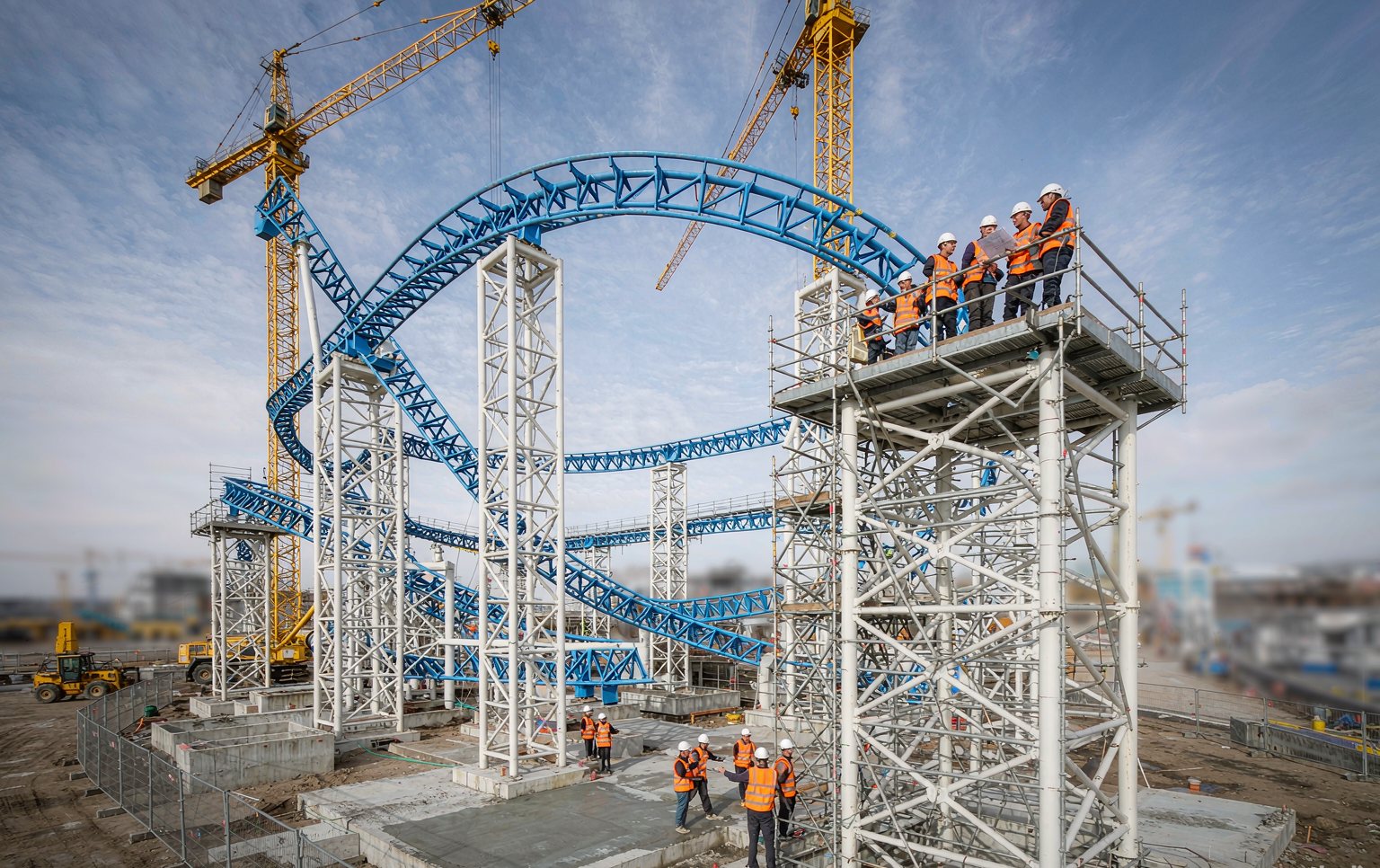
Commercial playground equipment depends on professional installation. High-traffic environments place greater demands on foundations, fixings, drainage, surfacing, and structural connections. Installation should follow manufacturer guidance, applicable safety standards, and site-specific conditions.
Site planning should consider soil stability, drainage, underground services, tree roots, slope, sunlight, wind exposure, pedestrian routes, emergency access, and supervision sightlines. Equipment should be anchored securely. Surfacing should be installed to the correct depth. Pathways should connect naturally to entrances, exits, seating areas, restrooms, and other facilities.
Poor installation can create hidden problems. Uneven surfacing may cause trips. Poor drainage may create puddles or mud. Inadequate anchoring may affect stability. Weak connections between pathways and play zones may make the playground feel fragmented. These issues are easier to prevent during planning than to repair after opening.
Maintenance and Lifecycle Planning
Maintenance is especially important for commercial playground equipment because usage levels are typically higher. Public equipment faces weather, heavy use, vandalism, litter, and natural wear. A strong maintenance plan should include regular inspections, cleaning, tightening of fixings, surfacing checks, lubrication where needed, and prompt repair of damaged parts.
Inspection records are essential. They help operators track wear, identify recurring problems, and plan replacements before equipment becomes unsafe. Visual inspections can be frequent, while more detailed technical inspections may be scheduled less often. Any damaged or unsafe equipment should be taken out of use immediately until it is repaired.
Lifecycle planning is also important. Commercial playground equipment should not be viewed only by its purchase price. Installation, maintenance, repairs, surfacing replacement, warranty support, and eventual replacement costs all affect the true cost of ownership. Equipment that lasts longer and requires less disruption often provides better value than lower-cost alternatives that degrade quickly.
Choosing Commercial Playground Equipment with Confidence
The best commercial playground equipment balances safety, durability, inclusion, visual appeal, and long-term maintainability. It should match the expected users, the site environment, the supervision model, and the operational standards of the facility.
When playground equipment is planned as part of a complete environment, it becomes more than a set of structures. It becomes a safe place for children to play, a comfortable space for families to gather, and a reliable asset for the organization responsible for it. Strong planning, quality installation, and consistent maintenance turn commercial playground equipment into a lasting part of a successful public or commercial space.