
Planning a fair, festival, school fundraiser, church carnival, or community celebration often comes down to one big question: which attractions will create the most excitement while still feeling safe, organized, and worth the investment? For many event organizers, the answer starts with researching carnival rides companies. These businesses supply, transport, install, operate, and sometimes maintain the rides and attractions that turn an open field, parking lot, or fairground into a lively destination.
Choosing the right carnival rides companies is not just about picking the most colorful rides or the biggest roller coaster. It is about finding a partner that understands safety, scheduling, insurance, crowd flow, guest experience, and the practical details that make an event run smoothly. This post explores what carnival rides companies do, what to look for when comparing them, and how to plan a successful event around their services.
What Carnival Rides Companies Actually Do
At first glance, carnival rides companies may seem like businesses that simply deliver rides and set them up. In reality, their role is usually much broader. A reliable provider helps an event organizer turn a concept into a working attraction area.
Most carnival rides companies handle several important tasks:
- Supplying rides such as carousels, Ferris wheels, bumper cars, swing rides, kiddie rides, spinning attractions, and thrill rides
- Transporting equipment to the event site
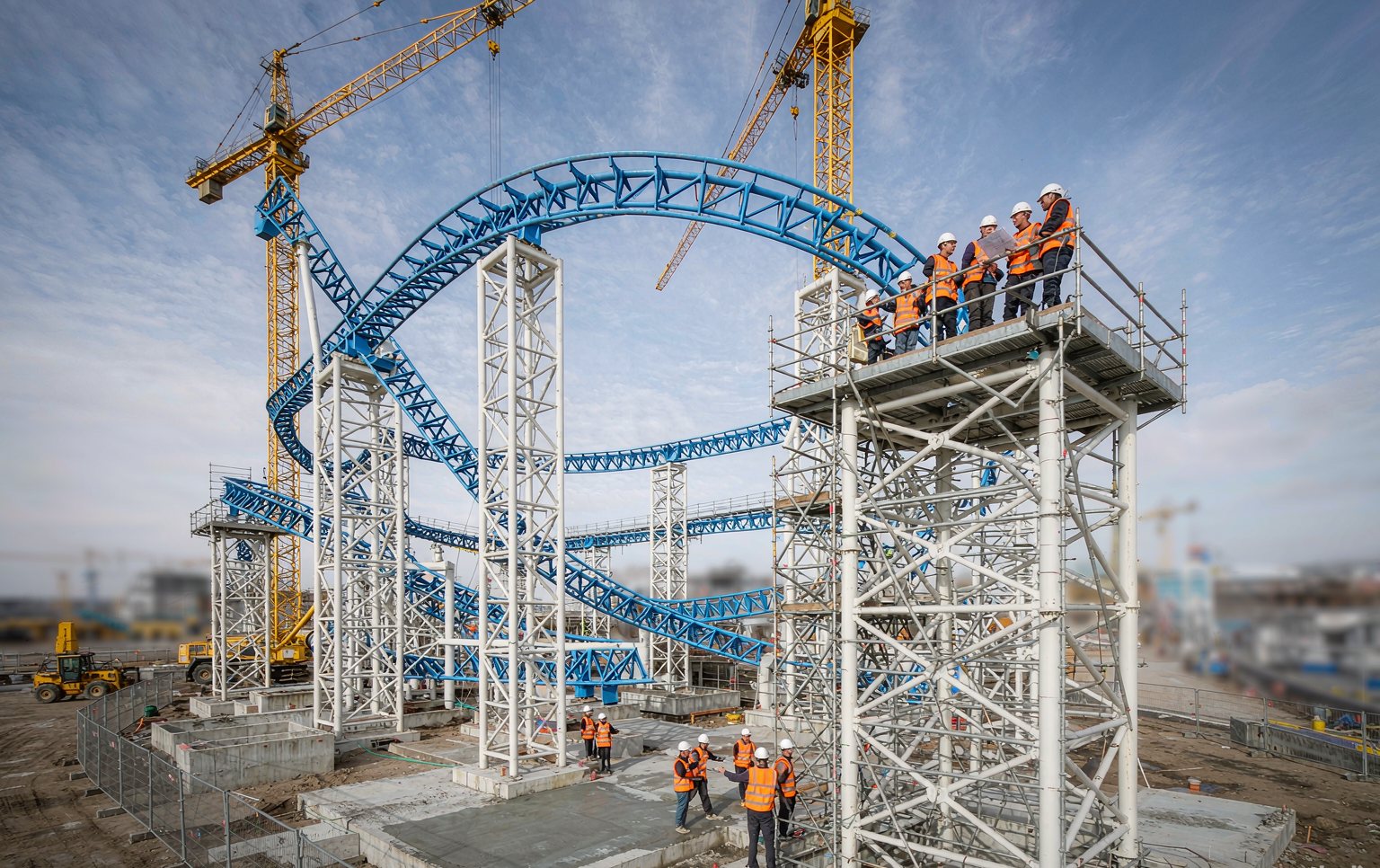
- Installing and inspecting rides before opening
- Providing trained ride operators
- Managing daily operation during the event
- Handling breakdowns, maintenance, and safety checks
- Removing equipment after the event ends
Some carnival rides companies also offer additional attractions such as inflatable games, arcade-style games, food booths, ticketing systems, generators, lighting, and themed décor. The more services a company can coordinate, the less pressure there is on the event organizer to manage multiple vendors.
Why the Right Partner Matters More Than the Rides Alone
It is easy to focus only on which rides look the most exciting. However, the success of a ride area depends on more than appearance. A great ride can still create problems if it is placed in the wrong location, operated without clear rules, scheduled poorly, or supported by a company that is difficult to reach.
The best carnival rides companies act as partners, not just suppliers. They should help you think through guest flow, age groups, wait times, power needs, space requirements, weather concerns, and safety procedures. A strong partner will ask questions about your audience, venue, expected attendance, and event goals instead of simply sending a catalog and a price list.
This is especially important for first-time organizers. If you have never managed a ride area before, the right carnival rides companies can help you avoid common mistakes such as underestimating space, booking the wrong mix of rides, or failing to plan for setup and breakdown time.
Types of Rides and Attractions to Consider
Different events need different ride mixes. A family-friendly church carnival will have very different needs than a large county fair, a school fundraiser, a corporate festival, or a community holiday event. When evaluating carnival rides companies, it helps to understand the general categories of rides they may offer.
Kiddie and Family Rides
Kiddie rides are often essential for events with young children. These may include small carousels, mini trains, gentle spinning rides, boat rides, and animal-themed attractions. They usually have lower height requirements and create a welcoming atmosphere for families.
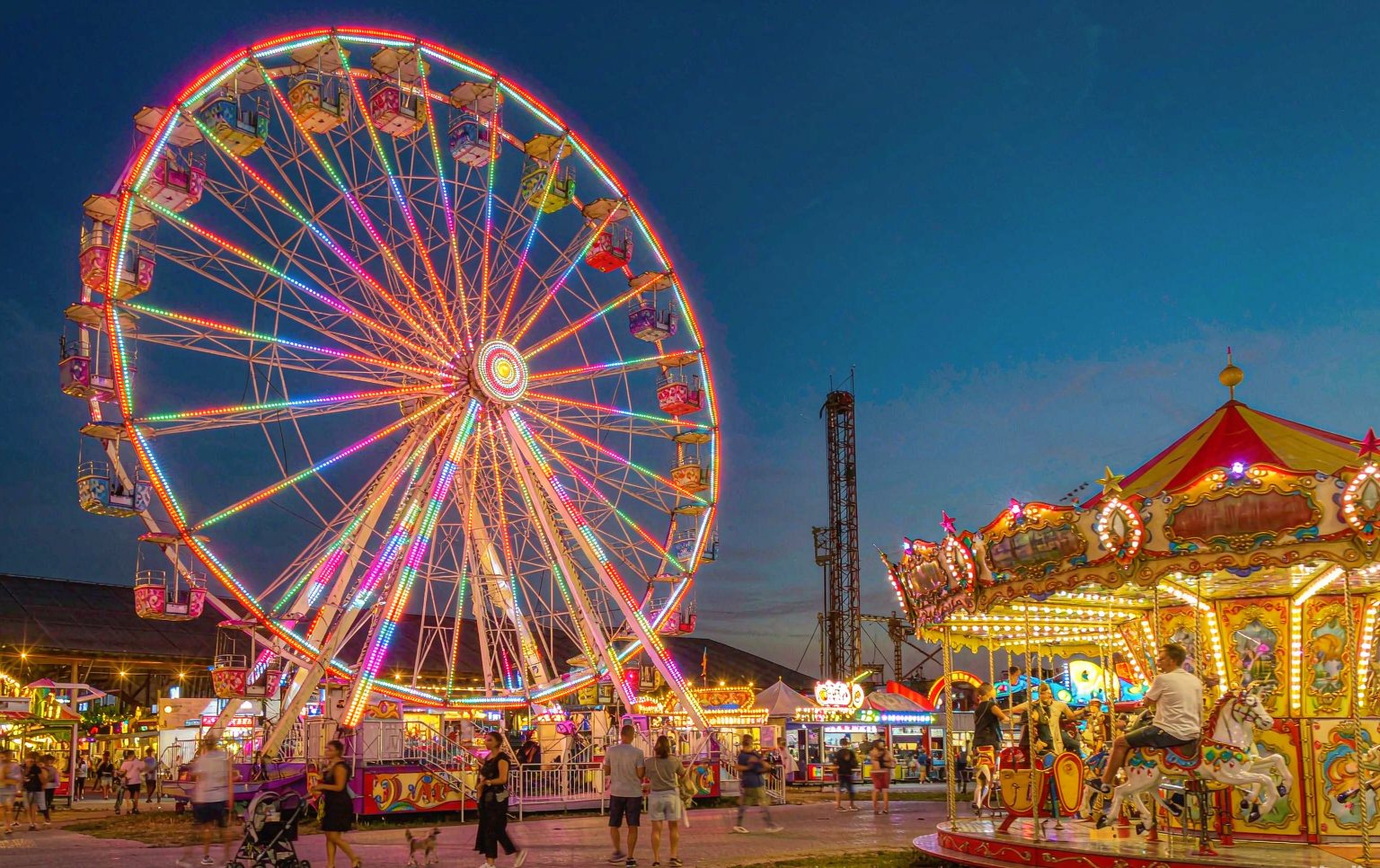
Family rides work well for mixed-age groups. They are typically more engaging than kiddie rides but less intense than thrill attractions. Examples include bumper cars, Ferris wheels, mild spinning rides, and scenic rides.
Thrill and Midway Rides
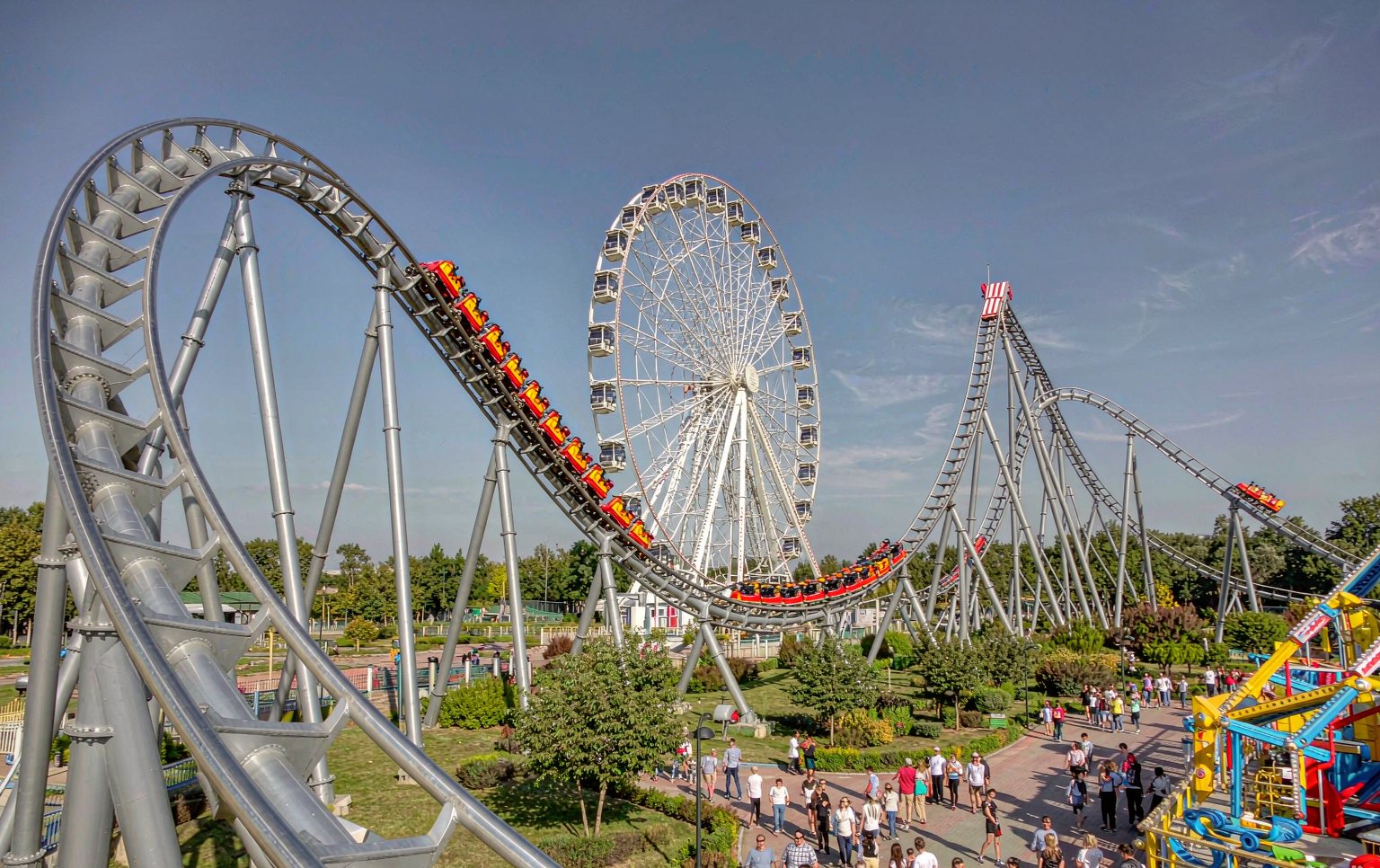
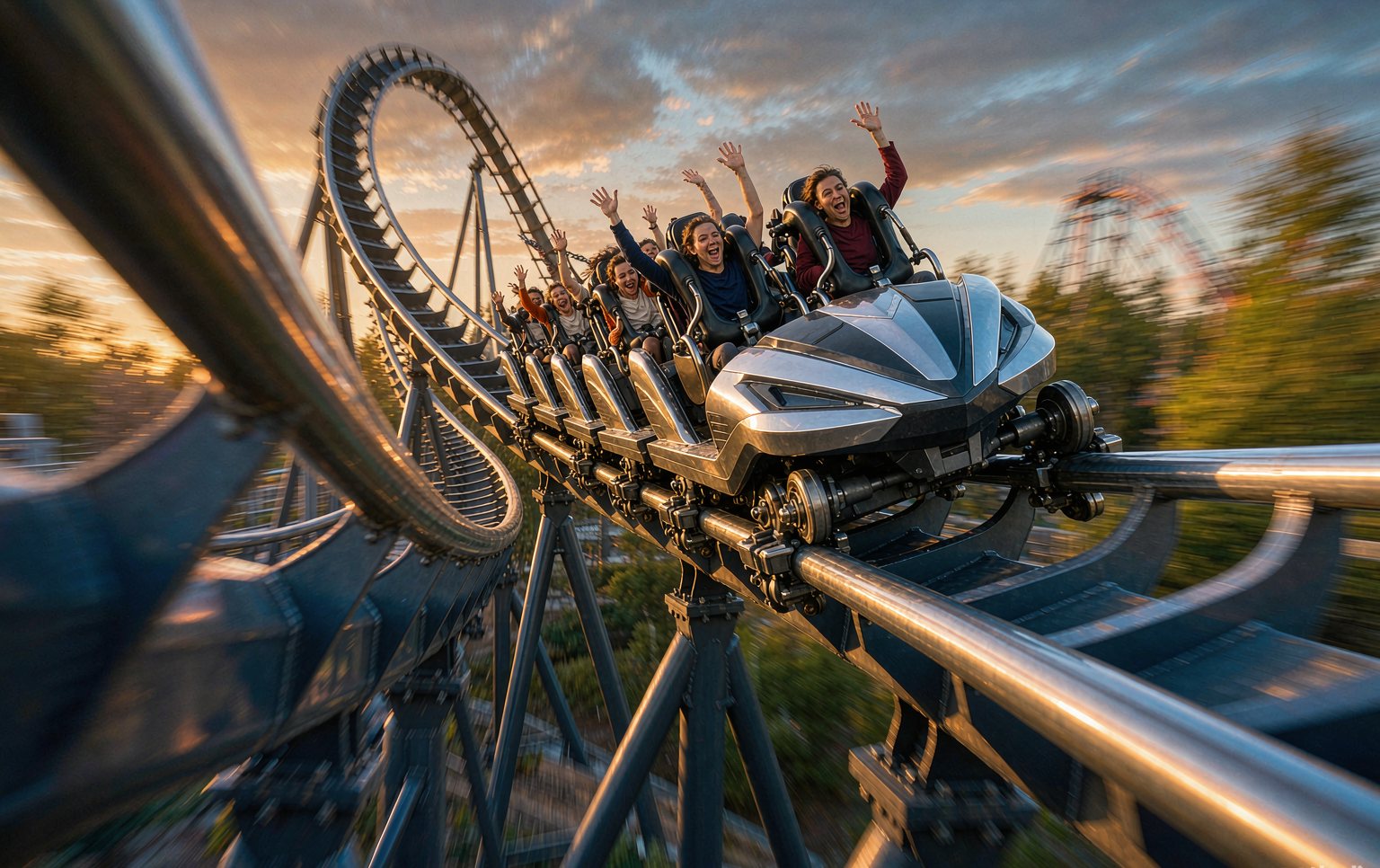
For older children, teenagers, and adults, thrill rides often become the main attraction. These may include larger spinning rides, drop-style attractions, roller coasters, or high-energy midway rides. Thrill rides can create excitement and social media moments, but they also require stricter safety checks, clearer height rules, and experienced operators.
Games, Inflatables, and Side Attractions
Not every attraction needs to be a mechanical ride. Many carnival rides companies also provide inflatable obstacle courses, bounce houses, game booths, climbing walls, dunk tanks, or arcade-style games. These options can balance the ride area, give guests something to do during busy periods, and make the event feel more complete.
Safety Should Be the First Thing You Check
Safety is the most important factor when working with carnival rides companies. Rides involve moving parts, electrical systems, guest loading, height restrictions, weather exposure, and constant supervision. A provider’s safety practices should be clear, documented, and easy to verify.
When reviewing potential carnival rides companies, ask about:
- Inspection routines before and during the event
- Operator training and experience
- Height and safety restrictions for each ride
- Emergency procedures and staff communication
- Maintenance records and equipment condition
- On-site supervision during operating hours
- Weather policies for wind, rain, or extreme heat
A trustworthy company will welcome these questions. If a provider seems vague about safety, avoids documentation, or pressures you to skip important details, that is a warning sign. Safety is not something to assume based on a glossy brochure or a low price.
Insurance, Licensing, and Documentation
Insurance and licensing are closely connected to safety. Any serious carnival rides companies should be able to provide proof of insurance and confirm that their equipment and operations meet local requirements.
Before signing a contract, ask for:
- General liability insurance documentation
- Worker coverage for operators and crew
- Equipment inspection records
- Required permits or licenses for your area
- Proof that operators are trained and authorized
- A written contract covering responsibilities, timelines, and cancellation terms
Event organizers should also check whether the venue, local authority, or permitting office has specific requirements. Some locations require advance approval, site inspections, or additional documentation before rides can operate. Confirming these details early prevents last-minute problems.
Experience With Similar Events
Not every carnival rides companies has the same level of experience with every type of event. A company that regularly works with large fairs may not be the best fit for a small school fundraiser. A provider that focuses on children’s events may not have the thrill rides needed for a teen-focused festival.
When comparing providers, look for experience that matches your event type. Ask:
- Have they worked with events of similar size?
- Have they operated at venues like yours?
- Can they provide references from past clients?
- Do they understand your audience’s age range?
- Have they handled events with similar attendance expectations?
References are especially valuable. Speaking with a past client can reveal details that a sales proposal might not, such as punctuality, communication, problem-solving, and how the company handled unexpected issues.
Reputation, Reviews, and Red Flags
Online reviews, testimonials, and word-of-mouth recommendations can help you narrow down carnival rides companies. However, reviews should be read carefully rather than taken at face value. Look for patterns instead of focusing only on one positive or negative comment.
Strong signs of reliability include:
- Consistent praise for safety and professionalism
- Clear communication before and during events
- On-time setup and breakdown
- Clean, well-maintained equipment
- Responsive customer service
- Willingness to provide references and documentation
Red flags include:
- No verifiable insurance or inspection information
- Unusually low prices with unclear details
- Pressure to pay large deposits without a contract
- Poor communication or delayed responses
- Vague answers about safety or staffing
- Negative patterns in reviews about cancellations, delays, or unsafe conditions
A reasonable price is important, but the cheapest option is not always the best value. With rides and attractions, low cost can sometimes mean fewer safety checks, less experienced staff, older equipment, or weaker customer support.
How to Match Rides to Your Event Audience
The best ride selection depends on who will attend. A thoughtful mix usually works better than choosing only the biggest or flashiest attractions.
For family and community events, include a balance of kiddie rides, family rides, games, and a few visually striking attractions. This helps younger children, parents, and older guests all find something enjoyable.
For school fundraisers or youth events, consider rides and attractions that appeal to children and teenagers. Inflatables, game booths, and moderate thrill rides often work well because they encourage participation and repeat play.
For large fairs or festivals, a broader mix may make sense. A combination of family rides, thrill rides, games, food areas, and photo-friendly attractions can create a more complete midway experience.
For corporate or branded events, the focus may shift toward guest experience, theming, photo opportunities, and smooth operations. In these cases, carnival rides companies that offer clean presentation, professional staff, and flexible setup options are often a better fit.
Space, Layout, and Site Planning
Before booking any rides, you need a realistic understanding of your venue. Carnival rides companies will usually need information about available space, ground conditions, access routes, power supply, parking, and crowd flow.
Important site considerations include:
- Enough space for each ride and its safety zone
- Clear entry and exit points for guests
- Separate areas for queues, games, food, and rest
- Safe vehicle access for delivery and setup
- Space for generators, storage, and staff areas
- Room for breakdown and loading after the event
A common mistake is measuring only the ride itself without considering surrounding space. Guests need room to wait, walk, gather, and move away safely. Operators need space to work, and delivery crews need room to unload equipment.
If possible, share a site map or photos with carnival rides companies before signing a contract. This helps them recommend the right ride sizes, quantities, and layout instead of making assumptions based on limited information.
Budgeting for Carnival Rides the Right Way
Budgeting for rides involves more than the rental price. When comparing carnival rides companies, ask what is included in each quote. A lower price may look attractive, but it may not include setup, operation, insurance, transportation, staffing, or breakdown.
Typical cost factors include:
- Number and type of rides
- Rental duration
- Delivery distance
- Setup and teardown time
- Operator staffing
- Insurance and permits
- Power or generator needs
- Maintenance and supervision
- Weather-related changes
- Additional attractions such as games or inflatables
To avoid surprises, request a written breakdown. The quote should clearly show what you are paying for, what is excluded, and what could trigger additional charges. If two carnival rides companies give very different prices, compare the details carefully before deciding.
It is also smart to set aside a small contingency budget. Events rarely go exactly as planned. Weather changes, attendance shifts, last-minute guest requests, or minor technical issues can all create unexpected costs.
Questions to Ask Before Signing a Contract
A clear contract protects both the event organizer and the ride provider. Before signing, make sure you understand each company’s responsibilities.
Useful questions include:
- What rides are included in the package?
- Who handles delivery, setup, and teardown?
- How many operators will be on site?
- What are the setup and breakdown time requirements?
- What happens if a ride needs maintenance during the event?
- What is the cancellation or rescheduling policy?
- What insurance documentation can be provided?
- Are permits the responsibility of the organizer or the provider?
- What power, water, or site access is required?
- What weather conditions could affect operation?
Getting these answers in writing helps prevent misunderstandings. If a company is unwilling to provide clear contract terms, that is a reason to proceed carefully.
Planning the Event Day Experience
On the day of the event, the ride area should feel organized, safe, and welcoming. Good planning makes a big difference.
Start by creating a simple flow for guests. Families should be able to find kiddie rides easily, while older guests can locate thrill rides or games without crowding the children’s area. Clear signage, staff directions, and visible queue lines help reduce confusion.
Set realistic operating expectations. Some rides will naturally have longer waits, especially during peak hours. If possible, spread popular attractions across the site instead of grouping them in one crowded area.
Communication is also important. Make sure event staff know where ride operators are located, how to report issues, and who to contact if a ride needs to pause. A simple radio plan or contact list can help staff respond quickly.
Weather, Delays, and Contingency Planning
Outdoor events are always affected by weather. Wind, rain, heat, lightning, or extreme cold can change how rides operate. Responsible carnival rides companies should have clear weather policies and be willing to pause or close rides when conditions are unsafe.
Before the event, confirm:
- Which weather conditions may stop ride operations
- Who makes the final safety decision
- How guests will be informed
- Whether the schedule can be adjusted
- What happens if rides cannot operate for part of the day
- Whether refunds, credits, or replacements are available
Having a backup plan reduces stress. If rain is possible, consider adding covered games, indoor activities, shaded seating, or non-ride entertainment. If heat is expected, plan for water stations, shaded areas, and shorter queue experiences where possible.
Creating a Balanced Ride Mix
A successful ride area usually includes variety. If every attraction is a thrill ride, younger children may feel left out. If every attraction is a small kiddie ride, teenagers and adults may lose interest. The goal is to create a mix that keeps different guests engaged throughout the event.
A balanced lineup might include:
- A few kiddie rides for young children
- Family-friendly attractions for mixed ages
- One or two headline rides for excitement
- Games or inflatables for quick participation
- Photo-friendly areas for social sharing
- Food and rest zones near the ride area
This balance helps manage crowd flow and keeps the event feeling active without becoming overwhelming. It also gives guests natural breaks between rides, which improves comfort and safety.
Working Well With Carnival Rides Companies on Event Day
Once the event begins, good communication becomes essential. The relationship between event staff and ride operators should be cooperative, not rushed or confrontational.
Before opening, walk through the ride area with the provider’s team. Confirm operating times, break schedules, safety boundaries, guest rules, and emergency contacts. Make sure staff understand where guests should line up, where they should exit, and how height checks will be handled.
During the event, assign one or two staff members to stay in contact with the ride operators. This person can help with guest questions, crowd control, or unexpected issues. A single point of contact makes problem-solving faster and keeps the experience smoother for everyone.
Common Mistakes Event Organizers Should Avoid
Even experienced organizers can make avoidable mistakes when booking rides. Being aware of these issues can save time, money, and stress.
Avoid waiting too long to book. Popular carnival rides companies may have limited availability during peak seasons, especially around holidays, school breaks, and fair periods.
Avoid choosing rides based only on appearance. A ride may look impressive in photos but may not suit your space, audience, power supply, or budget.
Avoid skipping insurance and safety checks. This is one of the most important steps when working with carnival rides companies.
Avoid underestimating setup and breakdown time. Rides need space, power, inspection, and testing before guests arrive.
Avoid poor communication. Confirm details in writing, share site information early, and keep one clear contact person for the provider.
Avoid ignoring weather plans. A last-minute decision about rain or wind is much harder than a plan created weeks in advance.
Final Thoughts
Carnival rides companies play a central role in turning ordinary events into memorable experiences. The right provider brings more than rides. They bring planning support, safety practices, trained operators, equipment logistics, and on-site reliability.
When choosing carnival rides companies, focus on safety records, insurance, experience, reputation, contract clarity, and the ability to match rides to your audience. A well-planned ride area should feel exciting but organized, fun but controlled, and memorable because everything ran smoothly behind the scenes.
The best events are not built around a single impressive ride. They are built around thoughtful planning, clear communication, and a provider that treats safety and guest experience as seriously as the organizer does. Start your search early, ask detailed questions, compare written quotes, and choose a partner you can trust before the first guest arrives.