
Most park guests never think about who built their favorite ride. They notice the height, speed, color, music, and excitement. Behind those visible details, however, is a long process of design, engineering, fabrication, testing, and support. Carnival ride manufacturers are responsible for turning creative ideas into safe, reliable, and entertaining attractions.
The work of carnival ride manufacturers goes far beyond assembling metal and motors. A successful ride must meet safety expectations, fit the space available, operate efficiently, appeal to guests, and remain maintainable over many years. Manufacturers must also understand that different buyers have different needs. A traveling show operator may want equipment that can be moved quickly. A permanent park may want a custom-designed attraction. A family entertainment center may want a compact ride with high throughput.
This variety is what makes the manufacturing side of the amusement industry so important. Without skilled carnival ride manufacturers, parks and event operators would not have the attractions that bring guests through the gates.
From Concept to Engineering
Every ride begins with an idea. That idea may come from a park operator, a designer, a market trend, or a manufacturer’s own product development team. The concept may focus on a new motion type, a family-friendly experience, a high-thrill attraction, or a compact ride for smaller venues.
Once the concept is defined, carnival ride manufacturers move into engineering. This stage includes layout design, structural planning, mechanical systems, electrical systems, control logic, restraint design, and safety analysis. The goal is not only to create something exciting but also to ensure that every movement, load, and operating condition has been considered.
Engineering drawings are especially important. They translate the concept into measurable plans. Structural engineers examine how forces will move through the ride. Mechanical engineers design moving parts, drive systems, and connections. Electrical engineers plan power distribution, sensors, and control systems. Safety engineers review clearances, emergency procedures, and operational limits.
Materials, Fabrication, and Quality Control
Carnival ride manufacturers work with materials that must perform reliably under repeated use. Steel, aluminum, fiberglass, reinforced plastics, mechanical fasteners, welding joints, electrical components, and finishing coatings all play a role in the final product.
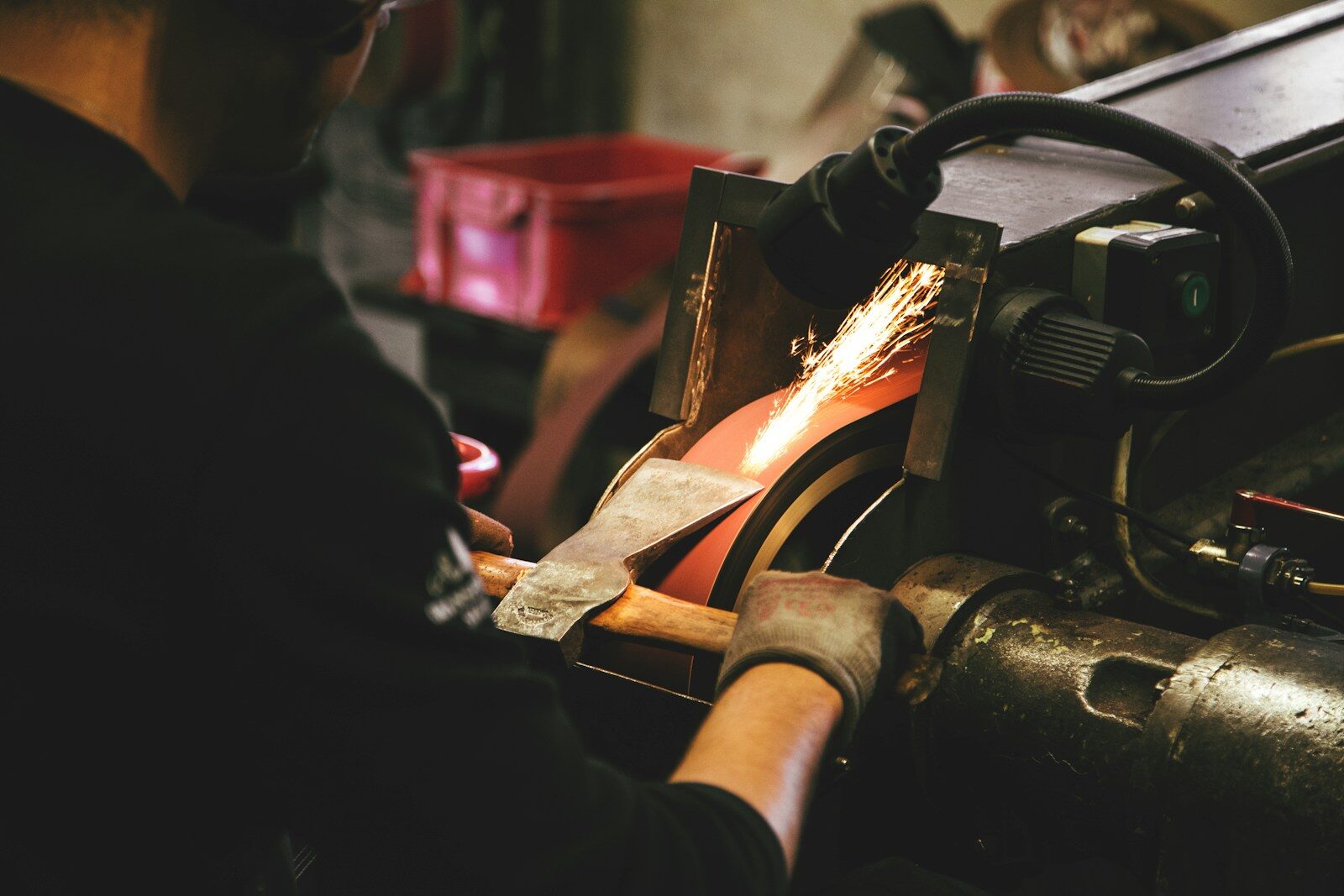
Fabrication requires precision. A ride may look simple from a distance, but its components must fit together accurately. Track sections, support beams, gondolas, rotating arms, restraint bars, and control panels must all meet strict dimensional standards. Small errors can affect ride smoothness, safety, maintenance access, or long-term durability.
Quality control is not a single final inspection. It is part of the entire manufacturing process. Materials are checked before fabrication. Welds, connections, and mechanical assemblies are inspected during production. Electrical systems are tested before installation. Finished components are reviewed against design specifications. This layered approach helps manufacturers reduce the chance of problems once the ride is operating.
Safety Standards and Certification
Safety is the most important responsibility of carnival ride manufacturers. Guests trust that a ride has been designed, built, and tested properly. Operators trust that the equipment they purchase meets recognized safety expectations. Regulators and inspectors rely on documentation to confirm that rides are suitable for public use.
Manufacturers must design rides with multiple safety layers. These may include structural safety margins, redundant braking systems, restraint interlocks, speed monitoring, emergency stop functions, and clear operating procedures. The exact requirements depend on the ride type, location, and applicable regulations.
Certification and documentation are also essential. Manufacturers often provide technical files, maintenance manuals, inspection checklists, spare parts lists, and operator training materials. These documents help owners operate the ride correctly and maintain it over time.
Customization for Different Markets
Not every amusement attraction is built for the same environment. Carnival ride manufacturers must adapt their designs to different markets and customer needs.
Traveling fairs and carnivals often need rides that can be transported, assembled, and disassembled efficiently. Durability and transportability are important because the equipment moves frequently.
Permanent amusement parks may want larger, more complex attractions with custom theming, higher capacity, and long service life.
Family entertainment centers often need compact rides that fit inside buildings or smaller outdoor areas.
Water parks require rides designed for wet environments, drainage, splash zones, and corrosion resistance.
Indoor entertainment venues may need quieter, lower-profile attractions with flexible power and safety requirements.
This flexibility is one reason why carnival ride manufacturers play such a central role in the industry. They do not simply sell equipment. They help customers choose the right attraction for their space, audience, budget, and operating model.
Maintenance Support and Spare Parts
A ride does not end its development when it leaves the factory. Long-term performance depends on maintenance, inspection, and access to spare parts. Carnival ride manufacturers support operators by providing documentation, training, technical guidance, and replacement components.
Good maintenance support helps parks keep rides available during busy seasons. It also helps operators identify wear before it becomes a serious problem. Common maintenance areas include wheels, bearings, brakes, restraints, sensors, electrical connections, hydraulic systems, and structural joints.
Manufacturers also help operators train staff. Ride attendants, maintenance technicians, and supervisors need clear instructions on daily checks, safe operation, emergency procedures, and record keeping. Training reduces the chance of human error and helps parks respond quickly when unusual situations occur.
Innovation in Ride Design
Innovation keeps the amusement industry moving forward. Carnival ride manufacturers develop new motion systems, control technologies, theming options, and guest experiences to meet changing expectations.
Some innovation focuses on thrill. New launch systems, spinning elements, and dynamic motion profiles can create stronger sensations without requiring massive structures. Other innovation focuses on families. Compact ride formats, gentle motion, accessible restraints, and colorful themes help parks attract younger guests.
Technology also plays a growing role. Digital control systems can improve precision and monitoring. Sensors can track performance data. Onboard audio, lighting, and interactive elements can make rides feel more immersive. Even traditional mechanical rides can be updated with modern controls, better materials, and improved guest interfaces.
Choosing the Right Manufacturer
For park operators and event owners, choosing among carnival ride manufacturers is an important decision. Price matters, but it should not be the only factor. Buyers should also consider safety documentation, product reliability, maintenance support, spare parts availability, installation experience, and the manufacturer’s reputation.
A lower initial cost may become more expensive over time if the ride is difficult to maintain, lacks proper documentation, or cannot be serviced easily. A well-supported ride with clear manuals, training, and available parts often provides better long-term value.
Operators should also consider capacity, footprint, power requirements, transport needs, and guest appeal. A ride that fits the budget but does not match the venue may create operational problems later.
Why Carnival Ride Manufacturers Matter
Carnival ride manufacturers are essential to the amusement industry because they connect creativity with engineering. They make it possible for parks, fairs, traveling shows, and entertainment centers to offer attractions that are exciting, safe, and well-built.
Their work is rarely seen by guests, but it shapes every ride experience. From the first sketch to the final safety inspection, manufacturers help ensure that attractions perform as intended. As parks continue to evolve, carnival ride manufacturers will remain central to creating the rides that define modern entertainment destinations.
Final Thoughts
The amusement attractions guests enjoy are the result of careful planning, engineering discipline, and ongoing support. Carnival ride manufacturers do more than build rides. They help define what parks can offer, how safely attractions can operate, and how efficiently venues can serve their guests.
A strong manufacturer partnership gives operators confidence. It gives designers a practical path from concept to reality. And it gives guests the experience they expect: excitement that feels thrilling, controlled, and memorable.




