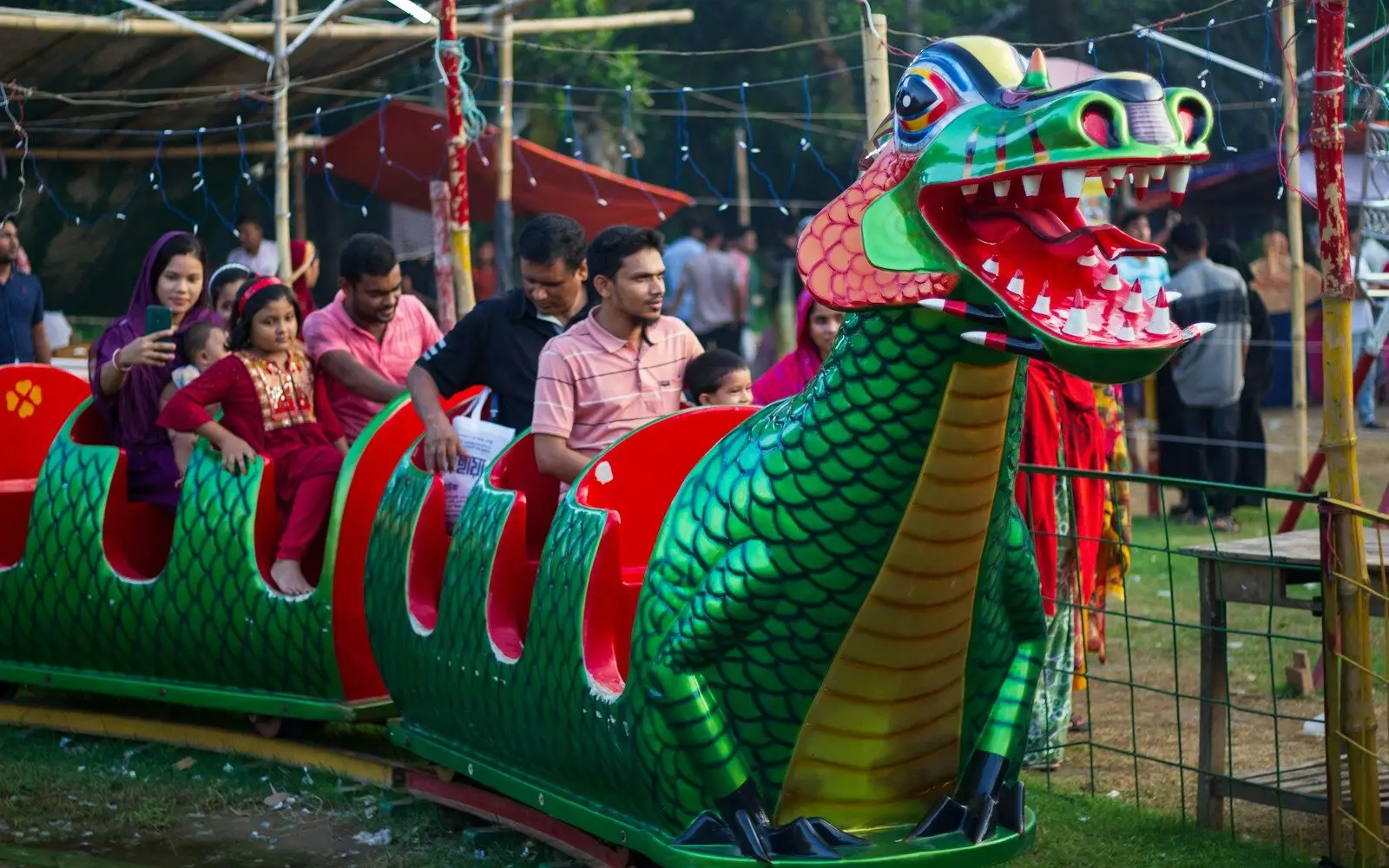
Carnival attractions have long been the defining feature of seasonal festivals, county fairs, and traveling entertainment events. These mobile amusement parks offer a unique blend of nostalgia and excitement, drawing millions of visitors annually. Unlike permanent theme parks, carnival attractions are designed for flexibility and rapid deployment, allowing operators to transform empty lots or fairgrounds into vibrant entertainment hubs within days. The appeal lies in their ability to offer a concentrated dose of fun, ranging from gentle rides for toddlers to gravity-defying coasters for thrill-seekers.
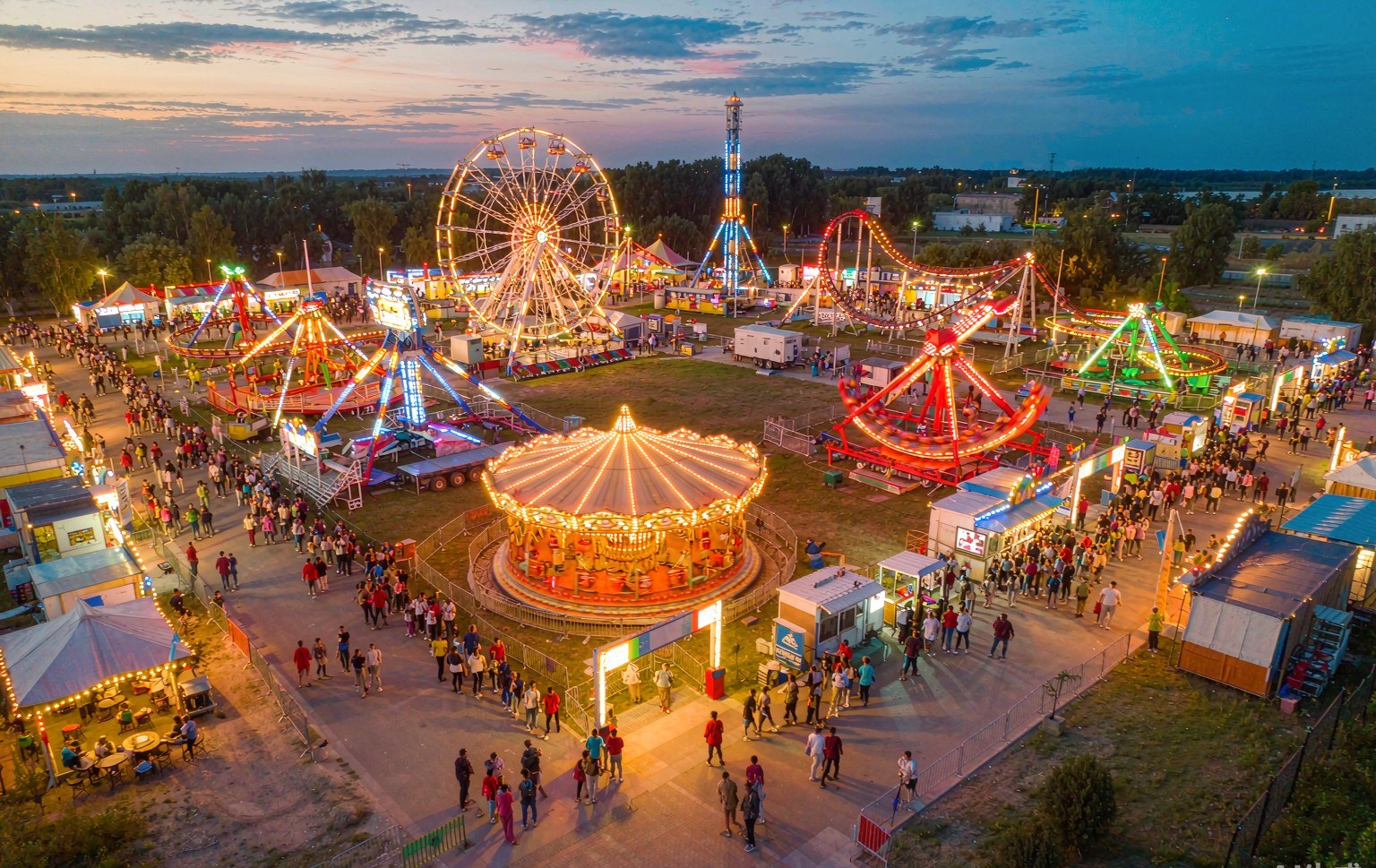
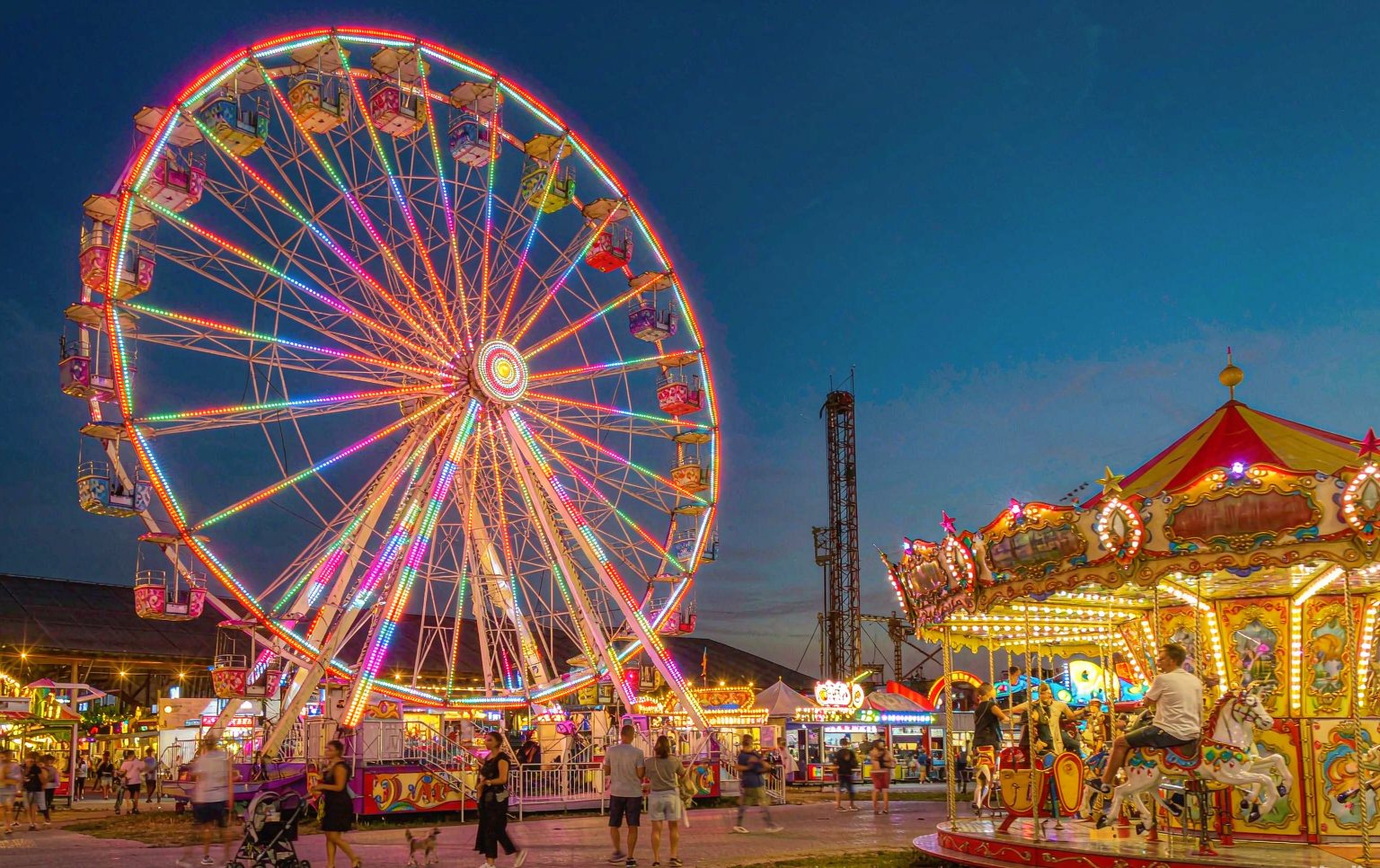
One of the most iconic carnival attractions is the Ferris wheel. Serving as both a ride and a landmark, the Ferris wheel provides a vantage point that allows visitors to survey the entire festival grounds. Modern versions of this classic ride often feature LED lighting systems that turn the structure into a dazzling light show after dark, becoming a centerpiece for the event’s nighttime atmosphere. Alongside the Ferris wheel, the carousel remains a staple, offering a timeless experience that appeals to families and young children. These rides are essential for creating a family-friendly environment, ensuring that visitors of all ages have access to entertainment.
Beyond the rides, carnival attractions also encompass a wide array of skill-based games and midway stalls. These games, which range from ring tosses to shooting galleries, are crucial for the financial ecosystem of a carnival. They offer high-margin revenue streams and provide a competitive element that engages visitors between rides. The prizes, often oversized plush toys, serve as walking advertisements, encouraging others to participate. The design of these games is psychological as much as it is mechanical; they are calibrated to be just difficult enough to challenge the player while remaining winnable, thus maintaining interest and repeat play.
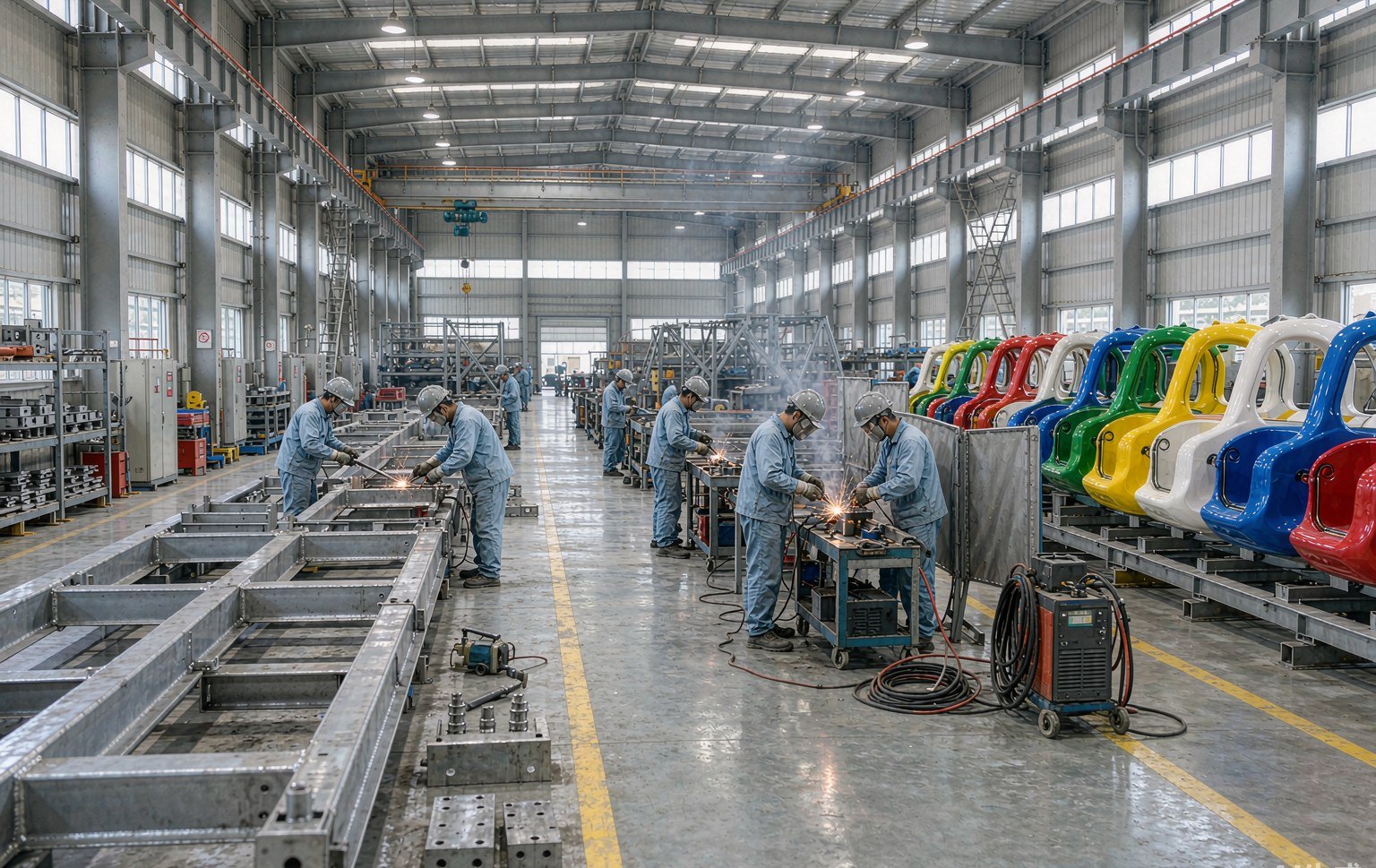
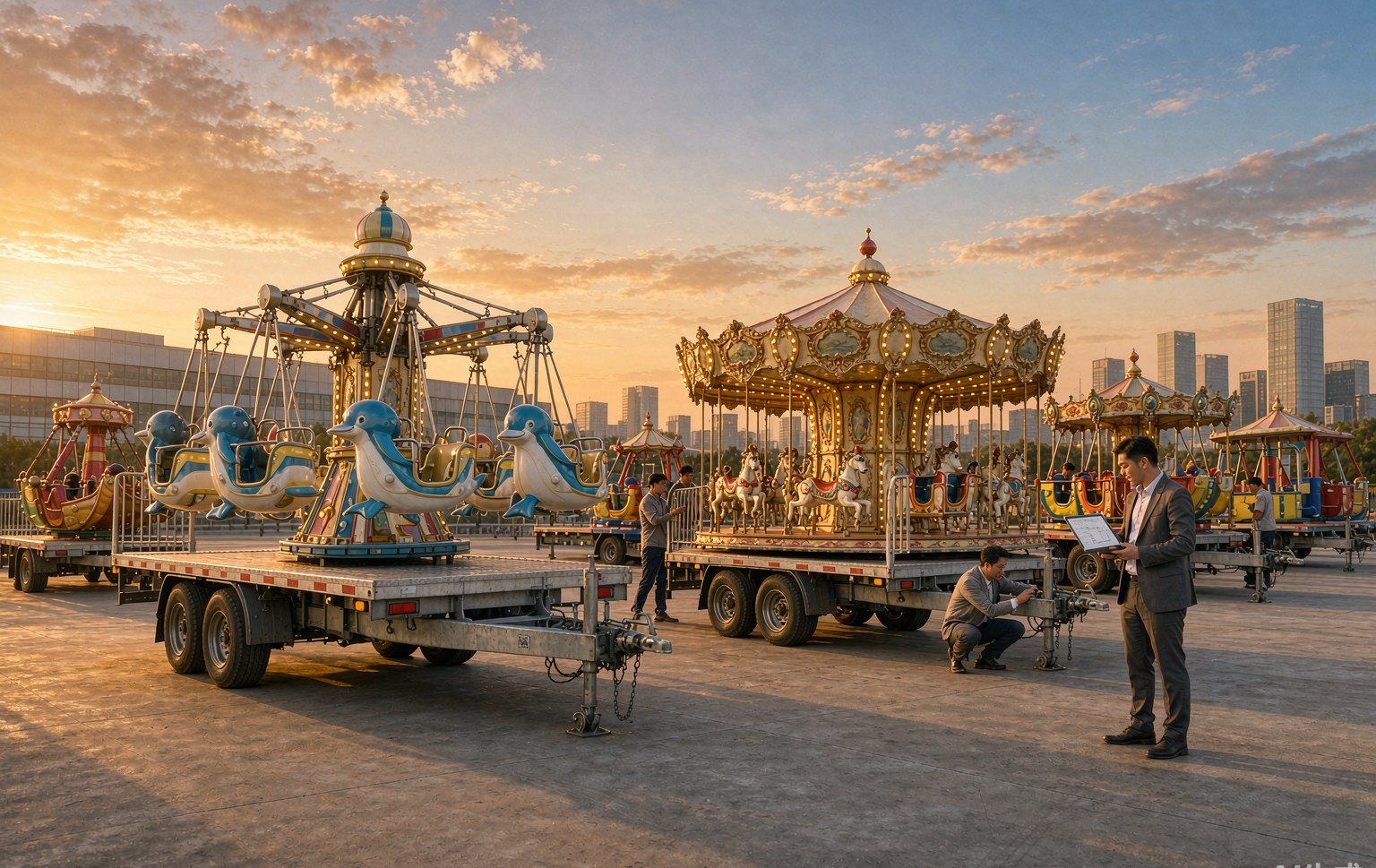
The logistics of carnival attractions are a feat of modern engineering. Most major rides are modular, designed to be disassembled, transported on flatbed trucks, and reassembled by specialized crews in a matter of hours. This portability allows carnival operators to follow the seasons, moving from warmer climates in the winter to northern regions in the summer. The durability of these attractions is paramount, as they must withstand constant assembly and disassembly cycles as well as heavy daily usage.
In recent years, the variety of carnival attractions has expanded to include inflatable obstacle courses, bungee trampolines, and virtual reality experiences. These newer additions cater to a generation of visitors who grew up with digital entertainment, proving that the carnival industry is capable of evolving while maintaining its traditional roots. Whether it is the scream of a rider on a pendulum ride or the laughter of a child winning a prize, carnival attractions remain a vital part of community celebrations worldwide.