
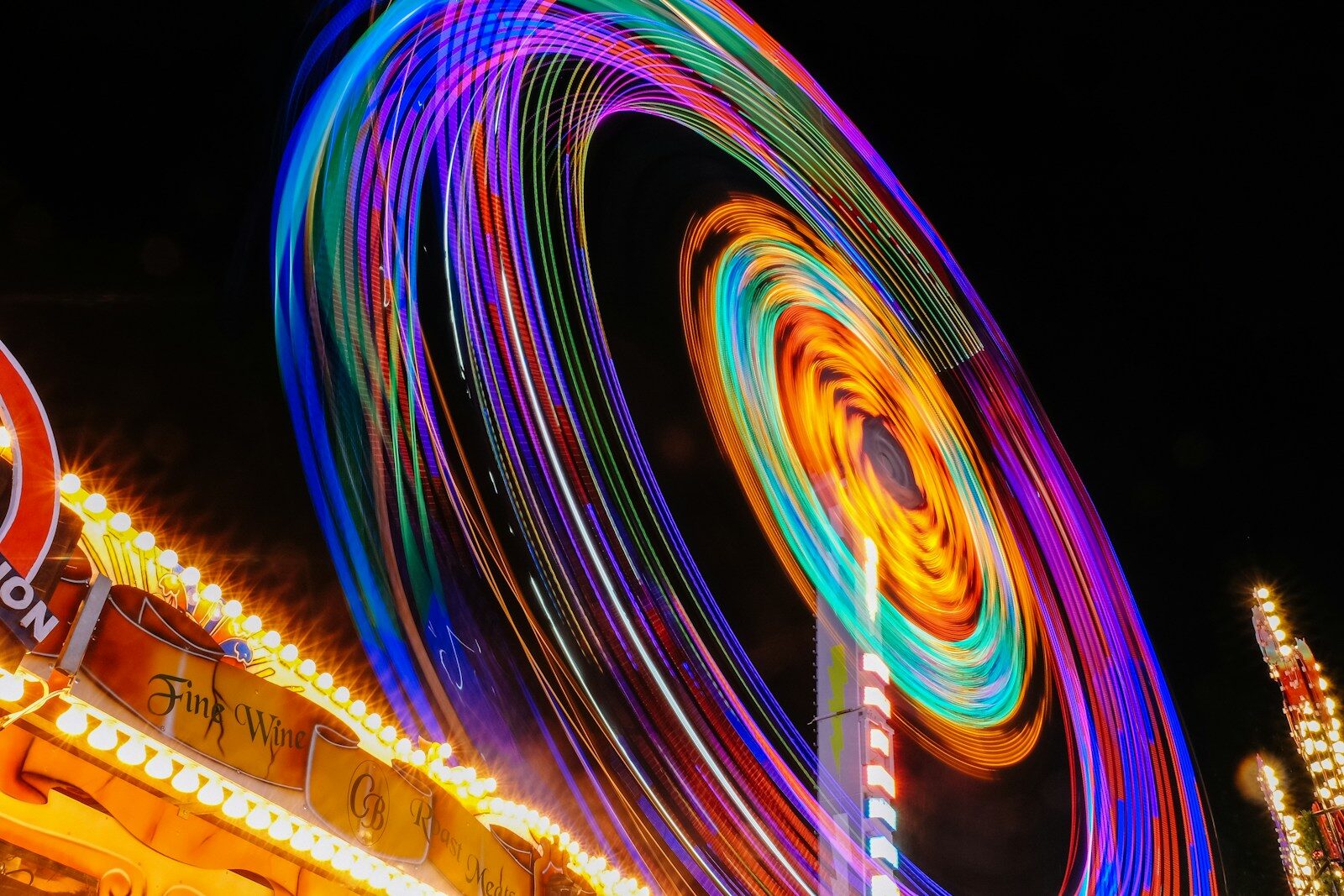
Theme park design is one of the most complex and multidisciplinary fields in the entertainment industry. A successful theme park is not simply a collection of rides placed on a piece of land. It is a carefully orchestrated environment where architecture, landscape, lighting, sound, ride systems, guest flow, food service, retail, and storytelling converge to create a seamless, immersive experience. The discipline of theme park design draws from architecture, urban planning, theatrical set design, industrial engineering, psychology, and narrative arts. This article explores the core principles, processes, and considerations that define world-class theme park design.
The Foundation: Storytelling
At the heart of every great theme park is a story. Whether the park is built around licensed intellectual property, original characters, cultural themes, or abstract concepts, storytelling provides the framework that unifies every design decision.
Effective theme park design begins with a narrative vision. This vision answers fundamental questions: What world are guests entering? What emotions should they feel? What journey are they taking? Every building facade, landscape element, color palette, musical cue, and ride experience should reinforce the story. When storytelling is strong, guests suspend their disbelief and become emotionally invested in the environment.
Disney’s concept of “placemaking” exemplifies this principle. Each land within a Disney park tells a distinct story through architecture, music, food, merchandise, and attractions. Guests do not simply ride a roller coaster; they embark on an adventure through a carefully constructed narrative world.
Master Planning and Site Selection
Before a single ride is installed, theme park design requires comprehensive master planning. This phase involves selecting an appropriate site, analyzing demographics, studying transportation infrastructure, evaluating climate conditions, and projecting attendance patterns.
Site selection is critical. A successful theme park needs adequate land for current attractions and future expansion, accessible transportation links, sufficient utility capacity, and a favorable regulatory environment. The topography of the site also influences design decisions. Natural elevation changes can be leveraged to create dramatic ride profiles, while flat sites require creative grading to generate visual interest.
Master planning also establishes the overall layout of the park. Designers must determine the placement of major attractions, guest entry points, circulation paths, service areas, and back-of-house facilities. The goal is to create a logical, intuitive layout that guides guests naturally through the experience while distributing crowds evenly across the park.
Guest Flow and Circulation Design
One of the most important yet least visible aspects of theme park design is guest flow management. Poor circulation design leads to congestion, long wait times, guest frustration, and reduced spending. Effective circulation design ensures that guests can move comfortably through the park while encountering attractions, food, retail, and entertainment in a natural sequence.
Designers use several strategies to manage guest flow. Wide main thoroughfares provide clear sightlines and accommodate high pedestrian volumes. Curved pathways create a sense of discovery and prevent guests from seeing the entire park at once, which encourages exploration. Strategic placement of attractions, shows, and dining venues creates natural pull points that distribute crowds throughout the day.
Queue design is another critical element. Modern queue environments are designed to be entertaining in their own right, using themed environments, interactive elements, video screens, and storytelling to make wait times feel shorter. The physical design of queues must also accommodate strollers, wheelchairs, and varying guest volumes throughout the day.
Themed Architecture and Environmental Design
The visual environment of a theme park is perhaps the most immediately recognizable aspect of theme park design. Themed architecture creates the illusion of entering a different world. This requires far more than decorative facades. It demands attention to scale, proportion, materials, color, texture, aging effects, and architectural detail.
Forced perspective is a classic technique in themed architecture. By making upper stories of buildings progressively smaller, designers create the illusion of greater height without the structural cost. This technique is used extensively in main street environments to create a charming, human-scale atmosphere.
Landscape architecture plays an equally important role. Plants, water features, rockwork, lighting, and terrain shaping all contribute to the immersive environment. In many modern parks, the landscape is designed to be as detailed and story-driven as the buildings themselves. Every tree, boulder, and flower bed is placed intentionally to reinforce the theme.
Ride System Integration
Integrating ride systems into the themed environment is one of the most technically challenging aspects of theme park design. Rides must be engineered for safety, reliability, and capacity while also fitting seamlessly into the narrative environment.
Dark rides present unique challenges because the ride path, show scenes, projection surfaces, animatronics, lighting, and audio must all be coordinated with precision. The building housing the ride must accommodate both the mechanical systems and the themed environments, often requiring creative solutions for structural support, ventilation, and maintenance access.
Outdoor rides such as roller coasters require careful consideration of sightlines, noise impact, visual screening, and integration with surrounding themed areas. A well-designed coaster does not simply exist in isolation; it becomes a visual landmark that enhances the park’s skyline and draws guests toward its area.
Sensory Design: Sound, Light, and Scent
Great theme park design engages all the senses. Visual theming creates the initial impression, but sound, light, and scent deepen the immersion.
Sound design includes background music, ambient soundscapes, ride audio, and public address systems. Each themed area should have its own musical identity that reinforces the environment. Careful acoustic design prevents sound bleed between areas, maintaining the integrity of each themed zone.
Lighting design transforms the park after dark. Themed lighting can create dramatic atmospheres, highlight architectural features, guide guest movement, and support nighttime shows and parades. Modern LED technology allows for dynamic lighting effects that change color, intensity, and pattern in response to music and storytelling cues.
Scent is a subtler but powerful tool. The smell of fresh popcorn on a main street, the musty atmosphere of a haunted house, or the ocean breeze near a water attraction all contribute to the immersive experience. Scent systems must be carefully calibrated to enhance without overwhelming.
Sustainability and Operational Design
Modern theme park design increasingly incorporates sustainability principles. Energy-efficient ride systems, solar power generation, water recycling, waste reduction programs, and sustainable building materials all contribute to environmental responsibility while also reducing long-term operating costs.
Operational design is equally important. Back-of-house areas must be efficiently designed to support food preparation, merchandise storage, ride maintenance, cast member facilities, and emergency response. Poor operational design creates inefficiencies that affect guest experience, even though guests never see these areas.
The Design Process
The theme park design process typically follows several phases. Concept development establishes the creative vision and narrative framework. Schematic design translates the concept into preliminary layouts, ride selections, and guest experience maps. Design development refines every element with detailed engineering, architectural drawings, and show quality standards. Construction documents provide the technical specifications for building. Finally, installation and commissioning bring the design to life, followed by testing and adjustment before public opening.
Throughout this process, collaboration between creative designers, engineers, operations teams, and financial analysts is essential. The best theme park designs emerge when creative ambition is balanced with practical feasibility and operational reality.
Conclusion
Theme park design is a discipline where art and science merge to create places of joy, wonder, and memorable experiences. From the grand vision of a master plan to the smallest detail of a themed doorway, every decision contributes to the overall guest experience. As technology advances and guest expectations evolve, the field of theme park design will continue to push boundaries, creating ever more immersive and magical environments for generations to come.




