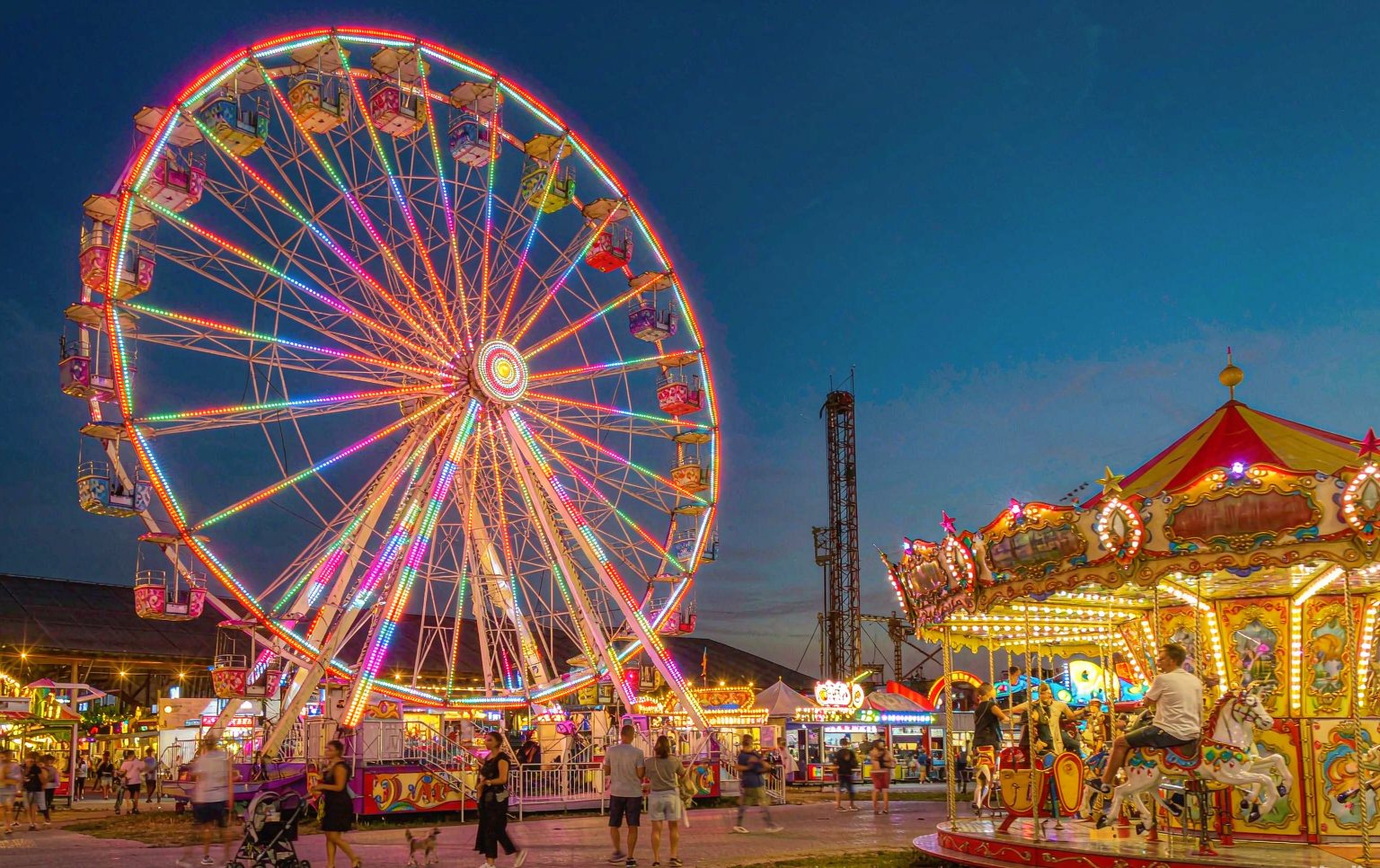
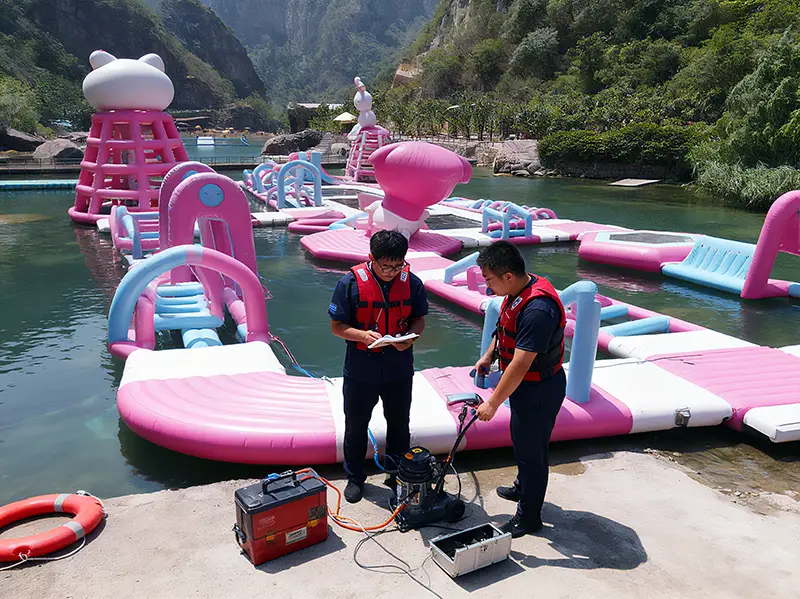
Amusement rides are engineered to last decades — but only if they’re properly maintained. Neglected maintenance leads to breakdowns, safety incidents, costly emergency repairs, and premature equipment replacement. A well-executed maintenance program, on the other hand, maximizes ride uptime, extends equipment lifespan, ensures regulatory compliance, and protects your investment.
This guide provides a practical, actionable maintenance framework that park operators can implement immediately — whether you manage a small municipal park or a large regional theme destination.
Why Maintenance Matters More Than You Think
Consider these facts:
- Unplanned downtime costs 3–5x more than preventive maintenance. An emergency repair that shuts down your signature ride for a weekend during peak season can cost tens of thousands in lost revenue.
- Safety incidents are almost always traceable to maintenance failures. Regulatory investigations, insurance claims, and reputational damage far exceed the cost of proper maintenance.
- Well-maintained rides last 20–30 years. Poorly maintained rides may need replacement in 8–12 years — a difference of hundreds of thousands of dollars.
- Insurance premiums are lower for parks with documented maintenance programs. Insurers reward operators who demonstrate systematic risk management.
The Three Levels of Amusement Ride Maintenance
Level 1: Daily Pre-Operation Checks (Performed by Ride Operators)
Every ride must be inspected before the first rider of the day. Daily checks include:
- Visual inspection: Look for visible damage, loose bolts, cracks, unusual wear, or foreign objects.
- Safety device testing: Test all restraint systems, emergency stops, and safety interlocks.
- Operational test: Run the ride empty through at least 2 complete cycles. Listen for unusual sounds, observe motion patterns, and check for vibrations.
- Cleanliness: Remove debris, clean rider surfaces, and ensure the queue area is safe and tidy.
- Log entry: Record the inspection in the daily maintenance log — date, inspector name, findings, and any issues identified.
Daily checks take 15–30 minutes per ride. Non-negotiable.
Level 2: Weekly and Monthly Preventive Maintenance (Performed by Maintenance Technicians)
Scheduled maintenance at regular intervals prevents problems before they occur:
Weekly tasks:
- Lubricate all moving parts (bearings, chains, gears, pivot points)
- Check and tighten bolts and fasteners on structural connections
- Inspect electrical connections for corrosion, loose wiring, or overheating
- Check fluid levels (hydraulic systems, gearboxes)
- Inspect brake systems for wear and proper function
- Test emergency stop systems and backup power systems
Monthly tasks:
- Detailed inspection of welds and structural joints for stress cracks
- Check foundation bolts and anchor points
- Inspect and clean electrical control panels
- Test all safety sensors and limit switches
- Inspect rider restraint systems for wear, cracking, or deformation
- Check paint and coating condition — touch up any corrosion spots immediately
- Review maintenance logs for recurring issues or patterns
Level 3: Annual Overhaul and Certification (Performed by Qualified Engineers)
Once per year (or per manufacturer’s recommended interval), each ride should undergo a comprehensive overhaul:
- Complete disassembly of critical mechanical systems for inspection
- Non-destructive testing (NDT) of structural welds and high-stress components
- Replacement of wear parts regardless of condition (seals, gaskets, brake pads, bearings at prescribed intervals)
- Electrical system audit — insulation testing, grounding verification, PLC program backup
- Hydraulic system service — fluid replacement, filter changes, hose inspection
- Third-party safety inspection by a certified inspector for regulatory compliance
- Paint and coating refresh as needed to maintain corrosion protection
Building a Maintenance Schedule
Create a master maintenance schedule that maps every task to a specific ride, frequency, and responsible person:
表格
| Ride | Daily Check | Weekly PM | Monthly PM | Annual Overhaul |
|---|---|---|---|---|
| 36-Seat Carousel | Pre-opening inspection | Lubrication, bolt check | Full structural inspection | Complete mechanical overhaul |
| 17m Drop Tower | Pre-opening inspection | Hydraulic check, brake test | Cable inspection, sensor test | Full structural NDT |
| Flying Chair | Pre-opening inspection | Chain lubrication, bolt check | Cable and pulley inspection | Complete drive system service |
Digitize your schedule using a computerized maintenance management system (CMMS) or even a simple spreadsheet. The key is consistency — every task, every ride, every time.
Spare Parts Management
Running out of a critical spare part can shut down a ride for days or weeks. Implement a spare parts strategy:
- Critical spares: Keep on-site inventory of parts that would cause ride shutdown if they fail (motors, control boards, hydraulic pumps, brake assemblies). These are your “insurance policy” against extended downtime.
- Consumable spares: Maintain regular stock of wear items (belts, seals, filters, light bulbs, fuses) that need periodic replacement.
- Major components: Coordinate with your manufacturer on lead times for large components (gearboxes, structural sections). You may not need to stock these, but know how quickly you can get them.
- Parts from your manufacturer: Build a relationship with your ride manufacturer’s spare parts department. Most experienced manufacturers maintain parts inventories for rides they’ve produced — even decades after delivery.
Training Your Maintenance Team
Your maintenance team is the backbone of ride reliability. Ensure they have:
- Manufacturer-provided training: Most ride manufacturers offer operator and maintenance training programs. Use them.
- Technical certifications: Electrical, mechanical, and hydraulic certifications relevant to your ride types.
- Safety protocol knowledge: Lockout/tagout procedures, confined space entry, working at heights — these are non-negotiable safety skills.
- Documentation skills: Every maintenance action must be logged. Good records protect you legally and help diagnose recurring problems.
Warning Signs That Demand Immediate Attention
Train your team to recognize these red flags:
- Unusual sounds: Grinding, squealing, knocking, or rhythmic clicking from mechanical systems.
- Excessive vibration: Beyond normal operating levels — indicates bearing failure, imbalance, or structural issues.
- Erratic operation: Ride stops unexpectedly, moves unevenly, or doesn’t complete its cycle properly.
- Visible damage: Cracks in structural members, deformed components, loose or missing bolts.
- Electrical issues: Burning smell, sparking, tripped breakers, or control system error codes.
When any of these occur, shut down the ride immediately. No exceptions.
Final Thoughts
Amusement ride maintenance isn’t a cost center — it’s a profit protector. Every dollar invested in preventive maintenance saves multiples in avoided downtime, emergency repairs, and premature equipment replacement. More importantly, proper maintenance keeps your visitors safe — which is the foundation of everything else in this industry.
Build your maintenance program today: daily checks, weekly and monthly preventive tasks, annual overhauls, spare parts management, and team training. Your rides — and your visitors — will thank you.
Need maintenance support or spare parts for your rides? Our after-sales team provides lifetime technical support, maintenance guidance, and spare parts supply for all equipment we manufacture. Contact us to discuss your maintenance needs.