
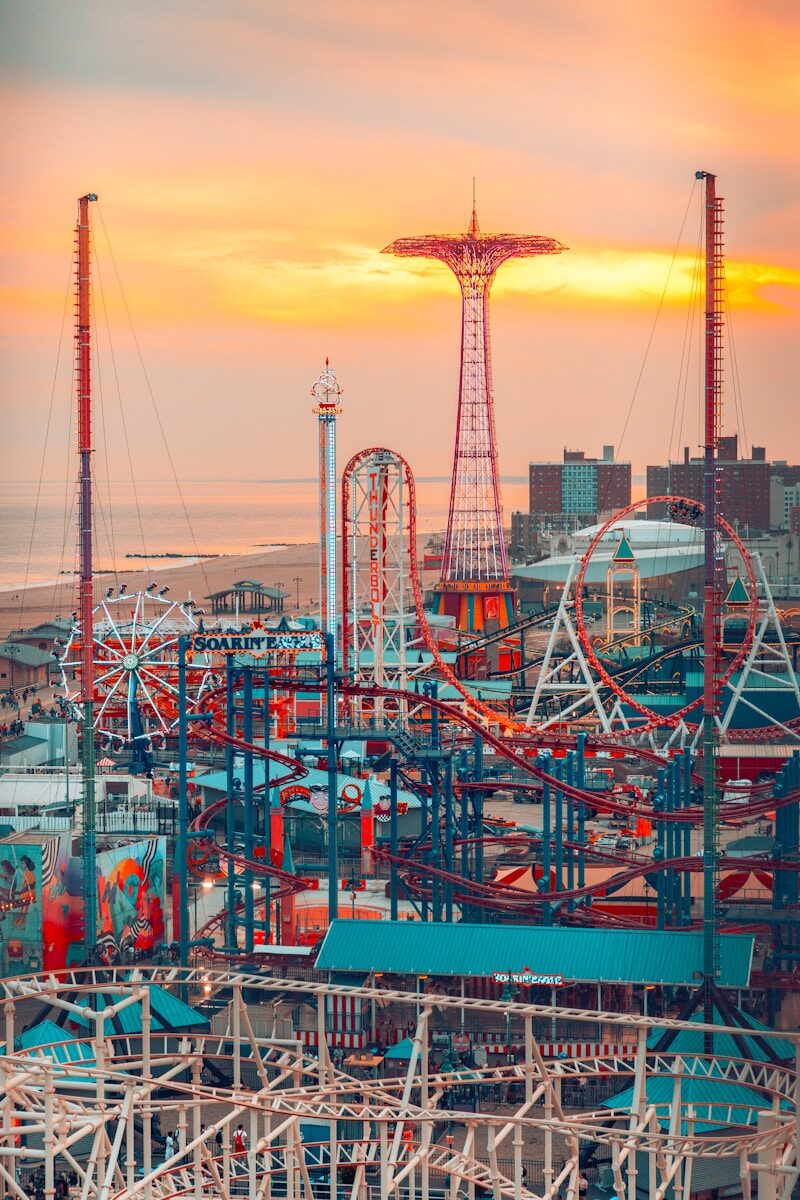
Safety in the amusement park industry is not left to chance. Behind every thrilling ride experience lies a comprehensive framework of amusement park safety regulations — a multi-layered system of standards, inspections, certifications, and operational protocols designed to ensure that guests can enjoy attractions with confidence. Understanding how this regulatory framework functions provides valuable insight into the mechanisms that keep millions of park visitors safe every year.
The Regulatory Landscape
Amusement park safety regulations vary significantly by jurisdiction. In some regions, rides and attractions are subject to rigorous government oversight with mandatory inspections, licensing requirements, and enforcement mechanisms. In other areas, the industry relies primarily on self-regulation through voluntary compliance with standards developed by professional organizations.
This variation creates a complex compliance environment for operators, particularly those who manage parks in multiple jurisdictions. A ride that meets all regulatory requirements in one location may need additional modifications or documentation to operate legally in another. This complexity underscores the importance of understanding the specific regulatory requirements that apply to each park’s location.
Standards Development Organizations
Professional organizations within the amusement industry play a critical role in developing the technical standards that form the foundation of safety regulations. These organizations bring together engineers, operators, manufacturers, insurers, and regulatory officials to create consensus-based standards that address ride design, manufacturing, installation, operation, maintenance, and inspection.
The standards development process is deliberately thorough. Proposed standards undergo extensive review by technical committees, public comment periods allow external stakeholders to provide input, and final standards are periodically revised to incorporate new research, technological advances, and lessons learned from operational experience. This iterative process ensures that safety standards remain current and effective as the industry evolves.
Design and Manufacturing Standards
Safety begins at the drawing board. Amusement park safety regulations establish requirements for ride design that address structural integrity, load calculations, material specifications, redundancy in critical systems, and fail-safe mechanisms. Manufacturers must demonstrate that their designs meet these requirements through engineering analysis, prototype testing, and third-party certification.
Key design principles include structural redundancy, where critical components are designed so that the failure of any single element does not result in a hazardous condition. Load path analysis ensures that forces generated during ride operation are properly transferred through the structure to the foundation. Dynamic simulation validates that ride vehicles behave predictably under all operating conditions, including worst-case scenarios such as emergency stops and power failures.
Installation and Commissioning
Once a ride is manufactured and delivered to a park, the installation process itself is subject to regulatory oversight. Foundation construction must meet engineering specifications verified by independent inspectors. Structural assembly follows manufacturer protocols that are audited for compliance. Electrical systems are inspected and tested by qualified professionals before the ride is energized.
The commissioning process involves extensive testing under controlled conditions. Ride vehicles are run through complete cycles at reduced speeds, then progressively accelerated to full operating parameters. Safety systems are deliberately triggered to verify that they function correctly. Emergency procedures are practiced with park staff to ensure that everyone understands their roles in potential emergency scenarios.
Operational Safety Protocols
Day-to-day ride operation is governed by detailed safety protocols that address every aspect of the guest experience. Pre-opening inspection checklists ensure that rides are in proper working condition before the first guest of the day boards. Operator training programs certify that staff members understand ride controls, guest loading procedures, restraint verification, and emergency response protocols.
Restraint systems receive particular attention in operational safety protocols. Different ride types require different restraint configurations — lap bars, shoulder harnesses, seat belts, vest restraints, and individual locking mechanisms each serve specific safety functions. Operators are trained to verify that every restraint is properly secured before ride dispatch and to recognize signs of improper fit that could compromise guest safety.
Maintenance and Inspection Requirements
Preventive maintenance represents one of the most critical elements of amusement park safety regulations. Manufacturers establish detailed maintenance schedules specifying inspection intervals, replacement schedules for wear components, lubrication requirements, and diagnostic testing procedures. Parks are required to document all maintenance activities and retain records that demonstrate ongoing compliance.
Inspections occur at multiple levels. Daily inspections performed by trained ride operators identify visible issues before each operating day. Periodic inspections conducted by maintenance technicians involve more detailed examination of mechanical components, electrical systems, and structural elements. Annual inspections by certified third-party inspectors provide independent verification that the ride continues to meet all applicable safety standards.
Employee Training and Certification
The human element of ride safety cannot be overstated. Amusement park safety regulations typically include requirements for employee training and certification that ensure staff members possess the knowledge and skills necessary to operate rides safely.
Training programs cover ride-specific operational procedures, guest interaction protocols, emergency response procedures, first aid and CPR certification, and incident reporting requirements. Many jurisdictions require formal certification through recognized training programs before employees are permitted to operate rides independently. Ongoing refresher training ensures that skills remain current throughout an employee’s tenure.
Incident Reporting and Investigation
When incidents occur, regulatory frameworks establish protocols for reporting, investigation, and corrective action. Serious incidents typically must be reported to regulatory authorities within specified timeframes, triggering formal investigations that examine root causes and identify corrective measures.
This incident reporting system serves an important function beyond individual park safety. When patterns emerge across multiple parks or ride models, the industry can implement systemic improvements that prevent similar incidents from occurring elsewhere. This collective learning process strengthens safety across the entire industry.
The Role of Insurance
Insurance providers play a significant role in amusement park safety regulation, often establishing requirements that exceed minimum legal standards. Insurance underwriters evaluate park operations, maintenance programs, training protocols, and safety records when determining coverage terms and premium rates.
Parks that demonstrate strong safety cultures and comprehensive risk management programs typically receive more favorable insurance terms. This financial incentive encourages operators to invest in safety beyond minimum compliance requirements, creating a market-driven mechanism that reinforces regulatory standards.
Continuous Improvement
Amusement park safety regulations are not static documents. They evolve continuously in response to technological advances, operational experience, incident analysis, and changing industry practices. Standards organizations regularly review and update existing standards, while regulatory agencies incorporate new requirements as safety science advances.
This commitment to continuous improvement ensures that the amusement park industry maintains the highest possible safety standards. The combination of rigorous design requirements, thorough inspection protocols, comprehensive training programs, and a culture of ongoing learning creates a safety ecosystem that protects the millions of guests who visit amusement parks around the world each year.




