
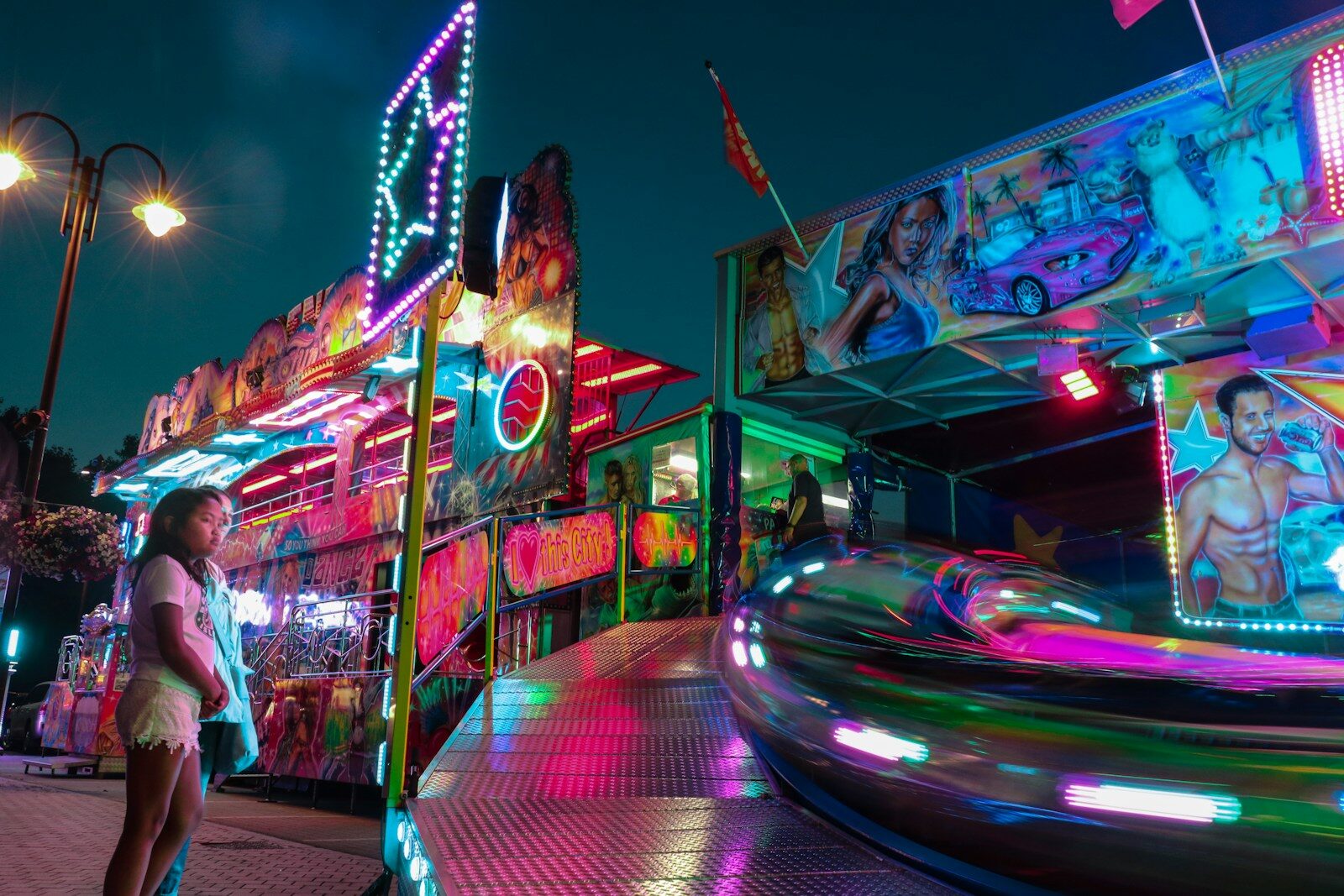
Amusement park rides manufacturers play a central role in the entertainment industry. They turn creative concepts into physical attractions that guests can experience safely and repeatedly. Their work combines engineering, design, manufacturing, testing, safety planning, and ongoing technical support.
For park operators, the manufacturer is more than a supplier. It is a partner in creating experiences that define a venue. A strong manufacturer helps operators choose the right attraction, plan installation, train staff, maintain equipment, and prepare for long-term operation.
The importance of amusement park rides manufacturers has grown as guest expectations have increased. Visitors now expect attractions to be exciting, immersive, well maintained, visually appealing, and comfortable. Meeting those expectations requires manufacturers to balance creativity with technical discipline.
From Concept to Attraction
Every ride begins with a concept. That concept may come from a park operator seeking a new attraction, a manufacturer developing a new product line, or a designer responding to market trends. The concept may focus on thrill, family entertainment, interactive play, immersive storytelling, compact indoor use, or outdoor durability.
Once the concept is defined, amusement park rides manufacturers move into engineering. This stage includes structural design, mechanical systems, electrical systems, control logic, restraint design, safety analysis, and operational planning. The goal is to create an attraction that is exciting but also predictable, maintainable, and safe.
Engineering drawings, calculations, and simulations help manufacturers understand how forces, motion, weight, speed, and environmental conditions will affect the ride. This technical foundation is essential before any physical production begins.
Designing for Different Markets
Amusement park rides manufacturers serve a wide range of customers. Each market has different priorities.
Permanent amusement parks often want large, visually striking attractions with strong theming, high capacity, and long service life. These rides may become signature experiences that define the park.
Family entertainment centers often need compact attractions that fit smaller spaces, operate efficiently, and appeal to mixed-age audiences.
Traveling fairs and carnivals usually require rides that can be transported, assembled, and disassembled regularly. Durability and mobility are important.
Water parks need attractions designed for wet environments, splash zones, drainage, and corrosion resistance.
Indoor venues may require quieter rides, flexible power needs, and lower visual profiles.
Tourism destinations may combine rides with cultural themes, scenic settings, or regional storytelling.
This variety means manufacturers must be flexible. A ride that works well in one environment may not suit another without adaptation.
Engineering and Structural Responsibility
Engineering is one of the most important responsibilities of amusement park rides manufacturers. Rides must handle repeated use, changing weather, guest movement, mechanical stress, electrical demands, and emergency conditions.
Structural design ensures that supports, frames, track sections, and foundations can handle expected loads. Mechanical design covers motors, gears, wheels, bearings, brakes, restraints, and moving assemblies. Electrical design includes power distribution, sensors, control panels, lighting, audio, and safety interlocks.
Manufacturers must also consider failure modes. The goal is not only to make a ride work under normal conditions but also to ensure that it responds safely when something unexpected happens. Emergency stops, redundant safety systems, clear operating limits, and reliable monitoring all help reduce risk.
Safety Standards and Certification
Safety is not an afterthought. It must be part of every stage of ride development. Amusement park rides manufacturers design attractions with safety systems built into the structure, controls, restraints, and operating procedures.
Common safety considerations include:
- Restraint interlocks that prevent operation when restraints are not secure
- Emergency stop systems accessible to operators
- Speed and position monitoring
- Clear loading and unloading procedures
- Defined maintenance and inspection schedules
- Operator training materials
- Spare parts and service documentation
Certification and documentation help operators demonstrate that rides have been designed and built responsibly. Manufacturers may provide technical files, inspection checklists, maintenance manuals, and training guides. These materials are essential for safe long-term operation.
Local regulations may also affect what documentation is required. Manufacturers often work with operators to ensure that rides can meet regional expectations before installation and public use.
Manufacturing Quality and Production Control
Manufacturing quality determines how well a ride performs after installation. Amusement park rides manufacturers must control materials, fabrication methods, assembly processes, and final testing.
Steel, aluminum, fiberglass, reinforced plastics, electrical components, welding joints, fasteners, coatings, and finishing materials all affect durability. Precision matters during fabrication. Track sections, support beams, gondolas, rotating arms, and control systems must fit together accurately.
Quality control should continue throughout production. Materials should be checked before use. Welds and mechanical connections should be inspected during assembly. Electrical systems should be tested before delivery. Finished components should be reviewed against design specifications.
A strong manufacturing process helps reduce unexpected failures, maintenance problems, and guest discomfort once the ride is operating.
Theming, Immersion, and Guest Experience
Modern amusement park rides manufacturers do not only build mechanical systems. They also help create guest experiences. Theming, lighting, sound, color, ride vehicles, and environmental design all shape how guests feel before, during, and after a ride.
A simple ride can feel more memorable when it is supported by strong theming. A queue area can become part of the story. A ride building can become a visual landmark. Lighting and audio can create atmosphere. Interactive elements can give guests a sense of participation.
Manufacturers that understand guest experience can help operators create attractions that feel complete. The ride itself is important, but the surrounding environment often determines whether guests remember the experience as polished, exciting, and worth repeating.
Installation, Commissioning, and Training
A ride does not become operational simply by arriving on site. Installation requires careful planning. Foundations, utilities, access routes, safety zones, queue areas, and operator stations must all be prepared.
Amusement park rides manufacturers often support installation by providing technical guidance, assembly documentation, and commissioning checks. This stage helps confirm that the ride has been assembled correctly and is ready for testing.
Training is equally important. Operators, attendants, maintenance staff, and supervisors need clear instructions on daily operation, guest loading, emergency procedures, inspection routines, and record keeping. Good training reduces human error and helps venues respond confidently when unusual situations occur.
Maintenance Support and Spare Parts
Long-term performance depends on maintenance. Amusement park rides manufacturers support operators by providing spare parts lists, service schedules, inspection checklists, and technical guidance.
Common maintenance areas include wheels, bearings, brakes, restraints, sensors, electrical connections, hydraulic or pneumatic systems, structural joints, and control panels. Regular inspection helps identify wear before it becomes a serious problem.
Manufacturers with strong after-sale support help operators keep rides available during busy periods. They also help venues plan refurbishment, upgrades, and component replacements over the life of the attraction.
Innovation in Ride Manufacturing
Innovation keeps the amusement industry competitive. Amusement park rides manufacturers develop new motion systems, control technologies, theming options, and interactive features to meet changing guest expectations.
Some innovation focuses on thrill, using new launch systems, dynamic motion, spinning elements, or compact high-energy designs. Other innovation focuses on families, with gentle rides, accessible restraints, playful themes, and inclusive experiences.
Technology also plays a growing role. Digital controls, sensors, onboard audio, lighting effects, and interactive scoring can make attractions feel more modern. At the same time, manufacturers must ensure that innovation does not come at the expense of reliability, safety, or maintainability.
Choosing the Right Manufacturer
For operators, choosing among amusement park rides manufacturers is a major decision. Price matters, but it should not be the only factor. Buyers should also consider safety documentation, product reliability, maintenance support, spare parts availability, installation experience, customization ability, and the manufacturer’s reputation.
A manufacturer that provides clear communication, thorough documentation, and responsive support can reduce long-term risk. A manufacturer that cannot answer technical questions or provide service guidance may create operational challenges later.
Operators should also consider whether the manufacturer understands their specific market. A supplier experienced in permanent parks may not be the best fit for a traveling operation. A manufacturer strong in outdoor rides may need to adapt its approach for indoor or water-based venues.
Final Thoughts
Amusement park rides manufacturers are essential to the amusement industry because they connect imagination with engineering. They make it possible for parks, entertainment centers, fairs, and tourism destinations to offer attractions that are exciting, safe, well built, and memorable.
Their work is often invisible to guests, but it shapes every ride experience. From the first design sketch to the final safety inspection, amusement park rides manufacturers help ensure that attractions perform as intended. As entertainment venues continue to evolve, these manufacturers will remain central to creating the rides that bring guests back again and again.




