
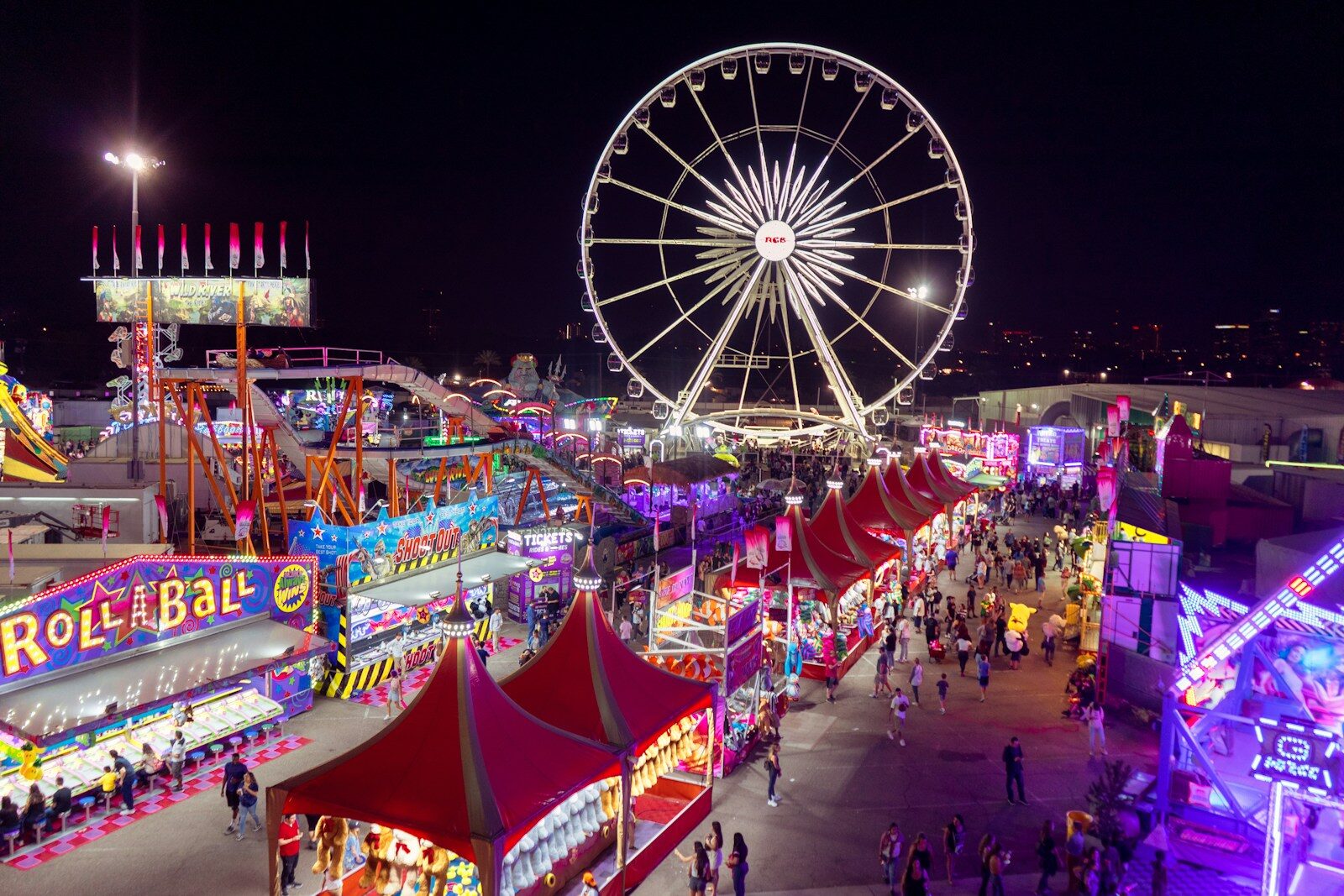
When buyers search for amusement park rides for sale, the results can look very broad. Listings may include kiddie rides, family rides, thrill rides, spinning attractions, drop towers, water rides, dark rides, inflatable attractions, arcade equipment, and themed entertainment devices. The variety can make early research exciting, but it can also make comparison difficult.
A listing title, a photo gallery, or a short specification list does not provide enough information for a confident purchase. Amusement rides are not simple retail products. They are engineered systems that combine structural frames, mechanical movement, electrical controls, safety restraints, braking systems, sensors, operating procedures, and maintenance requirements.
For this reason, buyers should treat “amusement park rides for sale” as the beginning of an evaluation process, not the end. The most useful approach is to move from general browsing to structured comparison, and from visual appeal to technical verification.
Defining the Project Before Searching
Before comparing rides, buyers should define the project clearly. A ride that looks suitable in a catalog may not fit the actual site, audience, budget, or operating plan.
Useful starting questions include:
- Is the ride intended for an outdoor park, indoor center, family entertainment venue, tourism zone, or seasonal location?
- Who is the main audience: young children, families, teenagers, thrill seekers, or mixed visitors?
- How much space is available, including safety zones and queue areas?
- What is the expected daily or seasonal operating volume?
- What power supply, foundation, and utility conditions are available on site?
- What is the total budget, including installation, shipping, training, and maintenance?
- Are there local inspection, certification, or safety documentation requirements?
Answering these questions first helps buyers avoid wasting time on rides that are too large, too small, too complex, too expensive to operate, or unsuitable for the intended audience.
Matching Ride Type to Venue and Audience
Different rides serve different purposes. A small kiddie ride may work well in a family entertainment center, while a high-capacity family attraction may be better for a regional park. A thrill ride may attract attention, but it also requires stronger safety systems, more trained staff, and stricter operational control.
Buyers should consider:
| Ride Category | Typical Use | Key Considerations |
|---|---|---|
| Kiddie rides | Young children, family venues | Lower height, gentle motion, simple operation |
| Family rides | Mixed-age visitors | Moderate intensity, broad appeal, reliable capacity |
| Thrill rides | Older children, teens, adults | Higher safety expectations, trained staff, clear rules |
| Interactive rides | Entertainment centers, tourism zones | Guest engagement, scoring systems, show elements |
| Water rides | Warm climates, themed parks | Drainage, water treatment, slip resistance, weather planning |
The best ride is not always the largest or most exciting one. It is the ride that fits the venue, audience, space, budget, and maintenance capability.
Checking Technical Specifications
When buyers find amusement park rides for sale, they should request complete technical specifications rather than relying only on marketing descriptions.
Important details include:
- Overall dimensions and required footprint
- Height and clearance requirements
- Passenger capacity per cycle and per hour
- Power requirements, voltage, and frequency
- Structural materials and protective coatings
- Control system type
- Safety restraints and interlocks
- Emergency stop systems
- Foundation or anchoring requirements
- Weight and load information
- Operating speed, motion range, and cycle time
- Recommended ambient conditions
These details help buyers confirm whether the ride can physically and operationally fit the project. They also help installation teams, engineers, and local inspectors understand the equipment before delivery.
Reviewing Safety Documentation
Safety documentation should be one of the first things buyers request. If a supplier cannot provide clear documentation, that is a significant concern.
Buyers should ask whether the following are available:
- Operating manual
- Maintenance manual
- Spare parts list
- Electrical diagrams
- Mechanical drawings
- Safety system description
- Installation guidance
- Inspection checklist
- Operator training materials
- Maintenance staff training materials
Documentation supports safer operation, better maintenance, clearer staff training, and more reliable record keeping. It also helps buyers prepare for local inspections or third-party reviews.
Incomplete documentation can create problems long after delivery. Missing manuals may make it difficult to train new staff. Unclear diagrams may slow down troubleshooting. Incomplete spare parts lists may lead to incorrect replacements.
Evaluating Quality Control
Quality control affects safety, durability, guest comfort, and long-term maintenance costs. Buyers should ask suppliers how quality is managed during production and before shipment.
A responsible supplier should be able to explain:
- How structural components are fabricated and inspected
- How welding, assembly, and alignment are checked
- How electrical systems are tested
- How safety devices are verified
- How the ride is reviewed before packing and shipping
- Whether inspection reports or test records are available
For rides with rotating parts, braking systems, restraints, sensors, hydraulic systems, or complex control logic, precision matters. Small errors in alignment, fastening, wiring, or sensor setup can affect smoothness, reliability, or safety.
Buyers should not assume that a ride is ready for safe operation simply because it has been delivered. Delivery is only one step. Production quality, inspection records, and supplier accountability are equally important.
Confirming Compliance and Certification Needs
Compliance requirements vary by country, region, and venue type. Buyers should not assume that a ride listed for sale automatically meets local approval requirements.
Instead, buyers should clarify:
- Whether the ride can support local inspection or certification processes
- Whether the supplier can provide technical files needed for approval
- Whether modifications are needed for local voltage, frequency, or safety standards
- Whether the supplier has experience exporting to the buyer’s region
- Whether third-party inspection is required before or after installation
Suppliers should provide honest information about what documentation they can supply. Buyers remain responsible for confirming local rules, but a strong supplier will cooperate with buyers, consultants, inspectors, and installation teams.
Considering Installation and Site Preparation
A ride listed for sale may not include installation. Buyers should confirm what is included in the quotation and what responsibilities remain with the buyer.
Important installation questions include:
- Does the supplier provide installation drawings?
- Is remote technical guidance available?
- Can the supplier send engineers or technicians for commissioning?
- Who is responsible for foundation work?
- Who handles electrical connections, drainage, or utility preparation?
- Are safety zones, fencing, and queue areas included?
- Is post-installation testing part of the supplier’s support?
Installation planning should begin before purchase, not after delivery. A ride that arrives without clear installation guidance can create delays, extra costs, and safety concerns.
Planning for Spare Parts and Maintenance
Long-term operation depends on maintenance and spare parts availability. Buyers should ask suppliers about recommended spare parts, wear components, replacement intervals, and service support.
Useful questions include:
- Which parts are considered wear items?
- Are spare parts available after delivery?
- How long does it take to order replacement components?
- Can the supplier provide compatible or upgraded parts?
- Is technical support available by phone, email, video call, or on-site visit?
- Does the supplier keep records of each ride’s configuration?
A ride that uses uncommon components or lacks clear spare parts information may face extended downtime if a failure occurs. Buyers should not assume that all parts will be easy to replace locally.
Comparing Rides Without Choosing Only by Price
Price is important, but it should not be the only factor. Buyers should compare amusement park rides for sale using a complete project view.
A useful comparison should include:
- Purchase price
- Shipping and import costs
- Foundation and site preparation
- Installation and commissioning
- Training for operators and maintenance staff
- Spare parts package
- Maintenance complexity
- Energy consumption
- Staffing requirements
- Expected service life
- Guest appeal and capacity
- Safety documentation quality
A ride with a lower purchase price may cost more over time if it requires expensive modifications, frequent repairs, difficult-to-source parts, or extensive additional equipment.
Avoiding Common Buying Mistakes
Several common mistakes can reduce the value of a ride purchase.
Choosing only by appearance
Photos and videos can show design and color, but they cannot show maintenance access, control logic, safety systems, or documentation quality.
Ignoring installation requirements
A ride may look compact, but it may still need foundation work, utility connections, safety zones, and commissioning tests.
Overlooking staff training
Even simple rides require trained operators. Poor training can lead to unsafe operation, guest complaints, or avoidable downtime.
Underestimating maintenance costs
Mechanical, electrical, and control systems need regular inspection. Buyers should budget for lubrication, component checks, replacements, testing, and record keeping.
Assuming compliance is automatic
Local requirements differ. Buyers should confirm what documentation is available and whether the ride can support inspection or approval processes.
Avoiding these mistakes helps buyers make more confident decisions.
Final Thoughts
Amusement park rides for sale represent many different options, but not every listing represents the right choice for every project. Buyers who evaluate rides carefully can avoid costly misunderstandings and choose equipment that supports safe operation, reliable maintenance, and positive guest experiences.
The best approach is to move beyond price and appearance. Buyers should check technical specifications, safety documentation, quality control, installation support, spare parts availability, compliance needs, and long-term operating costs. When these factors are reviewed together, the purchase becomes less about finding a ride and more about building a responsible, sustainable attraction.




