
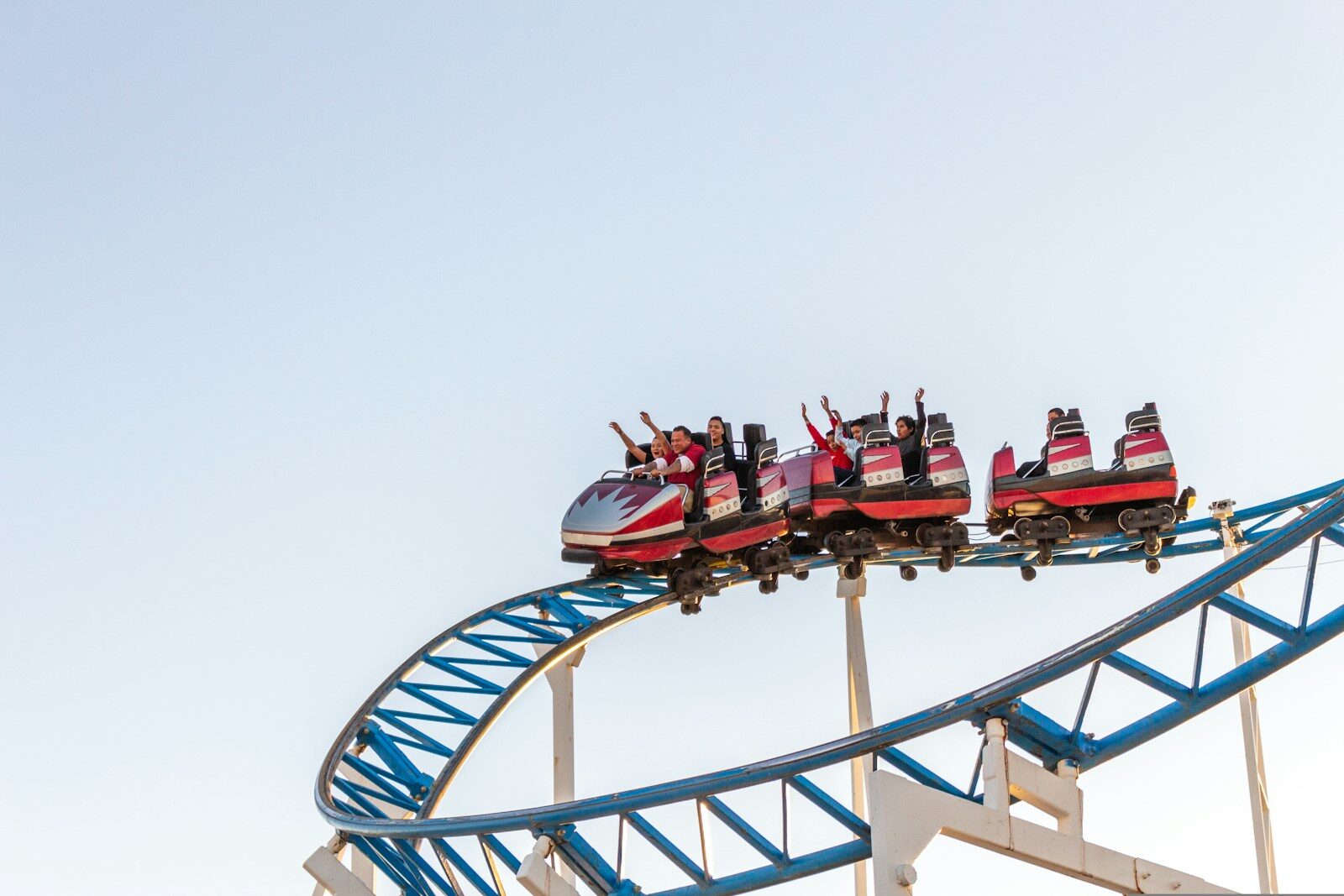
Choosing an amusement park rides factory is not only about selecting a ride from a catalog. It is about choosing a partner that affects delivery timing, documentation quality, installation readiness, staff training, spare parts availability, maintenance planning, and long-term operational safety.
A ride may look suitable in photos or videos, but successful operation depends on whether the factory can produce the ride consistently, supply accurate technical files, support installation, train operators and maintenance staff, and remain available after delivery.
This guide helps buyers move from the first inquiry to safe operation by checking the full project process.
Step 1: Define the Project Scope
Before contacting a factory, buyers should prepare a clear project scope. This helps the factory understand the project and helps buyers compare responses more fairly.
A useful project scope may include:
- Venue type: outdoor park, indoor center, family entertainment venue, tourism zone, or seasonal site
- Target audience: young children, families, teenagers, thrill seekers, or mixed visitors
- Available space, including safety zones, queue areas, and access routes
- Power supply, voltage, frequency, and utility conditions
- Foundation, drainage, shelter, or weather protection needs
- Expected operating hours and seasonal usage
- Local inspection, certification, or documentation requirements
- Total budget, including shipping, installation, training, spare parts, and maintenance
When buyers provide this information early, the factory can give more accurate recommendations. It also reduces the chance of selecting a ride that is too large, too small, too complex, or unsuitable for the site.
Step 2: Select a Ride That Fits the Venue
Ride selection should balance guest appeal, capacity, space, safety, maintenance, and operating cost.
Buyers should consider:
- Passenger capacity per cycle and per hour
- Required footprint and height
- Power consumption
- Staffing requirements
- Maintenance complexity
- Guest experience and theming potential
- Suitability for the target audience
- Safety zone and queue area needs
- Indoor or outdoor operating conditions
- Expected service life
A ride that looks attractive but does not fit the venue may create operational problems. Buyers should avoid choosing only by appearance or price.
Step 3: Confirm Technical Specifications
Buyers should confirm technical details before placing an order.
Important items include:
- Overall dimensions and required footprint
- Height and clearance requirements
- Passenger capacity per cycle and per hour
- Power requirements, voltage, and frequency
- Structural materials and protective coatings
- Control system type
- Safety restraints and interlocks
- Emergency stop systems
- Foundation or anchoring requirements
- Weight and load information
- Operating speed, motion range, and cycle time
- Recommended ambient conditions
These details should be recorded in writing. If changes are made later, both sides should confirm how those changes affect price, delivery time, documentation, installation, or safety.
Step 4: Review Safety Systems
Safety should be one of the first areas buyers explore.
Buyers should ask the amusement park rides factory:
- What safety restraints are included?
- How do interlocks prevent unsafe operation?
- What emergency stop systems are provided?
- Are sensors used for position, speed, or safety monitoring?
- How does the ride respond to power failure or abnormal conditions?
- Are braking systems manual, automatic, or redundant?
- What safety checks are required before daily operation?
- What safety checks are required during maintenance?
Clear answers help buyers understand how the ride is designed to protect guests, operators, and maintenance staff.
Step 5: Evaluate Quality Control
Buyers should ask how quality is controlled during production and before shipment.
Important questions include:
- How are materials selected and verified?
- How are fabrication and welding inspected?
- How is mechanical assembly checked?
- How are electrical systems tested?
- How are safety devices verified?
- How is the finished ride reviewed before delivery?
- Are inspection reports or test records available?
- Can the buyer review production progress or request photos at key stages?
A factory that can explain its quality control process clearly is usually more reliable than one that only provides general marketing descriptions.
Step 6: Confirm Documentation Completeness
Documentation should be treated as a core deliverable.
Buyers should confirm whether the following are available:
- Technical specifications
- Operating manual
- Maintenance manual
- Spare parts list
- Electrical diagrams
- Mechanical drawings
- Safety system description
- Installation guidance
- Inspection checklist
- Operator training materials
- Maintenance staff training materials
Incomplete documentation can create problems long after delivery. Buyers should request documentation before finalizing the purchase, not only after delivery.
Step 7: Check Compliance Cooperation
Compliance requirements vary by country, region, and venue type. Buyers should not assume that a ride automatically meets local approval requirements.
Useful questions include:
- Can the factory provide technical files needed for local inspection?
- Can the ride support third-party review or certification processes?
- Are modifications needed for local voltage, frequency, or safety standards?
- Does the factory have experience exporting to the buyer’s region?
- Can the factory cooperate with inspectors, consultants, or installation teams?
- What compliance responsibilities remain with the buyer?
Factories should provide honest information about what documentation they can supply. Buyers remain responsible for confirming local rules, but a strong factory will cooperate with buyers and their technical teams.
Step 8: Plan Installation and Commissioning
Installation planning should begin before purchase.
Buyers should ask:
- Does the factory provide installation drawings?
- Is remote technical guidance available?
- Can the factory send engineers or technicians for commissioning?
- Who is responsible for foundation work?
- Who handles electrical connections, drainage, or utility preparation?
- Are safety zones, fencing, and queue areas included?
- Is post-installation testing part of the factory’s support?
- What happens if site conditions differ from the original plan?
Clear installation responsibilities help prevent delays, extra costs, and safety concerns.
Step 9: Arrange Training for Operators and Maintenance Staff
Training is essential for safe operation and efficient maintenance.
Buyers should ask:
- Is operator training included?
- Is maintenance staff training included?
- How is training delivered: on-site, remote, video, or written materials?
- Does training cover daily startup, guest loading, restraint checks, emergency stops, abnormal situations, and shutdown?
- Does maintenance training cover inspection points, lubrication, component replacement, testing, and record keeping?
- Can new staff be trained later?
- Are training materials updated if the ride configuration changes?
Training should be practical and specific to the ride being supplied.
Step 10: Plan Spare Parts and After-Sale Service
Long-term operation depends on spare parts and service availability.
Buyers should ask:
- Which parts are considered wear items?
- Are spare parts available after delivery?
- How long does it take to order replacement components?
- Can the factory provide compatible or upgraded parts?
- Is technical support available by phone, email, video call, or on-site visit?
- Does the factory keep records of each ride’s configuration?
- What is the expected response time for technical issues?
- Can the factory provide maintenance schedules?
A ride that uses uncommon components or lacks clear spare parts information may face extended downtime if a failure occurs.
Step 11: Keep Records for Long-Term Operation
A strong operational foundation depends on good records.
Buyers should keep copies of:
- Purchase agreement
- Technical specifications
- Installation drawings
- Commissioning reports
- Operating manual
- Maintenance manual
- Spare parts list
- Electrical and mechanical diagrams
- Training records
- Inspection records
- Maintenance logs
- Spare parts orders
- Service communications
These records help maintenance staff, new operators, inspectors, and technical support teams understand the ride’s history.
Step 12: Compare Factories Using a Balanced View
Price is important, but it should not be the only factor. Buyers should compare amusement park rides factories using a complete project view.
A useful comparison should include:
- Purchase price
- Shipping and import costs
- Foundation and site preparation
- Installation and commissioning
- Training for operators and maintenance staff
- Spare parts package
- Maintenance complexity
- Energy consumption
- Staffing requirements
- Expected service life
- Guest appeal and capacity
- Safety documentation quality
A factory with stronger documentation, better quality control, clearer safety systems, and more reliable after-sale support may offer better long-term value.
Final Thoughts
This buyer’s guide shows that choosing an amusement park rides factory should not be based only on price, photos, or general descriptions. A responsible decision covers project scope, ride selection, technical specifications, safety systems, quality control, documentation, compliance cooperation, installation, training, spare parts, after-sale service, and long-term record keeping.
Buyers who follow a complete process are more likely to choose a factory that supports safe operation, reliable maintenance, and confident long-term project delivery.




