
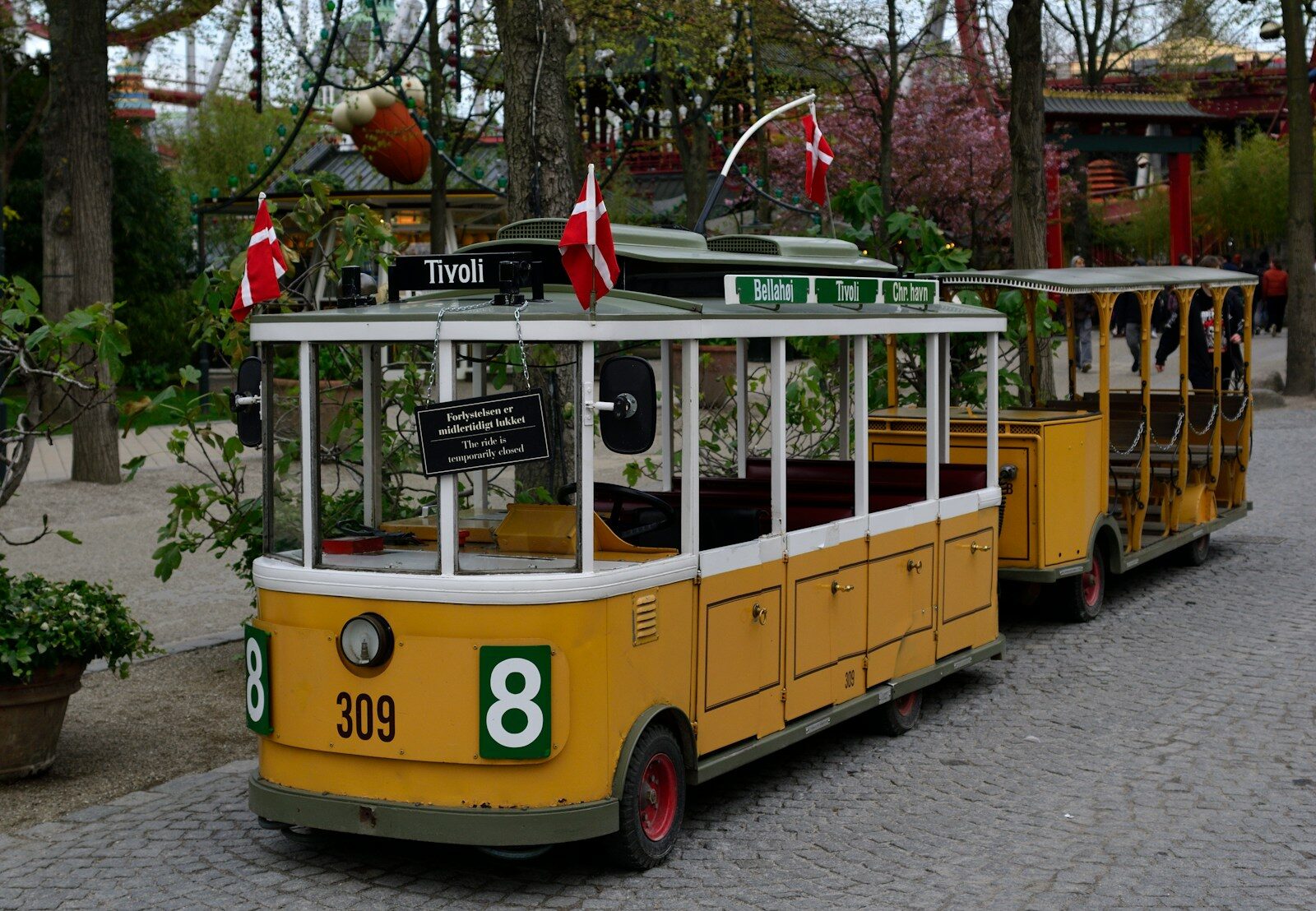
There is a unique charm to the amusement park train for sale that few other attractions can replicate. Whether it is a classic steam locomotive replica chugging along a garden path or a sleek, modern electric tram navigating a crowded midway, these rides offer more than just transportation. They provide a relaxing way to see the sights, a gentle adventure for toddlers, and a nostalgic experience for adults. For park owners, event organizers, and family entertainment center operators, finding the right amusement park train for sale is often a top priority.
Unlike high-thrill coasters that appeal to a specific demographic, a train ride has universal appeal. It is often the first “big kid” ride a child experiences, making it a staple in the industry. However, purchasing one is a significant investment. The market is flooded with options, ranging from simple trackless road trains to complex, multi-car steam replicas. Understanding what to look for when browsing an amusement park train for sale is essential for making a smart business decision.
Why Every Park Needs a Train Ride
Before diving into the technical specifications of an amusement park train for sale, it is important to understand the value these rides bring to a venue. First and foremost, they serve a dual purpose. In large parks, zoos, or botanical gardens, they function as practical transport, moving guests from one end of the property to the other. This increases guest satisfaction by reducing walking fatigue, encouraging visitors to stay longer and spend more money.
Secondly, they are revenue generators. A well-placed train ride can operate continuously with high turnover. Because the ride experience is generally short and the capacity per train is high, operators can serve a large volume of guests per hour. When you are evaluating an amusement park train for sale, consider how it will fit into your park’s flow. Will it be a paid attraction, or a free amenity to encourage foot traffic? The answer will dictate the type of train you should buy.
Types of Trains Available on the Market
When searching for an amusement park train for sale, you will encounter several distinct categories. The most common distinction is between trackless and tracked trains.
Trackless Road Trains:
These are incredibly popular for traveling carnivals, pop-up events, and parks with limited space. A trackless amusement park train for sale usually runs on rubber tires and is steered by a driver, much like a vehicle. They are versatile and can navigate asphalt or concrete paths. The “locomotive” pulls a series of open-air carriages. These are often battery-operated or gas-powered. The main advantage here is flexibility; you can change the route as needed without the expense of laying rails.
Tracked Trains:
For a more authentic experience, a tracked train is the gold standard. These run on fixed rails, which can be embedded in the ground or raised on a trestle. A tracked amusement park train for sale offers a smoother, quieter ride and requires less active steering from the operator. However, the installation cost is higher because the infrastructure (the tracks) must be built. These are best for permanent installations where the route will not change.
Miniature Steam Trains:
For the ultimate in nostalgia, some operators look for a live-steam amusement park train for sale. These are scaled-down versions of real steam locomotives. They require specialized knowledge to operate and maintain, as they involve boilers and high pressure. However, the sight and sound of a real steam train are unmatched in terms of atmosphere.
Key Factors to Consider Before Buying
When you find a promising amusement park train for sale, do not rush the purchase. There are several critical factors to evaluate to ensure the ride is safe, profitable, and suitable for your location.
1. Capacity and Dimensions
The physical size of the train matters. You must measure your available space, including turning radiuses and clearance heights. An amusement park train for sale that is too large may not fit through your park’s gates or around tight corners. Conversely, a train that is too small may not generate enough revenue to justify the investment. Look for the “riders per hour” metric, which tells you how many guests the train can serve in a 60-minute period.
2. Power Source
Most modern trains are either electric (battery) or gas/diesel. Electric trains are quieter and produce no exhaust, making them ideal for indoor malls or eco-friendly parks. However, they require downtime for charging. Gas-powered trains can run longer shifts but are louder and require fuel storage. When inspecting an amusement park train for sale, check the battery health if it is electric, or the engine hours if it is gas.
3. Theming and Aesthetics
The visual appeal of the ride is crucial. A generic plastic train might look out of place in a high-end resort, while a rustic wooden train might not fit in a futuristic sci-fi park. Many manufacturers offer customization. When looking at an amusement park train for sale, ask if the color scheme, lighting, and sound effects can be modified to match your park’s brand.
Safety and Maintenance Requirements
Safety is non-negotiable in the amusement industry. When considering an amusement park train for sale, you must verify that the manufacturer complies with international safety standards, such as ASTM (American Society for Testing and Materials) or EN (European Norm) standards.
Inspect the braking systems carefully. Most modern trains use hydraulic or pneumatic brakes. Ensure that the emergency stop buttons are accessible and functional. Check the coupling mechanisms between the cars; these must be secure to prevent detachment during operation.
Maintenance is another ongoing cost. An amusement park train for sale is a machine with moving parts. Tires wear out, batteries degrade, and paint chips. Ask the seller for maintenance logs. A well-maintained used train can be a bargain, but a neglected one can become a money pit. If buying new, ask about the warranty and the availability of spare parts.
The Cost of Ownership
The price tag on an amusement park train for sale is just the beginning. You must calculate the Total Cost of Ownership (TCO). This includes:
- Shipping and Installation: Trains are heavy and oversized. Shipping can cost thousands of dollars.
- Insurance: Adding a ride to your policy will increase premiums.
- Staffing: You will need trained operators to drive the train and load/unload passengers.
- Repairs: Budget for annual maintenance and unexpected repairs.
By understanding these costs, you can determine the Return on Investment (ROI). If the amusement park train for sale costs $50,000 and generates $20,000 in profit per year, the payback period is 2.5 years. This is a standard calculation that helps justify the purchase to stakeholders.
Where to Find the Best Deals
Finding a high-quality amusement park train for sale requires looking in the right places.
- Direct from Manufacturers: This is the best route for new rides. You get a warranty and can customize the build. Major manufacturers are located in China, Italy, and the USA.
- Industry Auctions: When parks close or upgrade their rides, they often auction off equipment. This is where you can find a used amusement park train for sale at a fraction of the original price.
- Online Marketplaces: Websites dedicated to amusement ride trading list new and used equipment. Always verify the seller’s reputation before transferring funds.
Final Thoughts on Purchasing a Train
Investing in an amusement park train for sale is a decision that can transform the guest experience at your venue. It adds a layer of whimsy and convenience that guests love. Whether you choose a trackless road train for a city park or a steam locomotive for a heritage site, the key is to balance quality, safety, and cost.
Take your time during the selection process. Test drive the train if possible. Ask for references from other park owners. By doing your due diligence, you will find an amusement park train for sale that provides years of reliable service and happy memories for your guests.




