
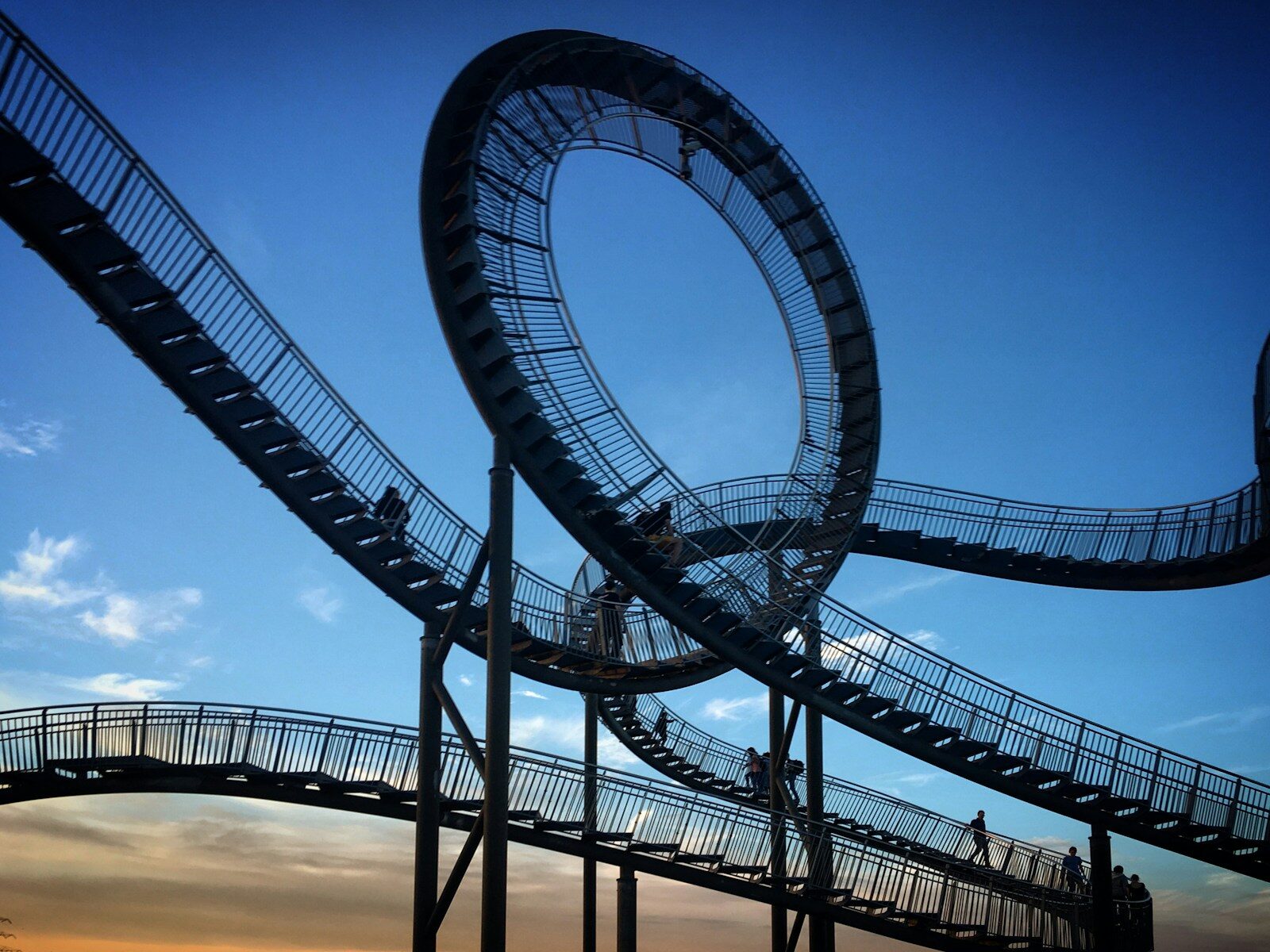
Some of the most beloved attractions in amusement history share a common design principle: they move in circles. From the classic carousel to the modern teacup spinner, circular rides have entertained generations of guests with their gentle, repetitive motion and charming aesthetics. Despite the industry’s focus on ever-larger and more extreme attractions, circular rides continue to hold a special place in parks, fairgrounds, and family entertainment centers around the world. This article explores the different types, mechanics, and enduring appeal of these timeless attractions.
What Defines a Circular Ride
At its most basic, a circular ride is any amusement attraction whose primary motion follows a circular or rotational path around a central axis. This broad definition encompasses a wide range of ride types, from the simplest children’s spinner to complex multi-axis attractions that combine rotation with tilting, elevation changes, and independent vehicle movement.
The key characteristic that unites all circular rides is their rotational motion. This motion creates a sensation of gentle centrifugal force that most riders find pleasant and enjoyable. The predictability of the circular path also makes these rides feel safe and approachable, which is a major factor in their broad demographic appeal.
The Classic Carousel
No discussion of circular rides would be complete without mentioning the carousel. Also known as a merry-go-round, the carousel features a rotating platform with mounted figures — traditionally horses, but also chariots, sea creatures, or fantasy creatures — that move up and down as the platform spins.
The carousel is perhaps the most iconic of all amusement rides. Its ornate design, hand-painted artwork, and calliope music create a sense of nostalgia and whimsy that appeals to guests of all ages. For young children, a carousel ride is often their first experience with an amusement attraction, creating positive associations that last a lifetime.
Modern carousels are available in a range of sizes, from compact two-row models suitable for small venues to grand three-row installations that serve as centerpiece attractions in major theme parks. Customization options include themed figure sets, LED lighting, digital music systems, and climate-controlled enclosures for year-round operation.
Teacup and Spinning Saucer Rides
Teacup rides are a popular variation within the circular rides family. These attractions feature individual cup-shaped vehicles mounted on a rotating platform. Each cup can spin independently while the entire platform rotates, creating a compound motion that riders can control to some degree by turning a wheel or pushing against the interior of the cup.
The teacup ride’s appeal lies in its interactive nature. Riders who want a gentler experience can hold still, while thrill-seekers can spin their cup rapidly to intensify the sensation. This self-regulating intensity makes teacup rides suitable for a wide range of ages and thrill tolerances.
Similar concepts include spinning saucer rides, flying carpet rides, and UFO-themed attractions. All share the fundamental circular motion principle while offering unique visual themes and ride experiences.
Ferris Wheels and Observation Wheels
The Ferris wheel is one of the most recognizable circular rides in the world. Its vertical rotation provides riders with panoramic views of the surrounding area, making it both an attraction and a vantage point. Modern observation wheels have grown to impressive scales, with some exceeding 100 meters in height and offering enclosed, climate-controlled passenger capsules.
Smaller Ferris wheels remain popular at traveling fairs and family parks, where their colorful lighting and gentle motion create a festive atmosphere. The Ferris wheel’s iconic silhouette also serves as a visual landmark that helps define a park’s skyline.
Round-Up and Rotor-Style Rides
At the more thrilling end of the circular rides spectrum are attractions like the Round-Up, the Gravitron, and similar rotor-style rides. These attractions spin riders at high speeds inside an enclosed or partially enclosed structure, generating significant centrifugal force that presses riders against the walls.
While these rides are more intense than carousels or teacups, they still rely on circular motion as their primary operating principle. Their appeal lies in the visceral sensation of force and the social experience of sharing the ride with friends and family members.
Operational Advantages
Circular rides offer several operational advantages that make them attractive to park operators. Their relatively simple mechanical designs typically result in lower maintenance costs and higher reliability compared to more complex attractions. The circular motion is gentle on mechanical components, reducing wear on bearings, drive systems, and structural connections.
Throughput is another strength. Many circular rides can load and unload passengers continuously or in rapid succession, resulting in high rider-per-hour capacity. This efficiency translates directly to revenue, especially during peak operating periods.
Staffing requirements are generally modest. Most circular rides can be operated by a single attendant who manages loading, dispatching, and unloading, allowing parks to maximize labor efficiency.
Theming Opportunities
The circular form factor lends itself beautifully to creative theming. A carousel can be designed as a fairy-tale kingdom, an underwater adventure, or a vintage carnival. Teacup rides can be themed as a mad hatter’s tea party, a space station, or a garden of giant flowers. The rotational motion creates natural opportunities for dynamic lighting, synchronized music, and animated elements that enhance the guest experience.
Investing in quality theming transforms a standard circular ride into a signature attraction that guests photograph, share on social media, and remember long after their visit.
Placement and Space Efficiency
Circular rides are generally space-efficient. Their compact footprints make them suitable for parks with limited available area, and their circular layout allows for flexible placement within existing park designs. A carousel or teacup ride can fill an awkward corner, anchor a family zone, or serve as a transition element between themed areas.
Because most circular rides are relatively low in height, they do not dominate sightlines or create wind issues for neighboring attractions. This makes them ideal for parks that want to offer a diverse ride portfolio without the spatial demands of large coasters or drop towers.
Final Thoughts
Circular rides represent the heart and soul of the amusement industry. They are the rides that introduce children to the joy of amusement parks, provide families with shared experiences, and create the festive atmosphere that defines a great entertainment venue. Whether you operate a major theme park, a neighborhood fun center, or a traveling carnival, incorporating well-chosen circular rides into your attraction lineup is a proven strategy for delivering consistent guest satisfaction and reliable operational performance.




