
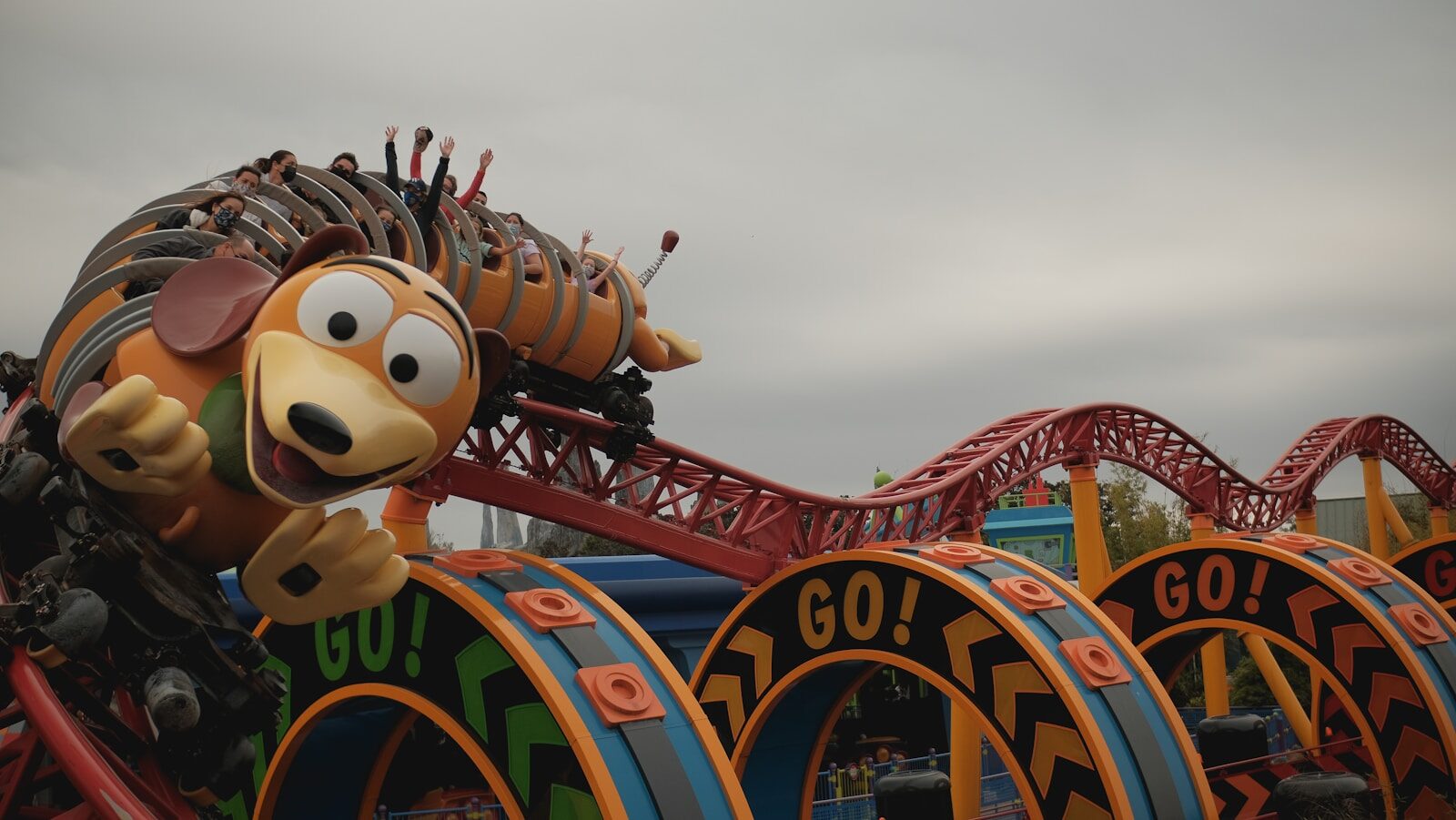
Theme parks are in a constant arms race to deliver bigger, faster, taller, and more intense experiences. At the forefront of this competition are extreme theme park rides — attractions that subject riders to high speeds, steep drops, inversions, powerful launches, and extended periods of airtime. These rides serve as headline attractions that generate media coverage, drive ticket sales, and create lasting memories for thrill-seeking guests. This article examines the technology, engineering, safety systems, and business rationale behind these spectacular machines.
Defining What Makes a Ride “Extreme”
The term “extreme” is subjective, but within the amusement industry, extreme theme park rides generally share several characteristics. They typically feature speeds exceeding 80 kilometers per hour, drops of 30 meters or more, multiple inversions, sustained positive or negative G-forces, or unconventional motion profiles that disorient and exhilarate riders.
Categories of extreme rides include launched roller coasters using hydraulic, pneumatic, linear synchronous, or linear induction motor propulsion systems; giant pendulum rides that swing riders past vertical; drop towers that free-fall passengers from extreme heights; spinning wild mouse coasters with tight turns and sudden drops; and hybrid attractions that combine elements from multiple ride types.
What unites all extreme theme park rides is their ability to create an intense emotional response — a mixture of fear, anticipation, and euphoria that keeps riders coming back for more.
The Engineering Behind the Thrill
Designing extreme theme park rides requires extraordinary engineering expertise. Every element of the ride — from the track geometry to the restraint system — must be calculated to deliver the desired sensations while keeping forces within safe limits for the human body.
Roller coaster designers use sophisticated computer simulations to model train dynamics through every element of the track layout. They analyze velocity profiles, G-force distributions, lateral forces, and transition curves to ensure that the ride delivers excitement without causing discomfort or injury. Modern design software allows engineers to iterate rapidly, testing dozens of layout variations before settling on a final configuration.
Structural engineering is equally demanding. The support structures for extreme rides must withstand enormous dynamic loads, including the weight of multiple loaded trains, wind forces, thermal expansion, and seismic activity. High-strength steel fabrication techniques, precision welding, and computer-aided manufacturing ensure that every component meets exacting specifications.
Launch Systems and Propulsion Technology
One of the most exciting developments in extreme theme park rides has been the evolution of launch systems. Traditional chain lift hills have been supplemented — and in some cases replaced — by powerful launch mechanisms that accelerate trains from zero to high speeds in seconds.
Hydraulic launch systems use pressurized fluid to drive a catch car that pulls the train forward. These systems can achieve remarkable acceleration rates but require significant maintenance due to the extreme pressures involved. Linear synchronous motor and linear induction motor launches use electromagnetic forces to propel trains along the track. These systems are smoother, more energy-efficient, and allow for precise speed control.
Some cutting-edge extreme theme park rides feature multiple launches within a single circuit, creating a dynamic experience that builds intensity throughout the ride. The technology continues to evolve, with manufacturers constantly seeking new ways to surprise and delight riders.
Restraint Innovation
As ride intensity has increased, so too has the sophistication of restraint systems. Modern extreme theme park rides employ a variety of restraint configurations designed to keep riders securely in place while maximizing comfort and minimizing restriction.
Over-the-shoulder restraints with hydraulic locking provide secure upper body containment for rides with inversions. Lap bar restraints with ratcheting or hydraulic mechanisms are preferred for rides that emphasize airtime, as they allow greater upper body freedom. Some cutting-edge designs use vest-style restraints that distribute force across the torso for a more comfortable experience during high-force elements.
Redundant safety systems are standard. Each restraint incorporates multiple independent locking mechanisms, and proximity sensors verify that every restraint is properly secured before the ride control system permits dispatch. This multi-layered approach ensures that even in the unlikely event of a single component failure, the rider remains safely secured.
Safety Systems and Testing Protocols
Safety is paramount in the design and operation of extreme theme park rides. Before any extreme ride opens to the public, it undergoes extensive testing that includes thousands of empty test cycles, weighted test cycles using water dummies, and supervised test runs with ride technicians.
Instrumented test trains equipped with accelerometers and data loggers record G-forces, vibration levels, and track alignment data throughout the circuit. Engineers analyze this data to verify that the ride performs within design parameters and to identify any areas requiring adjustment.
Once operational, extreme rides are subject to rigorous daily, weekly, and annual inspection protocols. Non-destructive testing methods such as ultrasonic inspection and magnetic particle inspection are used to detect microscopic cracks in critical structural components. Load cells monitor forces on key structural members in real time, and automated systems can halt the ride if readings exceed predetermined thresholds.
The Business Case for Extreme Attractions
From a business perspective, extreme theme park rides serve as powerful marketing tools. A new extreme ride generates significant media coverage, social media engagement, and word-of-mouth buzz. It gives potential visitors a compelling reason to choose one park over another and can drive attendance increases of 15 to 30 percent in the year following installation.
The investment required for an extreme ride is substantial — often ranging from several million to tens of millions of dollars depending on complexity and scale. However, the revenue potential is equally significant. Extreme rides command premium pricing on pay-per-ride systems, drive merchandise sales through themed retail, and create sponsorship opportunities with brands seeking association with excitement and innovation.
Parks that invest in extreme attractions often find that these rides become defining features of their brand identity. When guests think of a particular park, they recall the record-breaking coaster or the terrifying drop tower, and those memories translate into repeat visits and loyal customer relationships.
Operational Considerations
Operating extreme theme park rides requires specialized staff training and robust operational procedures. Ride operators must be thoroughly trained in normal operating procedures, emergency evacuation protocols, guest interaction, and incident response. The physical demands of the job are higher for extreme rides, as operators must remain vigilant and responsive throughout long shifts.
Queue management is another important consideration. Popular extreme rides often generate long wait times, and parks must invest in queue infrastructure — including shade structures, interactive elements, and virtual queue systems — to maintain guest satisfaction during the wait.
Weather sensitivity is a factor for outdoor extreme rides. High winds, lightning, and heavy rain may require temporary ride closures. Parks must have clear communication protocols to inform guests of delays and manage expectations effectively.
The Future of Extreme Rides
The future of extreme theme park rides is bright and full of innovation. Manufacturers are exploring new ride concepts that combine virtual reality, augmented reality, and physical ride motion to create hybrid experiences that blur the line between the real and the virtual. Advances in materials science are enabling lighter, stronger track structures, while improvements in electric motor technology are making launch systems more powerful and efficient.
Sustainability is also becoming a focus. Some manufacturers are developing energy recovery systems that capture kinetic energy during braking and feed it back into the ride’s power supply, reducing overall energy consumption. As environmental concerns grow, parks that adopt sustainable technologies will gain a competitive advantage.
Final Thoughts
Extreme theme park rides represent the pinnacle of amusement engineering — a fusion of physics, creativity, and business strategy that delivers unforgettable experiences to millions of guests worldwide. For operators willing to make the investment, these attractions offer unparalleled marketing power, strong revenue generation, and the satisfaction of providing guests with moments of pure exhilaration that they will remember for a lifetime.




