
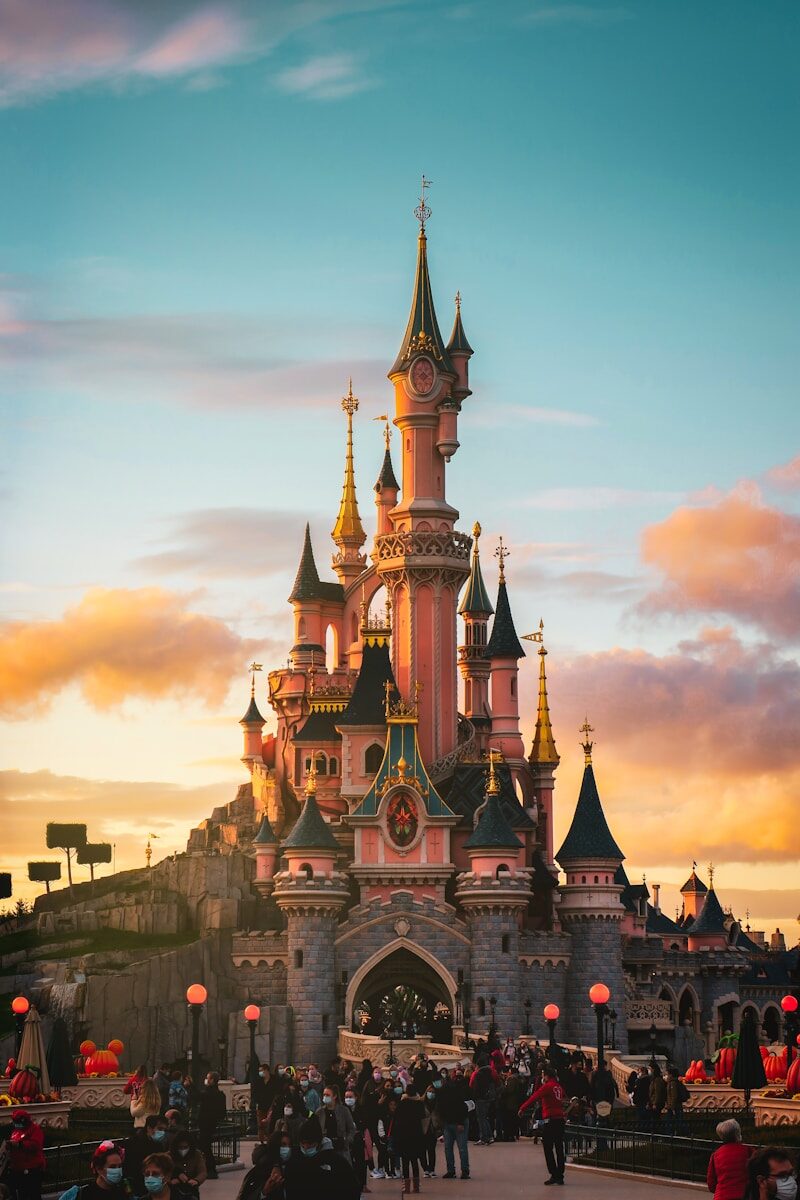
Behind every thrilling roller coaster, every gently spinning carousel, and every towering Ferris wheel lies a complex network of components working in harmony. These amusement park parts are the building blocks that ensure rides operate safely, smoothly, and reliably day after day. For park operators, maintenance teams, and procurement managers, understanding the different categories of parts and their functions is essential for effective facility management. This article provides a comprehensive look at the key components that make up modern amusement rides.
Structural Components
The structural framework of any ride forms its skeleton. These amusement park parts include steel beams, support columns, track sections, foundation bolts, and platform structures. They are typically fabricated from high-strength steel or, in some cases, reinforced aluminum alloys. The structural components must withstand not only the static weight of the ride itself but also the dynamic forces generated during operation — including centrifugal forces, gravitational loads, wind pressure, and seismic activity in earthquake-prone regions.
Regular inspection of structural parts is non-negotiable. Welds should be checked for cracks, bolts must be torqued to specification, and corrosion protection coatings should be maintained. A failure in any structural component can have catastrophic consequences, which is why park operators invest heavily in preventive maintenance programs.
Mechanical Drive Systems
The drive system is the heart of any ride’s motion. Common amusement park parts in this category include electric motors, gearboxes, drive shafts, chain drives, belt drives, hydraulic pumps, and pneumatic actuators. The type of drive system varies depending on the ride classification. A carousel might use a simple motor-and-gearbox arrangement, while a launched roller coaster may employ linear induction motors or hydraulic launch systems capable of accelerating a train from zero to over 100 kilometers per hour in seconds.
Maintenance of drive systems involves monitoring lubrication levels, checking belt and chain tension, inspecting gear teeth for wear, and measuring vibration levels to detect misalignment or bearing degradation before they lead to failures.
Wheel and Track Assemblies
For rides that travel along a fixed path — such as roller coasters, dark rides, and train rides — the wheel and track assembly is critical. These amusement park parts include running wheels, guide wheels, up-stop wheels, track rails, switch mechanisms, and braking fins. The wheels are typically made from polyurethane or nylon compounds that provide a balance of grip, durability, and noise reduction.
Track sections must be precisely aligned to ensure smooth transitions between elements. Even minor deviations can cause excessive vibration, accelerated wear, or an uncomfortable ride experience. Modern track fabrication techniques use computer-controlled bending and welding to achieve tolerances within fractions of a millimeter.
Restraint and Safety Systems
Rider restraint systems are among the most safety-critical amusement park parts on any ride. These include lap bars, over-the-shoulder harnesses, seat belts, ratcheting mechanisms, hydraulic locking cylinders, and proximity sensors that confirm each restraint is properly secured before the ride can dispatch.
Modern restraint systems often incorporate redundant locking mechanisms and electronic sensors that communicate with the ride’s programmable logic controller. If any restraint is not fully locked, the system prevents the ride from starting. Operators should test restraint functionality at the beginning of each operating day and document the results.
Electrical and Control Systems
The brain of every modern ride is its control system. Key amusement park parts in this category include programmable logic controllers, variable frequency drives, sensor arrays, operator control panels, emergency stop circuits, and communication networks. These systems coordinate every aspect of ride operation — from dispatch timing and speed control to braking sequences and evacuation procedures.
Advances in control system technology have made rides safer and more efficient than ever before. Remote monitoring capabilities allow manufacturers to diagnose issues in real time, sometimes resolving problems without sending a technician on site. However, this also means that cybersecurity has become an emerging concern, and operators must ensure their ride control networks are properly protected.
Theming and Decorative Elements
While not mechanically essential, theming elements are vital to the guest experience. These amusement park parts include fiberglass sculptures, painted facades, LED lighting arrays, audio systems, fog machines, animatronic figures, and special effects equipment. Theming transforms a simple mechanical ride into an immersive experience that transports guests to another world.
Maintaining decorative elements requires attention to weather resistance, UV protection, and structural attachment. Outdoor theming pieces must withstand rain, sun, wind, and temperature fluctuations without fading, cracking, or deteriorating.
Spare Parts Inventory Management
Smart park operators maintain a strategic inventory of critical amusement park parts to minimize downtime when replacements are needed. This typically includes high-wear items such as wheels, bearings, belts, fuses, sensors, and hydraulic seals. Having these parts on hand means that minor issues can be resolved quickly without waiting for shipments.
Work with your ride manufacturer or supplier to develop a recommended spare parts list tailored to your specific equipment. This list should be reviewed annually and updated based on actual usage patterns and failure history.
The Importance of Quality
Not all amusement park parts are created equal. Using genuine, manufacturer-approved components ensures compatibility, reliability, and compliance with safety standards. Aftermarket or counterfeit parts may be cheaper but can introduce risks that far outweigh the initial savings. Always source parts from authorized distributors or directly from the original equipment manufacturer.
Final Thoughts
Understanding the diverse range of amusement park parts and their roles within ride systems empowers operators to make better maintenance decisions, reduce unexpected downtime, and provide a safer, more enjoyable experience for guests. Whether you manage a single ride or an entire theme park, investing in quality components and proactive maintenance is the foundation of long-term operational success.




