
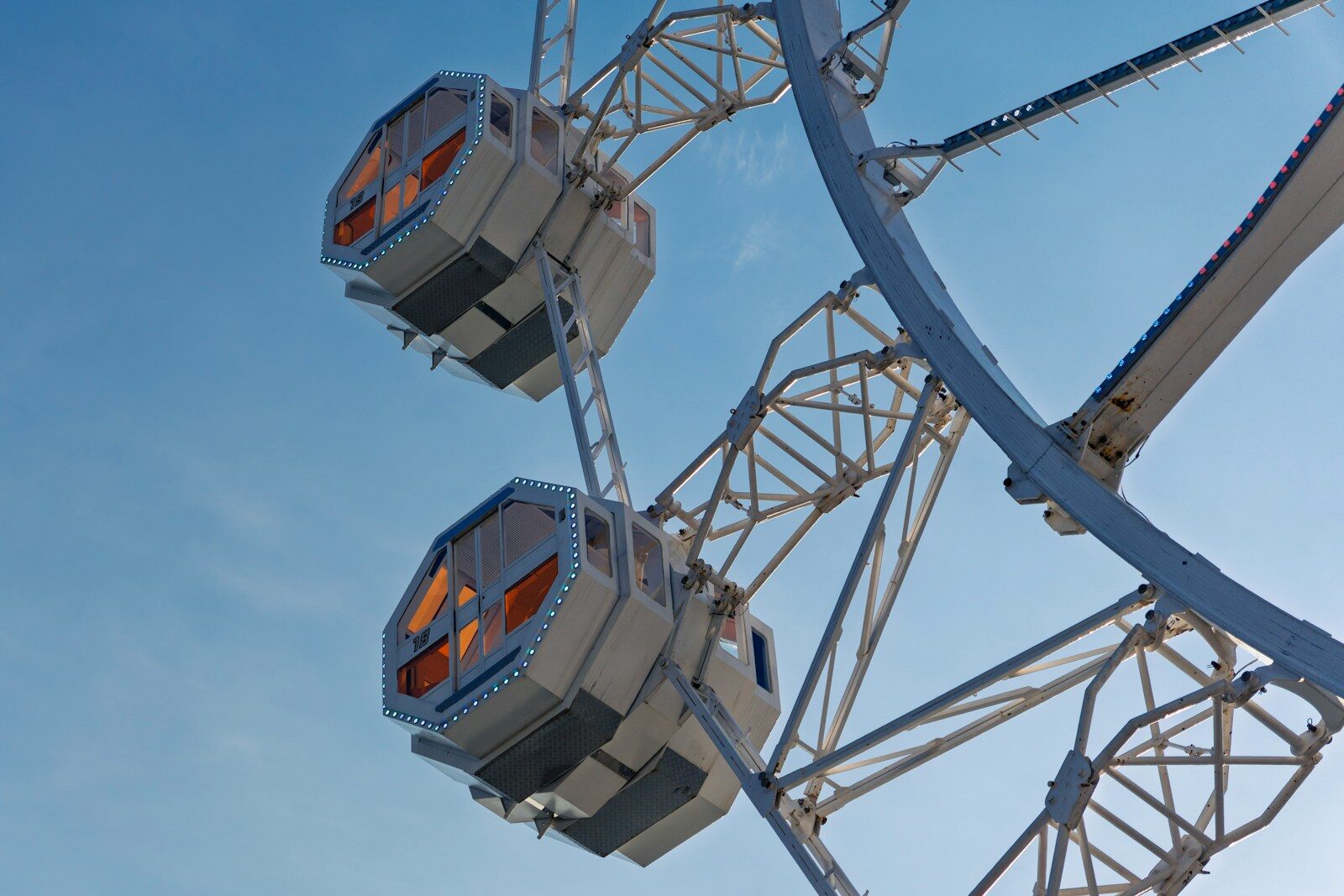
Thrilling rides have always been one of the strongest attractions in amusement parks. They draw attention from a distance, create excitement in queue lines, and give guests a reason to return. A park may offer games, food, shows, and family attractions, but thrilling rides often become the experiences people remember most clearly.
The appeal of thrilling rides is not only about speed or height. It is about emotion. Riders feel anticipation before boarding, excitement during the ride, and a sense of accomplishment afterward. These emotional moments are what make thrilling rides so effective as park attractions.
Modern parks understand that thrilling rides are not just mechanical experiences. They are social experiences, storytelling opportunities, and brand-defining attractions. A single well-designed ride can shape how guests view an entire park.
How Thrilling Rides Create Emotional Impact
A great thrilling ride works because it controls emotion. It does not simply move guests from one point to another. It builds tension, releases it, and then builds it again.
The experience often begins in the queue. Guests may see part of the ride structure, hear music or sound effects, or watch other riders return with strong reactions. This creates anticipation. By the time guests reach the loading area, they already have expectations.
During the ride, thrilling rides use movement, speed, height, direction changes, and surprise to create intensity. A sudden drop can create shock. A long climb can create suspense. A fast turnaround can create energy. A smooth finale can give riders time to process the experience.
After the ride, the emotional impact continues. Guests often laugh, talk, check ride photos, or decide to ride again. This post-ride reaction is one reason why thrilling rides generate so much word-of-mouth interest.
Types of Thrilling Rides in Modern Parks
Parks use different types of thrilling rides to appeal to different audiences. Not every guest wants the same level of intensity, so parks offer a range of experiences.
Roller coasters are among the most common thrilling rides. They can range from family-friendly layouts to extreme high-speed experiences.
Drop towers create a strong vertical experience, often combining height with sudden movement.
Swing rides add motion and height, giving riders a sense of movement through open space.
Spinning rides use rotation to create disorientation and excitement.
Water rides can include steep drops, splashes, and themed scenes, making them popular in warm climates.
Motion simulators create immersive experiences without the large physical footprint of a traditional coaster.
Each type of thrilling ride creates a different sensation. Some focus on height, others on speed, rotation, water, or storytelling.
Family-Friendly Thrilling Rides
Not all thrilling rides are designed for extreme intensity. Many parks include family-friendly versions that allow children, teens, and adults to share the experience together.
These rides usually have moderate speed, gentler forces, and accessible restraints. They help younger guests build confidence before trying larger attractions. For parents, they offer a way to enjoy excitement without feeling overwhelmed.
Family-friendly thrilling rides are especially important because they expand the audience for a park. A destination that only appeals to extreme thrill seekers may attract fewer repeat visitors. A park with a balanced mix of experiences can serve families, school groups, casual tourists, and dedicated ride fans.
Theming and Immersion in Thrilling Rides
Modern thrilling rides often go beyond physical movement. Parks use theming to make rides feel like part of a larger story. A simple drop tower can become a launch sequence. A spinning ride can become a journey through a fantasy world. A coaster can become an adventure through a ruined city, deep ocean, or distant planet.
Theming adds layers to thrilling rides. Visual scenery, lighting, sound, music, and ride vehicles all help guests feel connected to the experience. This is especially important for parks that want to create immersive environments rather than simple collections of attractions.
A well-themed thrilling ride can feel more memorable than a ride that relies only on intensity. Guests may forget exact speeds or heights, but they often remember strong visual moments, story beats, and emotional surprises.
Safety and Guest Confidence
Thrilling rides must balance excitement with safety. Guests want to feel challenged, but they also want to feel protected. If a ride feels unsafe, the experience becomes uncomfortable rather than thrilling.
Safety begins with design. Ride structures, restraints, control systems, and braking zones must all be planned carefully. Operators must also follow strict procedures for loading, dispatching, inspecting, and maintaining the ride.




