
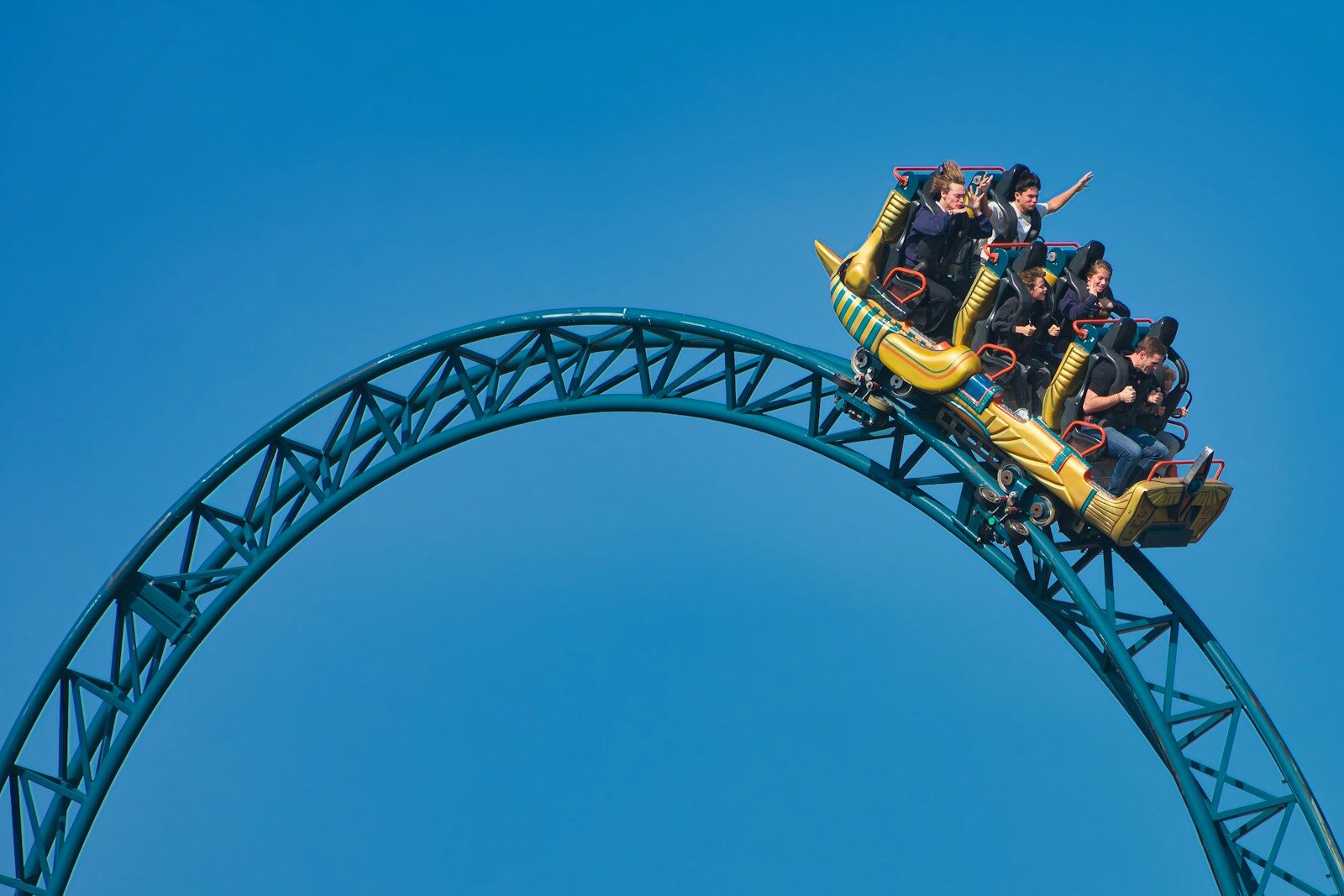
An amusement project is more than a collection of rides, games, or entertainment facilities. At its best, it is a carefully planned experience environment where location, audience, attractions, operations, safety, and brand identity must work together. Whether the project is a small family entertainment center, a regional amusement park, a children’s theme area, a commercial leisure destination, or a tourism-supported entertainment complex, the same core principle applies: early decisions shape long-term performance.
Many amusement projects succeed because they are built around a clear audience and a realistic operating model. Others struggle because they focus too early on equipment selection, visual design, or promotional ideas without first answering basic questions: Who is the guest? Why will they come? How long will they stay? What will make them return? How will the project operate safely and profitably over time?
For investors, developers, operators, and designers, a disciplined amusement project process reduces risk. It turns a broad entertainment idea into a structured plan with measurable goals, realistic budgets, clear responsibilities, and a practical path from concept to opening.
Define the Project Type Before Choosing Attractions
The first mistake in many amusement projects is choosing attractions before defining the project type. Equipment should follow strategy, not lead it.
A children’s amusement project needs safe, age-appropriate, parent-friendly facilities with strong sightlines, soft play areas, family rest zones, and simple interactive experiences. A family-oriented regional park needs a balanced mix of gentle rides, signature attractions, food service, shade, and queue comfort. A youth-focused thrill project may prioritize high-intensity rides, photo opportunities, social sharing moments, and faster guest throughput. A tourism-driven project may need stronger cultural identity, seasonal programming, accommodation links, and destination appeal.
The project type determines nearly everything that follows:
- Site size and layout
- Attraction intensity and capacity
- Staffing structure
- Safety requirements
- Ticketing or membership model
- Food, retail, and service needs
- Marketing direction
- Maintenance and renewal plan
Before comparing suppliers or ride catalogs, the project team should clearly define whether the amusement project is local, regional, tourism-based, indoor, outdoor, seasonal, year-round, family-focused, youth-focused, or mixed-use.
Understand the Target Audience
An amusement project cannot serve everyone equally. The more specific the audience definition, the stronger the design, marketing, and operational decisions become.
A useful audience analysis should consider:
- Age range of primary guests
- Family composition, including children, parents, and grandparents
- Local residents versus tourists
- Visit frequency, such as one-time visitors, weekend guests, or repeat members
- Spending capacity and price sensitivity
- Weather tolerance and travel distance
- Safety expectations
- Entertainment preferences
- Photo, social media, and experience-sharing habits
A project near dense residential communities may succeed with strong children’s play,亲子互动, birthday parties, and membership programs. A project in a tourist destination may need stronger visual identity, signature attractions, cultural themes, and seasonal events. A commercial entertainment project inside a shopping center may depend more on short visit duration, impulse participation, and repeat local traffic.
Understanding the audience helps avoid a common problem: building a project that looks attractive in design but does not match the real behavior of nearby guests.
Choose a Site That Supports Operations
Location is one of the most important factors in an amusement project. A good site is not only about land size or visual appeal; it must also support daily operations, guest arrival, parking, emergency access, noise control, drainage, power supply, staffing, and long-term expansion.
Key site considerations include:
- Accessibility by car, public transport, walking routes, or tourist circulation
- Parking capacity and traffic flow
- Visibility and entrance clarity
- Surrounding land use and noise restrictions
- Climate conditions, including heat, rain, wind, and seasonal demand
- Drainage, slope, foundation conditions, and flood risk
- Utility capacity for electricity, water, drainage, and fire safety
- Emergency evacuation routes
- Space for queues, rest areas, food service, and staff areas
- Future expansion potential
A site that looks inexpensive at the beginning may become costly if it requires major infrastructure upgrades, complex approvals, or constant operational adjustments. The best amusement project sites balance location convenience, construction feasibility, operating cost, and guest comfort.
Build a Balanced Attraction Mix
Attractions are the most visible part of an amusement project, but they should not be selected randomly. A strong attraction mix supports different guest needs, spreads demand across the day, encourages longer stays, and creates multiple reasons for guests to return.
A balanced mix usually includes:
- One or more signature attractions that create identity
- Family-friendly attractions for shared experiences
- Children’s attractions for younger guests
- Interactive or participatory experiences
- Rest, shade, food, and service areas
- Photo-friendly or social-sharing moments
- Low-intensity options for guests who do not want thrill rides
- Seasonal or event-based experiences for repeat visits
Operators should also consider throughput. A highly attractive ride with very low capacity can create long queues, guest frustration, and operational pressure. A park with many small attractions but no clear highlight may feel scattered and forgettable. The goal is not simply to add more equipment, but to create a guest journey that feels complete, comfortable, and memorable.
Design for Safety, Comfort, and Flow
Safety must be part of the amusement project from the earliest planning stage, not added later as an afterthought. Comfort and guest flow are equally important.
A safe and comfortable project should consider:
- Clear entrance and exit routes
- Separate pedestrian and vehicle areas
- Queue management and shaded waiting zones
- Non-slip surfaces, guardrails, and protective fencing
- Age, height, and health restrictions displayed clearly
- Staff supervision points and emergency access
- First aid, lost-child procedures, and incident reporting
- Weather protection, drainage, and lighting
- Accessible routes for guests with special needs
- Clean restrooms, drinking water, and rest areas
Guest flow design matters because it affects both experience and revenue. If guests cannot move naturally between attractions, food areas, restrooms, and exits, the project may feel crowded even when capacity is not full. Good flow reduces congestion, improves safety, and increases the chance that guests will spend more time and money on site.
Plan Operations Before Opening
Many amusement projects focus heavily on design and construction, then underestimate the complexity of daily operations. A successful project needs trained staff, clear procedures, maintenance schedules, ticketing systems, customer service standards, and emergency plans before the first guest arrives.
Operational planning should include:
- Staff recruitment and training
- Ride and facility operating procedures
- Opening and closing checklists
- Daily safety inspections
- Maintenance logs and spare parts management
- Queue management and crowd control
- Lost-and-found and customer complaint handling
- Weather response plans
- Power failure and evacuation procedures
- Cleaning, sanitation, and waste management
- Cashless payment, ticketing, and membership systems
Operations are where guest experience becomes real. A beautiful amusement project with poor staffing, unclear rules, slow service, or weak maintenance will quickly damage its reputation. A simpler project with strong operations can often outperform a more expensive one with weak management.
Budget for Total Lifecycle Cost
The most important financial question in an amusement project is not only how much it costs to build, but how much it costs to operate, maintain, renew, and market over time.
A realistic budget should include:
- Land, design, and approval costs
- Construction and infrastructure
- Attraction equipment and installation
- Theming, lighting, signage, and landscaping
- Ticketing, payment, and management systems
- Staff training and pre-opening operations
- Marketing and launch campaigns
- Insurance, utilities, and daily consumables
- Routine maintenance and spare parts
- Seasonal decoration and event programming
- Equipment renewal and experience updates
Operators should also plan for renewal. Guest expectations change, equipment wears out, and competitors introduce new experiences. An amusement project that has no renewal budget may feel outdated within a few years, even if it opened with strong design.
Marketing Should Match the Guest Journey
Marketing for an amusement project should not begin only after construction is finished. The strongest projects build audience understanding, brand identity, and booking pathways early.
Effective marketing usually focuses on:
- Clear positioning, such as family fun, children’s play, thrill rides, or cultural tourism
- Easy online discovery and booking
- Photo-friendly moments that encourage sharing
- Membership, group, school, birthday, or corporate packages
- Seasonal events to drive repeat visits
- Partnerships with hotels, schools, travel agencies, shopping centers, or local tourism platforms
- Customer reviews, safety communication, and service transparency
For local projects, repeat visitation is often more important than one-time grand openings. For tourism projects, online visibility, package design, and destination partnerships may matter more. The marketing plan should always connect back to the real reasons guests choose to visit.
Use a Clear Development Process
A well-managed amusement project usually follows a staged process rather than jumping directly into construction.
A practical development sequence includes:
- Market and audience research to confirm demand and positioning
- Concept design to define theme, attractions, guest flow, and services
- Site assessment to check infrastructure, safety, access, and expansion potential
- Preliminary budgeting to test financial feasibility
- Detailed design and equipment selection based on audience and operations
- Approval, procurement, and construction management
- Staff training and operational testing
- Soft opening to identify service and safety issues
- Official opening with focused marketing
- Ongoing maintenance, event planning, and experience renewal
This process helps prevent costly changes during construction and ensures that design, operations, safety, and marketing are aligned.
Common Mistakes to Avoid
Several mistakes appear repeatedly in amusement projects.
- Choosing equipment before defining the audience
- Copying another project without understanding local demand
- Underestimating parking, restrooms, shade, and service areas
- Designing for opening day but not for long-term maintenance
- Ignoring staff training and operational procedures
- Overloading the site with attractions but creating poor guest flow
- Treating safety as a checklist instead of a design principle
- Failing to plan for seasonal updates and equipment renewal
- Relying only on initial marketing instead of building repeat visitation
Avoiding these mistakes does not guarantee success, but it significantly improves the chance that the amusement project will be safe, efficient, enjoyable, and financially sustainable.
Final Thoughts
A successful amusement project depends on more than attractive rides or impressive design. It requires a clear audience, a suitable site, a balanced attraction mix, strong safety planning, practical operations, realistic budgeting, and marketing that supports repeat visits.
Investors and operators who treat an amusement project as a long-term experience business, not just a construction project, are more likely to create destinations that guests trust, enjoy, and return to again.




