
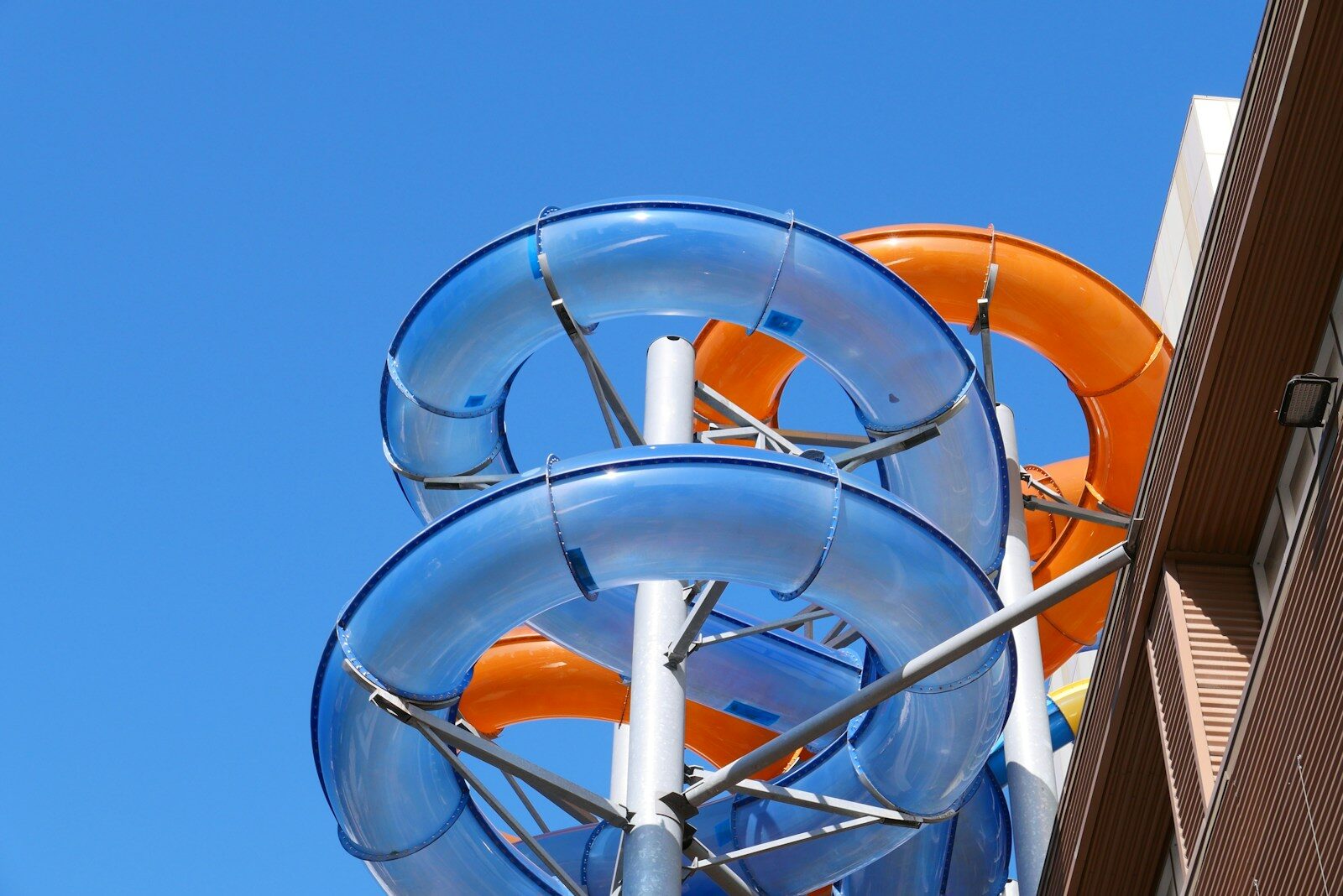
The water park industry has grown into a global market worth billions of dollars, and at the center of nearly every successful facility stands one attraction type: the water park slide. From towering multi-story drops that launch riders into near-freefall to gentle winding channels designed for toddlers, the water park slide category encompasses an extraordinary range of experiences. Yet despite this diversity, every water park slide shares a common objective — to create a memorable, repeatable moment of excitement that sends guests back to the top of the queue.
Understanding what makes a water park slide successful requires looking beyond the visible structure to the engineering, physics, safety systems, and experience design principles that operate beneath the surface. The most popular water park slide installations in the world are not simply tall or fast. They are carefully designed experiences that balance intensity with comfort, surprise with predictability, and thrill with safety.
The Physics Behind Every Water Park Slide
At its most fundamental level, a water park slide converts gravitational potential energy into kinetic energy. A rider climbs to an elevated starting point, enters the slide channel, and gravity pulls them downward through a carefully engineered path. Water serves multiple functions in this system: it lubricates the slide surface to reduce friction, it creates a cushioning layer between the rider and the slide wall, and it provides the hydrodynamic forces that influence speed, direction, and rider behavior throughout the descent.
The design of a water park slide must account for the complex interaction between gravity, friction, water flow, rider mass, and channel geometry. Too much friction slows the rider to an uncomfortable stop. Too little friction allows dangerous speeds. Channel curves must generate enough centripetal force to keep riders pressed against the outer wall without creating forces that cause discomfort or injury. Transitions between straight sections and curved sections must be smooth enough to prevent sudden jolts that could throw riders into unsafe positions.
Modern water park slide manufacturers use computational fluid dynamics and finite element analysis to model these forces before a single piece of fiberglass is laid. This engineering approach allows designers to predict rider speed at every point along the slide, calculate the exact water flow rate needed to maintain safe operating conditions, and optimize the channel geometry for maximum thrill within defined safety parameters.
Categories of Water Park Slide Experiences
The water park slide category has diversified dramatically over the past several decades. What began as simple straight chutes has evolved into a vast landscape of ride experiences, each targeting different emotional responses and physical sensations.
Body Slides represent the most traditional water park slide format. Riders descend on their backs or stomachs with no vehicle or mat, experiencing direct contact with the slide surface. These slides range from gentle family-friendly channels to steep near-vertical drops. The simplicity of body slides makes them accessible and intuitive, requiring minimal instruction and appealing to guests who want a pure sliding experience.
Tube Slides place riders inside single or multi-person inflatable tubes that travel through enclosed or partially enclosed channels. The tube adds a layer of unpredictability — riders spin, bounce, and rotate as they descend, creating a different experience on every run. Enclosed tube slides add the psychological element of darkness, where riders cannot see what comes next, amplifying anticipation and surprise.
Bowl Slides feature a large funnel or bowl-shaped element that captures the rider’s momentum and swings them back and forth before directing them toward the exit. The bowl creates a distinctive sensation of weightlessness at the top of each oscillation and intense G-forces at the bottom. Water park slide designs incorporating bowl elements have become among the most popular attractions in modern facilities.
AquaLoop and Near-Vertical Drop Slides use a trap-door launch mechanism to release riders down a nearly vertical section of slide. The sudden transition from stationary to freefall creates an intense adrenaline response that appeals to thrill-seekers. These water park slide installations typically feature transparent sections that allow observers to watch riders plummet downward, creating powerful visual marketing for the attraction.
Family Rafting Slides accommodate groups of four to six riders on large multi-person rafts. These slides prioritize shared experience over extreme intensity, featuring wide channels, gentle curves, and occasional splash elements. Family rafting water park slide attractions serve as social gathering points where groups create shared memories together.
Interactive Water Park Slide Installations incorporate elements that give riders some degree of control over their experience. Racing slides with multiple parallel lanes create competitive experiences. Slides with branching paths allow riders to choose their route. Some advanced installations use magnetic propulsion systems to accelerate or decelerate riders at specific points, creating variable experiences within a single slide structure.
Safety Engineering in Water Park Slide Design
Safety is the non-negotiable foundation of every water park slide installation. The consequences of design failure in an environment where riders travel at speed on wet surfaces at significant heights are severe, and the industry has developed rigorous safety frameworks to address these risks.
Speed management is the primary safety concern in water park slide engineering. Every slide must be designed so that riders enter the exit pool at a safe speed that allows them to decelerate comfortably in the splash pool. Engineers calculate maximum rider velocity at every point along the slide and design channel geometry, water flow rates, and exit configurations to ensure that speeds remain within safe limits regardless of rider weight, water temperature, or surface conditions.
Entrapment prevention addresses the risk of riders becoming stuck in channels, particularly at transitions, junctions, and drain points. Channel dimensions must accommodate the full range of expected rider body sizes without creating spaces where a rider could become wedged. Drain covers must be designed to prevent suction entrapment, and water flow rates must be controlled to avoid creating dangerous pressure differentials.
Collision avoidance is critical in multi-lane racing slides and slides where riders enter in rapid succession. Lane dividers, timed release systems, and adequate spacing between riders prevent collisions that could cause injury. The dispatch system for a water park slide must account for the time each rider takes to clear the slide before releasing the next rider.
Structural integrity ensures that the slide structure can withstand the combined loads of rider weight, water weight, dynamic forces, wind loads, and thermal expansion over decades of operation. Fiberglass-reinforced plastic, the dominant material in water park slide construction, offers excellent strength-to-weight ratios and corrosion resistance, but structural support systems must be engineered to prevent deflection that could alter channel geometry and create unsafe conditions.
Water quality management intersects with water park slide safety in important ways. The water flowing through a slide carries riders, and that same water collects in splash pools where it is recirculated. Proper filtration, chemical treatment, and flow management prevent waterborne illness and maintain the clear, inviting water quality that guests expect.
Materials and Manufacturing
The dominant material in water park slide construction is fiberglass-reinforced plastic, commonly referred to as FRP. This material offers a combination of properties that make it ideally suited to the demanding environment of a water park slide.
FRP provides a smooth surface finish that minimizes friction while maintaining enough texture to allow water to form a consistent lubricating film. The material resists degradation from ultraviolet exposure, chlorine, and other chemicals used in water treatment. It can be molded into complex three-dimensional shapes that would be impossible or prohibitively expensive to fabricate from other materials. And it offers sufficient structural strength to support rider loads when properly reinforced.
The manufacturing process for a water park slide involves creating molds from precision-engineered patterns, then laying up layers of fiberglass mat and resin by hand or through spray-up techniques. Each section is cured, trimmed, inspected, and finished before assembly. The modular nature of FRP construction allows slides to be manufactured in sections that can be transported to the installation site and assembled into structures of virtually any size and configuration.
Quality control during manufacturing directly affects both safety and guest experience. Surface imperfections, inconsistent wall thickness, or improper resin curing can create friction points that slow riders unpredictably or structural weaknesses that compromise long-term durability. Reputable water park slide manufacturers maintain strict quality assurance protocols and provide documentation of material properties, load testing, and compliance with applicable safety standards.
Experience Design Principles
The most successful water park slide installations are designed with a deep understanding of guest psychology and experience flow. The physical thrill of sliding is only one component of a successful attraction. The moments before, during, and after the slide all contribute to the overall experience.
Anticipation building begins well before the rider enters the slide. The visual prominence of a tall water park slide creates awareness from across the park. The queue area should provide views of riders experiencing the attraction, building excitement through observation. Some installations incorporate themed elements, sound effects, or visual effects in the queue to deepen engagement during the wait.
The launch moment is psychologically critical. The instant when a rider commits to entering the slide represents a peak emotional moment. Designers use lighting, sound, and physical environment to amplify this moment. A trap-door launch, a sudden drop into darkness, or a burst of water from behind all serve to intensify the transition from anticipation to action.
Surprise and variation within the slide experience prevent predictability from diminishing excitement over repeated rides. Changes in channel geometry, unexpected turns, moments of weightlessness, and variations in water flow create a dynamic experience that feels fresh on each descent. The best water park slide designs include elements that riders cannot fully anticipate from the outside, encouraging them to ride again to discover what they missed.
The exit experience shapes the rider’s final impression and influences their decision to ride again. A dramatic splash into a pool, a visible finish line, or a transition into an exciting environment all contribute to a positive conclusion. The path from the exit pool back to the queue should be convenient and inviting, minimizing friction in the decision to ride again.
Operational Considerations for Park Owners
For water park operators, water park slide selection involves balancing guest appeal with operational practicality. Several factors influence the long-term success of a water park slide installation.
Throughput capacity determines how many riders the attraction can process per hour. A water park slide with low throughput creates long queues that frustrate guests and limit revenue potential. Multi-lane racing slides, multi-person tubes, and efficient dispatch systems all contribute to higher throughput. Operators must match slide capacity to expected demand to maintain acceptable wait times.
Maintenance requirements affect both operating costs and attraction availability. FRP surfaces require periodic inspection and repair to address gel coat damage, UV degradation, and surface roughness that develops over time. Water flow systems require regular maintenance to prevent blockages and ensure consistent performance. Operators should evaluate maintenance requirements during the selection process and budget accordingly.
Staffing needs vary by slide type. A simple body slide may require only one attendant to manage dispatch and monitor the exit pool. A complex multi-launch water park slide with interactive elements may require multiple attendants positioned at different points along the attraction. Labor costs associated with slide operation should be factored into the total cost of ownership.
Insurance and liability considerations influence water park slide selection and installation. Insurance providers evaluate ride safety records, manufacturer certifications, maintenance programs, and staff training protocols when setting premiums. Operators who invest in comprehensive safety programs and thorough documentation typically benefit from more favorable insurance terms.
Trends Shaping the Future of Water Park Slide Design
The water park slide industry continues to evolve, driven by technological innovation, changing guest expectations, and competitive pressure among parks.
Propulsion technology is expanding the design possibilities for water park slide installations. Linear induction motors and water jet propulsion systems allow designers to create slides that accelerate riders mid-course, launch them uphill, or bring them to controlled stops at specific points. This technology enables slide layouts that defy gravity, including uphill sections, multiple drops within a single slide, and variable-speed experiences that adapt to rider preferences.
Virtual reality integration is beginning to appear in water park slide experiences. Waterproof headsets or projection systems can overlay digital content onto the physical slide environment, creating themed experiences where riders battle sea monsters, race through space, or navigate fantasy landscapes. While still in early stages, this technology has the potential to transform water park slide attractions into immersive narrative experiences.
Sustainability considerations are influencing water park slide design and operation. Water recirculation systems, energy-efficient pumps, solar-powered heating, and low-flow slide designs reduce environmental impact while lowering operating costs. Manufacturers are developing water park slide products that achieve high thrill levels with reduced water consumption, addressing both economic and environmental concerns.
Customization and personalization are becoming more important as guests expect experiences tailored to their preferences. Slides with adjustable water flow, selectable ride programs, or app-connected timing and scoring systems allow guests to customize their experience. This trend reflects the broader shift toward personalized entertainment across all sectors.
Selecting the Right Water Park Slide
Choosing a water park slide for a specific facility requires careful evaluation of multiple factors. The right water park slide aligns with the park’s target market, available space, budget parameters, operational capabilities, and long-term strategic goals.
Market alignment ensures that the slide appeals to the park’s primary guest demographics. A family-oriented park should prioritize water park slide attractions that accommodate groups and offer moderate intensity levels. A thrill-focused park should invest in signature water park slide installations that generate media attention and attract destination visitors.
Spatial compatibility confirms that the selected slide fits within the available site while meeting all clearance, access, and safety requirements. Three-dimensional site modeling helps identify potential conflicts with existing structures, sight lines, guest flow patterns, and utility infrastructure.
Total cost evaluation should extend beyond the purchase price to include shipping, installation, foundation work, water treatment system modifications, staffing, maintenance, insurance, and eventual replacement. A water park slide that appears inexpensive at purchase may carry higher long-term costs if it requires intensive maintenance or consumes excessive water and energy.
Manufacturer partnership matters significantly. The relationship between a park operator and a water park slide manufacturer extends well beyond the initial sale. Technical support, parts availability, warranty service, and access to future upgrades all depend on the manufacturer’s commitment to long-term customer relationships.
Final Thoughts
The water park slide remains the defining attraction of the water park industry because it delivers an experience that is simultaneously simple and sophisticated. The fundamental act of sliding down a wet surface taps into a universal human enjoyment of speed, gravity, and water. Modern engineering has elevated this simple pleasure into an art form, creating attractions that combine precise physics, innovative materials, thoughtful experience design, and rigorous safety systems.
For park operators, the water park slide represents both a capital investment and a strategic asset. The right water park slide installation drives attendance, generates social media visibility, creates memorable guest experiences, and builds the reputation that sustains long-term success. As technology advances and guest expectations evolve, the water park slide will continue to be the attraction type that defines what water parks can offer — thrilling, repeatable, shareable moments of joy that bring guests back again and again.




