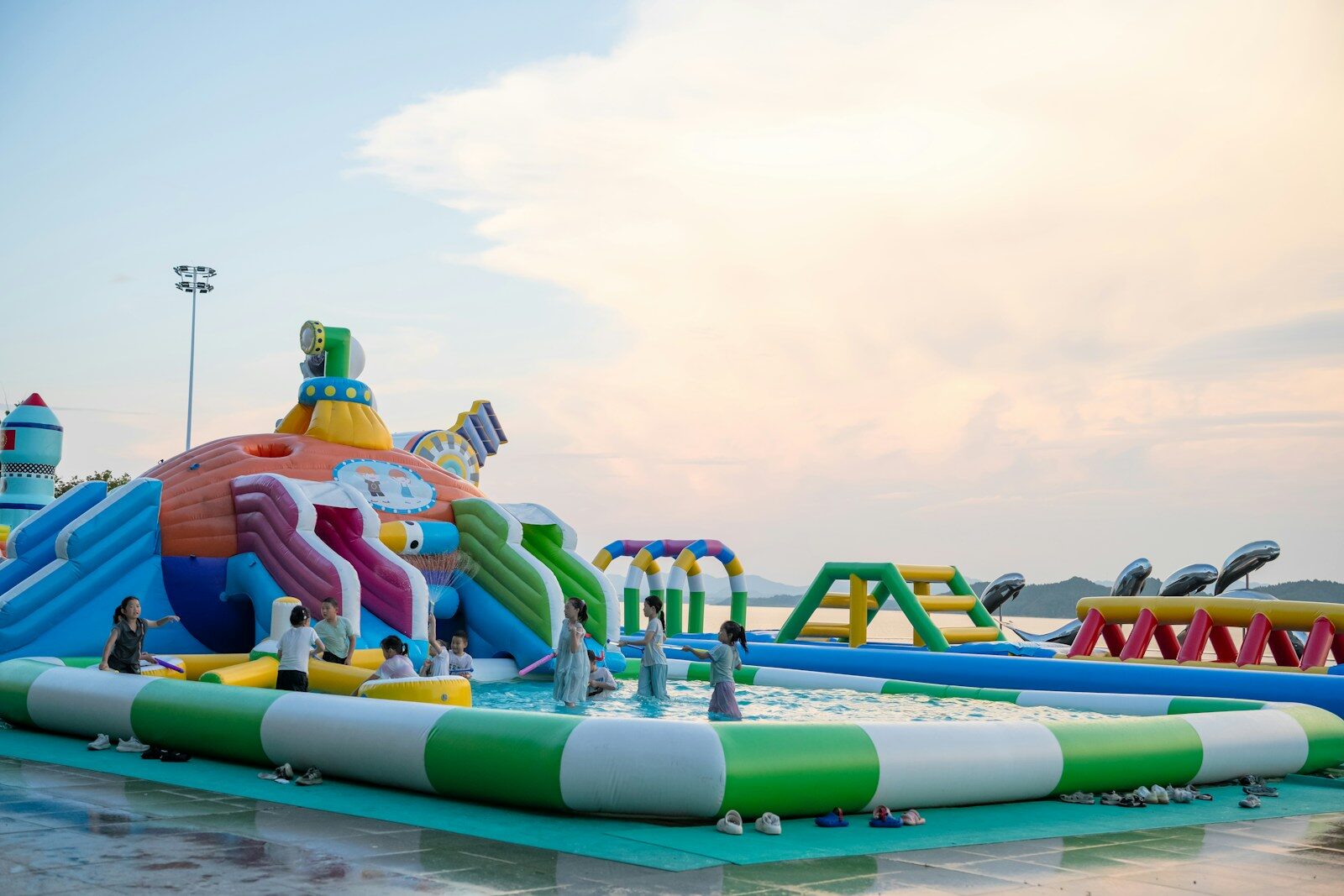
Water play equipment brings movement, sound, cooling comfort, and social interaction into parks, schools, resorts, and public recreation areas. Unlike static play structures, water play features invite children and families to touch, splash, press, pour, spray, and explore. The experience feels active and immediate, which is why water play areas often become some of the most popular parts of a leisure environment.
However, water play equipment is not simply decorative. It involves water flow, drainage, slip risks, hygiene, supervision, accessibility, and maintenance. A successful water play area must balance fun with safety, cleanliness, and operational reliability. When these elements are planned well, water play equipment becomes a strong attraction that supports repeat visits and positive family experiences.
Types of Water Play Features
Water play equipment includes a wide range of interactive features. Common elements include ground sprays, splash pads, water jets, tipping buckets, water walls, spray arches, fountains, mushroom sprays, water cannons, dumping channels, and themed play structures with moving water.
Each feature creates a different experience. Ground sprays encourage surprise and movement. Tipping buckets create rhythm and anticipation. Water walls support exploration and cause-and-effect play. Water cannons add social interaction, as children may aim, cooperate, or compete. Spray arches and mushroom sprays create shaded cooling zones, which are especially valuable in warm weather.
A strong water play area usually combines several feature types. This supports different ages, energy levels, and play styles. Some children may enjoy running through sprays, while others may prefer gentle water flow, sensory touch, or quiet observation. Variety helps the space remain engaging over longer visits.
Age Zones and Play Complexity
Water play areas should consider age differences. Toddlers need gentle water flow, shallow areas, stable footing, and simple controls. Older children may enjoy stronger sprays, moving parts, timed sequences, and more active challenges. Mixing these groups without clear design can create discomfort or safety concerns.
Age zoning does not need to feel rigid. It can be expressed through water intensity, feature height, floor levels, seating distance, and supervision sightlines. A toddler-friendly zone may use low-pressure sprays and wide open sightlines. An older children’s zone may include more dynamic features while still maintaining safe water depth and controlled flow.
Clear but friendly signage helps parents make quick decisions. Instead of making rules feel negative, signs can explain which features are designed for younger children and which are more active. This supports supervision and helps families move through the space with confidence.
Safety, Slip Resistance, and Drainage
Safety is essential in any water play environment. Wet surfaces create slip risks, and active children move quickly. Flooring should be slip-resistant, durable, and comfortable underfoot. Drainage must be effective so water does not pool in unsafe or unsanitary ways.
Design should avoid sudden drops, sharp edges, trip hazards, and areas where water collects unexpectedly. Spray intensity should be controlled so it is playful without becoming overwhelming. Moving parts, valves, and interactive controls should be designed to reduce pinch points and mechanical risks.
Drainage planning is especially important. Poor drainage can create standing water, hygiene problems, algae growth, and slip hazards. Good drainage supports hygiene, safety, and equipment longevity. It also helps the area dry more quickly after use, which supports faster reopening after cleaning or weather events.
Hygiene and Water Quality
Hygiene is one of the most important concerns for water play equipment. Families expect splash pads and water play areas to be clean, fresh, and well managed. This requires more than occasional cleaning. It requires a reliable system for water treatment, filtration, drainage, surface cleaning, and inspection.
Water quality standards should be followed according to local regulations and manufacturer guidance. Filtration systems, circulation systems, disinfection methods, and drainage design must all work together. Surfaces should be cleaned regularly to remove dirt, organic material, and biofilm. Waste bins, foot showers where appropriate, and clear hygiene rules can also support cleanliness.
Communication matters. Visible cleaning schedules, water quality notices, and simple hygiene reminders help visitors feel reassured. When parents see that an area is actively maintained, they are more likely to trust it. A water play area that feels clean becomes more attractive to families and repeat visitors.
Accessibility and Inclusive Water Play
Water play equipment can be highly inclusive when designed with care. Accessibility may include level entry, ramp access, wide pathways, wheelchair-friendly spray zones, tactile features, gentle water areas, quiet zones, and seating for caregivers.
Inclusive design helps children with mobility needs, sensory sensitivities, and different developmental stages. Some children may enjoy strong sprays and active movement. Others may prefer gentle mist, soft sound, predictable water flow, or calm observation areas. Offering different intensities allows more families to participate.
Seating and shade are important for supervision and comfort. Parents and caregivers should be able to watch children easily without standing in active spray zones. Shade structures reduce heat exposure and make the area more usable during warm days. Accessible restrooms and changing facilities nearby also improve the overall experience.
Theming and Interactive Experience
Theming can turn water play equipment into a stronger storytelling experience. A jungle theme, pirate theme, ocean theme, farm theme, space theme, or rainforest theme can give children a reason to explore. Instead of simply pressing a button, they may feel like adventurers, sailors, explorers, or scientists.
Interactive features strengthen this effect. Water cannons, tipping buckets, spinning wheels, valves, channels, and sound-activated sprays encourage experimentation. Children learn through cause and effect: pressing, turning, blocking, releasing, and watching how water responds.
Theming should support safety and maintenance. Decorative elements should not create hidden corners, trip hazards, or difficult cleaning areas. The best themed water play areas feel imaginative while remaining open, readable, and easy to maintain.
Maintenance and Operational Reliability
Water play equipment depends on consistent maintenance. Nozzles can block, pumps can lose pressure, drains can collect debris, surfaces can become slippery, and interactive parts can wear with heavy use. A strong maintenance plan helps prevent small issues from becoming guest experience problems.
Daily checks should include water flow, drainage, surface cleanliness,