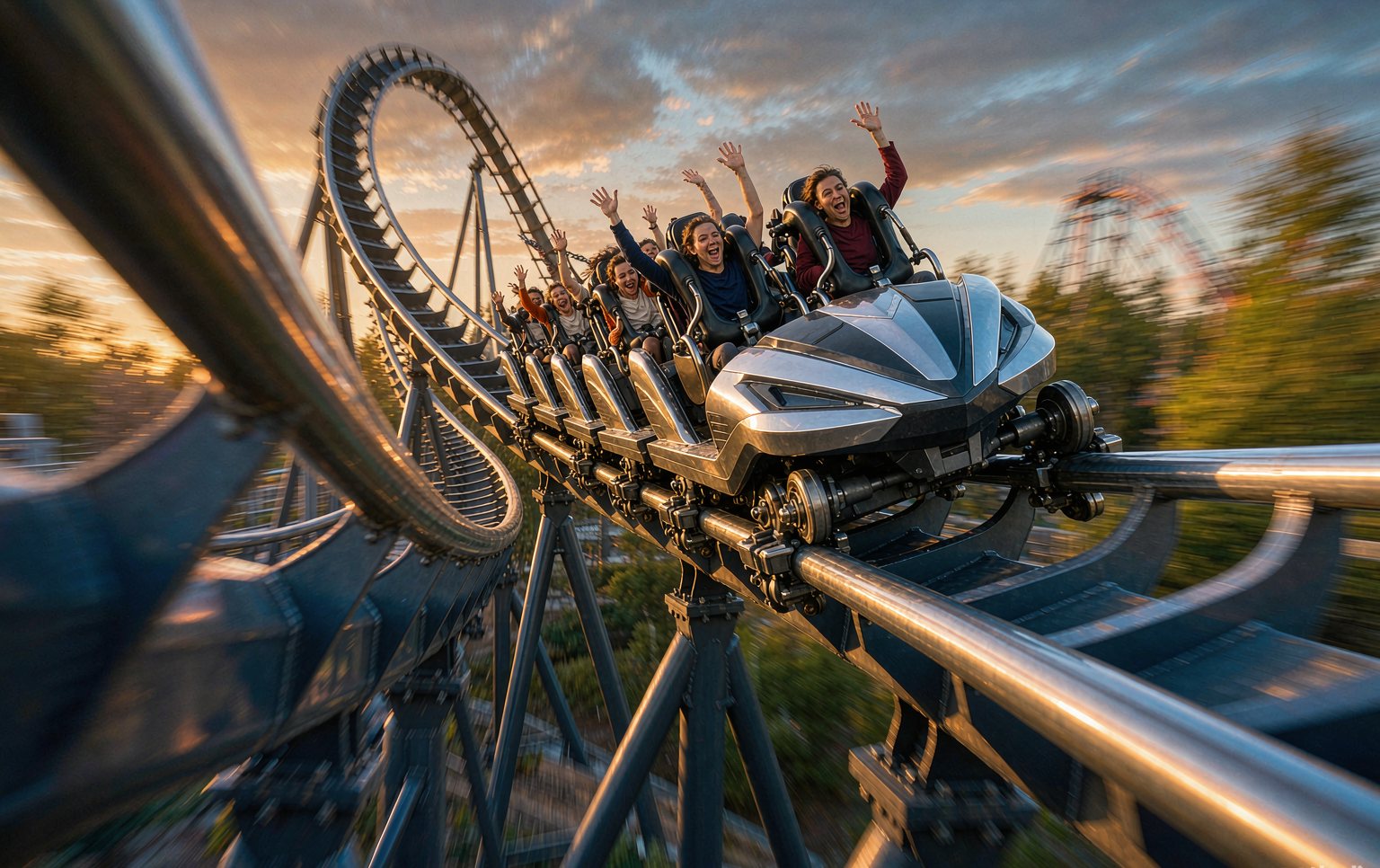
Amusement parks in Europe are more than seasonal destinations. They are complex entertainment environments where family travel, ride engineering, themed storytelling, and guest services meet. A modern amusement park must balance excitement with safety, creativity with operations, and nostalgia with innovation. For families, the appeal is obvious: rides, games, food, shows, and shared memories. For operators and designers, the challenge is deeper. Every ride, queue, pathway, sign, and service point must support a smooth, safe, and emotionally engaging visitor experience.
Europe has long been home to some of the most influential parks and entertainment destinations in the world. The region combines historic fairground traditions with modern theme park development. Visitors expect more than a simple list of rides. They want themed environments, family play areas, accessible services, reliable safety systems, and attractions that feel memorable from the first entrance to the final exit. That expectation is why amusement parks in Europe continue to shape global standards for entertainment, design, and family leisure.
The Growing Role of Family Entertainment
Family entertainment has become one of the strongest drivers of park attendance. Modern families do not visit amusement parks only for thrill rides. They want spaces where children, teenagers, parents, and grandparents can all find something enjoyable. A successful park must therefore offer more than high-speed coasters. It needs gentle rides, interactive play zones, character experiences, live entertainment, shaded rest areas, dining options, and clear navigation.
Family entertainment parks succeed when they create balance. A toddler may enjoy a small carousel, while older children look for a pirate ship ride or a junior roller coaster. Parents may prefer scenic attractions, shows, or relaxed dining areas. Teenagers often seek faster, more immersive experiences. When all these needs are considered together, the park becomes a shared destination rather than a collection of separate attractions.
Swing Rides and the Appeal of Classic Amusement Rides
Swing rides remain one of the most recognizable attractions in any amusement environment. Their visual movement, gentle height, and sense of motion make them appealing to a wide audience. A swing ride can feel adventurous without being overwhelming, which is why it often appears in family entertainment parks and smaller carnival settings.
From a design perspective, swing rides offer strong visual identity. The rotating structure, moving seats, and open-air motion create a natural focal point. Visitors can see the ride from a distance, which helps build anticipation. For families, swing rides often represent a first step toward bigger attractions. Children may enjoy the sensation of movement and height without the intensity of a large roller coaster.
Swing rides also demonstrate how classic amusement facilities can remain relevant. Modern versions may include LED lighting, improved restraint systems, themed masts, and smoother control systems. The core experience remains familiar, but the execution can feel fresh. That combination of tradition and innovation is especially important in amusement parks in Europe, where visitors often appreciate both heritage rides and modern attractions.
Understanding Amusement Facilities and Guest Flow
Amusement facilities include rides, play structures, game areas, food outlets, restrooms, ticketing zones, first aid points, and guest service counters. A park is only as strong as the way these facilities work together. A thrilling ride may attract attention, but poor guest flow can weaken the entire experience.
Good park planning considers how visitors move through the space. Entrance areas should be clear and welcoming. Pathways should reduce confusion. Queue lines should feel manageable. Rest areas should be visible but not disruptive. Food and beverage zones should be placed where they support natural breaks in the day. When these elements are designed well, guests spend less time feeling lost and more time enjoying the park.
Amusement facilities also need to consider capacity. Popular rides create natural bottlenecks. If a park does not plan for queue management, waiting areas, shade, entertainment, or alternative attractions, guest satisfaction can drop quickly. Smart operators use ride scheduling, timed entry, family zones, and entertainment queues to keep visitors engaged even when wait times are unavoidable.
Family Play Centers Inside Larger Parks
A family play center is not simply a children’s area. It is a carefully designed environment where younger guests can explore, climb, slide, imagine, and interact safely. Inside larger amusement parks, family play centers help balance the experience for households with small children.
These areas often include soft play structures, water features, small slides, climbing elements, sensory panels, and themed play zones. The best family play centers feel immersive. A jungle theme, pirate theme, castle theme, or space theme can turn a simple play area into a storytelling environment. Children respond strongly to themed spaces because they encourage imagination and role play.
For parents, safety and visibility are essential. A well-designed family play center allows adults to supervise children comfortably without crowding the space. Clear sightlines, safe surfacing, controlled entry points, and age-appropriate zones all help create confidence. When families feel secure, they stay longer, explore more, and return more often.
Theme Parks, Entertainment, and Immersive Storytelling
Theme parks and entertainment have evolved far beyond mechanical rides. Today’s visitors expect atmosphere, music, characters, lighting, scenery, and narrative flow. A ride is no longer just a sequence of movement. It can be part of a larger story.
A pirate-themed area, for example, may include a pirate ship ride, treasure-themed play zones, costumed performers, themed food outlets, and background music that supports the environment. The result feels more complete. Visitors do not simply ride an attraction. They enter a world.
This shift toward immersive entertainment has changed how parks are designed. Colors, textures, signage, sound, lighting, and landscaping all contribute to the experience. A poorly placed service door, plain concrete wall, or generic sign can break the illusion. That is why theme parks and entertainment designers pay close attention to detail. Every visible element should support the story.
Design Standards and Safety in Modern Parks
Amusement park design standards exist to protect guests, staff, and operators. Safety is not an afterthought. It must be part of every stage of planning, from ride selection and placement to guest circulation, emergency access, maintenance routes, and staff training.
Design standards influence many practical decisions. How wide should a pathway be? Where should emergency exits be located? How should queue lines manage crowds? What kind of surfacing is needed under play equipment? How should ride perimeters be protected? These questions may seem technical, but they directly affect guest comfort and safety.
Clear signage is another important part of park design. Visitors need to understand ride restrictions, height requirements, health warnings, directional routes, and service locations. Good signs reduce confusion and prevent accidents. They also help create a professional environment where guests feel cared for.
The Business Side of Amusement Park Services
Running an amusement park requires more than rides. Amusement park services include ticketing, customer support, maintenance, cleaning, security, food service, merchandise, event hosting, school group programs, birthday packages, and seasonal entertainment. Each service shapes how visitors perceive the park.
Friendly staff can make a simple visit feel special. Clean restrooms, clear maps, helpful information desks, and reliable ride operations build trust. Food service areas must balance speed, quality, and pricing. Merchandise shops should offer items that match the park’s identity rather than generic souvenirs.
Amusement park services also create repeat visits. A family may come once for the rides, but they return because the experience felt easy, safe, and enjoyable. Strong service turns first-time visitors into loyal guests. It also supports positive reviews, word-of-mouth recommendations, and long-term brand value.
Why Amusement Parks in Europe Continue to Matter
Amusement parks in Europe remain important because they combine history, family culture, engineering, and modern entertainment. They attract local visitors, international tourists, school groups, and seasonal travelers. They also influence global trends in ride design, themed environments, guest services, and safety planning.
For families, these parks offer shared experiences that are difficult to recreate at home. For designers and operators, they offer a complex challenge: how to create joy, safety, efficiency, and imagination in the same space. For the wider entertainment industry, they show how physical spaces can still compete with digital entertainment by offering movement, social interaction, sensory detail, and real-world memory.
The future of amusement parks in Europe will likely include more family-friendly zones, smarter queue systems, sustainable design, improved accessibility, and stronger storytelling. But the core promise will remain the same. A great amusement park should make visitors feel welcome, entertained, safe, and eager to return.