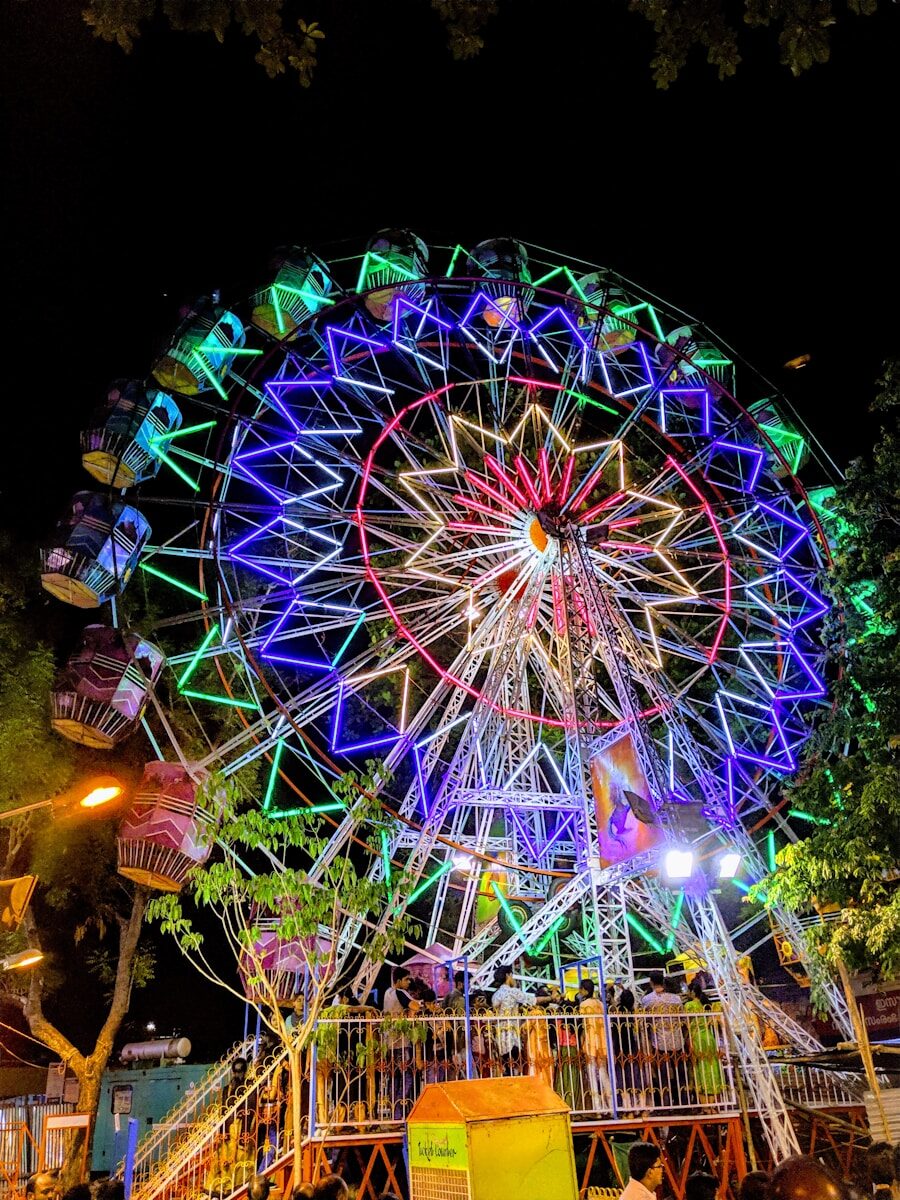
A mini Ferris wheel is a smaller version of the traditional Ferris wheel, designed for limited spaces, family audiences, and locations that want a recognizable landmark attraction without the size and infrastructure of a large observation wheel.
The mini Ferris wheel keeps the familiar circular motion, elevated seating, and scenic experience of a full-size Ferris wheel, but in a more compact and practical format. It is commonly used in children’s parks, family entertainment centers, shopping mall entertainment zones, carnivals, outdoor amusement areas, and resort entertainment zones.
For buyers, the mini Ferris wheel is attractive because it combines strong visual appeal, gentle motion, and broad audience appeal. It can become a recognizable feature in an entertainment area while offering a calm and enjoyable ride experience.
How a Mini Ferris Wheel Works
A mini Ferris wheel operates using a large rotating wheel with passenger cabins or seats attached around the outer edge. The wheel turns slowly around a central axis, lifting passengers upward and then returning them to the loading area.
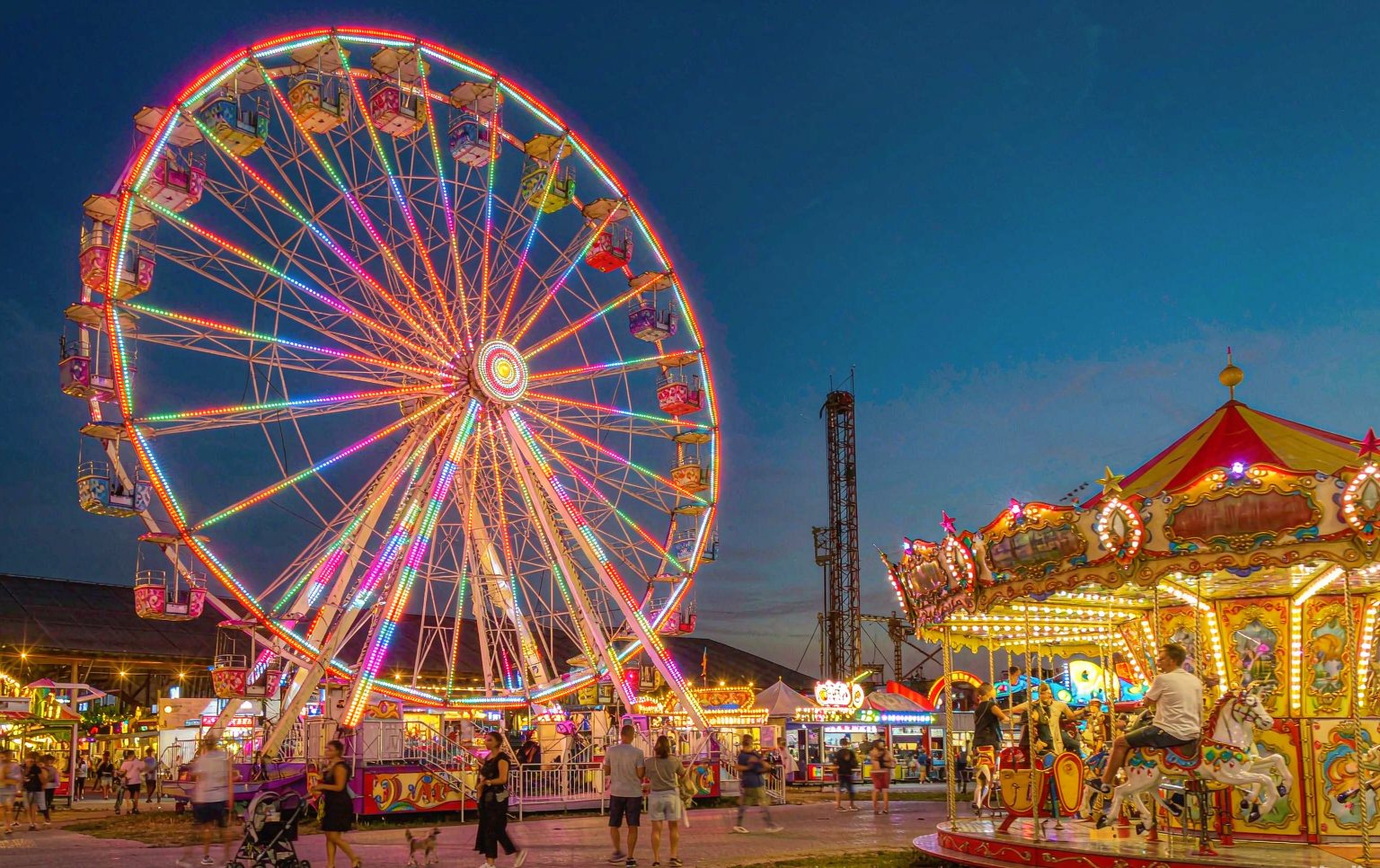
Riders sit inside enclosed cabins or open seats as the wheel rotates. The movement is smooth and controlled, and the speed is usually low enough to allow safe loading and unloading. Some models may include LED lighting, music, or themed cabins to improve the guest experience.
The ride is operated by a trained operator who controls the speed, stopping position, and safety systems. The experience is usually calm and predictable, making it suitable for children, families, and guests who prefer a relaxed attraction.
Common Features of a Mini Ferris Wheel
Different manufacturers may design mini Ferris wheels in different ways, but most models share several common features.
Typical features include:
- A central rotating wheel
- Passenger cabins or seats
- Safety restraints
- A control system
- Emergency stop functions
- Colorful or themed design
- LED lighting
- Music or sound effects
- Smooth rotational motion
- Compact footprint
- Family-friendly intensity
- Operator control panel
- Loading and unloading platform
- Safety barriers around the boarding area
Some models may use enclosed cabins with doors, while others may use open seats with lap bars or seat belts. The choice of cabin type affects both the guest experience and the visual identity of the attraction.
Why the Mini Ferris Wheel Is Popular
The mini Ferris wheel is popular because it offers a familiar, gentle, and visually attractive ride experience. It is one of the most recognizable amusement ride types, and its elevated seating gives guests a sense of height and scenery without intense forces.
Common reasons for its popularity include:
- Family-friendly experience
- Compact size compared to full-size Ferris wheels
- Strong visual appeal
- Gentle ride motion
- Suitable for children and families
- Attractive theming options
- Low thrill level
- Good fit for indoor and outdoor locations
- Ability to become a landmark attraction
- Photogenic and decorative appearance
- Calm and predictable operation
- Ability to attract repeat riders
For many entertainment venues, the mini Ferris wheel works well as a signature attraction. It adds height, color, and movement to a ride area without creating intense forces or complicated rider requirements.
Ideal Locations for a Mini Ferris Wheel
The mini Ferris wheel is flexible and can work in several types of locations. However, buyers should choose a model that fits their specific space, audience, and operating environment.
Suitable locations include:
- Family entertainment centers
- Indoor amusement parks
- Children’s play centers
- Shopping mall entertainment areas
- Outdoor amusement parks
- Carnival and fair sites
- Resort entertainment zones
- Municipal recreation areas
- Hotel or cruise entertainment areas
- Seasonal amusement areas
- Traveling ride operators
- Theme park children’s zones
- Water park entertainment zones
- Festival and event sites
Indoor locations may require models with lower height requirements, compact footprints, and fire safety considerations. Outdoor locations may need weather-resistant materials, stronger foundations, and protection from wind, rain, or extreme temperatures.
Safety Systems on a Mini Ferris Wheel
Safety is the most important part of any amusement ride, including the mini Ferris wheel. Even though the ride is gentle and slow-moving, it still requires proper safety systems and responsible operation.
Common safety features include:
- Cabin doors or safety restraints
- Seat belts
- Lap bars
- Safety handles
- Emergency stop buttons
- Operator control panels
- Brake systems
- Sensors
- Structural supports
- Guard rails around boarding areas
- Clear rider height requirements
- Safety signage
- Daily inspection procedures
- Maintenance logs
- Operator training
A safe mini Ferris wheel depends on both good equipment and good operation. The ride should be inspected before each operating day, and operators should follow the manufacturer’s instructions at all times.
Rider Requirements and Guest Comfort
Not every guest may be suitable for a mini Ferris wheel. Parks and operators should clearly communicate rider requirements before guests board.
Common requirements may include:
- Minimum height
- Maximum height or size limits
- Ability to sit upright
- Ability to remain seated during the ride
- Ability to use restraints properly
- Health conditions that may affect safety
- Pregnancy restrictions
- Heart, neck, back, or motion-related concerns
- Supervision requirements for young children
- Loose item restrictions
These requirements help ensure that restraints work correctly and that riders can enjoy the attraction safely. Staff should explain the rules clearly and assist guests when needed.
Key Factors Before Buying a Mini Ferris Wheel
Before purchasing a mini Ferris wheel, buyers should evaluate more than appearance and price. A good purchase decision should consider space, audience, safety, maintenance, and long-term operation.
Important factors include:
- Available space
- Height clearance
- Power requirements
- Foundation or floor strength
- Indoor or outdoor use
- Target audience
- Passenger capacity
- Ride cycle time
- Safety systems
- Maintenance needs
- Spare parts availability
- Installation requirements
- Operator training
- Warranty and after-sales support
- Local safety regulations
- Inspection requirements
- Theming and visual appeal
A model that looks attractive in photos may not be the best choice if it does not fit the location, audience, or maintenance capacity of the buyer.
Installation and Site Preparation
Proper site preparation is essential before installing a mini Ferris wheel. The location must be ready to support the ride structure, power supply, guest flow, and safety barriers.
Site preparation may include:
- Measuring the available space
- Checking height clearance
- Preparing the floor or foundation
- Confirming power supply
- Planning guest entry and exit
- Setting up safety fencing
- Installing queue barriers
- Adding safety signage
- Preparing operator areas
- Planning emergency access
- Checking ventilation for indoor sites
- Confirming weather protection for outdoor sites
Buyers should work with the manufacturer, installer, and local contractors to confirm that the site meets all technical and safety requirements before delivery.
Maintenance and Daily Operation
Regular maintenance helps keep a mini Ferris wheel safe, reliable, and visually appealing. Good maintenance also reduces unexpected downtime and extends the life of the equipment.
Daily operation tasks may include:
- Opening safety checks
- Restraint inspections
- Cabin and seat inspections
- Brake and sensor checks
- Control system testing
- Cleaning of passenger areas
- Staff communication
- Guest flow management
- Weather monitoring for outdoor rides
- Incident reporting
- Maintenance logging
- Spare parts inspection
- Operator training refreshers
Buyers should keep detailed records of inspections, repairs, part replacements, and staff training. These records support safety, accountability, and long-term reliability.
Common Mistakes to Avoid
When choosing a mini Ferris wheel, some mistakes can reduce safety, guest satisfaction, or long-term value.
Choosing Only by Appearance
A colorful design may attract attention, but the ride must also be safe, reliable, and suitable for the location.
Ignoring Height Clearance
Buyers should measure the full height needed, including clearance above the wheel, guest flow, safety barriers, and operator access.
Overlooking Maintenance Needs
Some models require more frequent checks or specialized parts. Buyers should understand maintenance needs before purchasing.
Skipping Safety Documentation
Buyers should request safety manuals, inspection guidance, maintenance schedules, and compliance information from the supplier.
Choosing the Wrong Audience
A ride that is too intense for young children or too simple for older guests may underperform. The model should match the expected audience.
Forgetting Installation Costs
The purchase price is not the total cost. Buyers should also consider shipping, installation, foundation work, power upgrades, training, and inspection fees.
Ignoring After-Sales Support
A good supplier should provide spare parts, technical support, training, and warranty service. Without support, even a good ride can become difficult to operate.
Questions Buyers Should Ask Suppliers
Before purchasing a mini Ferris wheel, buyers should ask clear questions to reduce risk and avoid misunderstandings.
Useful questions include:
- What is the recommended age or height range?
- What is the passenger capacity?
- What is the ride cycle time?
- What are the power requirements?
- What are the space and height requirements?
- Is the ride suitable for indoor or outdoor use?
- What safety systems are included?
- What maintenance is required?
- Are spare parts available?
- What is the warranty period?
- Does the supplier provide installation support?
- Does the supplier provide operator training?
- What safety documentation is available?
- Are there local compliance or inspection requirements?
- What is the expected lifespan of major components?
These questions help buyers compare different models and choose a supplier with strong technical support.
Theming and Visual Appeal
Theming can make a mini Ferris wheel more attractive to children and families. A strong theme helps the ride feel like part of a larger entertainment experience.
Common theme ideas include:
- Colorful cabins
- LED lighting effects
- Fantasy or fairy tale themes
- Ocean or underwater themes
- Jungle or safari themes
- Space or rocket themes
- Music and sound effects
- Decorative center hub
- Bright paint finishes
- Custom branding
- Themed boarding area
- Scenic photo opportunities
A well-themed mini Ferris wheel can become a visual focal point in a children’s area or family entertainment zone. The theme should be bright, friendly, and appropriate for the target audience.
How to Choose the Right Mini Ferris Wheel
Choosing the right mini Ferris wheel depends on matching the attraction to the location and guests.
For Children’s Areas
Children’s areas usually benefit from gentle motion, bright colors, and friendly themes. The ride should feel playful rather than intimidating.
For Family Entertainment Centers
Family entertainment centers may want a model that appeals to both children and parents. A compact, visually attractive mini Ferris wheel can add variety to the attraction lineup.
For Indoor Parks
Indoor locations should focus on height clearance, floor strength, power supply, and guest flow. Weather resistance may be less important, but fire safety and ventilation should still be considered.
For Outdoor Parks
Outdoor locations should consider weather resistance, foundation strength, wind conditions, drainage, and long-term durability.
For Traveling Use
Traveling operators should look for models that are easy to transport, assemble, disassemble, inspect, and operate in different locations.
The Future of Mini Ferris Wheels
The mini Ferris wheel is likely to remain popular because it offers a practical mix of size, safety, visual appeal, and family-friendly charm. Future models may continue to improve in several areas.
Possible trends include:
- Smoother ride motion
- Better LED lighting effects
- More creative theming
- Improved safety monitoring
- Energy-efficient motors
- Compact designs for smaller spaces
- Better accessibility planning
- Stronger weather resistance for outdoor models
- Improved maintenance tracking
- More interactive sound and lighting
- Rides that combine gentle motion with scenic visuals
- Better integration with children’s themed areas
These improvements can help the mini Ferris wheel stay attractive to modern guests while remaining practical for operators.
Final Thoughts
The mini Ferris wheel is a practical and family-friendly amusement attraction. It offers gentle rotational motion, colorful design, and moderate excitement, making it suitable for children, families, and venues with limited space.
For buyers, the best choice is not only the model that looks most attractive. It is the ride that fits the location, matches the target audience, meets safety requirements, and can be maintained reliably over time.
When chosen and operated carefully, a mini Ferris wheel can become a popular feature in a park, entertainment center, or carnival area. It provides a safe, enjoyable, and visually appealing experience that encourages guests to return again and again.