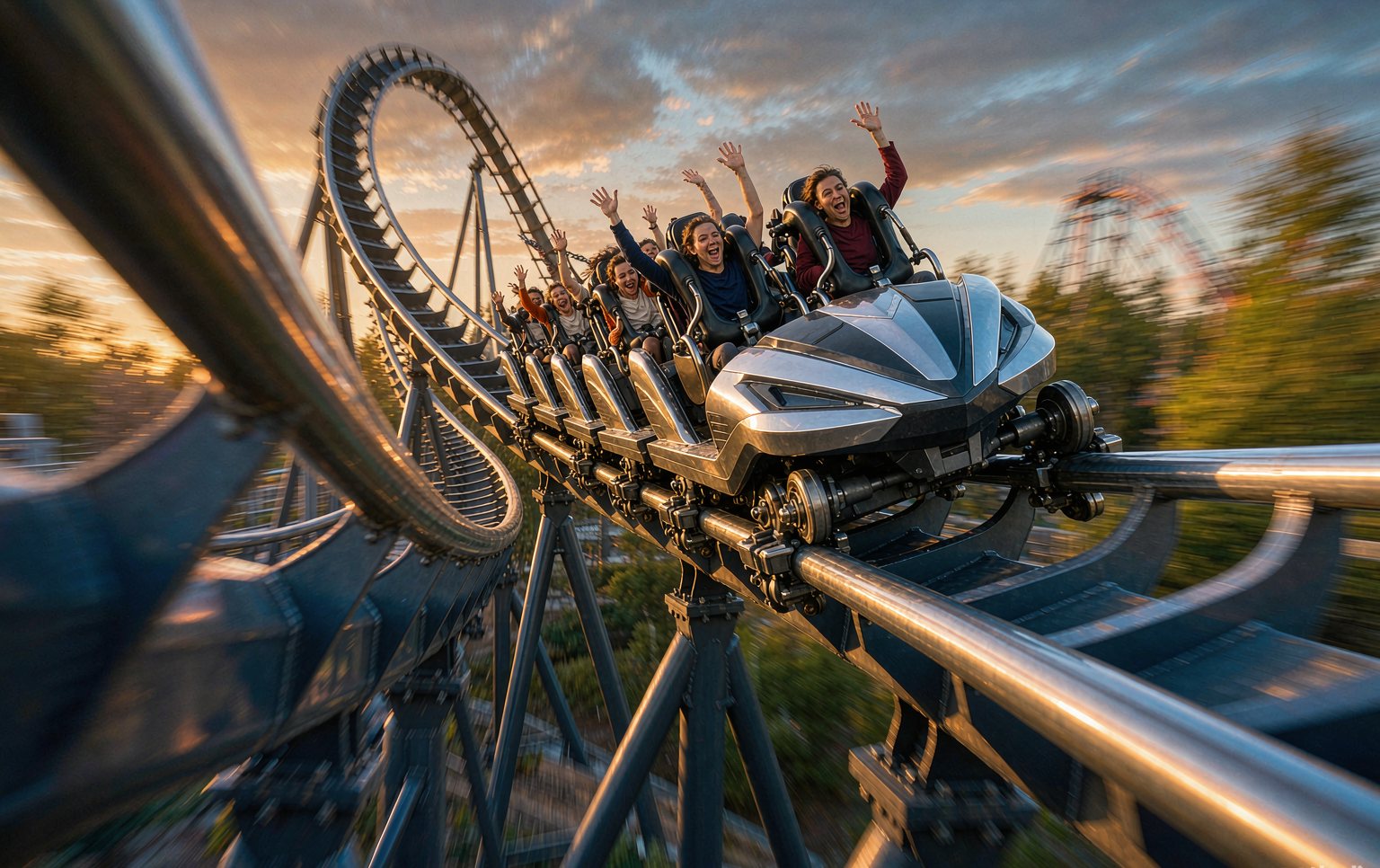
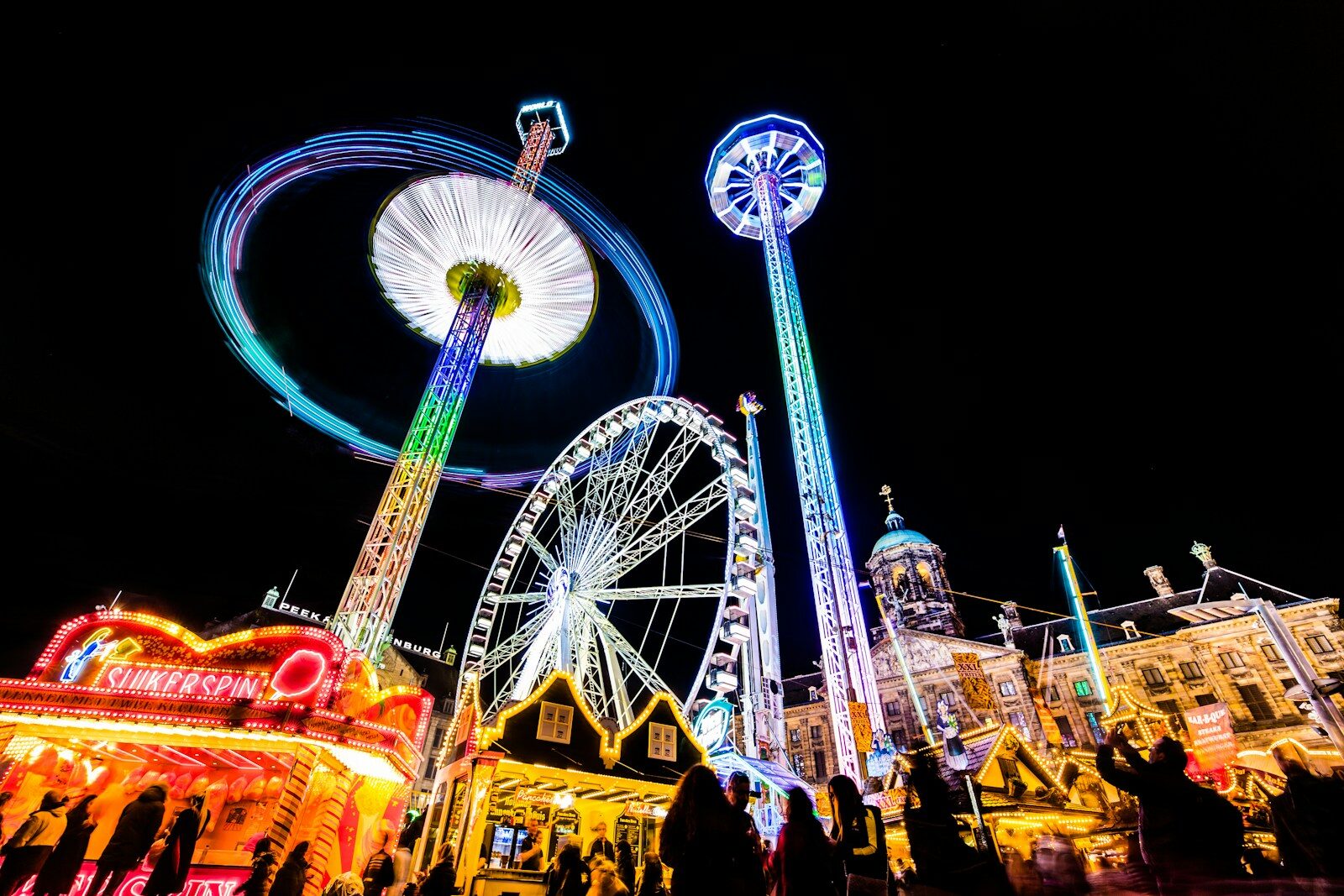
Model carnival rides for sale represent a wide range of amusement attractions, from small children’s rides to larger family attractions. The term “model” usually refers to a specific design, size, capacity, or configuration offered by a manufacturer. When buyers search for model carnival rides for sale, they are often looking for a ride that fits a particular space, audience, budget, and operating environment.
A carnival ride is not simply a piece of equipment. It is part of a larger guest experience. The right ride can attract families, create visual interest, support a themed area, and become a recognizable feature of a park, fair, or entertainment center. The wrong choice, however, can create problems with space, maintenance, safety compliance, capacity, or guest appeal.
For buyers, the goal is not only to find a ride that looks attractive. The goal is to choose a ride that is safe, reliable, well suited to the location, and practical to operate over time.
Why Buyers Look for Model Carnival Rides
Buyers may search for model carnival rides for sale for many different reasons. Some are opening a new amusement area. Others are replacing older equipment, adding variety to an existing park, or expanding a family entertainment center.
Common reasons include:
- Opening a new park or carnival area
- Replacing aging or outdated rides
- Adding attractions for children or families
- Increasing guest capacity
- Improving the visual appeal of a location
- Creating a themed zone
- Offering seasonal or traveling attractions
- Meeting demand for family-friendly entertainment
- Upgrading to safer or more efficient equipment
- Expanding an existing ride inventory
The best choice depends on the buyer’s audience, location, available space, budget, maintenance capacity, and long-term operating goals.
Common Types of Carnival Rides
Model carnival rides for sale can include many different ride styles. Each type creates a different experience and appeals to a different audience.
Carousel Rides
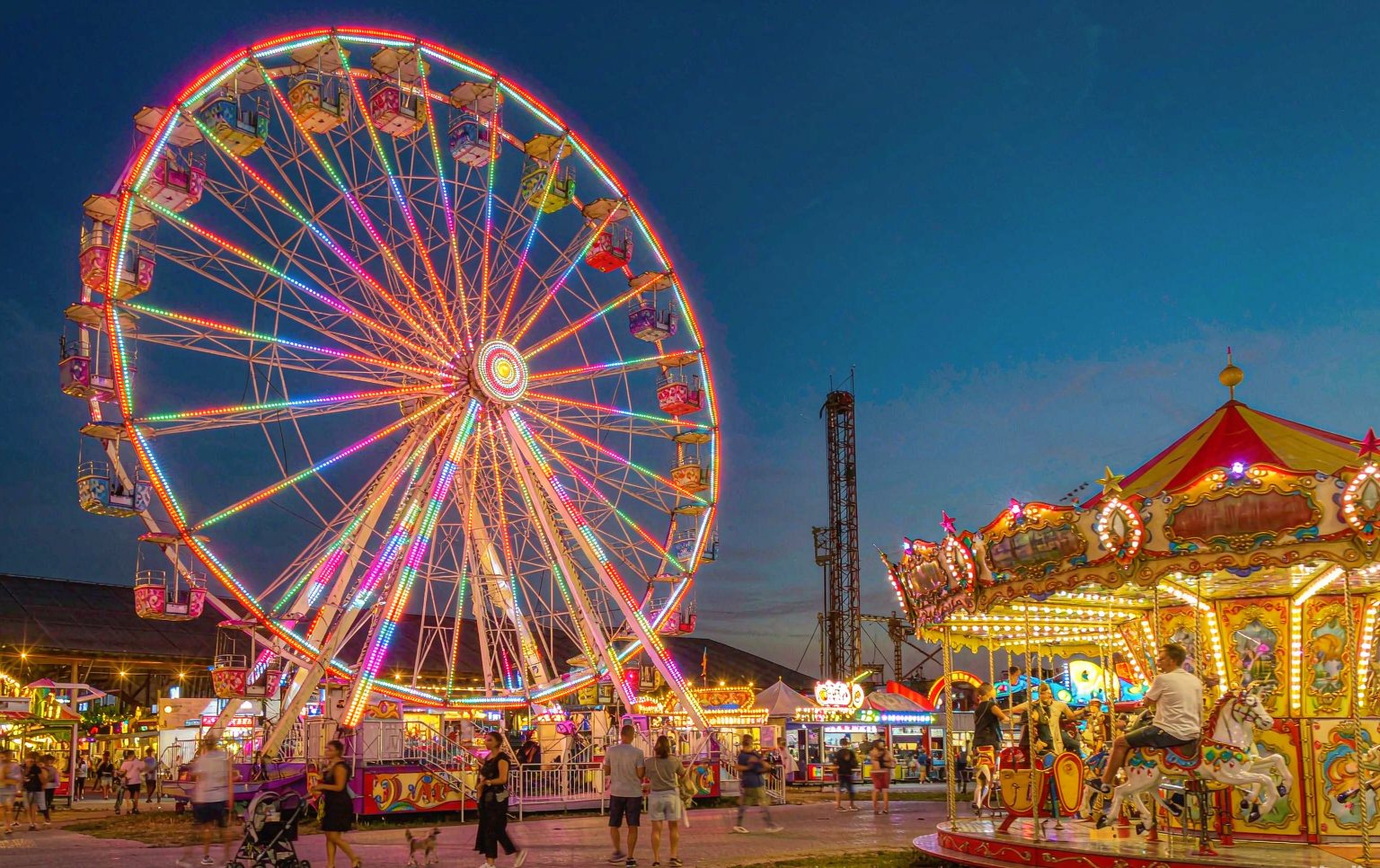
Carousels are classic attractions. They usually feature horses, chariots, or themed animals moving in a circle. They are popular in family areas, children’s parks, and traditional carnival settings.
Ferris Wheels
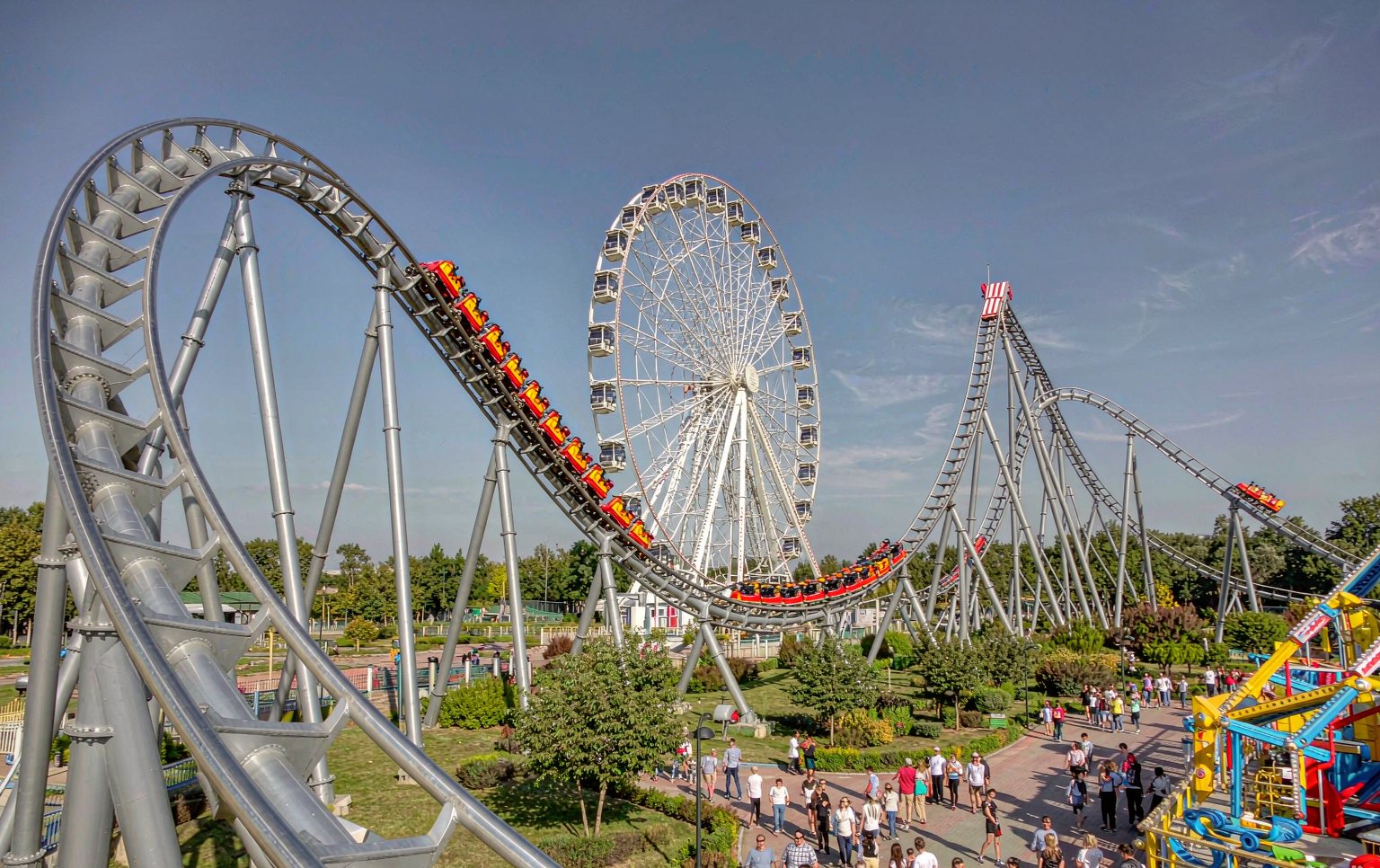
Ferris wheels create height, visibility, and a gentle experience. They often become landmarks because they can be seen from a distance.
Bumper Cars
Bumper cars are interactive and popular with families and older children. They combine simple driving fun with social excitement.
Spinning Rides
Spinning rides rotate riders around a central point. Some models spin gently, while others add tilting, swinging, or faster motion.
Drop Towers
Drop towers create excitement through height and controlled descent. They are usually more intense and may suit parks with older children, teens, or thrill-seeking guests.
Train Rides
Train rides are often used for children’s areas, park transportation, or scenic routes. They can move guests through a themed environment at a relaxed pace.
Swing Rides
Swing rides lift riders into the air while rotating. They create a sense of height and motion without the intensity of a large coaster.
Water Rides
Water rides combine motion with splash elements. They can be especially popular in warm climates, but they also require more attention to water systems, drainage, and guest comfort.
Inflatable and Soft Play Rides
Some carnival-style attractions focus on soft play, climbing, sliding, or inflatable structures. These are often aimed at younger children and may require different safety planning than mechanical rides.
Who Buys Model Carnival Rides
Different buyers have different needs. A ride that works well for a traveling carnival may not be the best choice for a permanent indoor park.
Common buyers include:
- Amusement parks
- Family entertainment centers
- Shopping mall entertainment zones
- Traveling carnival operators
- Fair and festival organizers
- Children’s play centers
- Resort and hotel entertainment areas
- Theme park operators
- Indoor playground owners
- Municipal recreation departments
- Event rental companies
- Private entertainment businesses
Each buyer should consider how the ride fits their location, audience, staffing ability, maintenance capacity, and safety responsibilities.
Key Factors Before Buying
Before purchasing model carnival rides for sale, buyers should evaluate more than price and appearance. A ride may look attractive, but it must also work well in the buyer’s real operating environment.
Important factors include:
- Available space
- Ceiling height or outdoor clearance
- Power requirements
- Foundation or floor strength
- Indoor or outdoor use
- Weather resistance
- Target age group
- Rider height requirements
- Passenger capacity
- Hourly capacity
- Safety features
- Maintenance needs
- Spare parts availability
- Installation requirements
- Operator training
- Local regulations and inspections
- Warranty and after-sales support
A ride that fits the budget but not the space, audience, or maintenance capacity may become a costly problem.
Safety and Compliance
Safety is the most important part of any carnival ride purchase. Buyers should not treat safety as an afterthought. It should be part of the selection process from the beginning.
Important safety considerations include:
- Restraint systems
- Emergency stop functions
- Operator controls
- Guard rails and barriers
- Sensor systems
- Brake systems
- Structural strength
- Electrical safety
- Fire safety compliance
- Clear rider requirements
- Emergency evacuation plans
- Inspection records
- Maintenance schedules
- Operator training
- Manufacturer support
Buyers should ask manufacturers for documentation, safety certifications, inspection guidance, and maintenance recommendations. A responsible supplier should be able to explain how the ride meets safety expectations and how it should be operated.
How to Choose the Right Ride
Choosing the right model carnival ride depends on matching the attraction to the location and audience.
For Young Children
Young children’s areas usually benefit from gentle, colorful, and easy-to-understand rides. Carousels, small trains, mini spinning rides, and soft play attractions often work well.
For Families
Family rides should be exciting enough to be fun but not so intense that they exclude younger guests. Carousels, bumper cars, gentle spinning rides, and family coasters can appeal to a wide age range.
For Thrill Seekers
Parks with older guests may want stronger attractions such as drop towers, faster spinning rides, or larger amusement rides. These require stronger safety planning and clearer rider requirements.
For Small Spaces
Indoor centers and smaller locations may need compact rides with smaller footprints, lower height requirements, and simpler installation.
For Traveling Use
Traveling operators need rides that can be transported, assembled, disassembled, inspected, and operated in different locations. Durability and setup time are especially important.
For Themed Areas
Buyers creating themed zones may choose rides that match a story, character world, or visual style. Theming can make a ride feel more immersive and memorable.
Installation and Site Preparation
Installation is a major part of buying a carnival ride. The site must be prepared before the ride arrives.
Site preparation may include:
- Measuring available space
- Checking ceiling height
- Preparing the floor or foundation
- Confirming power supply
- Planning guest flow
- Setting up safety barriers
- Installing signage
- Creating queue areas
- Preparing staff areas
- Planning emergency access
- Checking ventilation for indoor rides
- Planning drainage for water rides
Poor site preparation can delay installation, reduce safety, or create long-term maintenance problems. Buyers should work with the manufacturer and local contractors to confirm that the location is ready before delivery.
Maintenance and Daily Operation
A carnival ride must be maintained regularly. Good maintenance helps protect guests, reduce downtime, and extend the life of the equipment.
Daily operations may include:
- Opening safety checks
- Restraint inspections
- Brake and sensor checks
- Control system testing
- Cleaning of passenger areas
- Staff communication
- Guest flow management
- Weather monitoring for outdoor rides
- Incident reporting
- Maintenance logging
- Spare parts inspection
- Operator training refreshers
Buyers should keep detailed records of inspections, repairs, part replacements, and staff training. These records support safety, accountability, and long-term reliability.
Common Mistakes to Avoid
When buying model carnival rides for sale, some mistakes can be expensive or unsafe.
Choosing Only by Price
A low price may seem attractive, but poor quality, weak safety systems, or limited spare parts can create larger costs later.
Ignoring Space Requirements
A ride may fit in a catalog image but not in the actual location. Buyers should measure space carefully, including clearance, height, and guest flow.
Overlooking Maintenance Needs
Some rides require more daily checks, specialized parts, or technical support. Buyers should understand maintenance needs before purchasing.
Skipping Safety Documentation
Buyers should request safety information, operating manuals, inspection guidance, and compliance documentation. Missing paperwork can create serious problems.
Choosing the Wrong Audience
A ride that is too intense for children or too gentle for thrill seekers may underperform. The ride should match the expected guests.
Forgetting Installation Costs
The purchase price is not the total cost. Buyers should also consider shipping, installation, foundation work, power upgrades, training, and inspection fees.
Ignoring After-Sales Support
A good supplier should provide spare parts, technical support, training, and warranty service. Without support, even a good ride can become difficult to operate.
Questions Buyers Should Ask Suppliers
Before purchasing model carnival rides for sale, buyers should ask clear questions. Good questions help reduce risk and avoid misunderstandings.
Useful questions include:
- What is the recommended age or height range?
- What is the passenger capacity?
- What is the hourly capacity?
- What are the power requirements?
- What are the space and height requirements?
- Is the ride suitable for indoor or outdoor use?
- What safety systems are included?
- What maintenance is required?
- Are spare parts available?
- What is the warranty period?
- Does the supplier provide installation support?
- Does the supplier provide operator training?
- What safety documentation is available?
- What is the expected lifespan of major components?
- Are there local compliance or inspection requirements?
These questions help buyers compare options more clearly. They also show whether a supplier is experienced, transparent, and supportive.
How to Compare Different Models
When comparing model carnival rides for sale, buyers should look at the full picture, not just one feature.
A useful comparison may include:
- Ride type
- Size and footprint
- Capacity
- Target audience
- Thrill level
- Theming quality
- Build quality
- Safety systems
- Maintenance needs
- Installation complexity
- Energy use
- Spare parts availability
- Supplier reputation
- Warranty terms
- Total cost of ownership
A ride with a higher upfront cost may be more reliable, safer, or more efficient over time. A cheaper ride may save money at first but require more repairs, downtime, or replacement parts later.
The Future of Carnival Rides
The carnival ride market is likely to continue changing. Buyers may see more demand for attractions that are compact, family-friendly, visually attractive, energy efficient, and easy to maintain.
Possible trends include:
- More compact ride designs
- Better theming and lighting
- Smoother ride motion
- Improved safety monitoring
- Energy-efficient motors and controls
- Rides that work in both indoor and outdoor settings
- Family attractions with moderate thrills
- Interactive or playful ride elements
- Stronger focus on guest comfort
- Better accessibility planning
- Improved maintenance tracking
- Rides designed for faster installation
These trends do not replace traditional carnival rides. Instead, they help modern buyers find attractions that are safer, more efficient, and better suited to today’s guest expectations.
Final Thoughts
Model carnival rides for sale offer many opportunities for parks, entertainment centers, carnival operators, and family venues. The right ride can attract guests, create visual appeal, support a themed area, and become a memorable part of the experience.
However, buying a carnival ride is not only about appearance or excitement. It is about safety, space, audience, maintenance, compliance, and long-term operation. The best choice is one that fits the location, serves the intended guests, runs reliably, and is supported by clear documentation and responsible after-sales service.
When buyers choose carefully, a model carnival ride becomes more than equipment. It becomes a safe, enjoyable, and valuable attraction that guests remember and want to experience again.