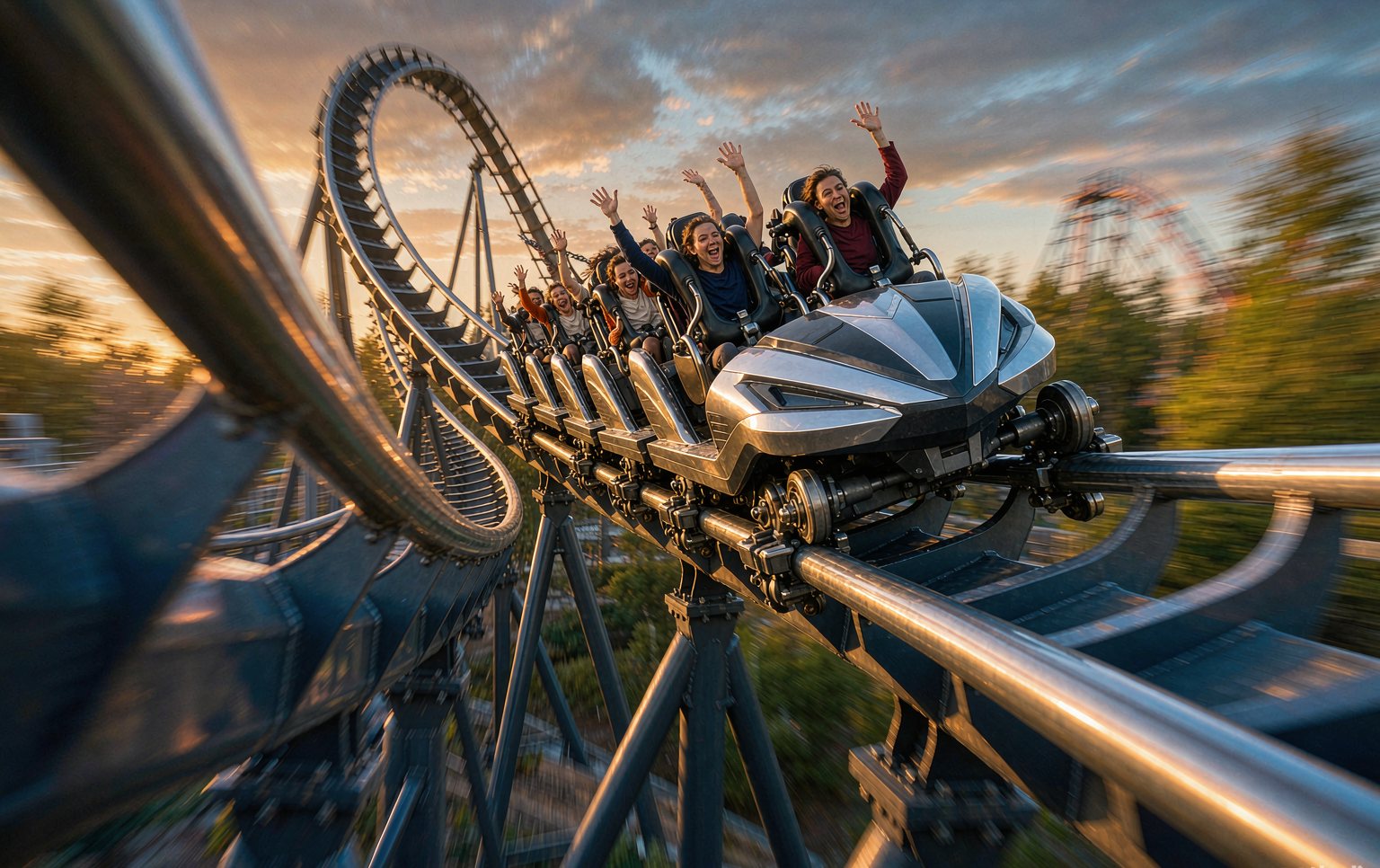
An amusement park thrill ride is designed to create excitement through speed, height, motion, surprise, and intensity. Unlike gentle family rides, a thrill ride usually aims to make guests feel a strong sense of motion, anticipation, and adrenaline.
Not every thrill ride works the same way. Some use steep drops, others use fast launches, spinning motion, inversions, water splashes, or sudden changes in direction. The best amusement park thrill rides combine strong ride dynamics with good theming, smooth operation, clear safety systems, and a guest experience that feels exciting rather than uncomfortable.
A thrill ride is not only about being intense. It is about creating a controlled experience where guests feel excitement, anticipation, and satisfaction. When a ride achieves that balance, it often becomes one of the most talked-about attractions in the park.
Why Thrill Rides Are Popular
Thrill rides are popular because they offer experiences that most people cannot enjoy in everyday life. Guests may visit a park to relax, enjoy food, watch entertainment, or spend time with family. But many also come looking for a memorable moment.
A strong amusement park thrill ride can provide:
- A sense of speed
- A feeling of height or falling
- Unexpected motion
- Immersive theming
- A challenge for brave riders
- A shared experience with friends or family
- A photo or video memory
- A reason to return to the park
Thrill rides also help parks create identity. A signature coaster, drop tower, or spinning attraction can become part of a park’s reputation. Guests may choose a destination based on one major ride, then spend time enjoying other attractions, restaurants, shops, and entertainment.
Common Types of Thrill Rides
An amusement park thrill ride can take many forms. Different ride types create excitement in different ways.
Roller Coasters
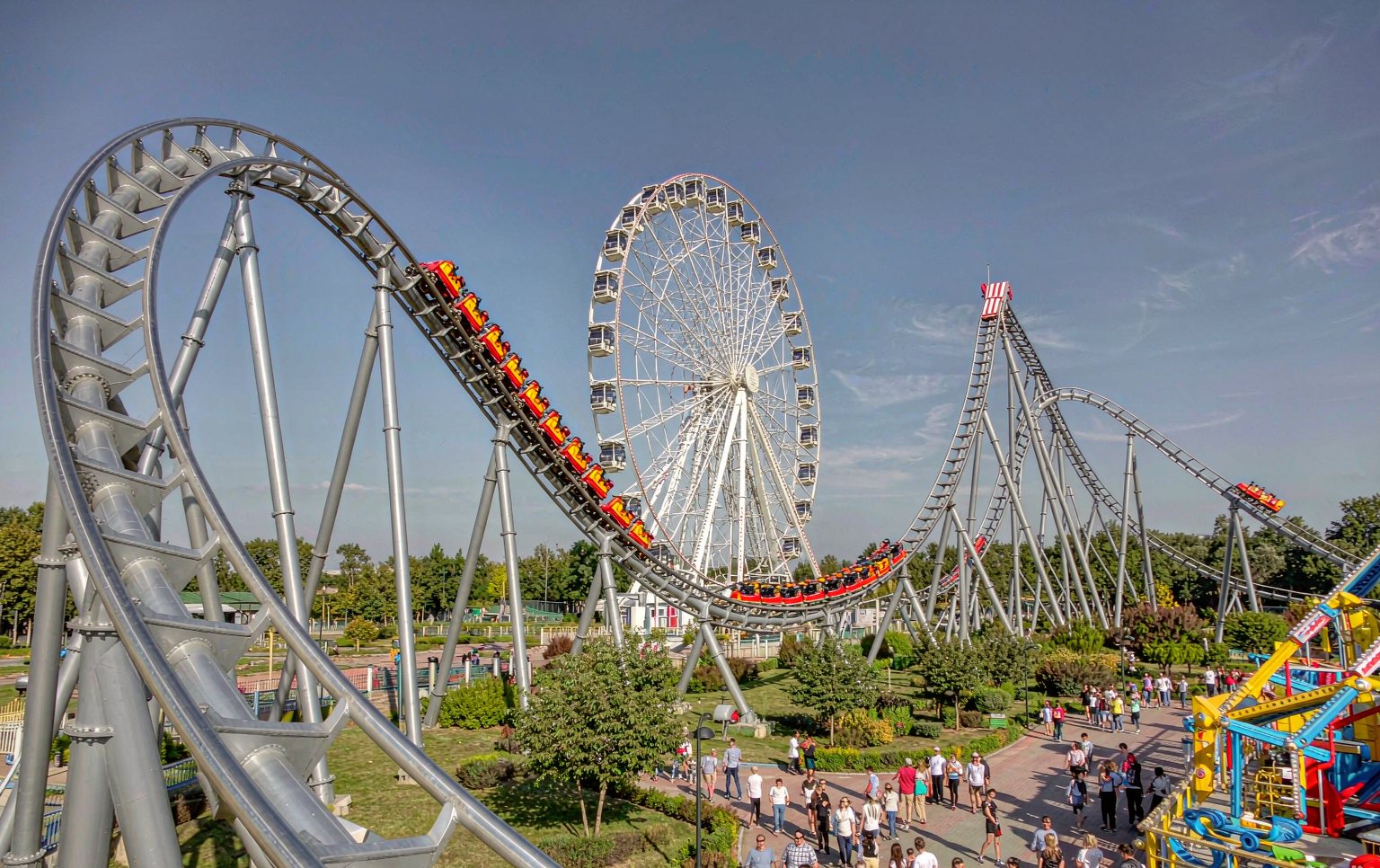
Roller coasters are among the most common thrill rides. They use track layouts, drops, turns, speed, and sometimes inversions to create excitement. Coasters can be family-friendly, intense, launched, inverted, suspended, wooden, steel, or hybrid.
Drop Towers
Drop towers create excitement through height and sudden movement. Riders are lifted into the air and then released in a controlled drop. The thrill comes from anticipation, elevation, and the feeling of free fall.
Spinning Rides
Spinning rides use rotation to create motion and disorientation. Some spin gently, while others spin faster and combine movement with tilting or swinging. These rides often feel playful but can still deliver strong thrills.
Inverted and Suspended Rides
Inverted and suspended rides place riders below the track. This creates a different sensation because guests feel as though they are flying or swinging through the air. The lack of a traditional floor beneath the feet adds to the excitement.
Water Thrill Rides
Water thrill rides combine speed, height, or motion with water elements. Splash rides, shoot-the-chutes attractions, and rapids rides can create excitement through surprise, sound, and the feeling of a large splash.
Motion Simulators
Motion simulators use moving platforms, screens, sound, lighting, and effects to create the feeling of travel, flight, or adventure. They may not move guests across a large physical space, but they can create strong sensory experiences.
Freefall and Launch Rides
Freefall and launch rides focus on sudden acceleration or sudden drops. These rides often feel more intense because the motion happens quickly. Launch coasters, drop towers, and freefall attractions all use this principle in different ways.
What Makes a Thrill Ride Feel Exciting
A good amusement park thrill ride depends on more than size or speed. Several elements work together to create excitement.
Height and Scale
Height creates anticipation. When guests see a tall structure, they begin to imagine the experience before they board. Height also makes the ride feel more dramatic.
Speed
Speed creates energy. A fast launch, steep drop, or sharp turn can make a ride feel powerful. However, speed alone is not enough. It must feel controlled and intentional.
Drops and Airtime
Drops create a strong physical sensation. Airtime, the feeling of briefly lifting from the seat, is one of the most popular sensations among coaster fans. A well-designed drop can become the highlight of a ride.
Inversions
Loops, corkscrews, and other inversions turn riders upside down. They add visual drama and physical excitement. Inversions work best when they feel smooth and well timed.
Spinning and Rotation
Spinning motion can make a ride feel unpredictable. Riders may not know exactly how the vehicle will move, which adds surprise and excitement.
Theming
Theming turns a mechanical experience into a story. A ride about space travel, jungle adventure, haunted exploration, or deep-sea discovery can feel more immersive when the scenery, sound, lighting, and queue support the story.
Surprise
Surprise makes a ride memorable. A sudden drop, hidden tunnel, unexpected sound, or surprise visual effect can create a moment that guests remember long after the ride ends.
Safety Systems on Thrill Rides
Safety is the most important part of any amusement park thrill ride. Thrill rides are designed to feel exciting, but they must always remain controlled.
Common safety systems include:
- Restraint systems
- Seat belts
- Lap bars
- Shoulder harnesses
- Individual ratcheting restraints
- Brake systems
- Emergency stop systems
- Sensors and block zones
- Control system monitoring
- Height and size requirements
- Health and safety warnings
- Operator training
- Daily inspections
- Scheduled maintenance
- Emergency evacuation procedures
Modern thrill rides often use multiple layers of safety. If one system detects a problem, the ride can stop, slow down, or prevent dispatch. This does not mean the ride is unsafe. It means the system is working as designed.
Rider Requirements and Health Considerations
Not every guest can ride every amusement park thrill ride. Parks use rider requirements to protect guests and ensure that restraints work correctly.
Common requirements include:
- Minimum height
- Maximum height or size limits
- Ability to sit upright
- Ability to keep limbs inside the vehicle
- Ability to secure restraints properly
- Health conditions that may affect safety
- Pregnancy restrictions
- Heart, neck, back, or motion-related health concerns
- Loose item restrictions
- Supervision requirements for younger riders
These rules are not meant to discourage guests. They exist because restraints, forces, motion, and emergency procedures must work safely for every rider. Guests should always read posted requirements and ask staff if they are unsure.
How Parks Design Thrill Rides
Parks do not choose thrill rides randomly. A new attraction must fit the park’s audience, available space, budget, safety standards, and overall guest experience.
Important design questions include:
- Who is the ride for?
- How intense should it feel?
- How many guests can it serve per hour?
- How much space does it need?
- Should it be indoor, outdoor, or partly enclosed?
- What theme fits the park?
- How will guests queue?
- How will staff operate and maintain it?
- What safety systems are required?
- How will it look from outside the park?
- Will it attract first-time visitors or repeat guests?
A successful amusement park thrill ride must balance excitement with practical operation. A ride can be very intense, but if it cannot run reliably, serve enough guests, or fit the park’s audience, it may not succeed.
The Role of Theming
Theming helps guests enter the experience before the ride begins. A well-themed attraction can make a thrill ride feel larger, more immersive, and more memorable.
Theming may include:
- Entrance design
- Queue scenery
- Music and sound effects
- Lighting
- Train or vehicle design
- Story elements
- Character details
- Pre-show areas
- Themed buildings
- Special effects
- Photo opportunities
- Post-ride experiences
A ride with strong theming can feel like part of a larger world. A space-themed launch ride may feel like a rocket mission. A jungle-themed coaster may feel like an expedition. A haunted-themed attraction may use darkness, sound, and surprise to build tension.
Theming works best when it supports the ride experience instead of hiding weak design. The strongest attractions combine exciting motion with a clear story and atmosphere.
Queue Experience and Guest Comfort
The queue is part of the ride experience. A long wait without comfort, shade, entertainment, or information can reduce excitement before guests even board.
A well-designed queue may include:
- Clear signage
- Estimated wait times
- Shade or weather protection
- Seating areas
- Themed scenery
- Video or audio entertainment
- Interactive elements
- Accessibility information
- Rider requirement details
- Staff communication
- Separate lines for single riders or accessible guests
The queue also gives parks a chance to build anticipation. If guests learn about the story, see themed details, or hear music related to the ride, they may feel more excited when they finally board.
Maintenance and Daily Operations
An amusement park thrill ride must be maintained carefully. Excitement depends on smooth motion, reliable systems, and consistent operation.
Daily operations may include:
- Opening safety checks
- Restraint inspections
- Brake and sensor checks
- Control system monitoring
- Ride cycle observation
- Staff communication
- Guest assistance
- Weather monitoring
- Cleaning of stations and vehicles
- Maintenance scheduling
- Spare parts management
- Emergency procedure readiness
Good maintenance helps rides run smoothly. It also reduces unexpected downtime. Guests may not notice every inspection, but they quickly notice delays, rough rides, unclear announcements, or frequent closures.
Common Mistakes in Thrill Ride Design
Even a large or expensive thrill ride can underperform if important details are ignored.
Weak Theming
A ride with no clear theme may feel exciting at first but forgettable afterward. Theming helps guests remember the experience.
Poor Queue Comfort
Long waits without shade, seating, or entertainment can create frustration. The queue should feel like part of the experience, not a punishment.
Rough Ride Experience
Intensity is not the same as roughness. A good thrill ride should feel exciting, not painful or uncomfortable.
Poor Sightlines
If guests cannot see the ride from a distance, it may lose some of its impact as a landmark. Strong sightlines help build anticipation.
Weak Sound Design
Sound can make a ride feel more dramatic. Poor sound, excessive noise, or missing audio cues can reduce immersion.
Ignoring Accessibility
Clear information about rider requirements, boarding assistance, and accessible queues helps more guests understand whether they can enjoy the attraction.
Poor Maintenance Planning
A ride needs space, access points, inspection schedules, and downtime planning. Without these, reliability can suffer.
Who Enjoys Thrill Rides Most
An amusement park thrill ride can appeal to many different guests, but not every ride is for everyone.
Thrill Seekers
These guests enjoy speed, height, drops, inversions, and intense motion. They often look for the park’s most exciting attractions.
Families
Some families enjoy moderate thrill rides together. Family thrill coasters, spinning rides, and water rides can offer excitement without extreme intensity.
Teenagers and Young Adults
Younger guests often enjoy thrill rides because they offer a sense of adventure, independence, and shared excitement with friends.
Tourists
Visitors may choose a park because it has a signature thrill ride. A famous coaster, drop tower, or launch attraction can become a reason to travel.
Repeat Visitors
Regular guests may return for seasonal events, new rides, ride photos, special challenges, or limited-time experiences.
The strongest thrill rides often attract more than one audience. A ride may be exciting for thrill seekers while still being approachable for curious first-time riders.
How to Enjoy a Thrill Ride
Guests can improve their experience by preparing before they ride.
Useful tips include:
- Check height and health requirements
- Wear secure clothing and footwear
- Store loose items before boarding
- Use lockers if available
- Watch the safety briefing
- Listen to ride operators
- Choose a seat based on comfort preferences
- Keep hands, arms, legs, and feet inside the vehicle
- Stay seated until the ride fully stops
- Ask staff if you have questions or concerns
These small steps help guests feel more prepared. They also help the ride run smoothly for everyone.
The Future of Amusement Park Thrill Rides
The future of the amusement park thrill ride is likely to include more immersive experiences, smoother ride systems, better guest comfort, and stronger integration between story and motion.
Possible trends include:
- More immersive themed attractions
- Smoother ride dynamics
- Energy-efficient launch and brake systems
- Compact ride designs for smaller parks
- Indoor thrill rides for weather protection
- Interactive ride elements
- Virtual and augmented reality experiences
- Improved accessibility planning
- Better queue entertainment
- Stronger maintenance monitoring
- Rides that combine family appeal with moderate thrills
- Attractions that connect to characters, stories, or park worlds
Thrill rides will continue to evolve. The most successful future attractions will not only feel exciting. They will also feel safe, smooth, immersive, reliable, and worth experiencing again.
Final Thoughts
An amusement park thrill ride is more than a collection of fast movements and tall structures. It is a carefully designed experience that combines engineering, safety, theming, operations, and guest emotion.
The best thrill rides create excitement without feeling reckless. They make guests feel anticipation, surprise, speed, height, and satisfaction. They also depend on strong maintenance, clear communication, trained staff, and reliable safety systems.
When a thrill ride works well, it becomes more than a single attraction. It becomes a memory, a story guests share, and a reason to return to the park. The most successful amusement park thrill rides are not judged only by how intense they feel. They are judged by how exciting, safe, smooth, and memorable they are from the first moment guests enter the queue to the moment they leave the exit.