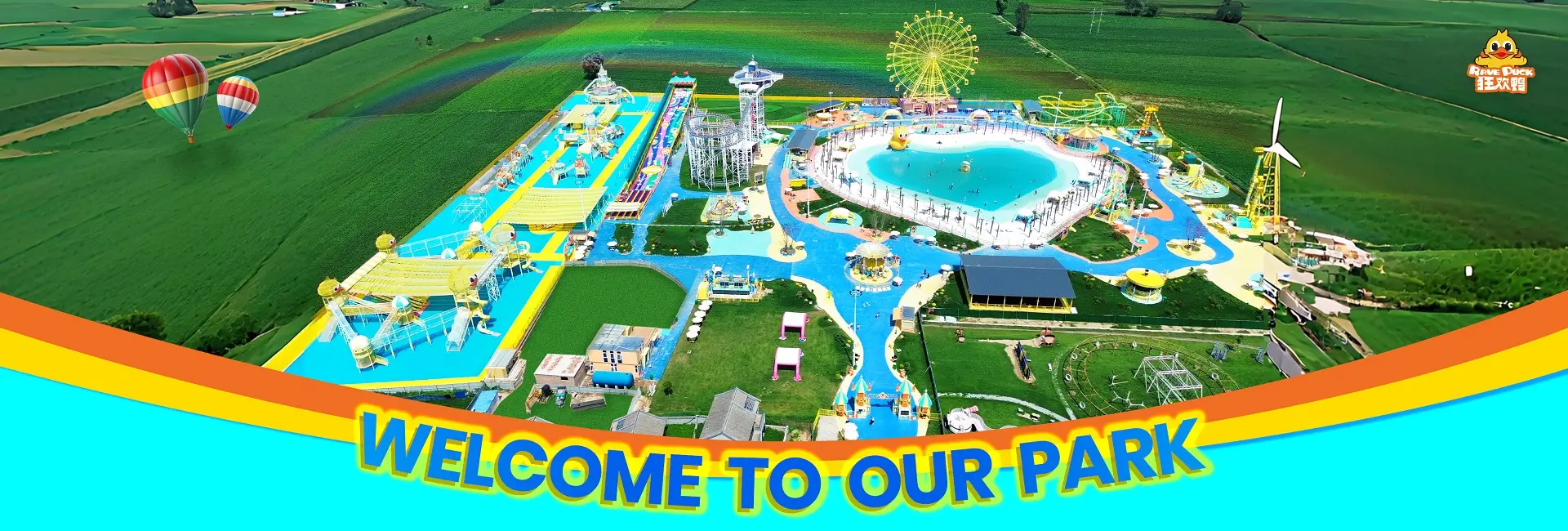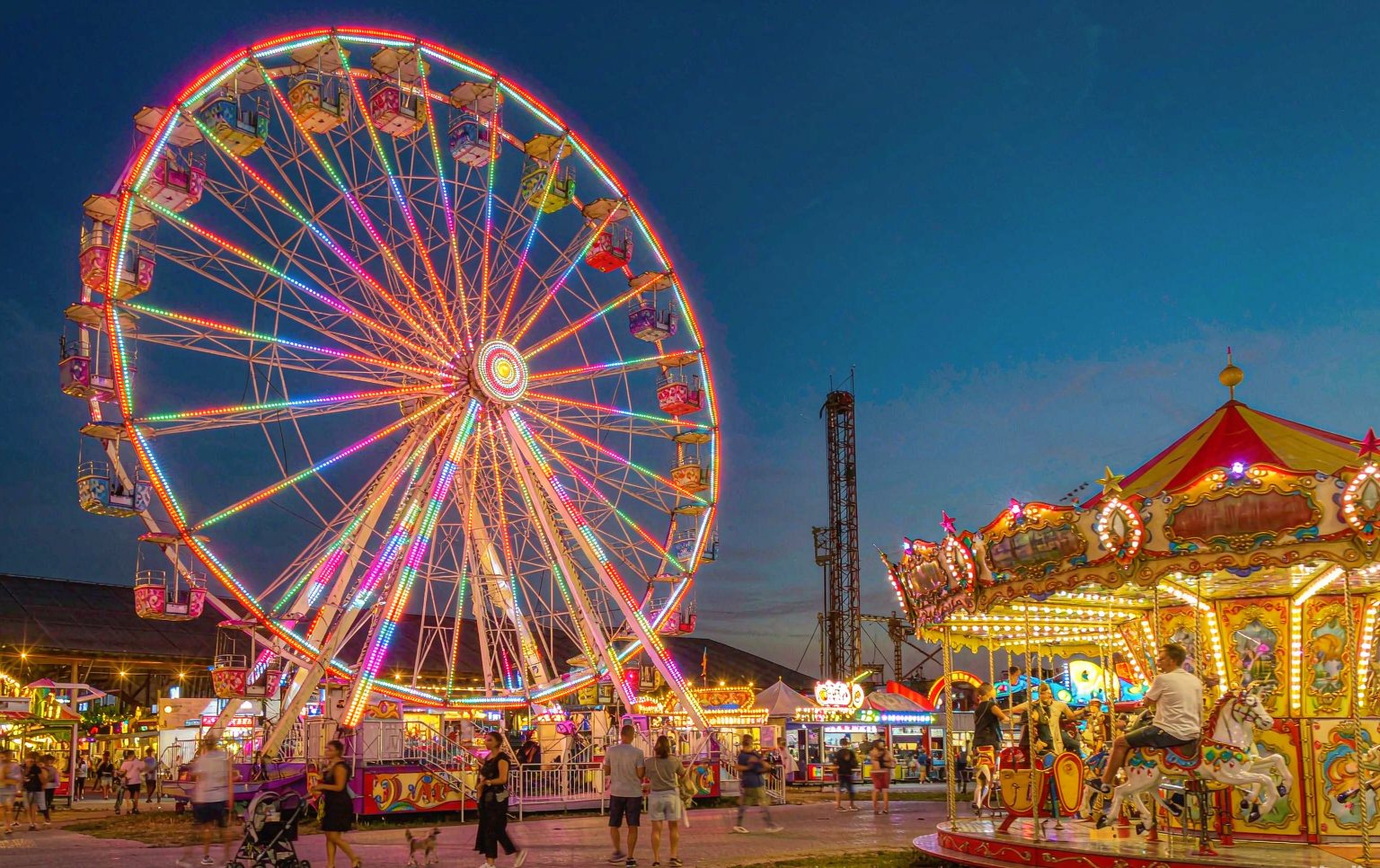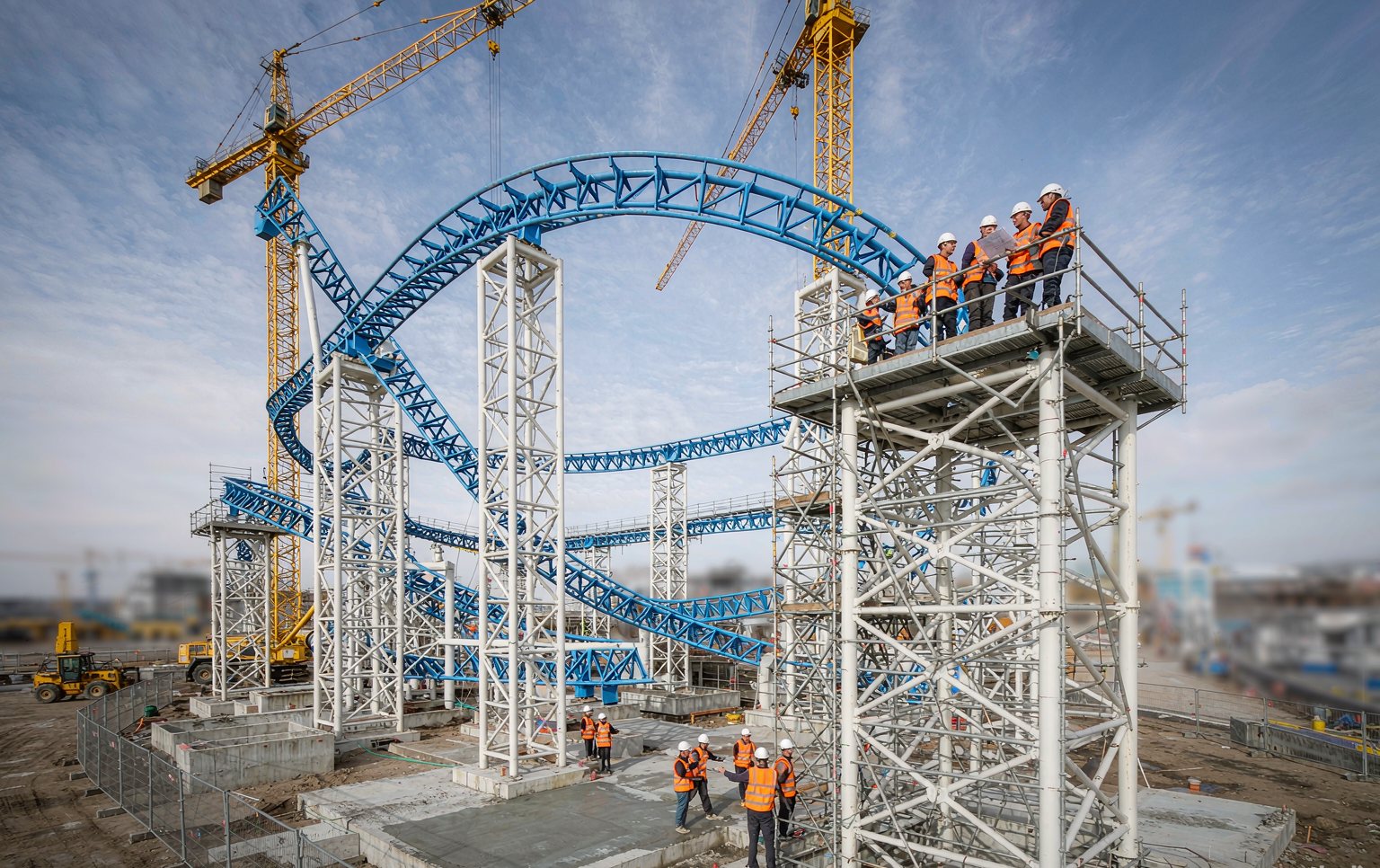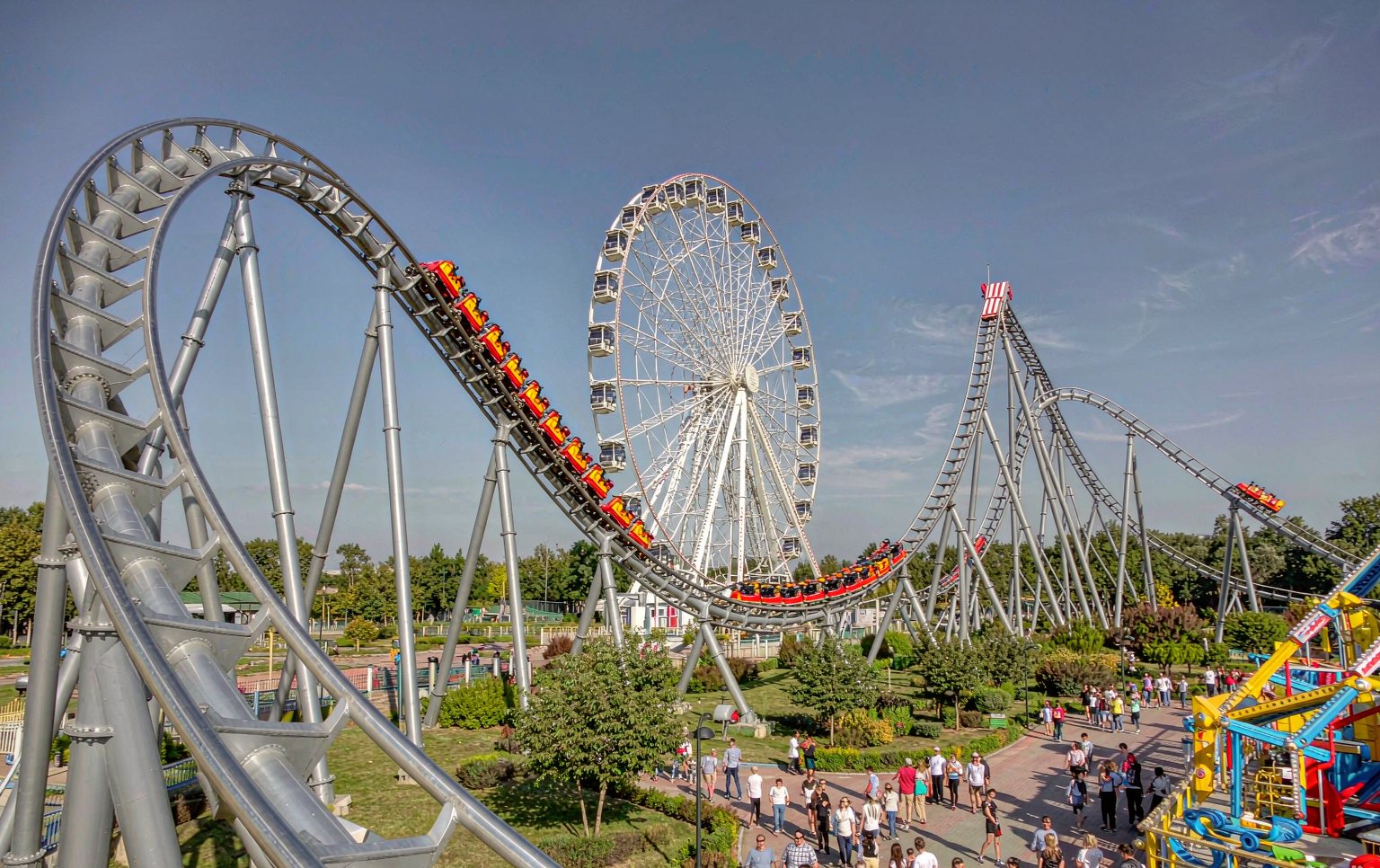
A fun factory park is not just a collection of rides and games. It is a place where children, families, and friends can explore, play, move, laugh, and create memories together. The name itself suggests energy, creativity, and hands-on activity. Visitors do not only come to watch or wait in line. They come to participate.
A fun factory park usually combines playful design, interactive attractions, family-friendly rides, activity zones, and a colorful atmosphere. It may include soft play areas, climbing structures, arcade games, small rides, ball pits, trampolines, VR experiences, craft areas, or themed play rooms. The exact mix depends on the size of the park, the target audience, and the type of experience the operator wants to create.
What makes a fun factory park special is its balance. It should feel exciting enough for children, comfortable enough for parents, and engaging enough for older kids and teenagers. When this balance works well, the park becomes more than entertainment. It becomes a place where families can spend quality time together.
Why a Fun Factory Park Appeals to Families
Families look for places that are safe, easy to enjoy, and full of activities for different ages. A fun factory park meets these needs by offering variety. Younger children can enjoy soft play, colorful structures, and gentle attractions. Older children can try more active games, challenges, or mild thrill experiences. Parents can relax nearby, watch their children play, or join in the fun.
This type of park also reduces the stress of planning a family day out. Instead of moving between several locations, families can find rides, games, food, rest areas, and entertainment in one place. Birthdays, school holidays, weekends, and rainy days all become easier to handle when there is a flexible indoor or semi-indoor environment.
A fun factory park also creates natural moments for connection. Siblings play together. Parents cheer children on. Friends compete in games. Families take photos, share snacks, and talk about their favorite activities. These small moments are often what make the visit memorable.
Common Features of a Fun Factory Park
A fun factory park can include many different attractions. The best ones offer a mix of physical play, imagination, competition, and relaxation.
Common features include:
- Soft play areas
- Ball pits
- Climbing walls
- Trampoline zones
- Slide towers
- Interactive arcade games
- Small family rides
- VR experiences
- Laser tag or glow games
- Mini bowling
- Craft and activity tables
- Themed play rooms
- Photo booths
- Prize redemption games
- Sensory play zones
- Toddler-friendly areas
- Party rooms
- Snack bars and family dining
These attractions work best when they are organized into clear zones. A toddler area should feel safe and calm. An arcade zone can feel energetic. A climbing or active zone can feel adventurous. A party or dining area should feel comfortable and convenient.
The Importance of Interactive Play
Interactive play is one of the strongest features of a fun factory park. Children learn and grow through movement, imagination, problem-solving, and social interaction. A well-designed park supports all of these experiences.
Climbing structures help children build confidence and coordination. Ball pits and soft play areas encourage exploration. Arcade games create friendly competition. Craft zones allow creativity. Group games teach teamwork. Themed play rooms spark imagination.
For parents, interactive play is also valuable because it keeps children engaged. Instead of passively watching screens or waiting for the next ride, children can move, discover, and participate. This makes the visit feel more active and rewarding.
A fun factory park becomes more successful when play feels meaningful. A colorful ball pit is fun, but a ball pit placed inside a themed adventure zone feels more special. A climbing wall is exciting, but one with a clear goal, safe padding, and visible supervision feels more trustworthy.
Designing Zones for Different Ages
A fun factory park should not treat all children the same. Toddlers, young children, older kids, teenagers, and adults all have different needs. The best parks create clear zones so each group can enjoy the experience safely.
Toddler Areas
Toddler areas should be soft, enclosed, and easy for parents to supervise. Small slides, gentle ramps, ball pits, sensory toys, and low climbing structures work well. The space should feel calm and safe, with enough room for caregivers to sit nearby.
Young Children’s Zones
Young children often enjoy bright colors, simple challenges, and imaginative play. Slides, tunnels, small rides, interactive games, and themed rooms can create excitement without becoming overwhelming.
Older Kids and Teenagers
Older children and teenagers usually want more challenge and competition. Climbing walls, laser tag, VR games, arcade competitions, and active attractions can give them a stronger sense of adventure.
Adult Comfort Areas
Parents and caregivers also need comfort. Seating, clear sightlines, nearby restrooms, food options, and safe waiting areas help adults feel relaxed while children play.
A fun factory park that separates these zones well can serve the whole family without making any group feel ignored or unsafe.
Safety Should Come First
Safety is the foundation of any fun factory park. Playful design and bright colors attract visitors, but safety standards, supervision, and maintenance build trust.
Important safety practices include:
- Regular equipment inspections
- Clean soft play surfaces
- Clear height and age recommendations
- Visible safety rules
- Trained staff in play zones
- Secure entry and exit points
- First aid availability
- Emergency procedures
- Crowd management during peak hours
- Separate areas for very young children
- Non-slip flooring in active zones
- Safe padding around climbing and jumping areas
Parents should always feel confident that the environment is supervised and well maintained. Staff should be visible, friendly, and ready to help. Clear rules reduce confusion and help prevent accidents.
Cleanliness is also part of safety. Soft play areas, ball pits, trampolines, and shared equipment need regular cleaning. A clean park feels more welcoming and shows that operators take guest wellbeing seriously.
Theming and Atmosphere
A fun factory park becomes more memorable when it has a strong theme. Theming turns separate attractions into a connected experience. It gives the park personality and helps children feel that they have entered a special world.
A factory theme might include gears, pipes, bright colors, playful machines, inventor characters, or pretend production lines. A science theme might include experiments, lights, sounds, and discovery zones. An adventure theme might include treasure maps, hidden rooms, and exploration challenges.
Theming does not need to be expensive to be effective. Simple details can make a big difference:
- Colorful wall graphics
- Playful signage
- Themed music
- Character mascots
- Interactive sound effects
- Photo-friendly corners
- Bright lighting in play zones
- Themed staff uniforms
- Special event decorations
- Seasonal activities
When theming is consistent, the park feels more professional and more fun. Children remember the atmosphere, parents take more photos, and families are more likely to return.
How Staff Shape the Experience
Staff are one of the most important parts of a fun factory park. Friendly, attentive, and well-trained employees can turn a good visit into a great one.
Staff should help children understand how to use attractions safely. They should guide parents when rules are unclear. They should respond quickly to spills, broken equipment, or uncomfortable guests. They should also create a warm atmosphere by smiling, greeting visitors, and encouraging children.
In party rooms, staff can make birthdays feel special. In arcade zones, they can help guests understand games and prize systems. In play areas, they can supervise safely without making children feel watched. In dining areas, they can keep the experience smooth during busy times.
A fun factory park is not only about equipment. It is about people. The right staff make the environment feel safe, welcoming, and full of energy.
Party Hosting and Group Events
A fun factory park is often a popular choice for birthdays, school groups, family gatherings, and community events. The combination of rides, games, food, and play makes it easy to create a full celebration.
Birthday parties can include:
- Reserved party rooms
- Themed decorations
- Dedicated staff support
- Food and drink packages
- Arcade or game credits
- Photo opportunities
- Small gifts or certificates
- Supervised play time
- Cake and celebration areas
- Flexible time slots
Group events can also work well. Schools, camps, sports teams, and family reunions may enjoy the mix of active play and social time. The park becomes a place where children can burn energy while adults relax and connect.
For operators, party hosting is a strong way to build repeat visits. A successful birthday party often leads to recommendations, social media posts, and future bookings.
Food, Rest, and Family Comfort
A fun factory park should not only focus on play. Food, rest, and comfort are equally important. Active children need snacks and drinks. Parents need places to sit. Families need clean restrooms and quiet corners.
A good food offering should be simple, fast, and family-friendly. Snacks, drinks, sandwiches, fries, pizza, ice cream, and light meals often work better than complicated menus. Quick service helps families return to play without long waits.
Rest areas should be visible and comfortable. Parents want seating near play zones so they can supervise easily. Quiet corners help guests who feel overwhelmed by noise or crowds. Family restrooms make visits easier for parents with young children.
A fun factory park that ignores comfort may still attract visitors at first, but it will struggle to build loyalty. Families return to places where they feel cared for.
Marketing a Fun Factory Park
Marketing a fun factory park means showing the experience, not just listing attractions. Parents want to see clean spaces, happy children, safe play areas, and friendly staff. Older children want to see exciting games, challenges, and social experiences.
Effective marketing ideas include:
- Short videos of children playing
- Birthday party packages
- Weekend event calendars
- School holiday promotions
- Social media photos of themed zones
- Loyalty cards or membership passes
- Group booking discounts
- Influencer family visits
- Online booking for parties
- Seasonal activities
- Parent-focused safety messages
- Clear opening hours and pricing
The strongest marketing shows real moments. A child climbing a wall, a family laughing in a party room, or friends competing in an arcade game can communicate the atmosphere better than a long description.
Common Mistakes to Avoid
Even a well-designed fun factory park can lose appeal if basic details are ignored.
Poor cleanliness is one of the biggest problems. Dirty play areas, sticky floors, or messy party rooms damage trust quickly.
Unclear safety rules can create confusion. Height limits, age recommendations, and supervision rules should be easy to understand.
Overcrowding reduces comfort. Popular zones need enough space for safe movement and waiting.
Weak theming can make the park feel generic. A fun factory park should feel playful and intentional, not like a random collection of equipment.
Ignoring older children is another mistake. If the park only focuses on toddlers, teenagers may lose interest.
Poor staff training can affect safety and customer service. Friendly, confident staff make the whole experience feel more professional.
Failing to update attractions can also reduce repeat visits. Families enjoy new games, seasonal events, and refreshed play zones.
Who Benefits Most From a Fun Factory Park
A fun factory park can serve many different audiences.
Families with young children benefit from safe, colorful, and supervised play areas.
Parents appreciate convenience, cleanliness, and nearby food options.
Older children enjoy challenges, games, and social activities.
Teenagers may enjoy arcade competitions, VR experiences, or group challenges.
Event planners can use the space for birthdays, school trips, and community gatherings.
Local businesses and tourism operators can also benefit when the park becomes a popular family destination.
How to Plan a Visit
Visitors can enjoy a fun factory park more by planning a simple visit. The goal is to balance active play, rest, food, and celebration without rushing.
A practical visit might include:
- Arriving early to avoid peak crowds
- Starting with popular attractions
- Taking short breaks between active zones
- Eating before the busiest meal times
- Checking height and age rules before joining activities
- Booking party rooms or group activities in advance
- Keeping valuables secure during active play
- Ending the visit with a calm activity or snack
This approach works well for families who want a full day of fun without stress. It also helps parents feel more prepared, especially during weekends and holidays.
Why Fun Factory Parks Keep Growing
The fun factory park concept continues to grow because it matches what modern families want. Parents look for safe, convenient, and engaging places. Children want play, movement, and imagination. Older kids want challenges and social experiences. Everyone benefits from a location that combines entertainment, comfort, and variety.
For operators, the model offers flexibility. Attractions can be updated, events can be added, and party packages can create repeat business. For families, the park offers an easy way to spend time together. For children, it offers a world of play.
The most successful fun factory parks are those that treat safety, cleanliness, theming, staff service, and guest comfort as equally important. When these elements work together, the park becomes more than a place to play. It becomes a destination that families remember and return to again and again.
Final Thoughts
A fun factory park succeeds when it balances energy with safety, imagination with structure, and fun with comfort. It should feel colorful, active, and welcoming, but also clean, supervised, and well organized.
For children, it offers a place to explore, climb, play, compete, and imagine. For parents, it offers convenience and peace of mind. For families and groups, it offers shared experiences that turn into memories.
The best fun factory parks are not defined only by their rides or games. They are defined by the feeling guests leave with: a sense of joy, connection, and excitement. When that feeling is strong, the park becomes more than entertainment. It becomes a favorite place to return to.
第4篇:World’s Biggest Indoor Roller Coaster
SEO Information
- SEO Title: World’s Biggest Indoor Roller Coaster: Why Indoor Thrill Rides Are Changing Parks
- Slug: worlds-biggest-indoor-roller-coaster
- Meta Description: Learn why the world’s biggest indoor roller coaster attracts attention, how weather-proof rides work, and what makes indoor coasters exciting year-round.
- Focus Keyword: world’s biggest indoor roller coaster
- Estimated Keyword Density: About 3%
World’s Biggest Indoor Roller Coaster: Why Indoor Thrill Rides Are Changing Parks
A world’s biggest indoor roller coaster is more than a record-breaking attraction. It is a statement about what modern theme parks can achieve. Indoor coasters remove many of the limits created by weather, temperature, and outdoor space. They allow parks to build large, immersive, and exciting rides that can operate more consistently throughout the year.
When a park introduces the world’s biggest indoor roller coaster, it usually becomes one of the most talked-about attractions. Guests are drawn by the scale, the technology, the theming, and the promise of a thrilling experience that feels different from a traditional outdoor coaster. The building itself becomes part of the attraction, creating anticipation before riders even board the train.
What makes this concept powerful is not only size. It is the combination of height, speed, layout, lighting, sound, storytelling, and controlled environment. A great indoor coaster should feel large, dramatic, and immersive, while still being safe, comfortable, and well designed.
Why Indoor Coasters Are Becoming More Important
Outdoor roller coasters have long been the centerpiece of theme parks. They offer height, speed, fresh air, and dramatic skyline views. However, they also depend on weather. Rain, wind, extreme heat, cold temperatures, and storms can affect operations.
Indoor coasters solve many of these problems. Because they are protected from direct weather exposure, they can often run more reliably. Parks in hot climates can offer relief from extreme heat. Parks in cold regions can operate during winter months. Parks in rainy areas can reduce weather-related closures.
The world’s biggest indoor roller coaster also allows parks to create experiences that outdoor rides cannot easily match. Darkness, lighting effects, projections, sound design, fog, themed scenery, and enclosed tunnels can all make the ride feel more immersive. The environment can change suddenly, creating surprise and excitement.
This is why indoor coasters are becoming more important in modern theme park design. They combine the thrill of a large roller coaster with the control of an indoor environment.
What Makes an Indoor Coaster Feel Massive
Size alone does not make a world’s biggest indoor roller coaster feel impressive. The feeling of scale comes from how the ride uses space, height, speed, and visual design.
A tall indoor lift hill can feel dramatic because riders see the structure rising inside a large building. A steep drop can feel more intense when it disappears into darkness or themed scenery. A fast section can feel faster when sound echoes through an enclosed space. A sharp turn can feel more dynamic when lighting and projections guide the eye.
Important design elements include:
- A tall lift hill or launch section
- A long or complex track layout
- A steep drop
- A fast top speed
- A dark ride section
- Themed scenery
- Lighting effects
- Sound design
- Projections or screens
- Fog, wind, or temperature effects
- A dramatic finale
- A visible building exterior
When these elements work together, the ride feels larger than its physical size. The building becomes part of the story, and the coaster becomes the centerpiece of the attraction.
Theming and Immersion
One of the biggest advantages of the world’s biggest indoor roller coaster is the opportunity for deep theming. Outdoor coasters often rely on structure, height, and speed. Indoor coasters can add storytelling, atmosphere, and sensory effects.
A themed indoor coaster might feel like:
- A space mission
- A jungle expedition
- A haunted adventure
- A race through a futuristic city
- A flight through mountains
- A chase scene
- A magical kingdom
- A secret underground world
- A stormy escape
- A journey through time
Theming helps riders understand what kind of experience to expect. It also makes the attraction more memorable. A rider may forget the exact speed or height of a coaster, but they are more likely to remember a dramatic scene, a surprising moment, or a strong visual image.
Lighting is especially important. In an indoor coaster, designers can control every shadow, color, and flash of light. A sudden change from darkness to bright light can feel shocking. A slow build of color can create tension. A final burst of light can make the ending feel triumphant.
Weather Reliability and Year-Round Operation
A major reason parks invest in the world’s biggest indoor roller coaster is reliability. Outdoor rides may close during storms, high winds, or extreme weather. Indoor attractions are more protected, which helps parks maintain a consistent guest experience.
This is especially valuable for destinations that depend on tourism, school holidays, weekends, and special events. A park cannot easily control when families visit, but it can control whether its biggest attractions are available when they arrive.
Year-round operation also supports business planning. Parks can host winter events, holiday celebrations, birthday parties, and indoor festivals without relying only on outdoor weather. An indoor coaster becomes a stable anchor attraction that guests can count on.
Of course, indoor does not mean completely weatherproof. Power issues, maintenance needs, safety checks, and building systems still require careful management. But compared to outdoor coasters, indoor rides often offer more operational flexibility.
Rider Experience and Comfort
A world’s biggest indoor roller coaster should feel exciting, but it should also feel comfortable. Indoor environments allow parks to control temperature, lighting, sound, and airflow more carefully than outdoor settings.
In hot climates, air-conditioned queue areas and ride buildings can make a major difference. Guests waiting in line may spend twenty minutes or more before boarding. A comfortable queue reduces fatigue and improves the overall experience.
In cold climates, indoor coasters can feel more inviting during winter months. Riders do not have to face freezing wind or icy platforms. The building becomes a warm, active space during seasons when outdoor parks may feel less appealing.
Sound design also affects comfort. Enclosed spaces can amplify noise, so music, effects, and announcements should be balanced carefully. A great indoor coaster uses sound to build excitement without making the experience overwhelming.
Safety and Engineering
A world’s biggest indoor roller coaster requires strong engineering. The building, track, trains, restraint systems, ventilation, lighting, and emergency systems must all work together safely.
Important safety considerations include:
- Structural support for large indoor tracks
- Fire safety and emergency exits
- Ventilation and air quality
- Clear evacuation routes
- Regular track inspections
- Train maintenance
- Restraint checks
- Operator training
- Crowd control in queues
- Accessibility planning
- Communication systems
- Weather protection for building entrances
Indoor coasters also need careful planning for smoke, fog, lighting, and special effects. These elements add excitement, but they must never block visibility for staff or create confusion during an emergency.
Guests should always feel that the ride is thrilling by design, not by accident. The best indoor coasters feel bold and surprising while still being carefully controlled.
Queue Design and Anticipation
The queue experience is part of the attraction. For a world’s biggest indoor roller coaster, the queue should build anticipation and prepare riders for the experience ahead.
A strong queue might include:
- Themed entrance
- Storytelling signs
- Video screens
- Interactive elements
- Music or sound effects
- Lighting changes
- Scenic details
- Photo opportunities
- Clear wait time information
- Comfortable waiting areas
- Shade or cooling in hot climates
- Accessible pathways
A long queue can feel boring if it is empty and unthemed. The same queue can feel exciting if it tells a story. Riders begin the experience before they board the train. By the time they reach the station, they should feel curious, energized, and ready for the ride.
How Indoor Coasters Change Park Layout
A world’s biggest indoor roller coaster often becomes a central attraction. Because it is housed inside a large building, it can shape the layout of the entire park.
Outdoor coasters usually dominate the skyline. Indoor coasters dominate through scale, theming, and guest flow. The building exterior can be designed to look dramatic, mysterious, or futuristic. The entrance can become a landmark. The queue can connect to nearby dining, retail, or entertainment areas.
Indoor coasters also allow parks to use space more efficiently. A large outdoor coaster needs open space, clear sightlines, and safety zones. An indoor coaster can be placed in a more compact footprint while still offering