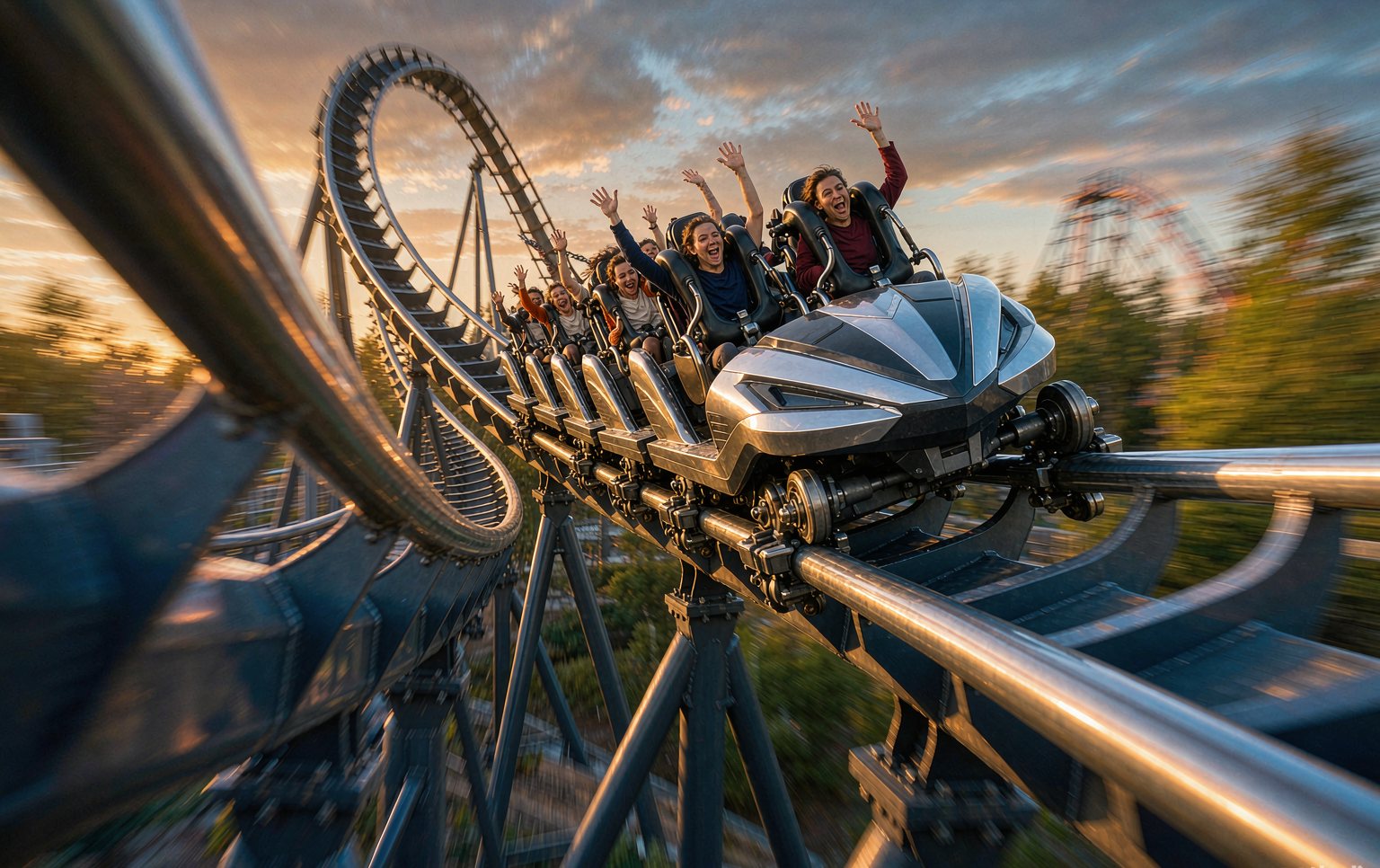
There is a moment — just before the train crests the first hill — when every rider holds their breath. The chain lift clatters, the world below shrinks, and for one suspended second, you are completely weightless in anticipation. Then comes the drop, the wind, the scream, and the rush of adrenaline that no other amusement ride can replicate. This is the magic of the attraction roller coaster, the crown jewel of every major theme park on the planet.
From the earliest wooden structures of the early 20th century to today’s magnetic-launch hypercoasters, the attraction roller coaster has evolved into one of the most sophisticated forms of entertainment engineering in the world. Parks invest hundreds of millions of dollars into designing, building, and theming these rides, because they know one thing for certain: a great roller coaster is the single most powerful draw a park can have.
This article explores what makes an attraction roller coaster so irresistible, how parks design them, which rides hold the world’s records, and what the future holds for this iconic form of amusement.
What Exactly Is an Attraction Roller Coaster?
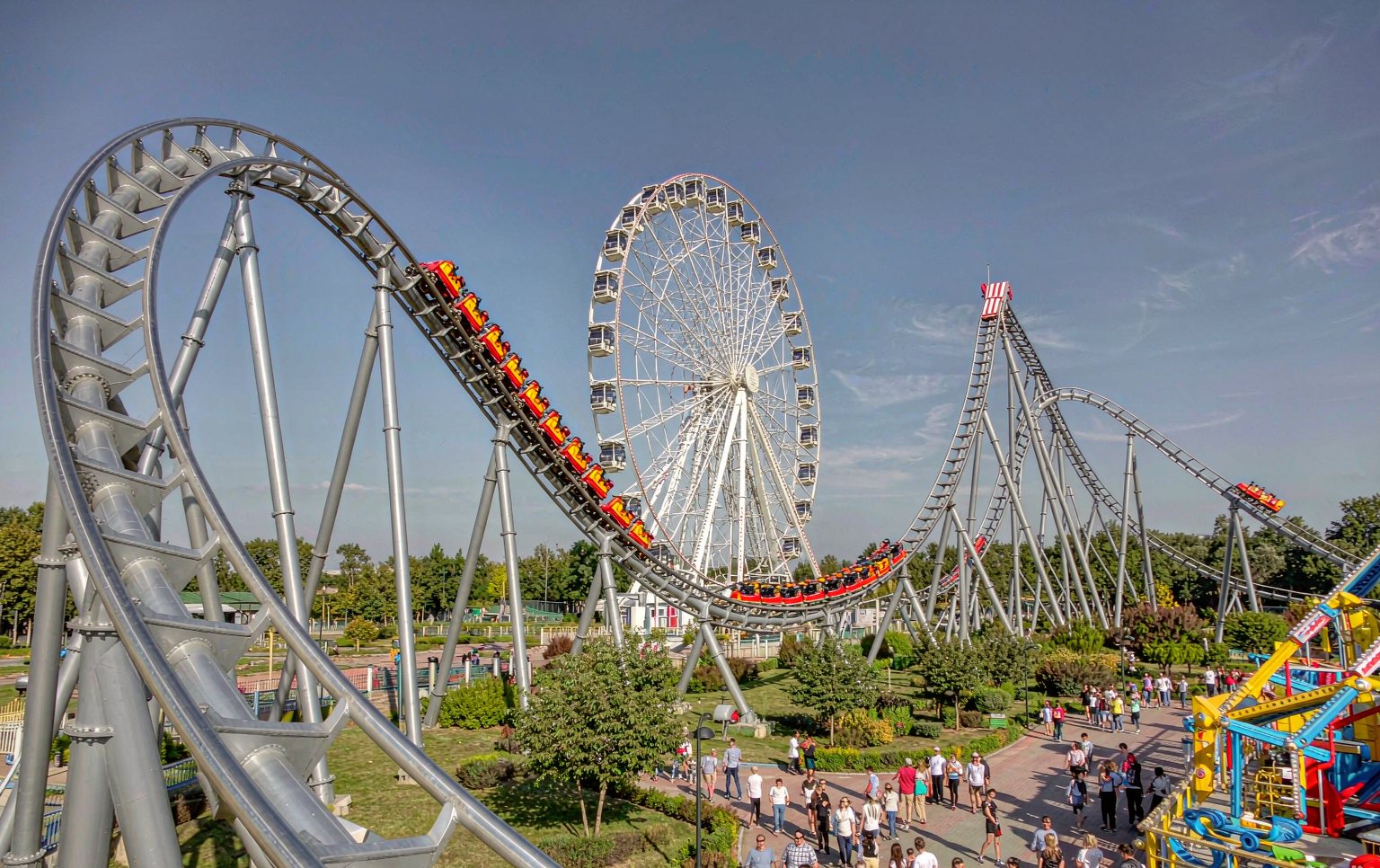
At its core, an attraction roller coaster is a thrill ride built around a track system that guides a train of cars through a series of drops, turns, inversions, and speed changes. But modern coasters are far more than simple tracks and cars. They are carefully engineered experiences that combine physics, storytelling, sound design, lighting, and theming to create an emotional journey.
The term “attraction” is key here. In the theme park industry, an attraction is any experience designed to draw guests in — a ride, a show, a walkthrough, or an interactive experience. An attraction roller coaster stands apart from other rides because it combines the physical intensity of a thrill ride with the narrative immersion of a themed environment. It is not just about speed or height; it is about telling a story through motion.
Modern parks understand that riders do not just want to go fast — they want to feel transported. That is why the best attraction roller coaster experiences wrap their thrills inside elaborate themes, from ancient Egyptian tombs to futuristic space stations, from haunted forests to underwater kingdoms.
A Brief History of the Roller Coaster as a Theme Park Attraction
The story of the attraction roller coaster begins in the late 1800s, when gravity-powered rail rides first appeared in the United States and Europe. The Switchback Railway, which opened at Coney Island in 1884, is widely considered one of the first American roller coasters. It was a simple affair — a gentle, undulating track that carried passengers at modest speeds — but it proved that people would pay to experience controlled thrills.
The early 20th century became known as the “Golden Age” of roller coasters, with hundreds of wooden coasters built across the United States. Many of these early rides were designed by legendary engineers like John Miller, who invented the underfriction wheel system that kept coaster cars locked to the track at high speeds.
After a decline in the mid-20th century, the roller coaster renaissance began in the 1970s and 1980s, when parks like Cedar Point in Ohio began competing to build taller, faster, and more thrilling rides. The introduction of steel coasters, inversions, and computer-aided design opened up entirely new possibilities, transforming the attraction roller coaster from a simple amusement ride into a multi-sensory experience.
How Parks Design an Attraction Roller Coaster
Building a world-class attraction roller coaster is a complex process that can take years from concept to opening day. Here is a look at the key stages:
Concept and Story
Every great attraction roller coaster begins with a story. Park designers work with creative teams to develop a theme — a narrative that will guide every element of the ride, from the queue line to the final brake run. The story determines the visual style, the music, the sound effects, and even the shape of the track.
Engineering and Layout
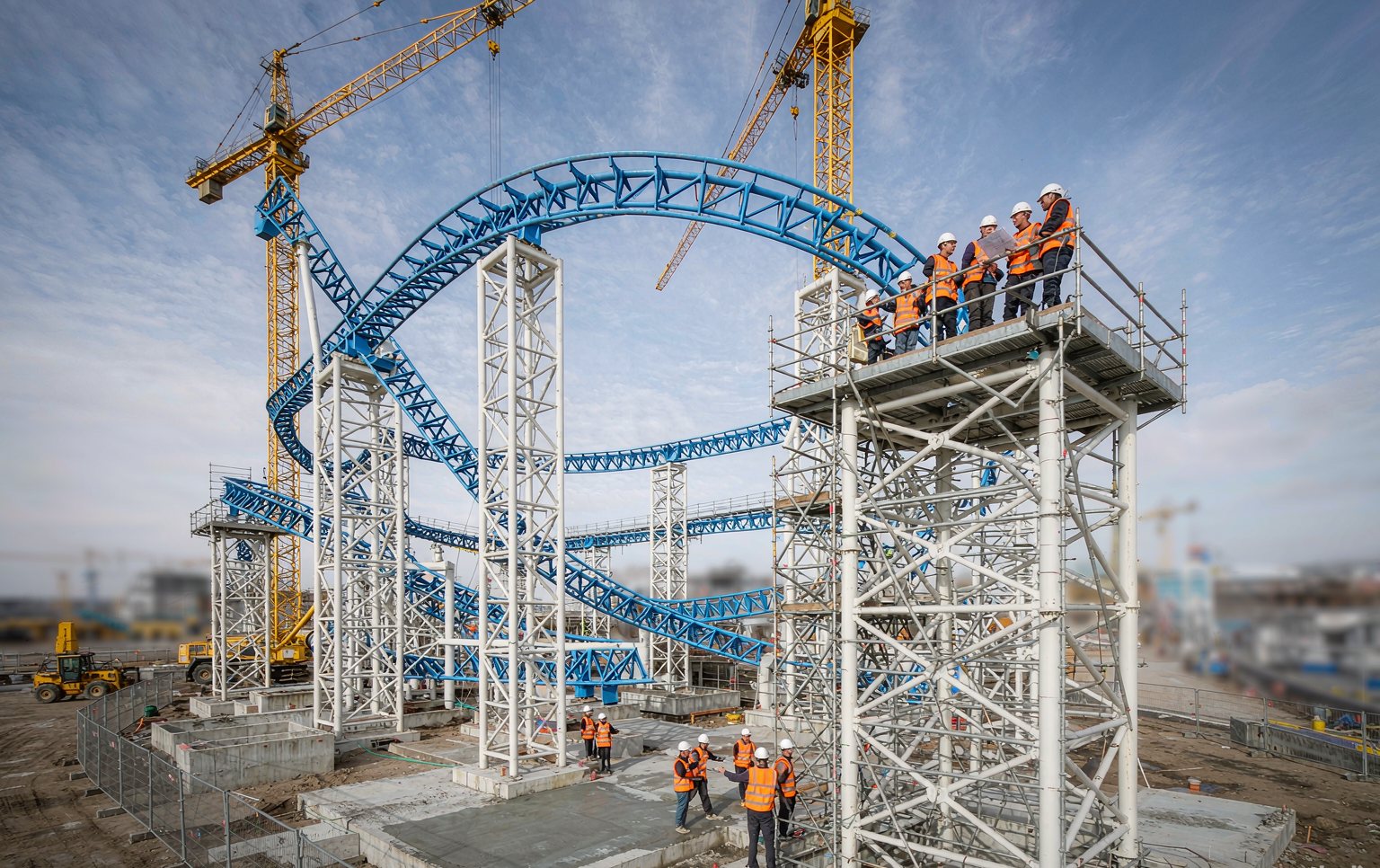
Once the concept is established, engineers use computer modeling to design the track layout. They calculate forces (G-forces), speed, and rider comfort to ensure the ride is thrilling but safe. Modern design software allows engineers to simulate the entire ride experience before a single piece of steel is cut.
Theming and Immersion
This is where the attraction roller coaster truly separates itself from a bare-bones thrill ride. Theming includes everything from the station design and queue area to the track supports, scenery, lighting, and special effects. The goal is to make riders feel like they have entered another world.
Testing and Refinement
Before opening to the public, every attraction roller coaster undergoes months of testing. Engineers ride the coaster thousands of times, measuring forces, checking clearances, and fine-tuning the experience. Water dummies are often used to simulate different rider weights and body types.
The World’s Most Record-Breaking Attraction Roller Coasters
The competition among theme parks to build the tallest, fastest, and most intense attraction roller coaster has produced some truly extraordinary rides. Here are some of the most notable record holders:
Kingda Ka — Six Flags Great Adventure, USA
For many years, Kingda Ka held the title of the world’s tallest and fastest roller coaster. Standing at 139 meters (456 feet) tall and launching riders to 206 km/h (128 mph) in just 3.5 seconds, this hydraulic launch coaster delivers one of the most intense acceleration experiences ever built.
Steel Dragon 2000 — Nagashima Spa Land, Japan
This massive steel coaster holds the record for the longest roller coaster track in the world, stretching over 2,479 meters (8,133 feet). Its sprawling layout winds through the park with a series of high-speed turns and airtime hills.
Formula Rossa — Ferrari World, Abu Dhabi
Formula Rossa is the fastest roller coaster in the world, reaching a top speed of 240 km/h (149 mph). Riders are launched along a straight track in under five seconds, experiencing forces similar to those felt by fighter jet pilots.
Takabisha — Fuji-Q Highland, Japan
Takabisha once held the record for the steepest drop on any roller coaster, with a 121-degree descent that sends riders past vertical. The ride also features seven inversions, making it one of the most disorienting and thrilling experiences in Asia.
Fury 325 — Carowinds, USA
Fury 325 is a giga coaster — a coaster that exceeds 300 feet (91 meters) in height. Standing at 99 meters (325 feet), it is one of the tallest and fastest traditional chain-lift coasters in the world, delivering sustained high-speed thrills across a sprawling layout.
The Different Types of Attraction Roller Coasters
Not all attraction roller coaster experiences are the same. Over the decades, manufacturers have developed a wide variety of ride types, each offering a different sensation:
Wooden Coasters
The classic wooden attraction roller coaster delivers a raw, rumbling ride experience that many enthusiasts consider the purest form of coasting. Modern wooden coasters, built by firms like Rocky Mountain Construction (RMC), combine traditional wooden structures with steel track elements for smoother, more aggressive rides.
Steel Hypercoasters
Hypercoasters are steel coasters that exceed 200 feet (61 meters) in height. They are known for their smooth ride quality, massive drops, and sustained airtime — those magical moments when riders lift out of their seats.
Launch Coasters
Instead of a traditional chain lift, launch coasters use hydraulic, pneumatic, or magnetic systems to accelerate riders from zero to high speed in seconds. The sensation is explosive and unlike anything a chain-lift coaster can deliver.
Inverted Coasters
On an inverted attraction roller coaster, riders sit beneath the track with their legs dangling freely. This design creates a unique sensation of flight and allows for complex inversion elements.
Dive Coasters
Dive coasters feature a dramatic pause at the top of the lift hill, where the train tips forward and riders stare straight down before plunging into a near-vertical drop. The suspense is part of the thrill.
Wing Coasters
Wing coasters seat riders on either side of the track with nothing above or below them, creating the sensation of flying through the air with no support.
The Role of Theming in the Attraction Roller Coaster Experience
What separates a good attraction roller coaster from a great one is often not the height or speed, but the theming. A well-themed coaster transports riders into a story, making the physical thrills feel like part of a larger adventure.
Consider some of the most beloved themed coasters in the world:
- The Revenge of the Mummy (Universal Studios) — Riders race through an ancient Egyptian tomb filled with scarab beetles, fire effects, and sudden darkness.
- Guardians of the Galaxy: Cosmic Rewind (EPCOT) — A storytelling coaster that spins riders through a cosmic adventure set to classic rock music.
- Hagrid’s Magical Creatures Motorbike Adventure (Universal’s Islands of Adventure) — A themed coaster that weaves through the Forbidden Forest with multiple launch sections and a surprise freefall drop.
These rides prove that the best attraction roller coaster experiences are not just about physics — they are about emotion, imagination, and immersion.
Safety: How Modern Coasters Keep Riders Protected
With great speed and height comes great responsibility. Every attraction roller coaster is subject to rigorous safety standards and regular inspections. Modern coasters feature multiple redundant safety systems, including:
- Block zones — The track is divided into sections, and only one train is allowed in each block at a time, preventing collisions.
- Restraint systems — Lap bars, shoulder harnesses, and seat belts are designed to hold riders securely through every element.
- Sensors and computers — Thousands of sensors monitor train position, speed, and mechanical health in real time.
- Daily inspections — Trained technicians inspect every coaster before the park opens each day.
The modern attraction roller coaster is one of the safest forms of amusement in the world, with injury rates far lower than many everyday activities.
The Future of the Attraction Roller Coaster
The future of the attraction roller coaster is brighter than ever. Parks around the world are investing in next-generation technologies that promise to push the boundaries of what a coaster can be:
- Virtual reality integration — Some parks have experimented with VR headsets that overlay digital worlds onto physical coaster layouts, though the technology is still evolving.
- Multi-launch designs — New coasters feature multiple launch sections, allowing for more complex and unpredictable ride experiences.
- Sustainable engineering — Manufacturers are exploring energy-efficient designs, including regenerative braking systems that capture and reuse energy.
- Immersive storytelling — The trend toward deeply themed, narrative-driven coasters is expected to accelerate, with parks investing more in cinematic queue experiences and ride-integrated special effects.
As technology advances, the attraction roller coaster will continue to evolve, offering experiences that are taller, faster, smoother, and more immersive than ever before.
Tips for Getting the Most Out of Your Coaster Experience
If you are planning to experience the world’s best attraction roller coaster rides, here are some practical tips:
- Ride early — Lines are shortest during the first hour after the park opens.
- Use single rider lines — Many parks offer single rider queues that can cut wait times dramatically.
- Sit in the front row — For the most intense visual experience, the front row offers unobstructed views of every drop and turn.
- Sit in the back row — The back of the train experiences the strongest airtime forces as it crests hills.
- Check height requirements — Most thrill coasters have minimum height restrictions, typically between 48 and 54 inches.
- Stay hydrated — Long lines in hot weather can be exhausting, so bring water and wear sunscreen.
The Bottom Line
The attraction roller coaster is more than a ride — it is a carefully crafted experience that combines engineering precision, artistic vision, and pure adrenaline into a few unforgettable minutes. From the earliest wooden coasters to today’s record-breaking steel giants, these rides have captivated generations of thrill seekers and continue to push the boundaries of what is possible.
Whether you are chasing the fastest launch in the world, the steepest drop on record, or simply the perfect airtime hill, the world of attraction roller coaster experiences has something for every level of thrill seeker. The only question is: which one will you ride next?