A theme park is more than a collection of rides, games, and colorful buildings. It is a carefully designed environment where guests come to escape, explore, celebrate, and create memories. Whether you are planning a small family entertainment center, a regional amusement destination, an indoor attraction, or a large-scale themed experience, the journey begins with a clear idea and a realistic plan.
If you want to create your own theme park project, the first step is not choosing rides or designing a logo. It is understanding what kind of experience you want to build, who it is for, and whether the idea can work in the real world. A strong theme park project depends on creativity, but it also depends on research, planning, safety, operations, budgeting, and long-term thinking.
This article explores how to turn a theme park idea into a practical project. It covers concept development, market research, site selection, ride selection, theming, safety, operations, marketing, and the steps needed to build a destination that guests will want to visit again and again.
Why a Clear Concept Matters Before Anything Else
Every successful theme park begins with a concept. The concept is the foundation of the entire project. It defines the identity of the park, the type of guests it will attract, the atmosphere it will create, and the experiences it will offer.
When you create your own theme park project, start by asking simple but important questions. Who is the target audience? Is the park designed for families with young children, teenagers, thrill seekers, tourists, local visitors, schools, or mixed audiences? What kind of experience should guests feel when they arrive? Should the park feel adventurous, magical, educational, nostalgic, futuristic, or nature inspired?
A strong concept helps every later decision become easier. It influences the choice of rides, the design of entrances, the style of food areas, the look of staff uniforms, the music, the signage, and the overall guest journey. Without a clear concept, a theme park can feel random, disconnected, or difficult to market.
Your concept should also be realistic. A creative idea is valuable, but it must fit your location, audience, budget, space, and operational capacity. The best theme park concepts are not only imaginative. They are also practical, consistent, and built around a clear guest experience.
Researching the Market and Understanding Your Audience
Before investing in design, land, or equipment, you need to understand the market. A theme park does not succeed only because it looks exciting. It succeeds because it meets a real demand and offers something guests want.
Market research helps you understand whether there is enough interest in your area for a new attraction. You should study the local population, tourism trends, family entertainment habits, competitor parks, seasonal visitor patterns, ticket pricing, and guest expectations.
Ask yourself:
- Who lives near the proposed location?
- Are there families, schools, tourists, or young adults nearby?
- What other entertainment options already exist?
- What are competitors charging?
- What experiences are missing in the market?
- Will the park attract visitors during weekdays, weekends, holidays, and off seasons?
If you want to create your own theme park project, avoid assuming that guests will come simply because the idea is exciting. A strong market study helps you shape the park around real visitor needs. It can also help you avoid costly mistakes, such as building a park that is too large, too small, too expensive, or poorly matched to the local audience.
Choosing the Right Location and Site
Location is one of the most important factors in any theme park project. A great concept in the wrong location may struggle to attract enough visitors. A well-chosen site can support growth, accessibility, marketing, and long-term success.
When evaluating a site, consider visibility, road access, parking, public transportation, nearby hotels, tourism flow, utilities, land size, expansion potential, climate, and local regulations. A site that is easy to reach and comfortable for visitors will always have an advantage.
For a family focused park, proximity to residential areas, schools, and weekend tourism routes can be important. For a destination park, access to airports, hotels, and tourist attractions may matter more. For an indoor park, climate control and building costs become central considerations.
Before committing to a location, study the land carefully. Check zoning rules, environmental requirements, noise restrictions, traffic impact, utility availability, drainage, and construction feasibility. A beautiful concept needs a site that can actually support it.
Defining the Size, Scale, and Budget
One of the biggest mistakes in early planning is designing a park that is too ambitious for the available budget. When you create your own theme park project, the scale should match your financial capacity, operational resources, and market demand.
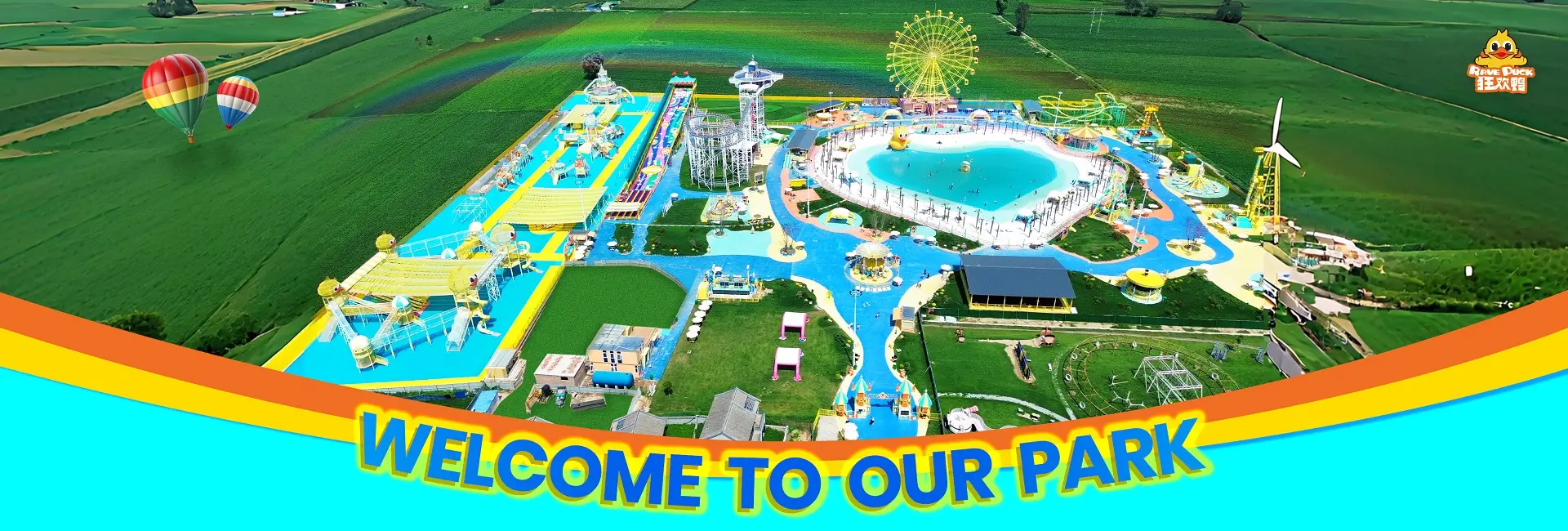
A small family entertainment center may focus on compact rides, interactive attractions, children’s play areas, arcade experiences, and themed indoor zones. A regional park may include a mix of family rides, thrill attractions, live entertainment, food areas, and themed environments. A large destination park may require major investment in infrastructure, land, rides, theming, staffing, marketing, and long term operations.
Your budget should include more than the cost of rides. Important expenses include:
- Land acquisition or lease
- Site preparation and infrastructure
- Design and planning
- Ride and attraction equipment
- Theming and landscaping
- Electrical, plumbing, and safety systems
- Staff training
- Marketing and opening promotions
- Insurance and permits
- Maintenance and spare parts
- Working capital for the first operating period
A realistic budget protects the project. It helps you prioritize what matters most and avoid running out of resources before the park opens.
Designing the Guest Experience and Park Layout
A theme park is experienced as a journey. Guests move from the entrance through different areas, attractions, food zones, rest areas, retail spaces, and exits. A good layout makes this journey feel natural, comfortable, and exciting.
When you create your own theme park project, think about how visitors will feel at each stage. The entrance should create a strong first impression. The main pathways should be easy to understand. Attractions should be distributed in a way that encourages exploration without creating overcrowding. Food, restrooms, shade, seating, and service areas should be easy to find.
A well designed park also balances energy levels. Not every area should feel loud or intense. Families need calm spaces. Children need safe play areas. Teenagers and thrill seekers need excitement. Adults need comfort and convenience. A balanced layout helps different types of guests enjoy the same park.
Theming plays a major role in layout design. Each zone can have its own story, colors, architecture, music, lighting, and atmosphere. This helps guests feel like they are moving through different worlds rather than walking through a random collection of rides.
Choosing Rides and Attractions That Fit the Concept
Rides are often the most visible part of a theme park, but they should never be chosen in isolation. Every attraction should support the overall concept, audience, safety standards, operations, and guest experience.
When selecting rides, consider:
- Target age group
- Thrill level
- Capacity and throughput
- Space requirements
- Maintenance needs
- Safety standards
- Theming potential
- Weather protection
- Operating cost
- Guest appeal and photo value
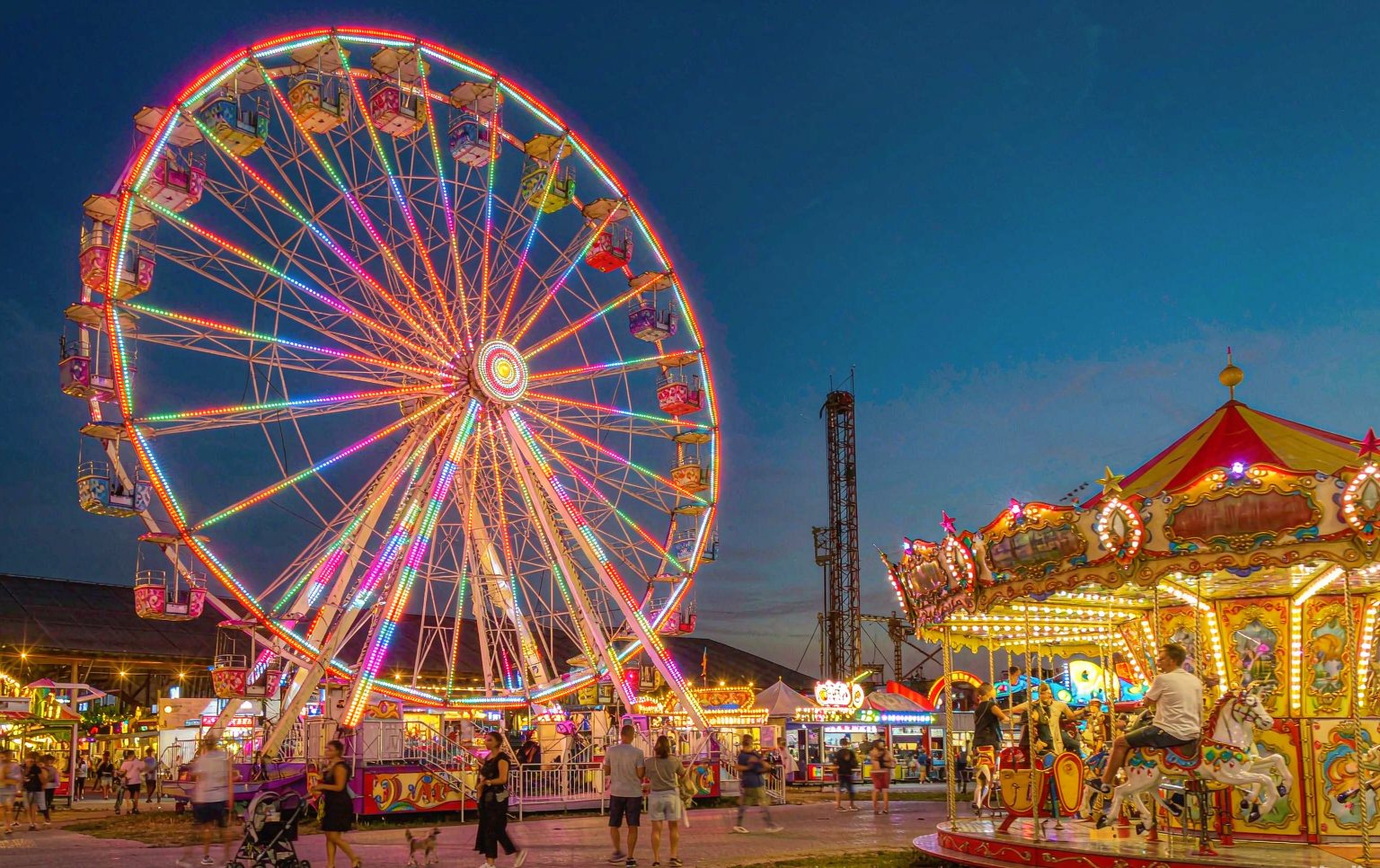
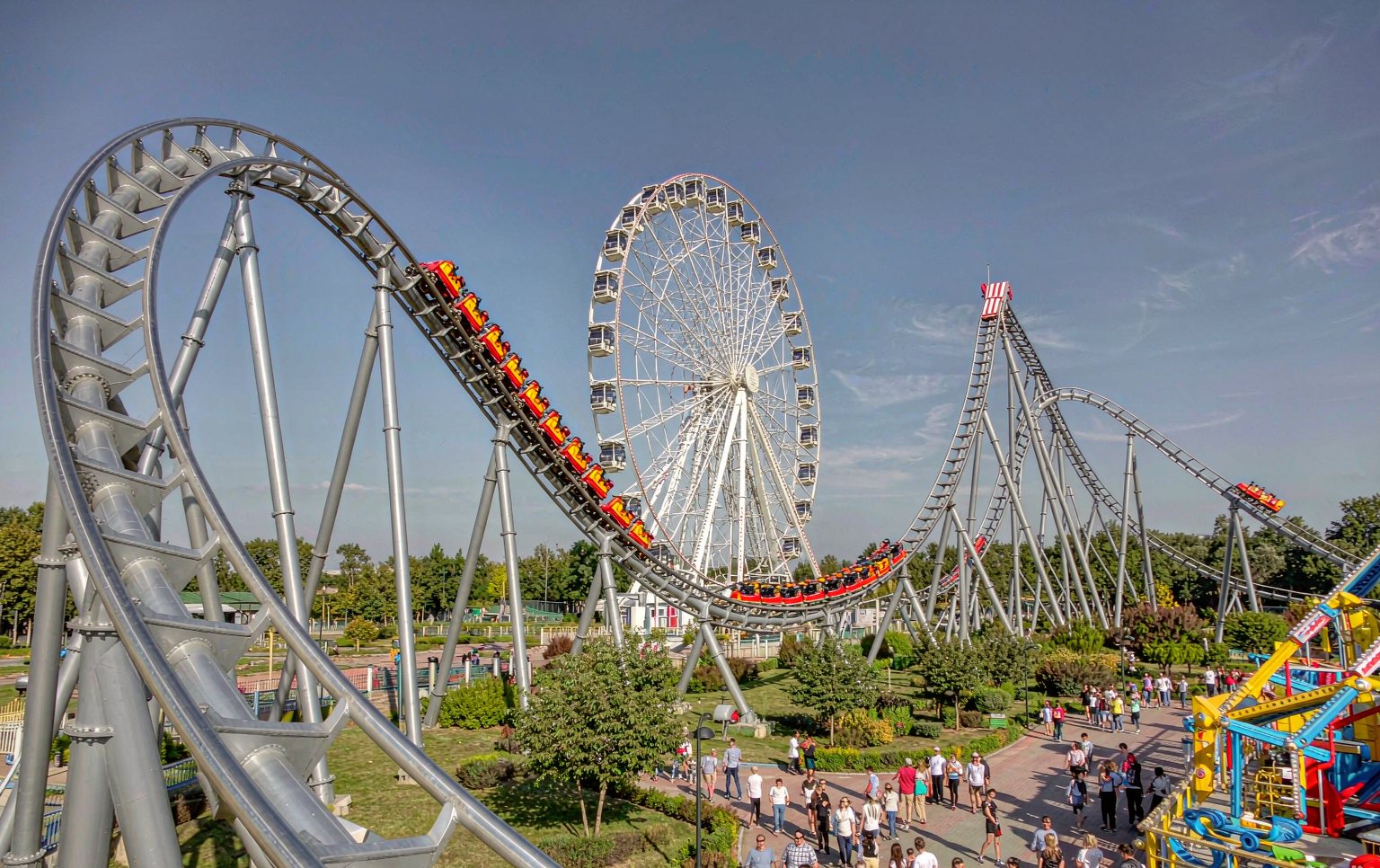
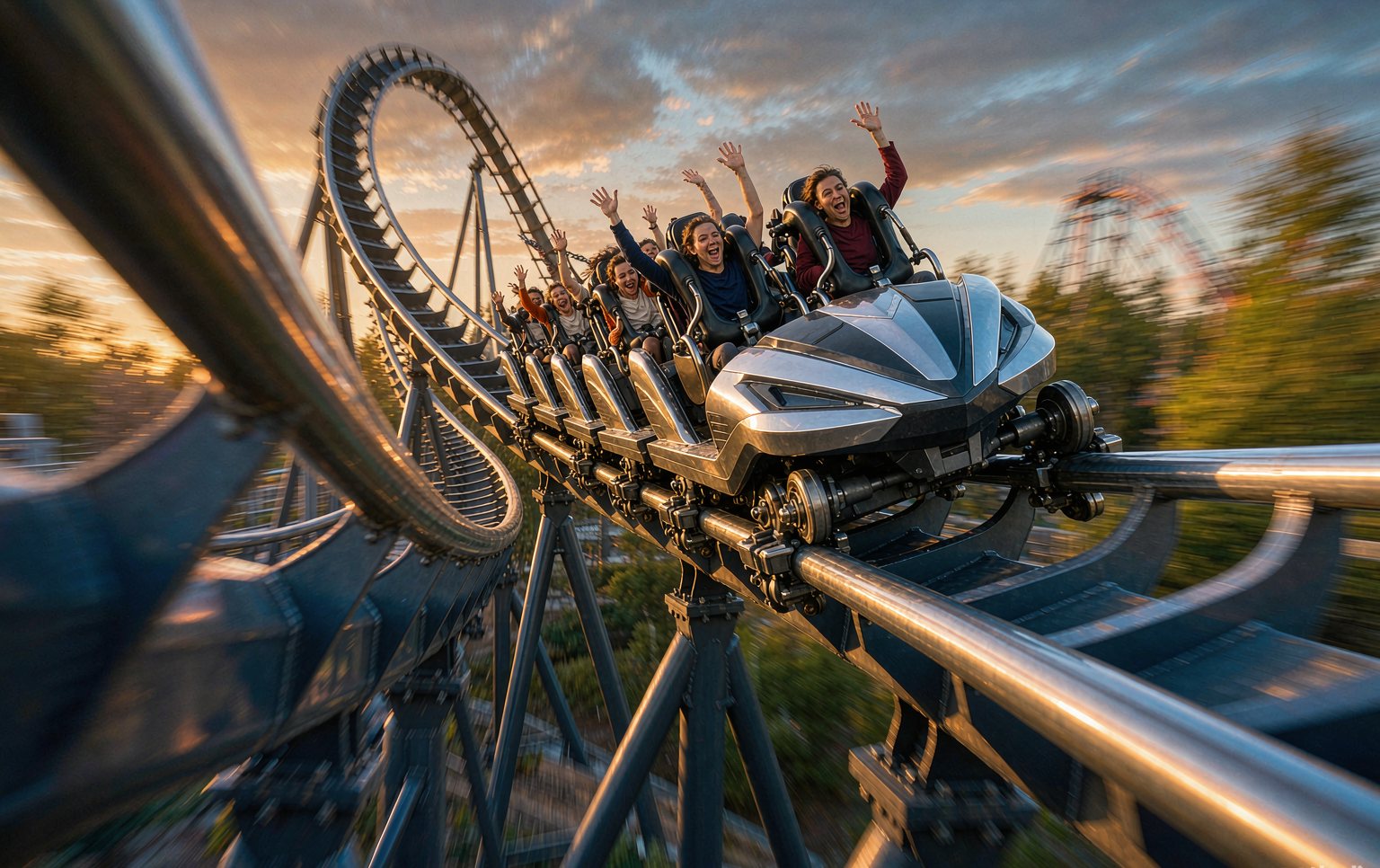
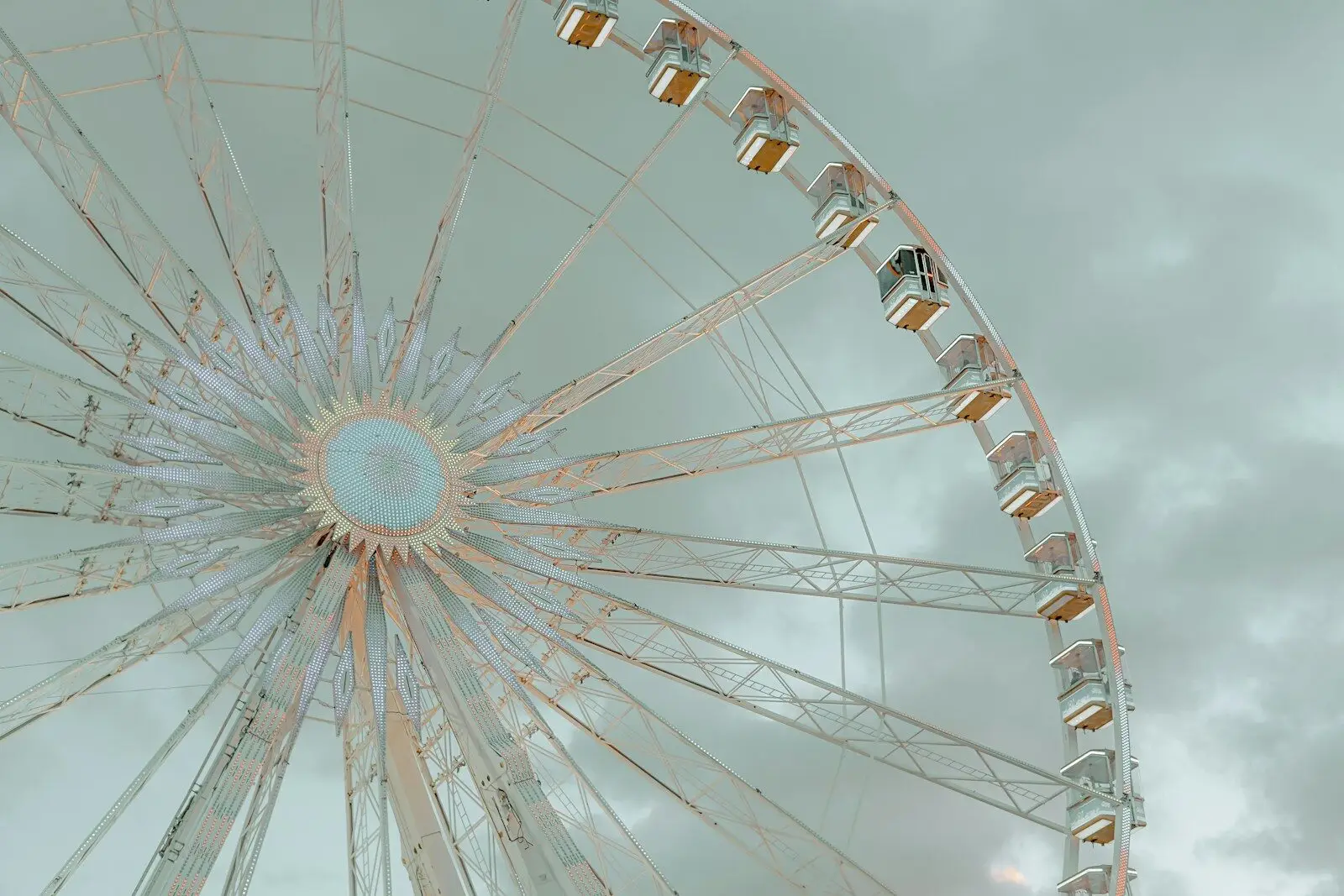
A family park may benefit from carousels, Ferris wheels, gentle spinning rides, train rides, interactive dark rides, and children’s play attractions. A youth or thrill focused park may include roller coasters, drop towers, pendulum rides, spinning coasters, or high energy attractions. An indoor park may focus on compact rides, virtual experiences, arcade attractions, soft play, and themed entertainment.
Variety is important, but balance is more important. A park with too many similar rides can feel repetitive. A park with only extreme attractions may exclude families. A park with only children’s rides may struggle to attract older guests. The best attraction mix creates something for different moods, ages, and visit lengths.
Adding Theming, Story, and Atmosphere
Theming is what separates a simple amusement area from a memorable theme park experience. A strong theme gives the park identity and helps guests feel immersed in a different world.
When you create your own theme park project, theming should not be an afterthought. It should be part of the design from the beginning. Theming includes architecture, colors, signage, music, lighting, landscaping, ride design, staff presentation, food packaging, and storytelling details.
A theme does not need to be complicated. It can be based on adventure, nature, fantasy, space, ocean exploration, vintage travel, local culture, animation, science, or seasonal celebration. The key is consistency. If the park feels like a jungle adventure, the entrance, rides, food areas, music, and staff uniforms should all support that idea.
Good theming also creates marketing value. Guests take photos, share experiences online, and remember distinctive environments. A well themed park becomes easier to promote because it gives visitors something unique to talk about.
Safety, Compliance, and Risk Management
Safety is the foundation of every theme park project. Guests trust operators to provide exciting experiences without unnecessary risk. If safety is not treated as a priority, no amount of creative design or marketing can protect the reputation of the park.
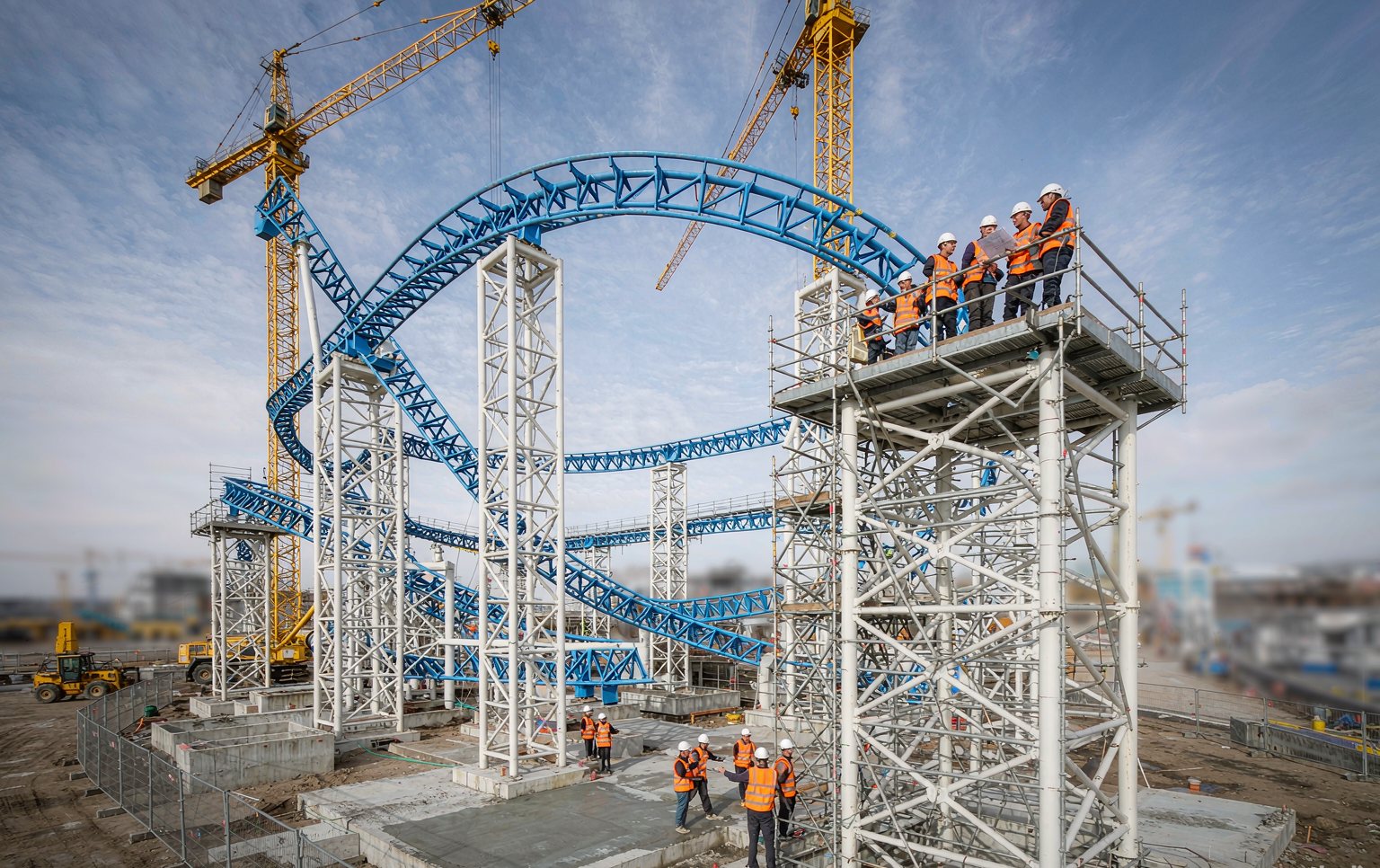
Every ride, attraction, building, pathway, and service area should be designed with safety in mind. This includes structural safety, electrical safety, fire safety, crowd management, emergency exits, first aid access, ride restraints, operator training, maintenance schedules, and clear guest instructions.
Before opening, check all local regulations, permits, inspections, insurance requirements, and industry standards. The exact requirements will vary depending on your country, region, and type of attraction. A professional theme park project should include documentation, safety checks, and compliance planning from the earliest stages.
Risk management also includes staff training. Operators, ride attendants, security personnel, maintenance teams, and guest service staff should all understand their responsibilities. Clear procedures help prevent accidents, reduce confusion during busy days, and improve guest confidence.
Planning Operations, Staffing, and Maintenance
A theme park does not succeed only on opening day. Long term success depends on reliable operations. Every ride, food outlet, ticket system, restroom, cleaning schedule, and guest service point must work smoothly and consistently.
When you create your own theme park project, plan operations early. Decide how guests will enter the park, purchase tickets, move between attractions, access food and retail areas, receive assistance, and exit safely. A smooth operational plan improves guest satisfaction and reduces pressure on staff.
Staffing is another critical area. Theme parks need trained employees in many roles, including ride operators, guest service staff, security, maintenance technicians, food service workers, cleaners, entertainers, supervisors, and management teams. Hiring the right people and training them properly is just as important as choosing the right rides.
Maintenance planning should also be part of the project from the beginning. Rides need regular inspections, servicing, spare parts, cleaning, and safety checks. A well maintained park feels safe, professional, and welcoming. A poorly maintained park can quickly lose guest trust.
Creating a Strong Brand and Marketing Strategy
A theme park needs more than attractions. It needs a brand that guests can recognize, understand, and remember. Your brand should communicate the personality of the park, the type of experience it offers, and the reason guests should visit.
Start by defining your park’s identity. Is it family friendly, adventurous, educational, luxurious, playful, or immersive? Your brand voice, colors, logo, website, social media, signage, and promotional materials should all reflect that identity.
Marketing should begin before the park opens. Early promotion can build anticipation, attract media attention, and create a strong opening period. Useful marketing channels may include:
- Social media content
- Video previews
- Influencer and family blogger partnerships
- Local tourism promotion
- School and group visit programs
- Seasonal events
- Opening promotions
- Membership or annual pass programs
- Public relations and press coverage
A strong marketing strategy does not only bring guests to the gate. It also shapes expectations. When the actual experience matches or exceeds what guests were promised, satisfaction increases and word of mouth grows.
Designing Food, Retail, and Guest Services
Food, retail, and guest services are often underestimated in theme park planning, but they play a major role in visitor satisfaction. A guest who is hungry, tired, confused, or uncomfortable will not enjoy the park, even if the rides are excellent.
Food areas should be easy to find, clean, and designed for efficient service. Menus should offer options for different ages and preferences, including children’s meals, quick snacks, beverages, and dietary friendly choices where possible.
Retail areas should feel connected to the theme of the park. Souvenirs, merchandise, photos, and small gifts can become meaningful memories for guests. A well designed retail experience can also support revenue beyond ticket sales.
Guest services are equally important. Clear signage, helpful staff, accessible restrooms, baby care areas, first aid points, lost and found services, and comfortable rest zones all improve the visitor experience. When you create your own theme park project, these details should be treated as part of the core experience, not as minor extras.
Testing, Soft Opening, and Launch Preparation
Before opening to the public, a theme park project should go through careful testing. This includes ride testing, safety inspections, staff training, operational rehearsals, crowd flow testing, ticketing system checks, and guest service preparation.
A soft opening is a valuable step. It allows you to invite a limited audience, such as staff families, partners, local guests, or invited visitors, to experience the park before full launch. Feedback from this stage can reveal problems with queues, signage, ride capacity, food service, parking, staffing, or guest flow.
Use the soft opening to improve operations rather than simply promote the park. Small adjustments before the official launch can prevent larger problems later. A confident, well tested opening creates a stronger first impression and helps build positive reviews.
Managing Growth, Events, and Long Term Success
Opening day is only the beginning. A successful theme park project continues to evolve after the gates open. Guest expectations change, trends develop, equipment ages, and competition increases. Long term success requires planning for renewal, events, seasonal programming, and guest retention.
Seasonal events can keep the park fresh throughout the year. Examples include holiday celebrations, summer festivals, school vacation programs, night events, character experiences, themed weekends, food festivals, and special entertainment.
Repeat visitation is especially important. A park that gives guests a reason to return will perform better than one that relies only on first time visitors. Annual passes, loyalty programs, rotating attractions, limited time events, and updated theming can all encourage guests to come back.
Maintenance and upgrades should also be planned as part of the long term strategy. A ride that was exciting on opening day may need refreshment after several seasons. A food area may need improvement. A themed zone may benefit from new lighting, music, or decorative elements. Continuous improvement helps the park stay relevant.
Common Mistakes to Avoid When Creating a Theme Park Project
Many theme park ideas fail not because the concept is bad, but because important planning steps are missed. Avoiding common mistakes can save time, money, and reputation.
Ignoring Market Research
A park should be built around real demand, not just personal enthusiasm. Without market research, you may misjudge the audience, pricing, location, or competition.
Overestimating the Budget
Theme park projects often cost more than expected. Underestimating infrastructure, operations, marketing, maintenance, and working capital can create serious financial pressure.
Choosing Rides Without a Concept
Rides should support the park’s identity. A random collection of attractions may feel exciting on paper but confusing in practice.
Underestimating Operations
A theme park is a live entertainment business. Staffing, maintenance, safety, cleaning, guest service, and crowd management are essential.
Neglecting Safety and Compliance
Safety issues can damage guest trust and create legal, financial, and reputational risks. Compliance should never be treated as an afterthought.
Forgetting the Guest Journey
Guests remember how they felt, not only what they saw. Poor signage, long waits, uncomfortable queues, dirty restrooms, or confusing layouts can weaken the entire experience.
Final Thoughts
To create your own theme park project is to build more than rides and buildings. It is to design an experience where guests can feel wonder, joy, comfort, and connection. The process requires creativity, but it also requires discipline, research, safety planning, operational thinking, and long term vision.
The most successful theme parks are not built by accident. They are built around a clear concept, a well understood audience, a realistic budget, a strong location, a balanced attraction mix, thoughtful theming, reliable operations, and a commitment to guest experience.
If you approach the project with patience and planning, your theme park can become more than a business. It can become a destination where families celebrate, children dream, friends gather, and visitors return with new memories each time.