A park is more than a collection of paths, gardens, rides, and open spaces. It is a place where visitors come to relax, explore, celebrate, learn, and create memories. Adding a train experience can turn a simple visit into a journey, giving guests a reason to slow down, look around, and enjoy the environment in a new way.
That is why the combination of a park and train attraction has become a popular choice for theme parks, zoos, botanical gardens, family entertainment centers, amusement parks, resort destinations, and large public recreation areas. A well-planned park and train experience can improve guest flow, strengthen theming, support accessibility, and create a memorable highlight that appeals to children, families, and visitors of all ages.
This article explores why a park and train setup works so well, what types of train experiences are available, how to plan one effectively, and what operators should consider before adding a train attraction to their venue.
Why a Park and Train Combination Works So Well
A park and train combination works because it connects movement with experience. Visitors do not only want to see attractions. They want to feel part of the environment, enjoy a sense of discovery, and move through a space in a way that feels engaging.
A train ride naturally creates a route through a park. It guides visitors past gardens, themed areas, animal habitats, water features, landscapes, and entertainment zones. Instead of walking long distances, guests can enjoy the scenery while traveling from one area to another.
This makes a park and train attraction especially valuable in large venues. It helps visitors cover more ground without feeling tired, supports families with young children, and adds a gentle, enjoyable experience that fits into almost any park environment.
A train also creates a natural gathering point. Families plan their day around it, children look forward to riding it, and operators can use it to connect different zones within a park. When designed well, a park and train experience becomes more than transportation. It becomes part of the destination itself.
How a Park and Train Attraction Improves Guest Flow
One of the biggest challenges in large parks is guest flow. Visitors need clear routes, comfortable movement, and easy access to attractions, food areas, restrooms, exits, and entertainment zones. Without good flow, guests may feel confused, tired, or rushed.
A park and train system can help solve this problem. By creating a defined route, the train gives visitors a natural way to move through the park. It can connect the entrance area with distant attractions, link different themed zones, or provide a scenic loop that encourages guests to explore more of the site.
This is especially useful in large parks where walking distances are long. A train experience can reduce fatigue, improve comfort, and help visitors enjoy more of the venue. It also supports better crowd distribution by guiding guests toward areas that might otherwise receive less attention.
For operators, improved guest flow can lead to longer visits, higher guest satisfaction, better use of space, and stronger opportunities for food, retail, and attraction engagement. A park and train attraction is not just a ride. It is a planning tool that can shape how visitors experience the entire venue.
Types of Train Experiences for Parks
Not every park and train attraction needs to look or function the same way. The best choice depends on the size of the venue, the target audience, the available space, the theme, and the overall guest experience.
Miniature Train Rides
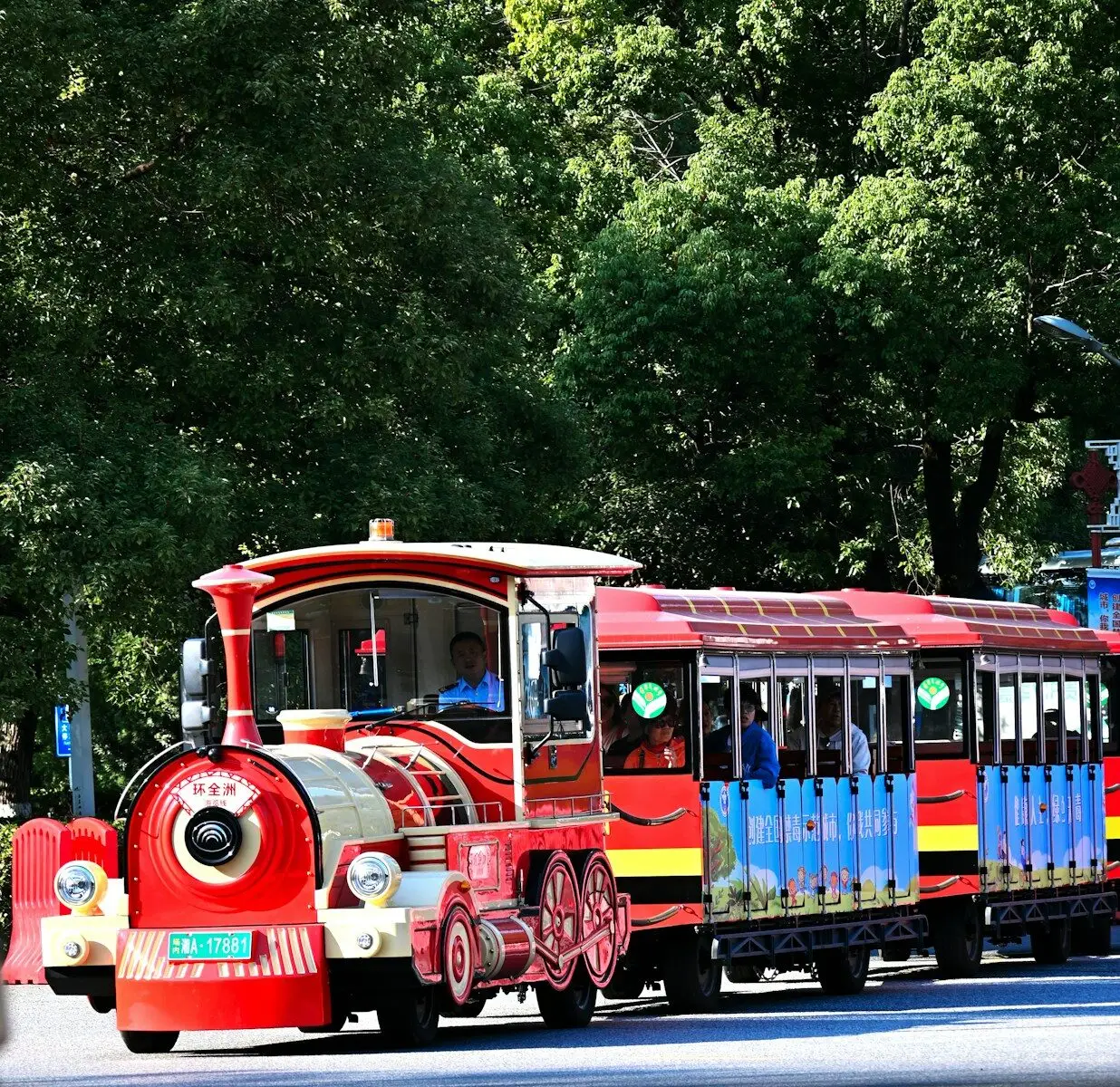
Miniature train rides are one of the most common choices for family-friendly venues. They are visually charming, easy to understand, and appealing to children. A miniature park and train setup works well in gardens, zoos, amusement parks, and family entertainment centers.
These trains usually follow a fixed route and offer a gentle, scenic experience. They are ideal for parks that want to add a classic family attraction without requiring a large footprint.
Themed Train Rides
A themed train ride can become a signature experience. Instead of a simple transport ride, the train becomes part of the story. It might look like a jungle safari train, a vintage steam train, a mining train, a fantasy adventure train, or a holiday-themed experience.
A themed park and train attraction helps create atmosphere and encourages photography, social sharing, and repeat visits. Theming also makes the ride feel more memorable, especially when combined with music, scenery, lighting, and decorative elements along the route.
Scenic Park Trains
Scenic trains are designed to showcase the environment. They work well in botanical gardens, nature parks, large public parks, resort areas, and wildlife attractions. The focus is on views, comfort, and a relaxed pace.
A scenic park and train experience allows visitors to enjoy landscapes, water features, gardens, and natural surroundings without walking long distances. This makes the attraction especially valuable for older guests, families with strollers, and visitors who prefer a slower experience.
Utility and Transport Trains
Some parks use trains primarily for transportation. These trains may connect parking areas with entrances, move guests between distant zones, or help visitors return to central areas after a long day.
A transport-focused park and train setup may be less theatrical, but it still adds practical value. It improves accessibility, reduces walking fatigue, and supports smoother operations in large venues.
Interactive and Educational Trains
For zoos, museums, science parks, and educational attractions, a train can become part of the learning experience. A park and train attraction in these settings might include narration, themed stations, animal viewing points, or educational displays along the route.
This approach turns a simple ride into an engaging experience that supports both entertainment and learning.
Where a Park and Train Attraction Fits Best
A park and train experience can work in many types of venues. The key is choosing the right scale, style, and route for the environment.
Theme Parks and Amusement Parks
In theme parks, a train can connect different themed areas, provide a scenic overview of the park, or serve as a family-friendly attraction between more intense rides. A park and train experience can also help balance the guest journey by offering a calm experience in a high-energy environment.
Zoos and Wildlife Parks
Zoos are often large and spread out. A train route can guide visitors past animal habitats, educational zones, and natural landscapes. A park and train attraction in a zoo setting can improve visitor comfort while encouraging longer exploration.
Botanical Gardens and Nature Parks
In gardens and nature parks, the train experience should feel peaceful and immersive. A well-designed park and train route can highlight flowers, trees, water features, walking trails, and seasonal displays without disturbing the natural atmosphere.
Family Entertainment Centers
Even smaller entertainment venues can benefit from a compact train attraction. A park and train ride can become a popular feature for children, a photo opportunity, and a gentle attraction that fits into a broader family experience.
Resorts and Tourism Destinations
Resorts, holiday parks, and tourism attractions often use trains to add charm and convenience. A park and train experience can connect hotels, recreation areas, restaurants, and entertainment zones while creating a memorable guest experience.
Theming and Storytelling in a Park and Train Experience
A train attraction becomes more powerful when it tells a story. Theming transforms a simple ride into an experience that feels connected to the rest of the park.
A park and train attraction can use theming in several ways. The train itself can be designed with a specific style, color scheme, or character. The stations can reflect the theme of different zones. The route can pass through themed scenery, decorative landscapes, lighting displays, or storytelling elements.
For example, a jungle-themed park and train experience might include tropical plants, animal sculptures, waterfall features, and ambient sound. A vintage-style train might create a nostalgic atmosphere with classic design, traditional colors, and heritage-inspired stations.
Good theming should feel natural. It should support the park’s identity rather than feel unrelated or overcrowded. When done well, theming helps guests feel immersed, improves photography, strengthens branding, and makes the train ride more memorable.
Safety, Accessibility, and Comfort
Any park and train attraction must be designed with safety as a priority. Guests should feel confident, comfortable, and well guided throughout the experience.
Important safety considerations include clear boarding areas, safe passenger capacity, visible route markings, controlled speed, proper supervision, emergency procedures, and regular maintenance checks. The train route should also avoid conflicts with pedestrian traffic, service vehicles, and restricted areas.
Accessibility is equally important. A well-designed park and train experience should consider guests with mobility needs, families with strollers, older visitors, and children. Easy boarding, clear signage, comfortable seating, and accessible stations help make the attraction welcoming for more visitors.
Comfort also affects how guests perceive the experience. Shade, seating, smooth movement, clean vehicles, clear announcements, and good visibility all contribute to a positive impression. A park and train attraction that feels safe, comfortable, and easy to use will usually become more popular than one that feels rushed or poorly managed.
Maintenance and Operational Planning
A train attraction is not a set-and-forget addition. It requires ongoing maintenance, inspection, staffing, and operational planning.
A successful park and train experience depends on reliable vehicles, safe tracks or routes, trained operators, clear schedules, and consistent maintenance. Operators should plan for daily inspections, routine servicing, spare parts, weather protection, cleaning, and guest safety checks.
Maintenance planning also affects guest experience. A train that is frequently out of service can disappoint visitors and weaken the park’s reputation. A well-maintained park and train attraction, on the other hand, can become a dependable highlight that guests expect and enjoy.
Operators should also consider staffing needs. Staff may be needed for boarding, ticketing, route supervision, safety checks, guest assistance, and customer service. Clear procedures help ensure smooth operation, especially during busy days, holidays, and peak seasons.
How to Plan a Park and Train Attraction
Planning a park and train attraction requires more than choosing a train design. It requires thinking about the guest journey, available space, safety, operations, theming, and long-term value.
Define the Purpose
Start by asking what the train should achieve. Is it mainly for transportation, entertainment, theming, accessibility, or guest flow? A park and train attraction can serve one purpose or combine several.
Study the Site
The route should fit naturally into the park. Consider walking paths, guest movement, scenic views, attraction locations, service areas, emergency access, and future expansion. A good route should feel useful and enjoyable.
Choose the Right Scale
The train should match the size and style of the venue. A large theme park may need a more substantial system, while a garden or family entertainment center may benefit from a smaller, charming train experience.
Match the Theme
The train should feel connected to the park’s identity. A park and train attraction that matches the surrounding environment will feel more natural and memorable.
Plan for Safety and Accessibility
Safety, accessibility, and comfort should be part of the design from the beginning. This includes boarding areas, route safety, passenger capacity, signage, and maintenance access.
Consider Operations
Think about staffing, scheduling, maintenance, weather conditions, peak crowds, and guest service. A park and train attraction should be easy to operate and reliable during busy periods.
Leave Room for Growth
A strong design can allow future improvements. This might include new stations, seasonal theming, upgraded vehicles, additional route sections, or enhanced storytelling elements.
Common Mistakes to Avoid
Even a simple park and train attraction can underperform if it is not planned carefully. Avoiding common mistakes can save time, money, and guest satisfaction.
Choosing a Route That Feels Random
A train route should feel purposeful. If it does not connect meaningful areas or offer interesting views, guests may see it as unnecessary.
Ignoring Guest Flow
A park and train attraction should improve movement, not create congestion. Boarding areas, queues, and stations should be designed to avoid crowding.
Overlooking Maintenance Access
The train, route, and stations all need maintenance. If access is difficult, routine service becomes more expensive and less reliable.
Using Theming Without Purpose
Theming should support the experience. Random decorations can feel disconnected, while thoughtful theming can strengthen the park’s identity.
Forgetting Accessibility
A park and train attraction should be welcoming to as many guests as possible. Accessibility should not be treated as an afterthought.
Underestimating Operations
A train attraction needs trained staff, clear procedures, and consistent maintenance. Poor operational planning can reduce safety, comfort, and guest confidence.
Why Visitors Love the Park and Train Experience
From a guest perspective, a park and train attraction is appealing because it feels simple, enjoyable, and family-friendly. Children often love the idea of riding a train, while adults appreciate the chance to relax and enjoy the scenery.
A park and train experience also creates shared moments. Families ride together, take photos, wave at stations, and enjoy the journey as part of their visit. These small experiences often become some of the most remembered parts of a day at the park.
For repeat visitors, a train ride can also become a familiar comfort. It gives them a way to experience the park differently each time, especially when the route, theming, or seasonal details change.
This emotional appeal is one reason why a park and train attraction can remain popular for many years. It is not just a ride. It is a gentle, welcoming experience that fits naturally into the rhythm of a park visit.
Final Thoughts
A park and train attraction can add movement, story, comfort, and charm to almost any visitor destination. When planned well, it becomes more than a decorative ride. It becomes a practical tool for improving guest flow, strengthening theming, supporting accessibility, and creating a memorable experience.
The best park and train experiences are designed with the visitor in mind. They connect different areas, showcase the environment, fit the theme of the venue, and operate safely and reliably. Whether used in a theme park, zoo, garden, resort, family entertainment center, or public recreation area, a well-designed train attraction can become one of the most loved parts of the guest journey.
For operators and developers, the opportunity is clear. A thoughtfully planned park and train attraction can improve how guests move, how they feel, and how they remember their visit. It turns a simple journey through the park into an experience worth taking again and again.