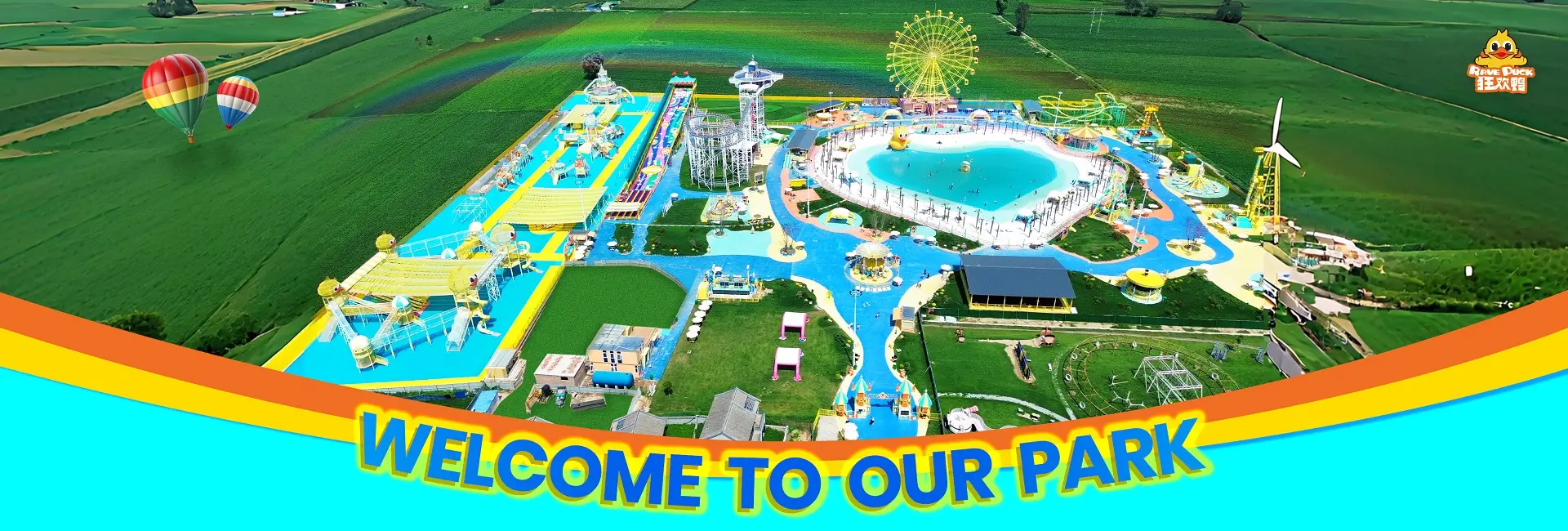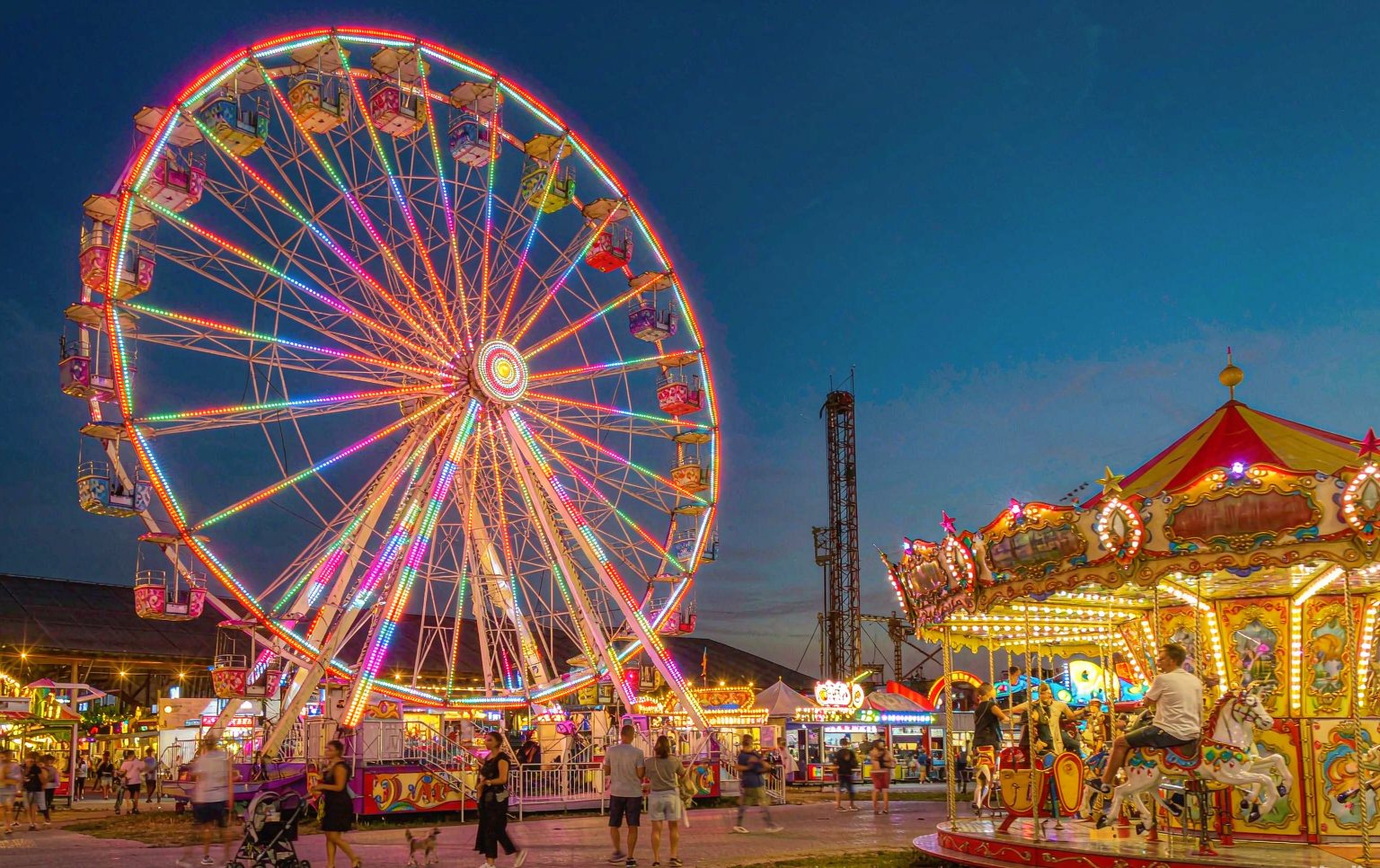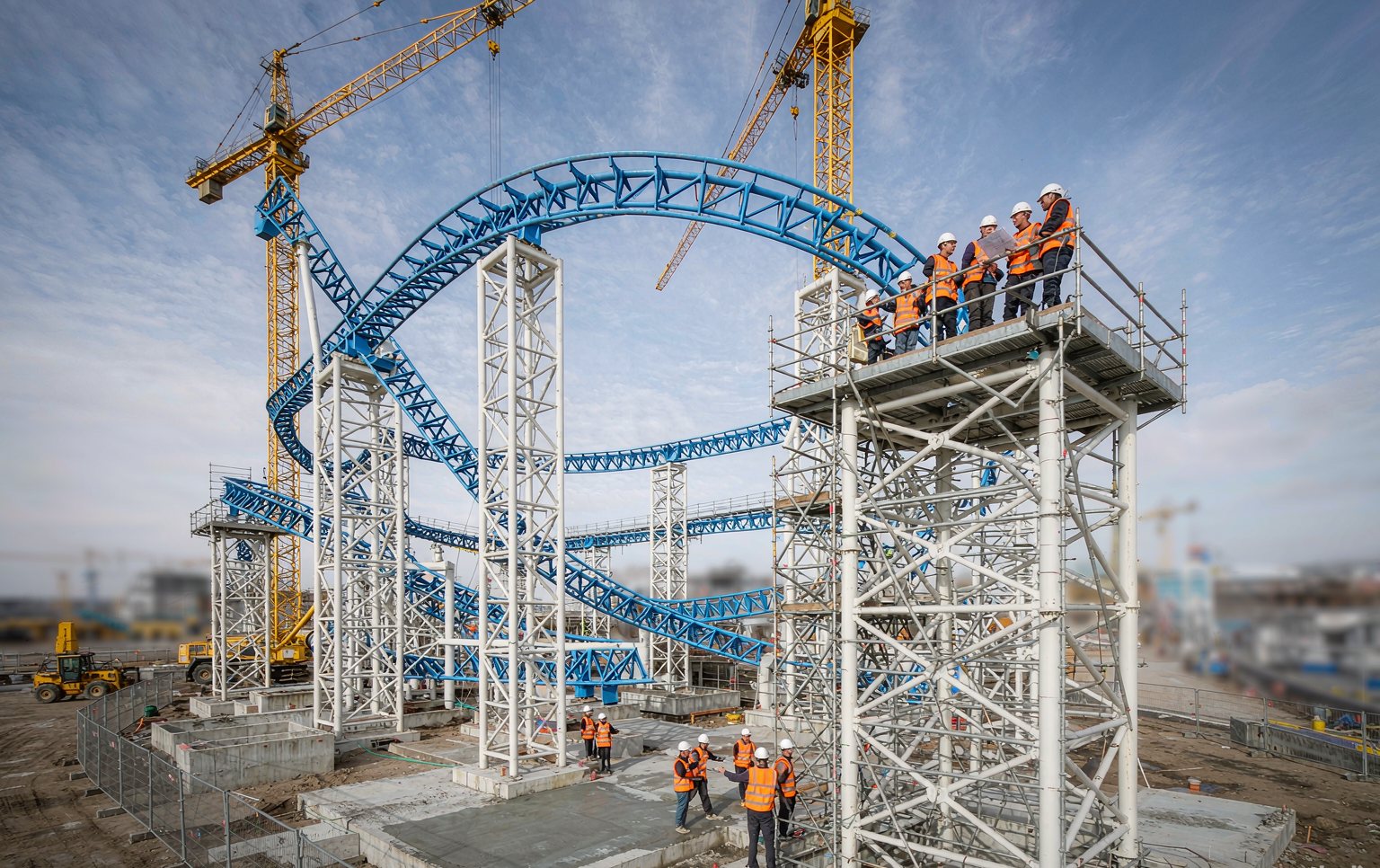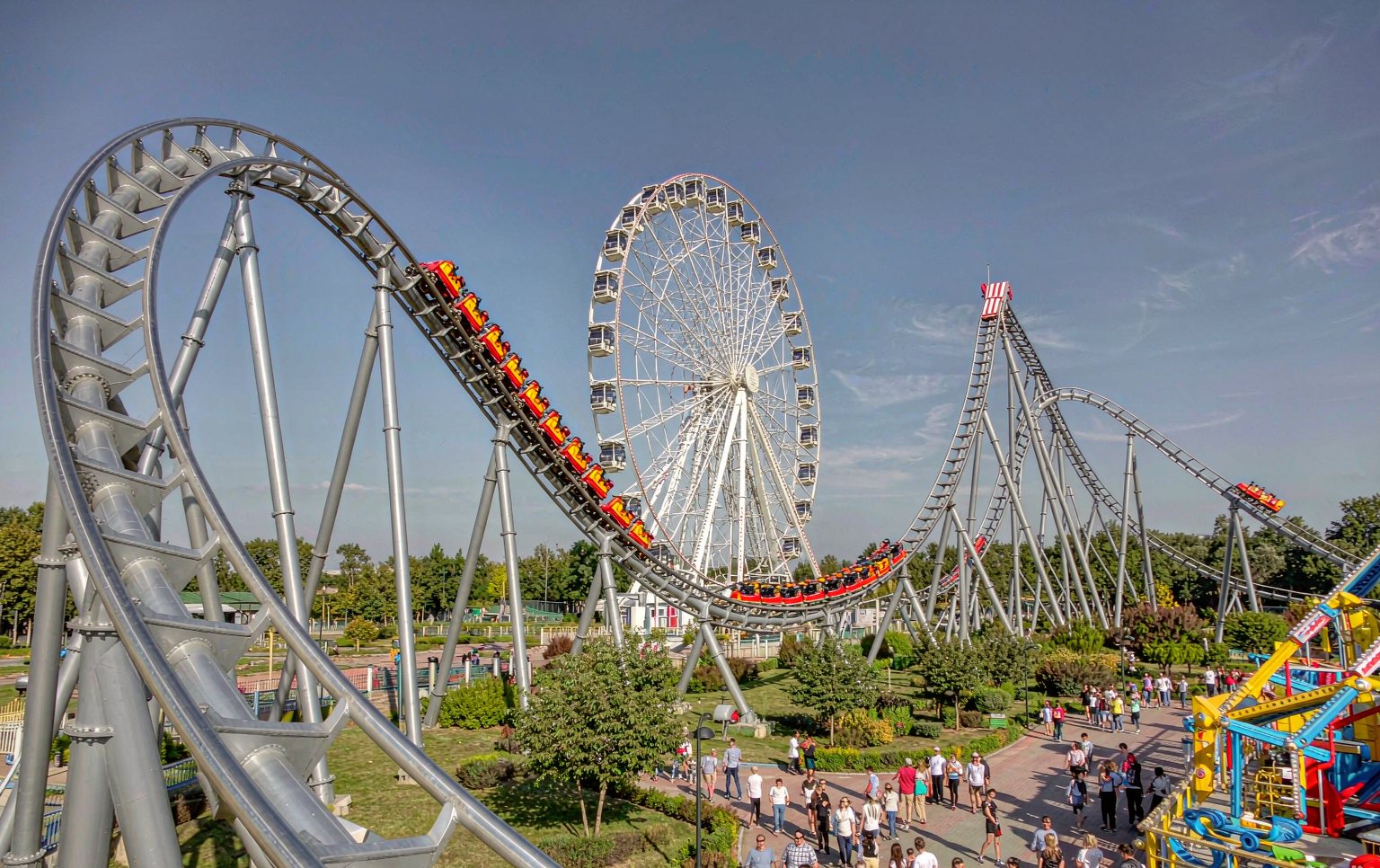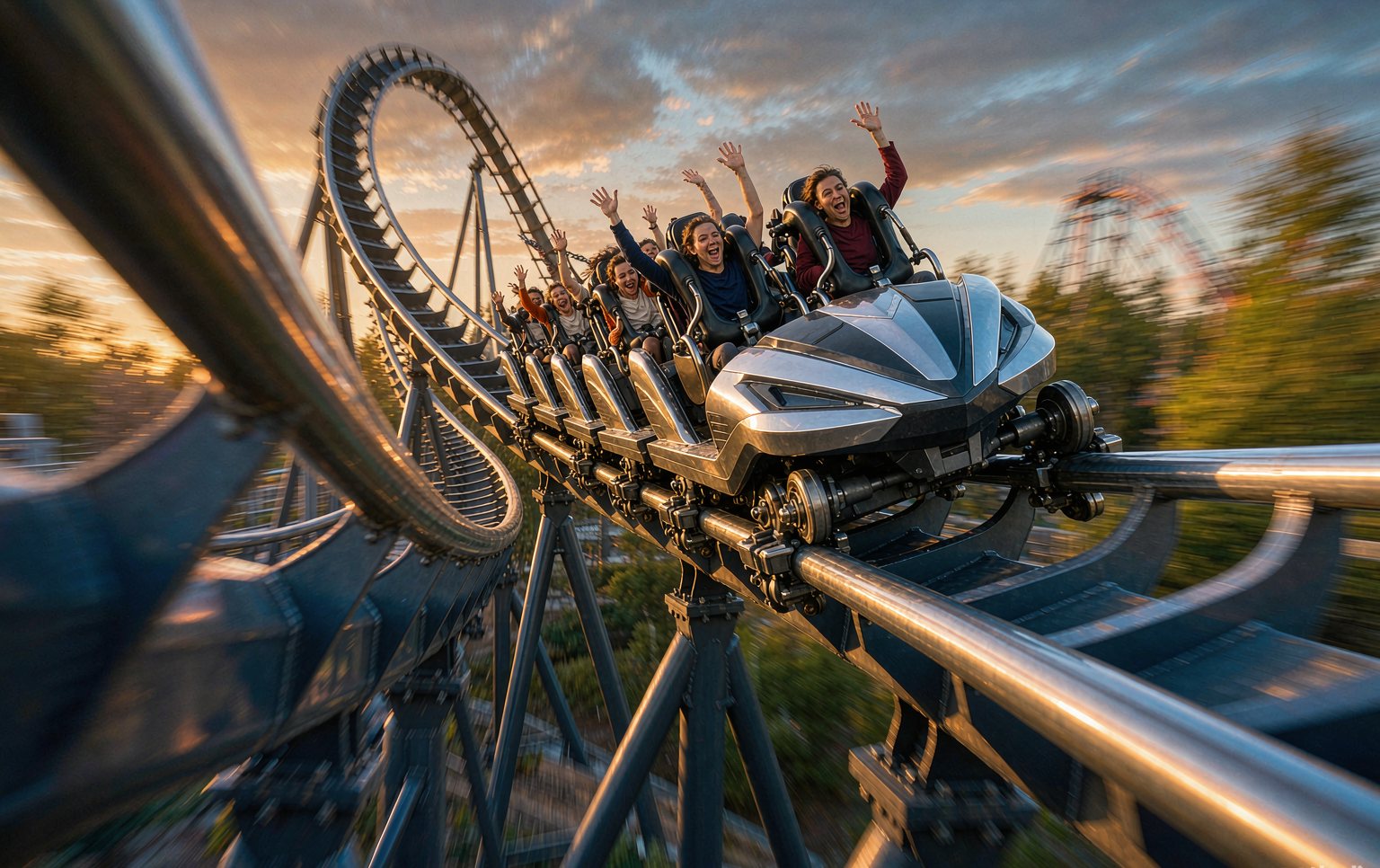
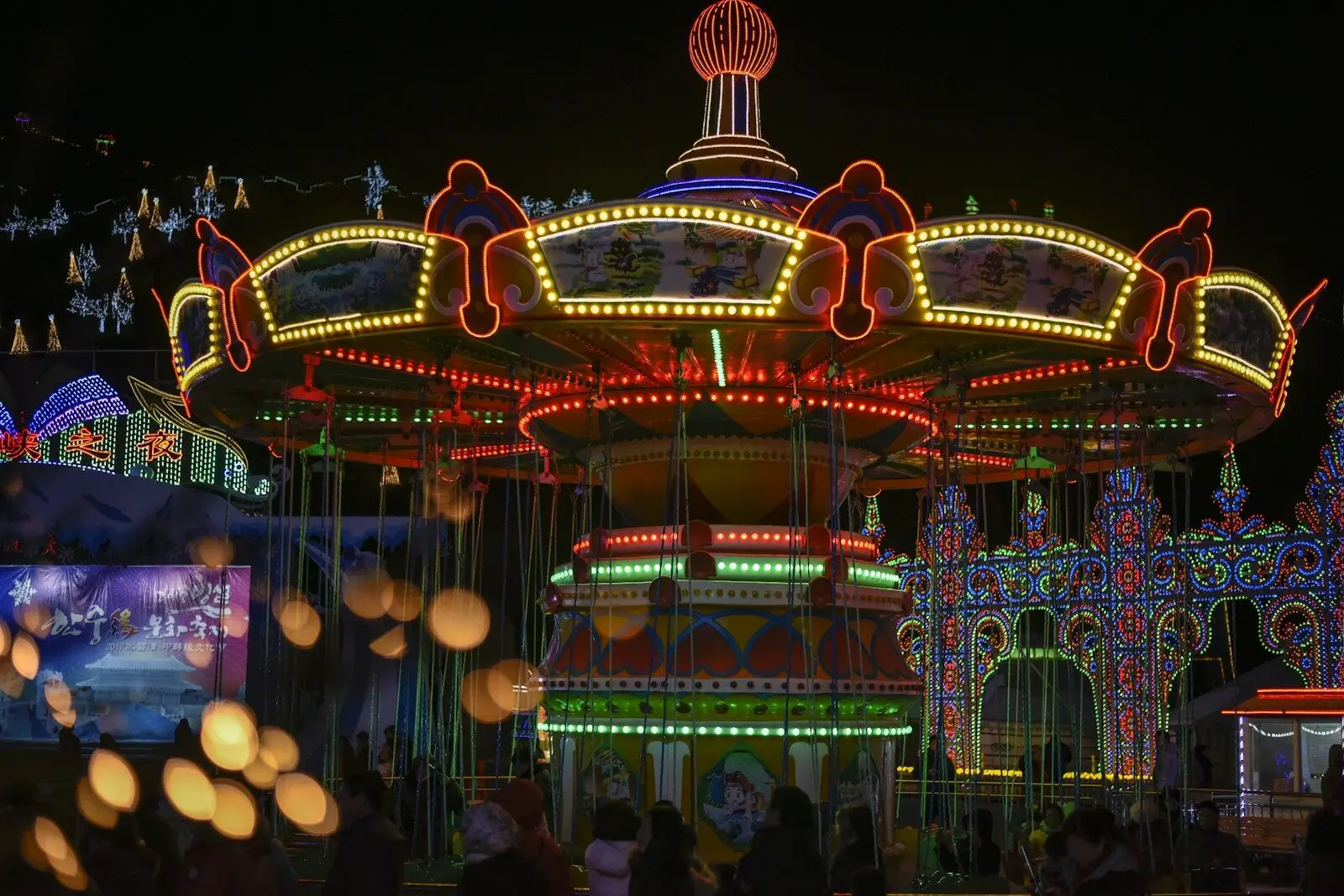
Every time you step through the gates of a theme park, board a roller coaster, or wander through a brightly lit carnival, you are experiencing the work of an amusement company. These organizations are the creative and operational force behind the rides, attractions, shows, and experiences that bring joy to millions of visitors each year. While most people only see the final product — the flashing lights, the thrilling drops, and the laughter — the story of how it all comes together is far more complex and fascinating.
An amusement company is not simply a business that builds rides. It is a team of designers, engineers, project managers, entertainers, safety experts, and operators who work together to turn imaginative ideas into real-world experiences. From concept sketches to grand openings, every detail is carefully planned to ensure that visitors leave with memories they will never forget.
Whether you are curious about how theme parks are built, how attractions are designed, or what it takes to run a successful entertainment venue, this article will take you behind the scenes of the amusement company world and show you what makes it all possible.
What Exactly Does an Amusement Company Do
At its core, an amusement company is responsible for creating, managing, and operating entertainment experiences. This can include a wide range of activities, from designing and manufacturing rides to developing entire theme parks, managing seasonal fairs, or organizing traveling carnival events.
Some amusement companies specialize in manufacturing rides and attractions. These businesses design roller coasters, Ferris wheels, drop towers, carousels, water rides, and other mechanical attractions that are then sold to parks and entertainment venues around the world. Their work involves a combination of engineering, industrial design, safety testing, and creative storytelling.
Other amusement companies focus on operating parks and attractions. These organizations own or manage entertainment venues, handling everything from daily operations and guest services to marketing, staffing, maintenance, and event planning. Their goal is to create a seamless experience for visitors, ensuring that every ride runs smoothly, every area is clean and safe, and every guest feels welcome.
There are also amusement companies that work in entertainment design and consulting. These firms help parks, cities, shopping centers, and private developers plan and build entertainment spaces. They may create themed environments, design ride layouts, develop show concepts, or advise on safety regulations and guest flow.
No matter what their specific focus, every amusement company shares a common purpose: to create experiences that bring people together and leave them with lasting memories.
The Creative Process Behind a New Attraction
One of the most exciting aspects of working at an amusement company is the creative process that goes into developing a new attraction. It begins with an idea — sometimes inspired by a story, a theme, a piece of technology, or simply a desire to create something that has never been seen before.
Concept Development
The first stage involves brainstorming and concept development. Designers, engineers, and creative directors work together to define the purpose, theme, and target audience of the attraction. They ask questions like: Who is this for? What emotion should it create? How will it stand out from other attractions?
Design and Engineering
Once a concept is approved, the design and engineering phase begins. Engineers calculate forces, speeds, weight limits, and structural requirements. Designers create visual renderings, color schemes, and themed environments. Every element must balance creativity with safety and practicality.
Prototyping and Testing
Before any attraction opens to the public, it goes through rigorous testing. Prototype models are built, safety systems are evaluated, and ride dynamics are tested under different conditions. An amusement company will often run thousands of test cycles to ensure that every part of the attraction performs reliably and safely.
Theming and Storytelling
Modern attractions are rarely just mechanical structures. They are immersive experiences. An amusement company may work with artists, set designers, lighting specialists, and sound engineers to create a themed environment that tells a story. Whether it is a jungle adventure, a space mission, or a medieval castle, the theming helps visitors feel transported into another world.
Installation and Opening
The final stage involves installing the attraction at its permanent location. This can be a complex logistical process, especially for large rides that must be transported in sections and assembled on site. Once installation is complete, final inspections are carried out before the attraction officially opens to the public.
Why Safety Is the Top Priority
When it comes to amusement rides and attractions, safety is not just a consideration — it is the foundation of everything an amusement company does. Visitors trust that the rides they board, the structures they climb, and the environments they explore have been designed and maintained to the highest safety standards.
Engineering Standards
Every ride must meet strict engineering standards. This includes calculations for structural integrity, weight distribution, speed, braking systems, and emergency stops. An amusement company must ensure that every component is built to withstand years of use and a wide range of weather conditions.
Regular Inspections
Attractions are inspected regularly by both internal teams and external safety authorities. These inspections cover mechanical systems, electrical components, structural supports, safety restraints, and emergency procedures. Any issue, no matter how small, must be addressed before the ride can continue operating.
Staff Training
The people who operate rides and attractions are trained extensively. They learn how to load and unload passengers safely, how to respond to emergencies, how to communicate with guests, and how to identify potential problems before they become serious.
Maintenance Schedules
Preventive maintenance is a critical part of the amusement company business. Rides are serviced on strict schedules, parts are replaced before they wear out, and detailed records are kept of every inspection and repair. This proactive approach helps prevent breakdowns and ensures that attractions remain safe for years to come.
The Different Types of Amusement Companies
The entertainment industry is broad, and amusement companies come in many different forms. Some focus on large-scale theme parks, while others specialize in smaller attractions, traveling events, or manufacturing.
Theme Park Developers
These companies design and build entire theme parks. They handle everything from land acquisition and master planning to ride selection, theming, and grand opening events. A theme park developer must think about the full visitor experience, including parking, food service, entertainment, and guest flow.
Ride Manufacturers
Ride manufacturers are the engineers and builders behind the attractions themselves. They design roller coasters, Ferris wheels, dark rides, water slides, and other mechanical attractions. Their clients include theme parks, carnivals, shopping centers, and entertainment venues around the world.
Carnival and Fair Operators
These amusement companies manage traveling fairs, carnivals, and seasonal events. They transport rides, games, and attractions from one location to another, setting up temporary entertainment venues that bring fun to local communities.
Family Entertainment Centers
Family entertainment centers are smaller indoor or outdoor venues that offer a mix of attractions such as arcade games, mini golf, go-karts, laser tag, and small rides. An amusement company that operates these centers focuses on creating accessible, family-friendly experiences.
Event and Experience Designers
Some amusement companies specialize in designing one-time or temporary experiences. These can include holiday events, corporate entertainment, pop-up attractions, or festival installations. Their work often combines creativity with technical expertise to produce unique, memorable events.
The Business Side of Entertainment
Running an amusement company is not only about creativity and engineering — it is also a serious business. The entertainment industry is competitive, and success depends on careful planning, strong financial management, and a deep understanding of what visitors want.
Understanding the Audience
A successful amusement company knows its audience. Families with young children want safe, gentle, and colorful attractions. Teenagers and thrill seekers look for speed, height, and intensity. Adults may prefer immersive experiences, dining, or live entertainment. Understanding these different needs helps companies design attractions that appeal to a wide range of visitors.
Marketing and Branding
In a crowded entertainment market, branding matters. An amusement company must create a strong identity that communicates what makes its parks, rides, or events special. This includes logos, slogans, social media presence, advertising campaigns, and partnerships with local communities.
Customer Experience
The visitor experience does not begin when someone boards a ride — it begins when they first hear about the attraction, purchase a ticket, arrive at the venue, and walk through the gates. Every touchpoint matters. Clean facilities, friendly staff, clear signage, short wait times, and helpful customer service all contribute to a positive experience.
Seasonal and Event Programming
Many amusement companies boost attendance by creating seasonal events. Halloween attractions, winter wonderlands, holiday light shows, and summer festivals can extend the operating season and attract new visitors. These events require careful planning, creative design, and strong operational support.
Careers Within an Amusement Company
For people who love entertainment, design, engineering, or hospitality, working at an amusement company can be an exciting career path. The industry offers a wide range of roles across many different disciplines.
Engineers and Designers
Mechanical engineers, structural engineers, electrical engineers, and industrial designers play a central role in creating safe and innovative attractions. Their work combines technical precision with creative problem-solving.
Project Managers
Project managers coordinate the planning, construction, and opening of new attractions. They work with designers, contractors, suppliers, and park operators to ensure that projects are completed on time and within budget.
Operations Staff
Operations staff are responsible for the day-to-day running of attractions. This includes ride operators, maintenance technicians, security personnel, guest services representatives, and food service workers.
Creative Teams
Artists, writers, set designers, lighting technicians, and sound engineers help bring themed experiences to life. Their work transforms ordinary structures into immersive worlds that captivate visitors.
Marketing and Sales
Marketing professionals help promote parks, attractions, and events. They develop advertising campaigns, manage social media, plan special events, and build relationships with partners and sponsors.
Trends Shaping the Future of the Industry
The entertainment industry is constantly evolving, and amusement companies are adapting to new technologies, changing visitor expectations, and emerging market trends.
Immersive Technology
Virtual reality, augmented reality, projection mapping, and interactive displays are changing the way attractions are designed. These technologies allow amusement companies to create experiences that feel more personal, dynamic, and immersive than ever before.
Sustainability
Environmental responsibility is becoming increasingly important. Many amusement companies are investing in energy-efficient rides, sustainable building materials, waste reduction programs, and eco-friendly operations. Visitors are more aware of environmental issues, and companies that prioritize sustainability often earn greater trust and loyalty.
Personalized Experiences
Modern visitors expect more than passive entertainment. They want experiences that feel tailored to their interests, whether through mobile apps, interactive games, personalized photos, or customizable ride experiences.
Family-Focused Design
While thrill rides will always have their place, there is growing demand for attractions that bring families together. Multi-generational experiences, gentle adventures, and interactive play areas are becoming more popular as families look for entertainment they can enjoy together.
Final Thoughts
An amusement company is far more than a business that builds rides or operates parks. It is a creative engine that turns imagination into reality, engineering into excitement, and ordinary spaces into places of wonder. From the first sketch of a new attraction to the moment a visitor steps off a ride with a smile on their face, every part of the process is driven by a commitment to entertainment, safety, and unforgettable experiences.
The next time you visit a theme park, fair, carnival, or entertainment center, take a moment to think about the people behind the scenes. The amusement company that created the experience you are enjoying has brought together design, engineering, storytelling, operations, and hospitality to create something truly special.
Whether you are a visitor looking for fun, a family planning a day out, or someone considering a career in the entertainment industry, the world of the amusement company offers endless opportunities for creativity, adventure, and joy.