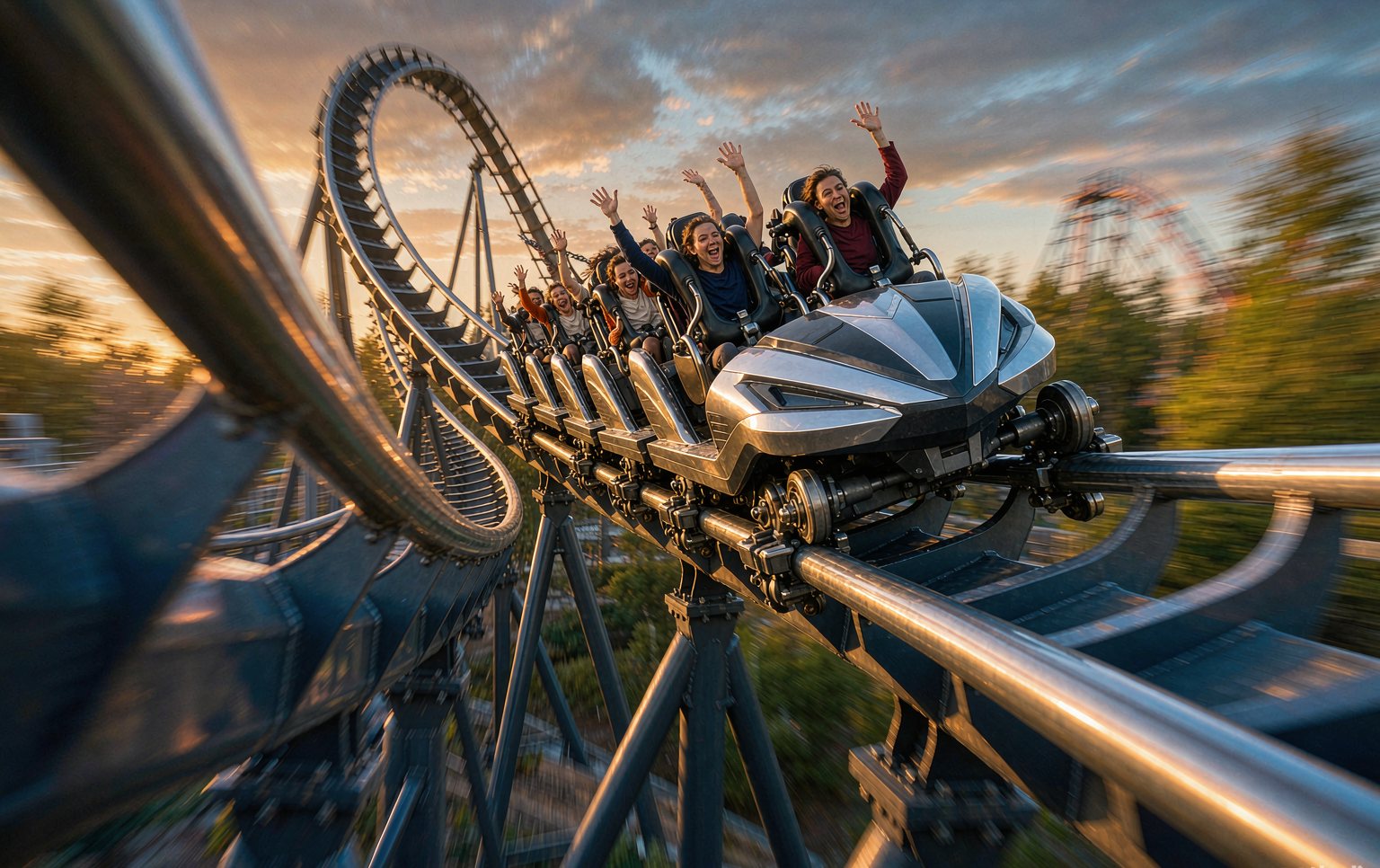
An amusement ride is more than a mechanical attraction. It is a carefully designed experience that combines engineering, entertainment, safety, theming, and operations into a single guest-facing product. For theme parks, family entertainment centers, resorts, festivals, traveling operators, and mixed-use destinations, the right amusement ride can strengthen a venue’s identity, attract repeat visitors, and create moments that guests remember long after they leave.
However, choosing, installing, or upgrading an amusement ride is not a simple purchase decision. A ride that performs well in one location may not be the best fit for another. Success depends on audience profile, available space, safety requirements, maintenance capacity, operational workflow, theming compatibility, budget, and long-term business goals. A visually exciting amusement ride can become a powerful asset when planned carefully. The same ride can become a costly burden if it is mismatched to the venue or supported by weak operations.
This article explores what makes an amusement ride successful, how different attractions serve different business goals, and what operators should consider before moving from concept to daily operation.
Why an Amusement Ride Matters Beyond the Ride Itself
An amusement ride is often seen as a single attraction, but its impact extends across the entire guest experience. A well-chosen ride can influence how visitors move through a venue, how long they stay, how they feel about the destination, and whether they return.
A strong amusement ride can help a venue by:
- Creating a recognizable attraction that supports marketing
- Encouraging longer guest stays
- Attracting families, thrill seekers, or casual visitors
- Improving the visual identity of a park or entertainment area
- Supporting seasonal events and themed programming
- Creating photo and social media moments
- Balancing more intense attractions with accessible experiences
- Increasing perceived value across the destination
- Supporting group visits, school outings, and corporate events
- Strengthening guest memory of the overall experience
For many destinations, an amusement ride becomes part of the story guests tell after their visit. That emotional connection is what separates a functional attraction from a meaningful one.
Common Categories of Amusement Rides
Not every amusement ride serves the same purpose. Different categories appeal to different audiences, require different space and infrastructure, and create different operational demands.
Family-Friendly Rides
Family-friendly attractions are designed to appeal to children, parents, and older guests. These rides often emphasize gentle motion, bright colors, simple boarding, and broad accessibility. They are especially valuable for venues that want to attract multi-generational visitors.
Thrill Rides
Thrill-oriented attractions target guests who seek excitement, speed, height, drops, inversions, or intense motion. These rides can create strong marketing appeal, but they also require more detailed safety planning, stronger operational discipline, and careful guest communication.
Dark Rides
Dark rides combine movement, scenery, lighting, sound, projections, and storytelling. They are popular in indoor venues, theme parks, and family entertainment centers because they can create immersive experiences regardless of weather conditions.
Water Rides
Water-based attractions add a refreshing element to parks and outdoor venues. They can be highly popular in warm climates, but they also require careful attention to drainage, water treatment, slip resistance, guest drying areas, and seasonal operation.
Interactive Rides
Interactive rides allow guests to influence the experience through shooting, scoring, steering, or choosing paths. These attractions often encourage repeat rides because guests want to improve their scores or experience different outcomes.
Observation and Scenic Rides
Observation rides, scenic rides, and gentle transport-style attractions provide elevated views, relaxed pacing, and broad accessibility. They are especially useful for venues that want to balance high-energy attractions with calm, inclusive experiences.
Children’s Rides
Smaller-scale attractions designed for younger children help create a welcoming family environment. These rides usually have lower heights, slower speeds, and simpler safety systems, making them suitable for early park experiences.
Matching the Ride to Your Venue and Audience
The most successful amusement ride is the one that fits the venue, not simply the one with the most features or the strongest visual appeal. Before making a decision, operators should define who will use the attraction and how it will function within the larger guest experience.
Theme Parks
Theme parks often use rides to support storytelling, zone identity, and guest flow. In this environment, an amusement ride should feel connected to the surrounding theme rather than appearing unrelated or generic.
Family Entertainment Centers
Family entertainment centers benefit from attractions that are easy to understand, quick to operate, and appealing to children and parents. Compact footprint, reliable throughput, and strong visual presence are often more important than extreme scale.
Resorts and Hotels
Resorts may use rides to enhance guest experience, create memorable moments, and support family programming. A well-chosen amusement ride can add perceived value without requiring a full theme park environment.
Festivals and Traveling Operations
For traveling operators, portability, setup time, durability, transport requirements, and visual impact are critical. A rental-focused amusement ride should be reliable under repeated assembly and disassembly while maintaining strong guest appeal.
Indoor Entertainment Venues
Indoor venues must consider ceiling height, floor loading, noise, ventilation, fire safety, queue space, and power availability. An indoor amusement ride often needs to balance entertainment value with building constraints.
Outdoor and Waterfront Destinations
Outdoor venues may benefit from rides that can handle weather exposure, wind, sun, salt air, and temperature changes. Weather resistance, durable finishes, and reliable control systems become especially important in these environments.
Safety and Compliance: The Foundation of Every Ride
Safety is the most important factor in any amusement ride decision. A ride may be visually impressive, mechanically advanced, or commercially attractive, but none of those qualities matter if it cannot be operated safely and responsibly.
Operators and buyers should pay close attention to:
- Structural integrity and load management
- Restraint and passenger protection systems
- Braking, speed control, and emergency stop functions
- Electrical safety and grounding
- Fire safety and emergency access
- Operator training and certification
- Routine inspection schedules
- Maintenance documentation
- Spare parts availability
- Guest height, age, or health restrictions
- Clear boarding instructions and safety signage
- Compliance with local, state, and national regulations
- Third-party inspections where required
- Emergency evacuation procedures
- Weather monitoring and operating limits
Regulatory requirements vary significantly by location. Some jurisdictions require detailed engineering documentation, third-party inspections, operator certification, insurance, or ongoing maintenance records. Buyers and operators should confirm all applicable requirements before placing a ride into service.
A strong safety culture also depends on staff behavior. Operators should understand normal procedures, emergency protocols, guest communication standards, and inspection responsibilities. Visible safety instructions, trained staff, and consistent boarding routines help guests feel confident and reduce operational risk.
Guest Experience: What Makes a Ride Memorable
The success of an amusement ride depends on more than mechanical performance. Guests remember how a ride made them feel: excited, surprised, delighted, proud, or connected to the people around them.
A well-designed amusement ride can create:
- A clear emotional moment, such as anticipation, surprise, or accomplishment
- A shared experience that encourages laughter, conversation, and photos
- A story-driven journey that feels more immersive than simple motion
- A family-friendly experience suitable for multiple generations
- A premium option through VIP seating, private cars, or upgraded experiences
- A repeatable attraction that encourages guests to return
- A strong visual identity that supports marketing and social sharing
- A gentle counterpoint to more intense attractions in the same venue
The most memorable rides often combine physical sensation with emotional storytelling. Movement, sound, lighting, theming, pacing, and guest interaction all work together to shape how visitors experience the attraction.
Theming, Storytelling, and Visual Identity
Theming can transform an amusement ride from a generic attraction into a recognizable part of a venue’s identity. When done well, theming helps guests understand what the experience is about before they even board.
Important theming elements include:
- Exterior design and color palette
- Queue area environment
- Music, sound effects, and narration
- Lighting and nighttime effects
- Character or story integration
- Scenic elements and props
- Interactive features
- Seasonal or event-based updates
- Branded details and visual consistency
- Photo opportunities before, during, or after the ride
Theming should support the guest experience without creating maintenance problems. Decorative elements should be durable, securely attached, and easy to inspect. Any modification should be reviewed with the manufacturer or supplier to ensure it does not affect safety, access, or compliance.
Operations, Throughput, and Queue Management
An amusement ride is only successful if it can operate efficiently. Guest satisfaction depends not only on the ride itself but also on wait times, boarding speed, staff performance, and overall flow.
Key operational factors include:
- Passenger capacity per cycle
- Loading and unloading speed
- Queue design and guest flow
- Staffing requirements
- Operator visibility and control
- Ride cycle time
- Accessibility for guests with special needs
- Weather-related operating limits
- Maintenance downtime
- Guest communication during delays
- Ticketing or reservation integration
- Crowd control during peak periods
A ride with high visual appeal but poor throughput can create long lines and guest frustration. A ride with lower capacity may still perform well if it creates a premium or immersive experience. The right balance depends on the venue’s audience, space, staffing model, and service expectations.
Maintenance and Long-Term Reliability
An amusement ride is a long-term asset. Its value depends not only on initial design and installation but also on consistent maintenance, inspection, cleaning, and proper operation.
A practical maintenance plan should include:
- Daily visual inspections before operation
- Brake, restraint, and control system checks
- Electrical and battery system checks
- Wheel, axle, coupling, and track inspections where applicable
- Lighting, sound, and projection system testing
- Cleaning of passenger areas and queue spaces
- Documentation of maintenance activities
- Scheduled professional inspections
- Spare parts inventory
- Operator and maintenance staff training
- Seasonal storage or weather protection
- Replacement of worn components before failure
Reliability matters because downtime affects both guest experience and revenue. A ride that is frequently out of service can frustrate guests and reduce the attraction’s value, even if it was purchased at a strong price.
Appearance also plays a role. Faded paint, loose panels, unusual noises, dirty seating, or unclear safety signage can make guests question safety and quality. A well-maintained amusement ride reinforces confidence and supports a professional venue image.
Budgeting Beyond the Purchase Price
One of the most common mistakes buyers make is focusing only on the listed price of an amusement ride. The real cost includes everything needed to install, operate, maintain, and support the attraction over time.
Important cost factors include:
- Purchase price
- Shipping and delivery
- Import duties or taxes, if applicable
- Site preparation and foundation work
- Electrical and utility infrastructure
- Theming and customization
- Safety equipment
- Operator training
- Insurance
- Spare parts
- Routine maintenance
- Repairs and component replacement
- Storage and seasonal protection
- Queue area design
- Staffing and supervision
- Future upgrades or retheming
A lower purchase price may seem attractive, but it can become more expensive if spare parts are difficult to find, technical support is limited, or maintenance requirements are high. Smart buyers evaluate the total cost of ownership, not just the initial quotation.
Questions to Ask Before Purchasing
Before buying an amusement ride, buyers should ask clear and specific questions. A reliable supplier should be willing to provide detailed information rather than vague promises.
Useful questions include:
- What is the maximum passenger capacity?
- What is the recommended age or height range?
- What power system does the ride use?
- What safety features are included?
- Are brakes, restraints, lights, and emergency stops included?
- What maintenance schedule is recommended?
- Are spare parts available?
- What is the expected lifespan of major components?
- Is operator training included?
- What warranty or after-sales support is provided?
- Does the ride meet local safety or compliance requirements?
- Can the ride be customized for theme, color, or branding?
- What site preparation is required?
- Is delivery, installation, or technical support available?
- What are the operating limits for weather, wind, or temperature?
These questions help buyers move beyond marketing descriptions and make a practical, informed decision.
Common Mistakes to Avoid
Avoiding common mistakes can save time, money, and operational stress.
Choosing Only by Appearance
A colorful, themed amusement ride may look impressive in photos but may not suit the venue’s space, audience, power supply, or maintenance capacity.
Ignoring Capacity and Throughput
If the ride carries too few passengers per cycle, it may create long wait times. If it is too large for the venue, it may create crowding, noise, or route problems.
Overlooking Maintenance Needs
Some rides require more frequent inspection, specialized parts, or trained technicians. Ignoring maintenance requirements can lead to higher costs and longer downtime.
Underestimating Site Requirements
Indoor rides need space, ventilation, and electrical access. Outdoor rides need weather-resistant design. Water rides need drainage and safety surfaces. Traveling rides need transport and setup planning.
Forgetting Safety Documentation
Buyers should request safety specifications, operating manuals, maintenance guidance, and compliance information before purchase.
Choosing Suppliers Without After-Sales Support
Reliable spare parts, technical support, and warranty terms are essential. Without them, small problems can become long shutdowns.
Trends Shaping Amusement Ride Decisions
The amusement industry continues to evolve, and buyers are paying more attention to both guest experience and operational efficiency.
Family-friendly attractions remain important because they appeal to multi-generational visitors. Interactive and gamified experiences are also growing in popularity, especially among younger audiences who expect participation rather than passive observation.
Indoor and weather-protected rides are becoming more valuable in regions with extreme heat, rain, or seasonal limitations. At the same time, outdoor attractions with strong visual identity remain important for destination marketing.
Theming and storytelling are increasingly central. Venues want attractions that feel unique, immersive, and shareable. However, successful theming should always be balanced with safety, durability, and maintainability.
Sustainability is also influencing purchasing decisions. Buyers are looking for energy-efficient systems, durable materials, longer equipment lifespans, and maintenance plans that reduce waste and unnecessary replacement costs.
Digital integration is another important trend. Reservation systems, mobile ticketing, virtual queues, interactive scoring, and personalized guest experiences are changing how visitors interact with attractions.
Making a Confident Ride Decision
An amusement ride can be a powerful addition to many entertainment venues, but its success depends on careful selection. The best choice is not simply the cheapest option, the tallest structure, or the most colorful design. It is the ride that fits the audience, space, safety requirements, operating model, and long-term business goals.
Before purchasing, take time to compare capacity, safety features, theming options, maintenance needs, supplier support, and total cost of ownership. Confirm that the ride meets applicable local requirements and that the team is prepared to operate and maintain it properly.
When safety, operations, guest experience, and theming are evaluated together, an amusement ride becomes more than a single attraction. It becomes a reliable part of a venue’s identity, a driver of guest satisfaction, and a source of memorable moments that encourage visitors to return.