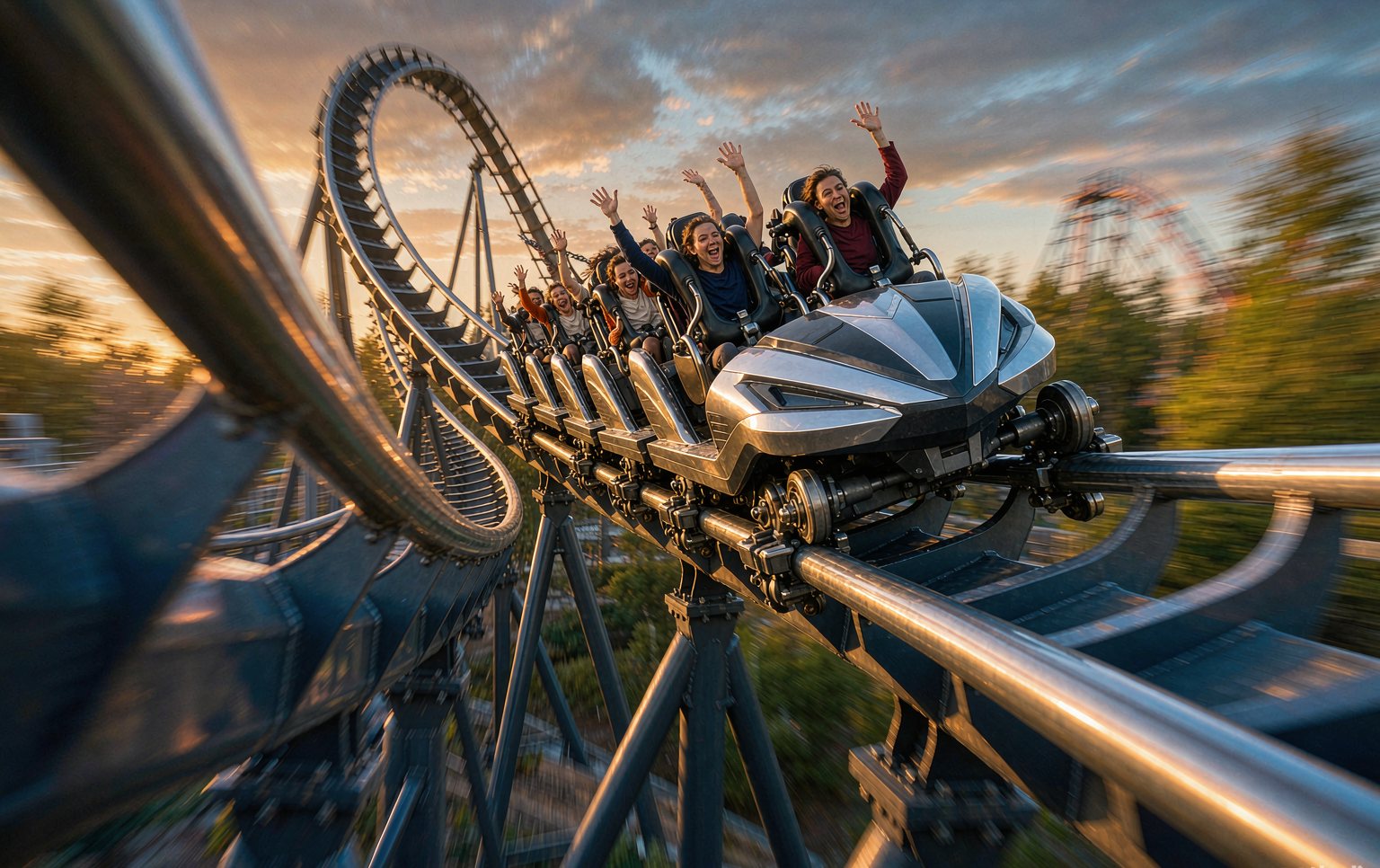
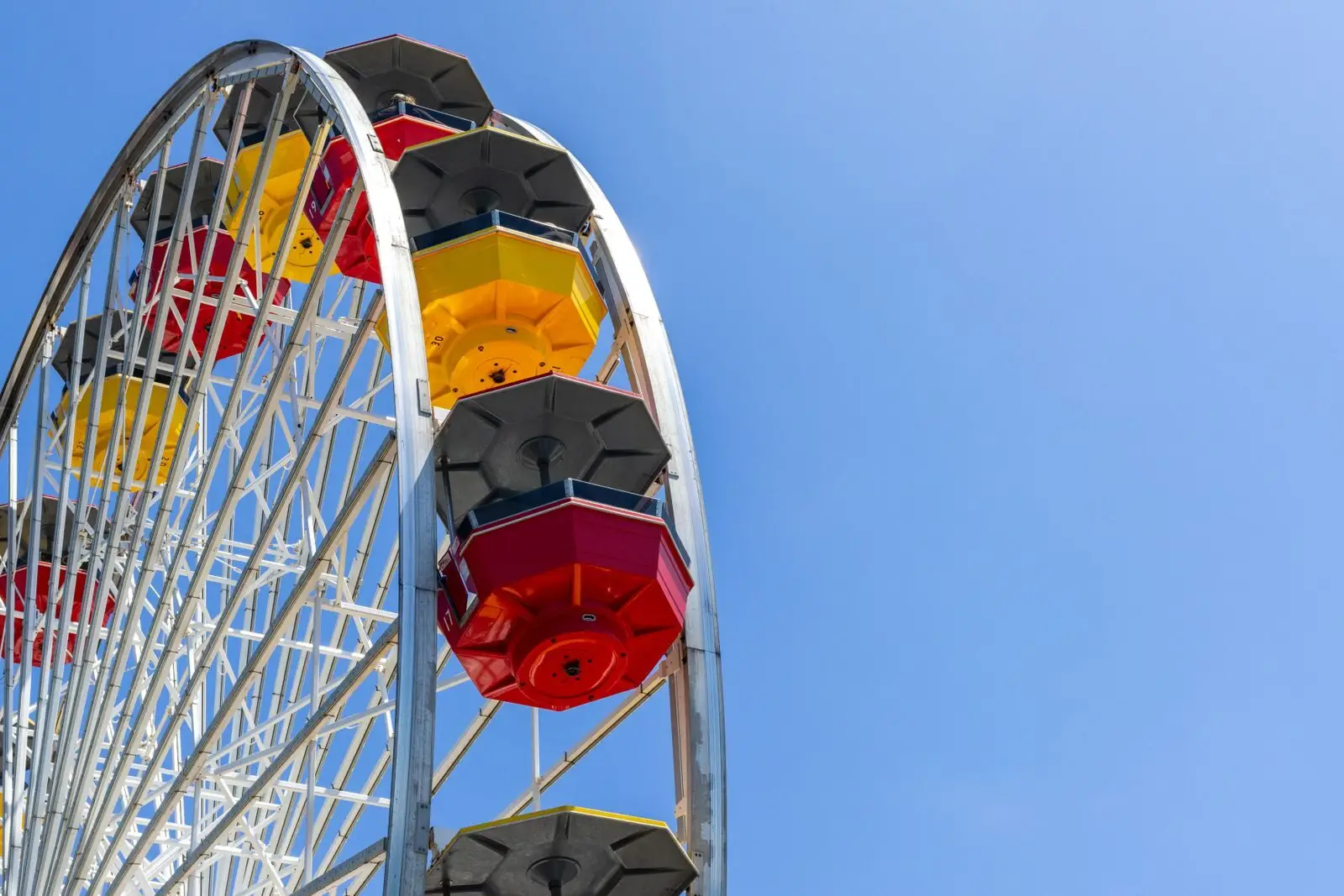
An amusement park giant wheel is more than a tall ride at the edge of a park. It is a vertical landmark, a visual anchor, a family-friendly attraction, and often one of the most recognizable features of an entertainment destination. From classic Ferris-style wheels to modern enclosed observation wheels, these attractions combine engineering scale with emotional appeal, making them valuable for parks that want to strengthen identity, extend guest dwell time, and create memorable shared experiences.
However, adding an amusement park giant wheel is not simply a matter of choosing a design and installing it. The decision involves site planning, structural engineering, safety compliance, guest flow, theming, maintenance capacity, and long-term operational value. A well-chosen wheel can become a signature attraction. A poorly planned one can create operational challenges, safety concerns, or underused space.
This article explores what makes an amusement park giant wheel effective, how it differs from smaller rides, and what park owners, developers, and operators should consider before moving from concept to installation.
Why an Amusement Park Giant Wheel Becomes a Signature Attraction
An amusement park giant wheel stands out because it is visible, elevated, and emotionally engaging. Guests can see it from a distance, use it as a meeting point, photograph it at night, and experience the park or surrounding landscape from a new perspective.
Unlike high-intensity thrill rides, a giant wheel typically appeals to a wide audience. Children, families, couples, older guests, and visitors who prefer gentler experiences can often enjoy it together. This broad appeal makes it especially useful for parks that want to balance thrill attractions with accessible, multi-generational entertainment.
A well-placed amusement park giant wheel can help a park by:
- Creating a strong visual identity
- Improving wayfinding and guest orientation
- Encouraging longer guest stays
- Supporting nighttime programming
- Generating photo and social media moments
- Attracting families and casual visitors
- Adding a premium experience through VIP cabins or private rides
- Strengthening the park’s skyline or entrance presence
- Supporting seasonal events, festivals, and celebrations
- Creating a calm counterpoint to faster, louder attractions
For many destinations, the amusement park giant wheel becomes one of the first structures guests notice and one of the last they remember. That combination of visibility and emotional impact is what makes it such a powerful attraction choice.
How an Amusement Park Giant Wheel Differs from Smaller Rides
An amusement park giant wheel is not simply a larger version of a standard fair ride. Its scale changes nearly every aspect of planning, operation, and guest experience.
Greater Visual Impact
A giant wheel is designed to be seen. It often serves as a landmark, a photo backdrop, and a nighttime feature. Its presence can shape how guests perceive the entire park.
Broader Guest Appeal
Smaller rides may target specific age groups or thrill levels. An amusement park giant wheel usually appeals to a wider range of visitors, making it useful for destinations that want inclusive entertainment.
Higher Structural Complexity
Larger wheels involve greater structural loads, wind considerations, rotational dynamics, foundation requirements, and mechanical complexity. Engineering precision becomes essential.
More Demanding Operational Planning
Loading, unloading, queue management, cabin turnover, and guest flow all require careful planning. A giant wheel can move many guests per cycle, but only if operations are organized efficiently.
Stronger Safety Expectations
The higher the structure and the more passengers it carries, the higher the safety expectations. Inspection routines, emergency procedures, operator training, and maintenance documentation become central to responsible operation.
Longer Asset Lifespan
A well-designed amusement park giant wheel is often treated as a long-term investment. Its value depends not only on initial design but also on ongoing maintenance, appearance, and guest experience quality.
The Engineering Behind a Safe and Smooth Giant Wheel
Behind the visual elegance of a rotating wheel is a complex system of engineering disciplines. An amusement park giant wheel must be designed to handle weight, movement, weather, passenger loads, and long-term use.
Structural Design
The main structure must support the wheel, cabins, passengers, mechanical systems, lighting, and dynamic forces. Structural engineers evaluate load paths, material strength, stability, and long-term durability.
Drive and Rotation Systems
Smooth rotation is essential for guest comfort. Drive systems, braking mechanisms, speed control, and backup systems must work together to ensure consistent and safe movement.
Electrical and Control Systems
Modern wheels rely on control systems to monitor rotation, detect anomalies, manage speed, and respond to safety triggers. Electrical reliability is especially important for nighttime operation.
Cabin and Passenger Systems
Cabins on an amusement park giant wheel may include panoramic glazing, climate control, seating, lighting, audio systems, accessibility features, and safety restraints. Each cabin must be designed for comfort, durability, and ease of maintenance.
Foundation and Site Integration
The foundation must be engineered for local soil conditions, wind exposure, seismic requirements, and utility access. A strong foundation is one of the most important elements of a safe and lasting installation.
Wind and Weather Considerations
Outdoor wheels must account for wind load, rain, heat, humidity, salt exposure, dust, and temperature changes. Coastal or exposed sites may require additional corrosion protection and structural analysis.
Safety and Compliance in Giant Wheel Projects
Safety is the foundation of every successful amusement park giant wheel. Because these structures carry passengers at height and operate in public environments, safety must be integrated into design, installation, operation, and maintenance.
Park owners and operators should pay close attention to:
- Structural integrity and load testing
- Wind monitoring and operating limits
- Emergency stop systems
- Backup power and evacuation procedures
- Cabin restraint and passenger protection
- Electrical safety and grounding
- Fire safety and emergency access
- Routine inspection schedules
- Operator training and certification
- Maintenance documentation and record keeping
- Compliance with local, state, and national regulations
- Third-party inspections where required
- Clear guest communication and boarding procedures
Regulatory requirements vary significantly by region. Some jurisdictions require detailed engineering certifications, third-party inspections, ongoing safety audits, or special permits for tall structures. Buyers and operators should confirm all applicable requirements before finalizing a project.
A strong safety culture also depends on staff preparedness. Operators should understand normal procedures, emergency protocols, guest communication standards, and inspection responsibilities. Visible safety instructions, trained staff, and consistent boarding routines help build passenger confidence.
Guest Experience: Why Visitors Are Drawn to the Wheel
The success of an amusement park giant wheel depends on more than height and engineering. Guests are drawn to the experience: the gradual rise, the changing perspective, the shared moment, and the view.
A well-designed giant wheel can create:
- Panoramic views of the park, city, waterfront, or surrounding landscape
- A calm and accessible experience for multiple generations
- A romantic or memorable setting for special occasions
- A unique nighttime experience through lighting, music, and reflections
- A premium option through VIP cabins or private experiences
- A family-friendly attraction that encourages longer visits
- A social media moment that promotes the destination organically
- A gentle experience suitable for guests who avoid intense rides
The emotional impact of an amusement park giant wheel is one reason it often becomes more popular than expected. A ride that may seem simple on paper can become one of the most photographed, discussed, and revisited attractions in a park.
Theming, Lighting, and Visual Identity
Modern giant wheels are increasingly designed as visual experiences, not just mechanical attractions. Theming, lighting, cabin design, and surrounding environment all contribute to the attraction’s identity.
LED Lighting and Nighttime Presence
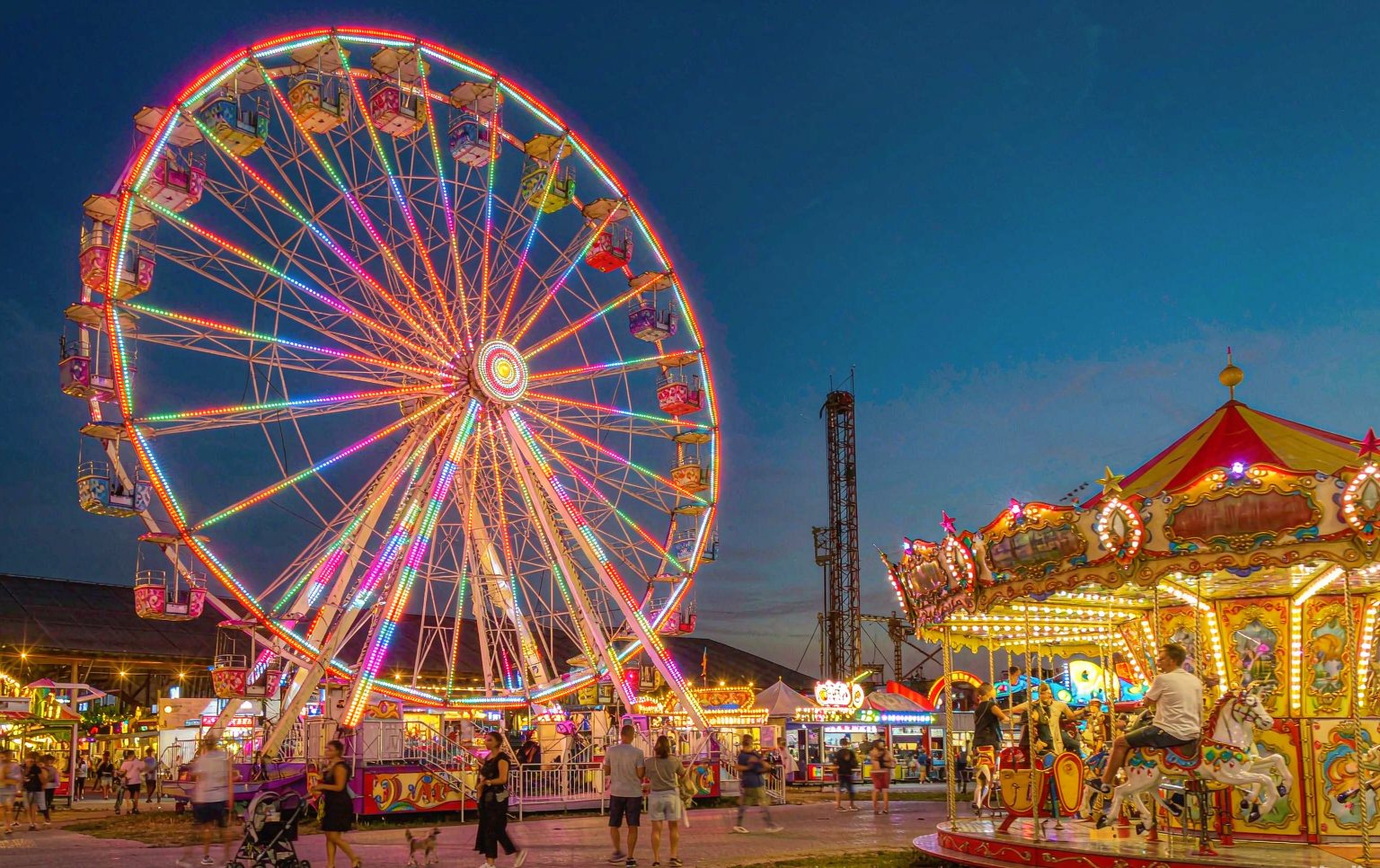
Nighttime lighting can transform an amusement park giant wheel into a dynamic landmark. Programmable LED systems allow parks to create seasonal displays, event-based themes, holiday celebrations, branded color schemes, and countdown experiences.
Cabin Design and Customization
Cabins can be customized to reflect the identity of a park or destination. Options may include transparent panoramic cabins, climate-controlled enclosures, themed interiors, audio experiences, accessibility features, or VIP configurations.
Hub and Structural Styling
The central hub and support structure offer opportunities for architectural expression. Some wheels feature sculptural hubs, branded elements, or design details that connect the attraction to local culture, park storytelling, or venue identity.
Surrounding Environment
The area around the wheel matters as much as the wheel itself. Landscaping, queue area design, boarding plazas, retail spaces, food outlets, viewing platforms, and photo points can all enhance the guest experience.
Seasonal and Event Programming
An amusement park giant wheel is well suited to seasonal programming. Holiday lighting, festival tie-ins, wedding packages, corporate experiences, New Year’s countdowns, and limited-time themes can help maintain guest interest throughout the year.
Site Selection and Park Integration
Choosing the right location is one of the most important decisions in any amusement park giant wheel project. The structure must fit naturally into the park while maximizing visibility, accessibility, safety, and guest flow.
Strong site candidates often share several characteristics:
- High visibility from park entrances, main pathways, or surrounding areas
- Adequate space for the wheel, foundation, queue areas, and emergency access
- Strong pedestrian access and clear circulation routes
- Proximity to food, retail, rest areas, or other attractions
- Compatibility with local zoning and planning regulations
- Suitable wind, weather, and ground conditions
- Available electrical and utility infrastructure
- Room for queue management and crowd control
- Potential for future expansion or complementary attractions
Waterfront locations are popular because they combine height, open views, and reflective lighting. However, coastal or riverside sites may require stronger corrosion protection, wind engineering, and environmental assessments.
Urban or dense park locations can create powerful landmarks, but they often require more careful planning around noise, lighting, traffic flow, sightlines, and visual impact.
Operations, Maintenance, and Long-Term Reliability
An amusement park giant wheel is a long-term asset. Its value depends not only on initial design and installation but also on consistent maintenance, inspection, and operational care.
A practical maintenance program should include:
Daily Operations Checks
- Visual inspection of cabins, restraints, and boarding areas
- Emergency stop verification
- Control system monitoring
- Weather and wind condition assessment
- Cleaning and guest area preparation
- Operator safety briefing
- Queue and guest flow checks
Weekly and Monthly Maintenance
- Lubrication of mechanical components
- Electrical system inspection
- Brake and drive system checks
- Lighting and sound system testing
- Cabin interior and exterior cleaning
- Documentation of maintenance activities
Annual and Major Inspections
- Professional structural inspection
- Detailed mechanical assessment
- Load and performance testing
- Safety system certification
- Replacement of worn components
- Operator and maintenance staff retraining
Maintenance records should be detailed, consistent, and accessible. Regular inspections help identify small issues before they become costly problems, reduce downtime, and protect passenger confidence.
Appearance also matters. An amusement park giant wheel that looks well maintained, clean, and professionally operated reinforces guest trust. Faded paint, unusual sounds, poorly maintained cabins, or unclear safety signage can undermine even the most impressive structure.
Budgeting Beyond the Initial Purchase Price
One of the most common mistakes in giant wheel projects is focusing only on the purchase or construction price. In reality, the total cost of ownership includes many additional factors.
Important budget considerations include:
- Design and engineering
- Manufacturing and quality control
- Shipping and logistics
- Foundation and site preparation
- Electrical and control system installation
- Theming, lighting, and cabin customization
- Operator and maintenance training
- Insurance and compliance documentation
- Spare parts inventory
- Routine maintenance
- Energy consumption
- Security and guest flow infrastructure
- Future upgrades or retheming
- Seasonal protection and weatherproofing
A lower initial price may appear attractive, but it can become far more expensive if spare parts are difficult to source, maintenance requirements are unclear, or technical support is limited. Smart investors evaluate an amusement park giant wheel based on long-term value, operational reliability, guest experience, and revenue potential.
Revenue Models and Commercial Value
An amusement park giant wheel can support multiple revenue streams when integrated into a well-planned destination.
Ticketed Experiences
Standard admission tickets are the most direct revenue source. Premium cabin experiences, fast-track access, private rides, and sunset or nighttime experiences can create higher-value options.
VIP and Private Events
Giant wheels are increasingly used for private celebrations, proposals, corporate events, brand activations, and exclusive dining experiences. These offerings can significantly increase per-guest revenue.
Sponsorship and Branding
Because an amusement park giant wheel is highly visible, it can attract sponsorship opportunities, naming rights, and branded lighting activations.
Retail and Food Integration
The surrounding area can support ticket booths, gift shops, food outlets, photo services, themed merchandise, and premium viewing experiences.
Seasonal Programming
Holiday events, festival tie-ins, and limited-time experiences can encourage repeat visits and create marketing momentum throughout the year.
Destination Marketing Value
Even when direct revenue is modest, a giant wheel can generate significant indirect value by increasing destination visibility, extending guest stays, improving wayfinding, and strengthening marketing campaigns.
Common Mistakes to Avoid
Avoiding common mistakes can make the difference between a successful landmark and an underperforming asset.
Underestimating Site Conditions
Wind exposure, soil conditions, utility access, crowd flow, and emergency access must all be evaluated before installation.
Ignoring Compliance Requirements
Regulatory requirements vary by location. Confirming compliance early prevents costly delays and operational risks.
Choosing Design Over Operations
A visually striking amusement park giant wheel still needs reliable maintenance access, efficient boarding, safe queue design, and practical operational workflows.
Overlooking Spare Parts Availability
Long lead times for replacement components can turn minor issues into extended shutdowns.
Neglecting Staff Training
Operators and maintenance teams must understand safety protocols, emergency procedures, guest communication, and inspection standards.
Treating the Wheel as an Isolated Attraction
An amusement park giant wheel performs best when integrated with surrounding amenities, pathways, food services, retail, events, and guest flow planning.
Trends Shaping the Future of Giant Wheels
The amusement park giant wheel category continues to evolve as destinations seek more immersive, efficient, and visually compelling attractions.
Smart Monitoring Systems
Advanced sensors and control systems allow operators to monitor performance, detect anomalies, and schedule maintenance more effectively.
Energy-Efficient Lighting
Modern LED systems reduce energy consumption while offering greater creative flexibility for nighttime displays and seasonal programming.
Premium Cabin Experiences
Climate-controlled cabins, transparent designs, dining options, audio experiences, and VIP configurations are becoming more common as destinations seek higher-value guest experiences.
Sustainable Design
Durable materials, longer equipment lifespans, efficient power systems, and responsible maintenance planning are increasingly important for park operators.
Mixed-Use Integration
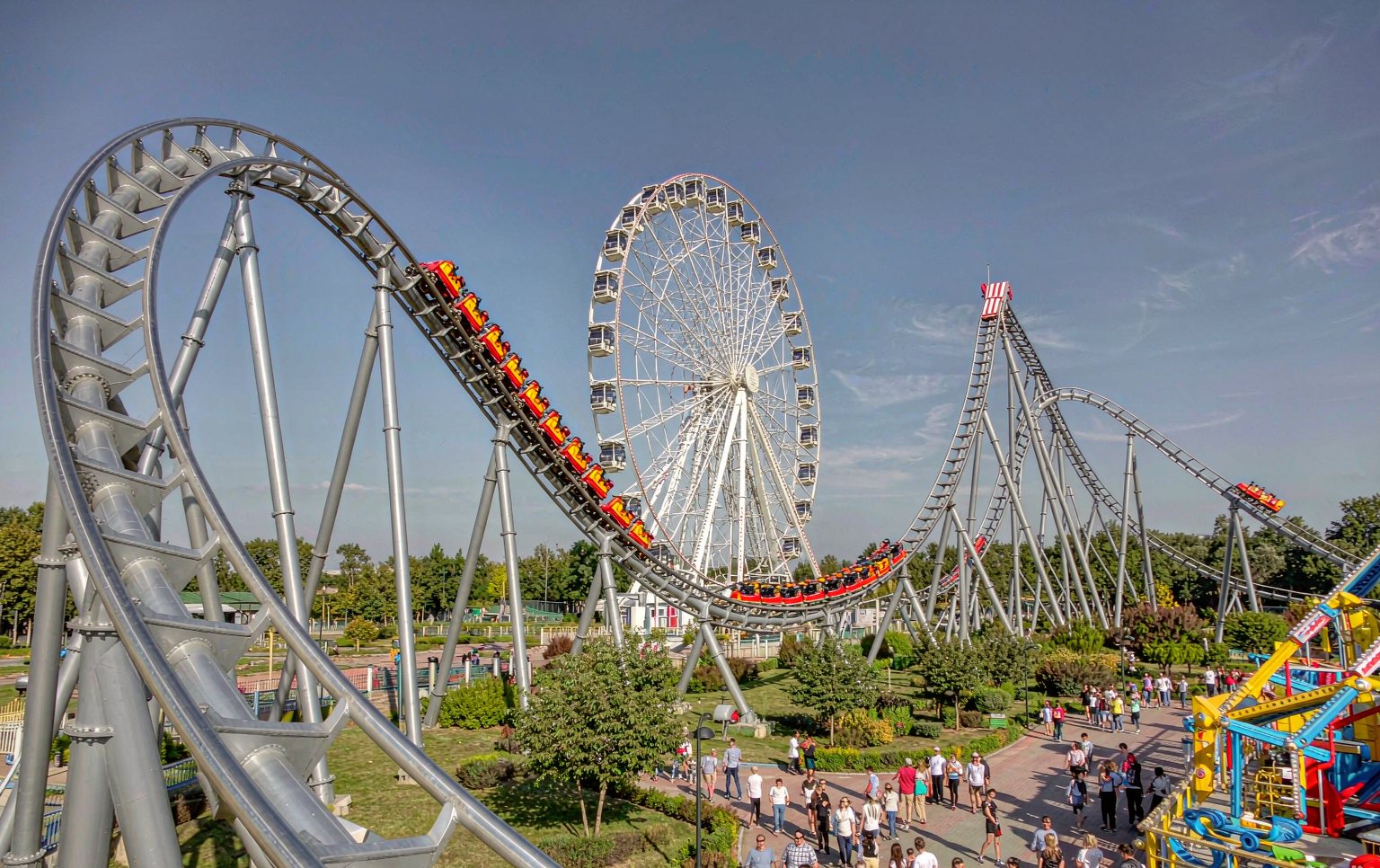
Giant wheels are no longer standalone attractions. They are being integrated into entertainment districts, waterfront developments, resort complexes, shopping destinations, cultural zones, and theme park entrances.
Experiential Tourism
Modern visitors seek memorable, shareable experiences. An amusement park giant wheel naturally supports this demand by offering elevation, views, photography opportunities, and emotional moments.
Turning a Ride into a Park Landmark
An amusement park giant wheel succeeds when it is treated as more than a mechanical attraction. The most successful projects combine strong engineering, thoughtful design, reliable operations, and a clear connection to the park’s identity.
For theme parks, family entertainment centers, waterfront developments, resorts, and mixed-use destinations, these wheels offer a rare combination of visibility, broad appeal, long-term value, and emotional impact. They can become the structure guests photograph, the attraction families remember, and the symbol that defines a place.
When planning, safety, theming, maintenance, and guest experience are approached with equal care, an amusement park giant wheel becomes more than a ride. It becomes a landmark that shapes how visitors see, remember, and return to a destination.