Amusement parks succeed when they offer more than a single exciting attraction. Visitors come looking for variety, emotion, comfort, photo opportunities, shared memories, and a reason to stay longer. That is why the selection of rides at a amusement park is one of the most important decisions for operators, investors, developers, and entertainment planners.
A well-chosen attraction lineup can shape the identity of a park, improve guest satisfaction, encourage longer visits, increase repeat attendance, and create stronger revenue opportunities. A poorly planned lineup, on the other hand, may leave guests bored, create bottlenecks, reduce perceived value, or make the venue feel disconnected from its target audience.
This article explains how to think about rides at a amusement park, from understanding different ride categories and guest expectations to planning layout, safety, theming, maintenance, operations, and long-term growth.
Why Ride Selection Shapes the Park Experience
Rides are not simply equipment placed inside a park. They are the main reason many guests buy tickets, plan trips, take photos, share experiences online, and return with family or friends.
The right rides at a amusement park can create:
- A clear park identity
- Strong first impressions
- Balanced guest experiences
- Better photo and social media moments
- Longer visit duration
- Higher guest satisfaction
- More opportunities for food, retail, and event revenue
- A stronger reason for repeat visits
- A safer and more comfortable guest flow
- A memorable emotional connection with the venue
A park with only thrill rides may excite adrenaline seekers but lose families with younger children. A park with only gentle rides may feel safe but fail to attract teenagers or thrill ride fans. The strongest parks usually offer a mix of experiences that appeal to different ages, interests, and energy levels.
Understanding Different Types of Rides at a Amusement Park
Before choosing attractions, it helps to understand the main categories of rides at a amusement park. Each type serves a different role in the guest experience.
Thrill Rides and Roller Coasters
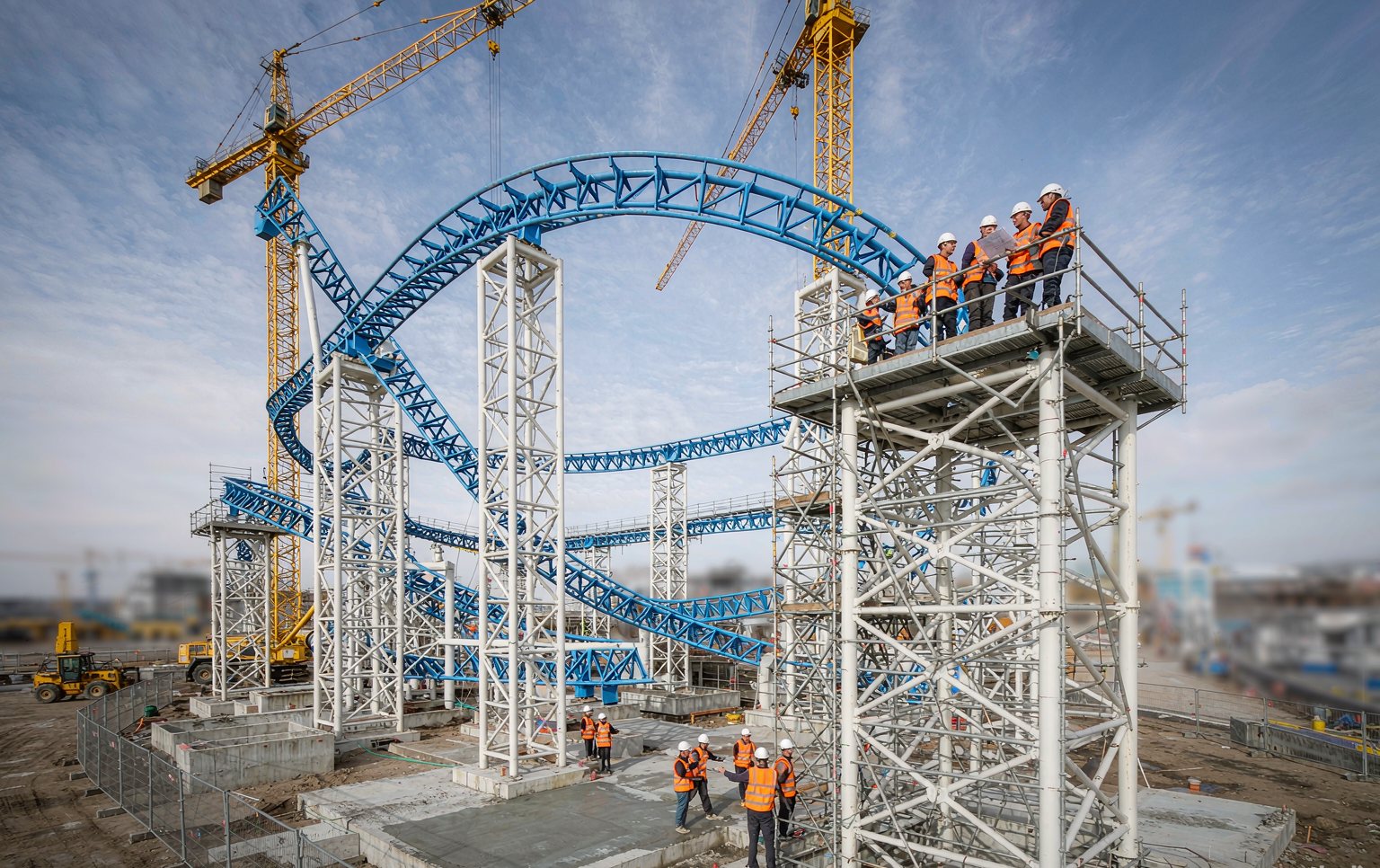
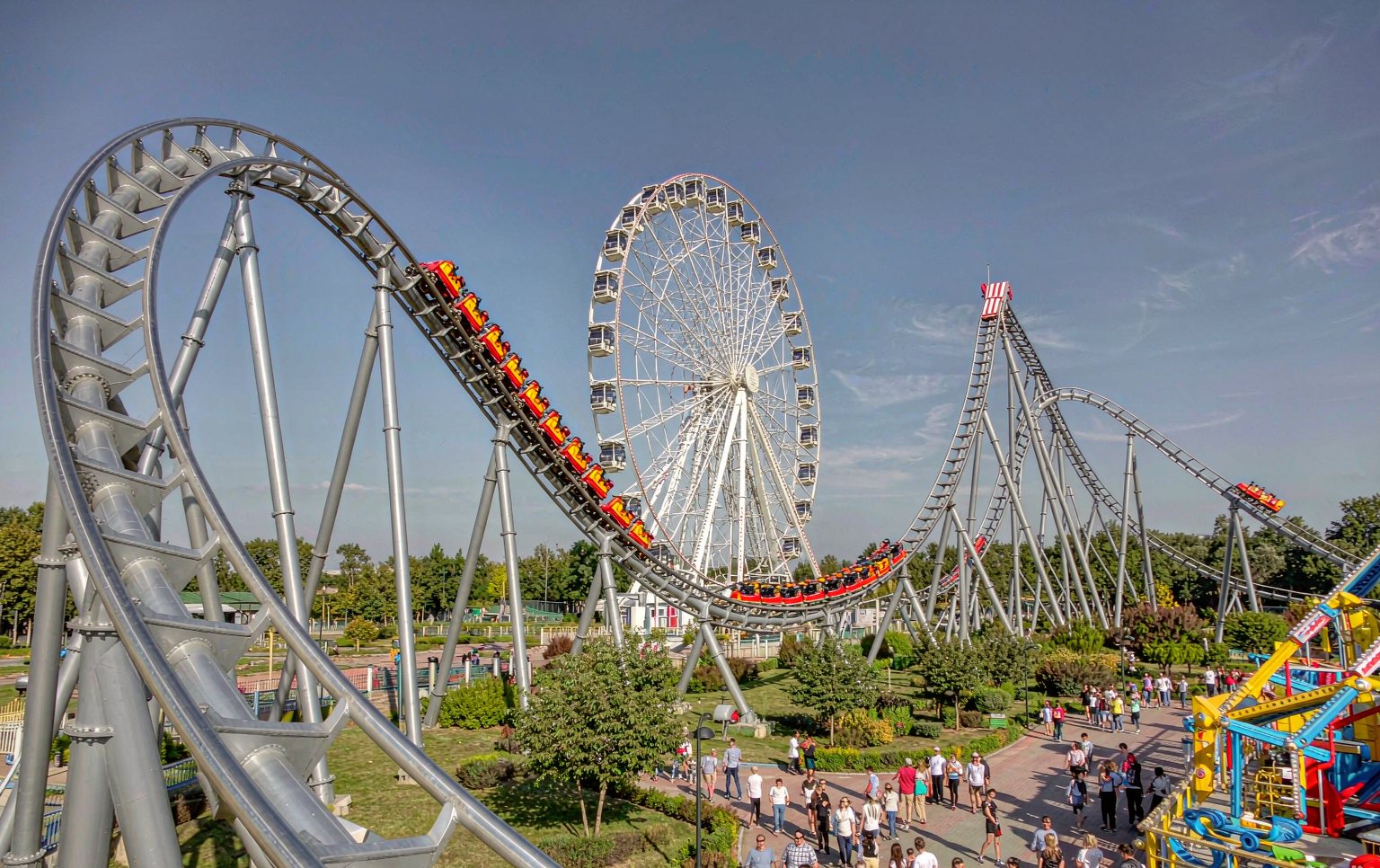
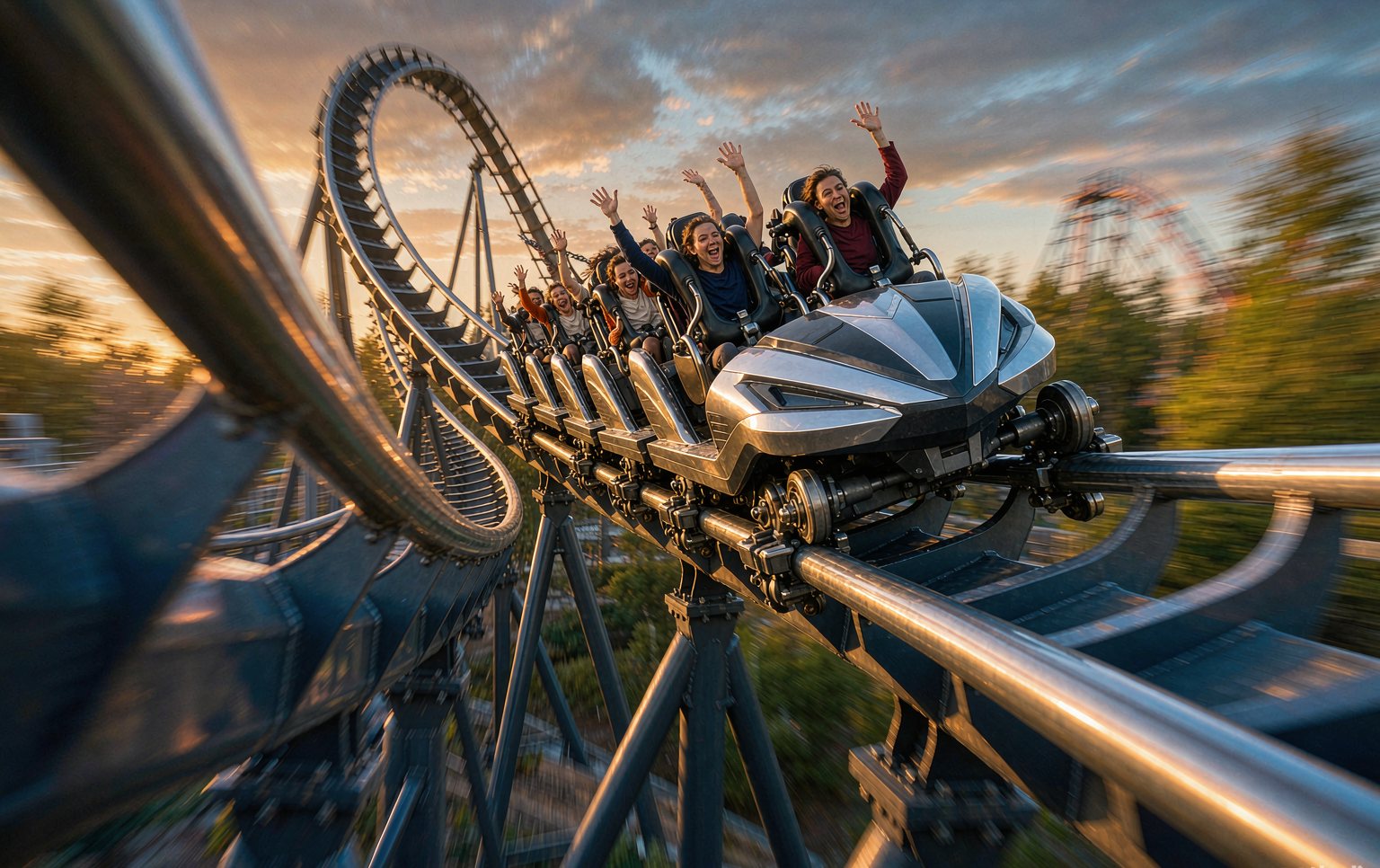
Thrill rides are often the headline attractions of a park. Roller coasters, drop towers, pendulum rides, spinning rides, and high-speed attractions create excitement, energy, and strong visual impact.
These rides are important for attracting teenagers, young adults, and thrill seekers. However, they usually require stronger safety systems, more experienced operation, higher maintenance attention, and clear guest restrictions.
Family Rides
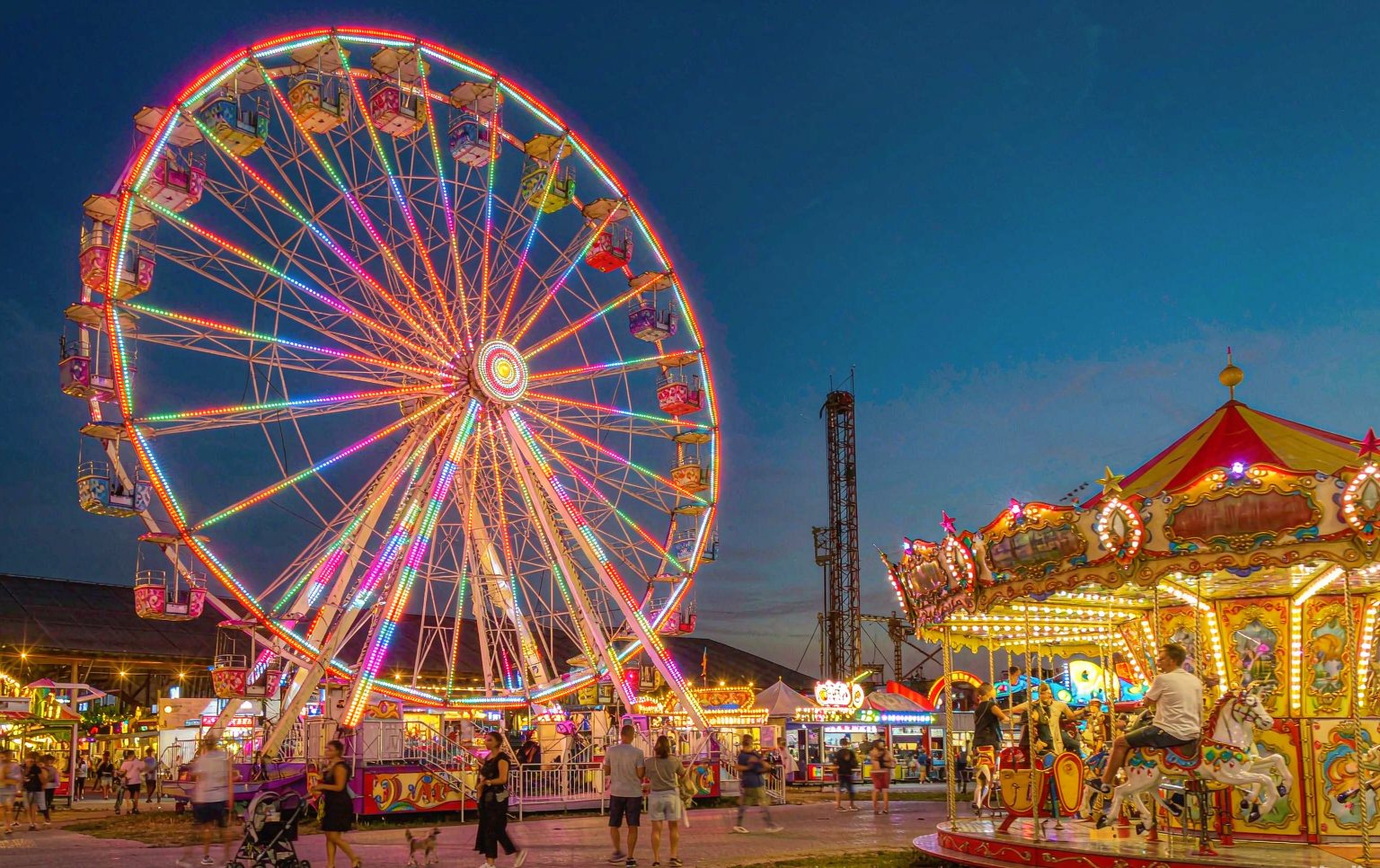
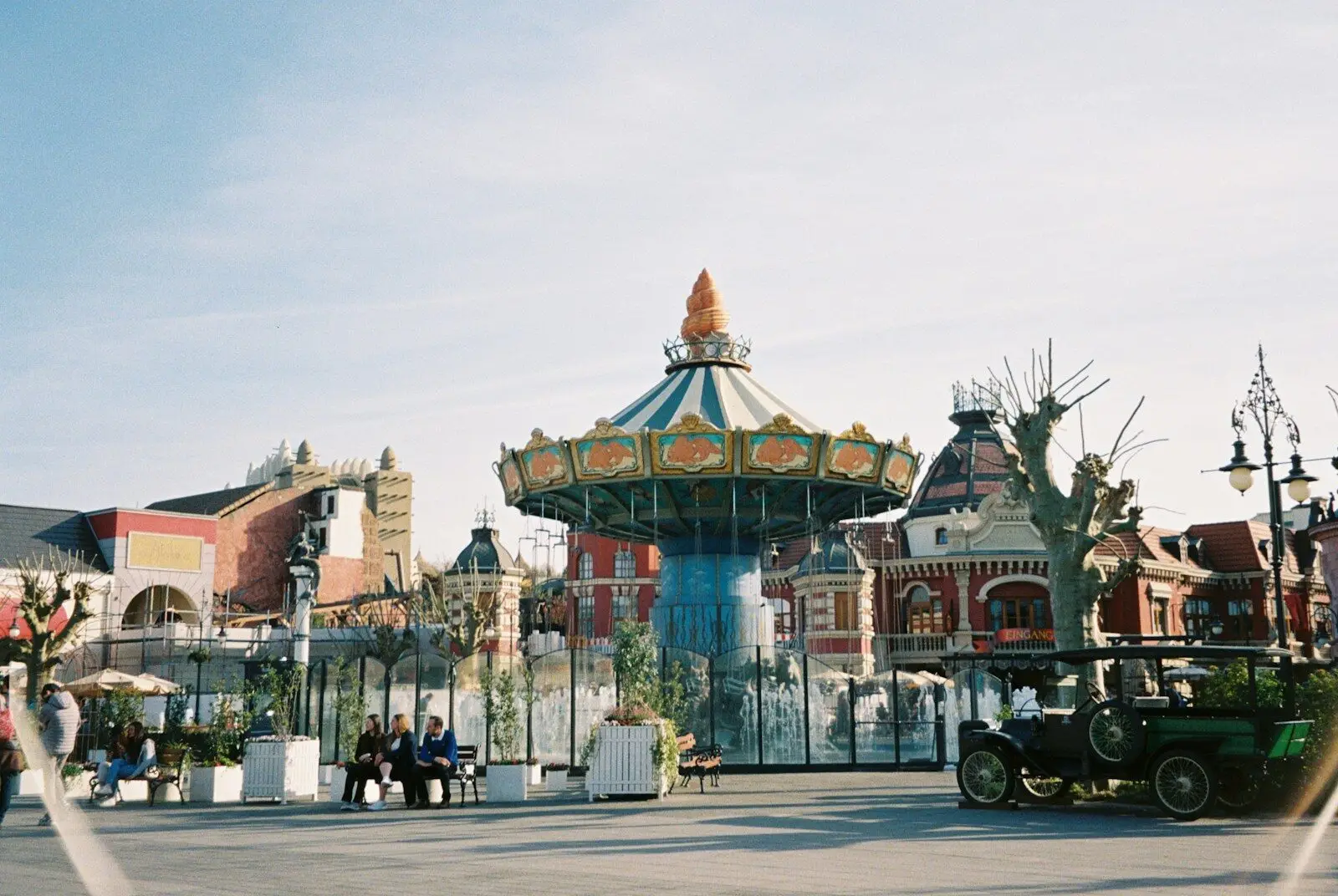
Family rides are essential for parks that want to welcome multiple generations. Carousels, gentle spinning rides, boat rides, scenic train rides, and mild motion attractions allow parents and children to enjoy the park together.
Family rides often create some of the most memorable park moments because they are accessible, visually appealing, and suitable for shared experiences.
Children’s Rides
Children’s rides are designed for younger guests. They usually feature smaller scale, gentle movement, bright colors, simple boarding, and friendly themes.
These rides are important for family-oriented parks because they help younger children feel included. A park that ignores children’s rides may lose families early in the day.
Water Rides
Water rides add refreshment, movement, and visual interest. Log flumes, splash boats, river rides, and water-based attractions can become especially popular in warm climates.
Water rides also create natural opportunities for themed environments, queue area design, and seasonal marketing.
Dark Rides and Indoor Attractions
Dark rides combine movement, storytelling, lighting, sound, and themed scenes. They are useful for parks that want to create immersive experiences beyond simple motion.
Indoor attractions also offer weather protection, which can help maintain guest flow during extreme heat, rain, or strong sunlight.
Interactive and Skill-Based Rides
Interactive rides, shooting galleries, bumper cars, and skill-based attractions add variety to the guest experience. They encourage participation, friendly competition, and repeat play.
These attractions can also support additional revenue through game-style formats, prize systems, or premium experiences.
Observation Rides
Ferris wheels, observation towers, scenic lifts, and slow-moving aerial rides provide height, views, and landmark value. They often become recognizable symbols of a park.
Observation rides are especially useful for creating photo opportunities and giving guests a broader view of the venue.
Seasonal and Special Event Rides
Some parks add temporary or seasonal attractions for holidays, festivals, school breaks, or special events. These rides can create urgency and give guests a reason to return.
However, temporary attractions should still meet the same safety, operational, and guest experience standards as permanent rides.
Matching Rides to Your Target Audience
The best rides at a amusement park are not chosen randomly. They should match the audience the park wants to serve.
Family-Focused Parks
For family-focused parks, the priority is balance. The lineup should include:
- Gentle family rides
- Children’s rides
- Interactive attractions
- Scenic or observation rides
- A small number of moderate thrill rides
- Weather-friendly indoor options
- Clear guest height and age guidance
Families usually value safety, comfort, accessibility, short wait times, and attractions that allow parents and children to enjoy experiences together.
Thrill-Focused Parks
For thrill-focused parks, the priority is excitement and reputation. The lineup may include:
- Roller coasters
- Drop rides
- Spinning attractions
- High-capacity thrill rides
- Strong visual landmarks
- Premium fast-pass or VIP experiences
Thrill parks should still include some gentler options, because not every guest in a thrill-focused park wants constant intensity.
Resort and Destination Parks
For resort parks, rides should support a broader experience. Guests may stay for multiple days, so the park needs variety, themed areas, dining, entertainment, and attractions that feel connected to the resort identity.
Urban and Indoor Parks
For urban or indoor parks, space is often limited. The best rides at a amusement park in this environment are compact, visually strong, low-noise, and efficient in guest flow.
Indoor parks should also consider ventilation, lighting, ceiling height, emergency access, and sound control.
Seasonal and Traveling Parks
For seasonal or traveling parks, portability, setup time, durability, and transport logistics become more important. These parks often benefit from rides that can be assembled quickly and remain reliable through repeated use.
Planning a Balanced Ride Mix
A strong amusement park does not depend on one type of attraction. It depends on balance.
A balanced ride mix usually includes:
- At least one signature attraction
- Several family-friendly rides
- A dedicated children’s area
- Interactive or skill-based options
- A scenic or observation experience
- Weather-friendly attractions
- High-capacity rides to reduce wait times
- Visually strong rides for photos and branding
- Themed experiences that support the park’s identity
Balance also means thinking about guest energy. Visitors may start the day with excitement, look for shade or rest during midday, and return to high-energy attractions later. A good ride lineup supports that natural rhythm.
Layout, Guest Flow, and Park Navigation
The placement of rides at a amusement park is almost as important as the rides themselves. A poorly planned layout can create congestion, long walking distances, noise conflicts, and uneven crowd distribution.
A strong layout should consider:
- Entrance visibility
- Clear wayfinding
- Queue space
- Ride capacity
- Guest rest areas
- Food and retail proximity
- Emergency access
- Noise separation
- Shade and weather protection
- Photo and landmark opportunities
- Children’s area safety
- Crowd movement during peak hours
Signature rides should be visible from key locations, but not so crowded that they block movement. Children’s areas should feel safe and contained. Thrill rides should be separated from quiet family zones when possible.
Guest flow planning helps reduce frustration. Visitors should be able to move through the park naturally, find attractions easily, and understand where to go next.
Safety, Compliance, and Operational Standards
Safety must be the foundation of every ride decision. The most exciting rides at a amusement park should also be among the most carefully designed, operated, and maintained.
Park operators should evaluate:
- Structural integrity
- Restraint and passenger protection systems
- Emergency stop functions
- Braking and drive system reliability
- Electrical safety
- Control system performance
- Weather and wind operating limits
- Height, weight, and age restrictions
- Operator training
- Maintenance schedules
- Inspection documentation
- Spare parts availability
- Compliance with local and national regulations
Compliance requirements vary by country, state, and local jurisdiction. Buyers and operators should confirm which standards apply before purchasing or installing any attraction.
Safety also includes guest communication. Clear signage, visible boarding rules, staff training, and consistent operating procedures help guests feel confident.
Theming, Storytelling, and Visual Identity
Modern guests expect more than mechanical movement. They want experiences that feel intentional, immersive, and memorable.
Theming can turn ordinary rides at a amusement park into recognizable attractions. Common theming directions include:
- Adventure
- Fantasy
- Space
- Jungle
- Nautical
- Vintage
- Royal
- Industrial
- Cartoon or character-based
- Local culture or heritage
- Seasonal or festival themes
Theming should be more than decoration. It should support the park’s identity, improve photo opportunities, create stronger queue experiences, and help guests remember their visit.
However, themed elements should never interfere with safety, maintenance access, emergency routes, or ride operation. Decorative features should be durable, properly installed, and easy to inspect.
Maintenance, Downtime, and Long-Term Reliability
A ride is only valuable if it operates reliably. Frequent downtime can damage guest satisfaction, reduce revenue, and create operational stress.
A strong maintenance program should include:
- Daily visual inspections
- Pre-opening safety checks
- Routine lubrication and cleaning
- Electrical system reviews
- Brake and drive system checks
- Spare parts inventory
- Maintenance logs
- Scheduled professional inspections
- Operator training
- Seasonal maintenance reviews
Parks should also plan for peak periods. A ride failure during a holiday weekend or school break can have a much larger impact than the same failure on a quiet weekday.
Reliable maintenance also protects appearance. Faded paint, unusual sounds, loose panels, or dirty seating areas can make guests feel uneasy, even if the ride is mechanically functional.
Budgeting Beyond the Initial Purchase Price
When planning rides at a amusement park, the purchase price is only one part of the investment. A realistic budget should include every cost needed to install, operate, and maintain the attraction over time.
Important cost factors include:
- Ride purchase price
- Shipping and import logistics
- Foundation and site preparation
- Electrical and control system installation
- Theming and lighting
- Staff training
- Insurance and compliance documentation
- Spare parts inventory
- Routine maintenance
- Energy consumption
- Queue area design
- Future upgrades or retheming
A lower upfront price may look attractive, but it can become more expensive if spare parts are difficult to source, maintenance requirements are high, or technical support is limited.
Smart operators evaluate total cost of ownership, not just the initial quotation.
Common Mistakes to Avoid
Avoiding common mistakes can save time, money, and operational stress.
Choosing Rides Only by Appearance
A ride may look impressive in images but fail to match the park’s audience, space, power supply, or operating model.
Ignoring Capacity and Wait Times
Popular rides need enough capacity to handle peak crowds. Low-capacity attractions can create long queues and guest frustration.
Overlooking Children and Families
Even thrill-focused parks benefit from family-friendly options. Ignoring younger guests can reduce overall attendance.
Underestimating Maintenance
Some rides require frequent inspection, specialized parts, or trained technicians. If these needs are ignored, operating costs can rise quickly.
Poor Layout Planning
Placing loud thrill rides next to quiet family areas, or blocking main walkways with large queues, can harm the guest experience.
Forgetting Weather and Climate
Outdoor parks should plan for heat, rain, wind, and sunlight. Indoor or covered attractions can help maintain guest flow during extreme weather.
Choosing Suppliers Without After-Sales Support
Reliable spare parts, technical support, and maintenance documentation are essential. Without them, small problems can become long shutdowns.
Questions to Ask Before Adding New Rides
Before adding new attractions, park operators should ask clear and specific questions.
Useful questions include:
- Who is the target audience for this ride?
- What is the expected hourly capacity?
- How much space does the ride require?
- What foundation or site preparation is needed?
- What are the power and electrical requirements?
- Which safety standards apply?
- What training is required for operators?
- What is the recommended maintenance schedule?
- Are spare parts available locally or internationally?
- What is the expected lifespan of major components?
- Can the ride be themed to match the park identity?
- How will the ride affect guest flow and queue areas?
These questions help move the decision beyond visual appeal and into practical park planning.
Trends Shaping Amusement Park Rides
The amusement industry continues to evolve, and the most successful parks are adapting to changing guest expectations.
Family experiences remain central. Parks are looking for attractions that allow multiple generations to enjoy the same visit.
Interactive experiences are growing in importance. Guests want to participate, compete, share moments, and feel involved rather than simply observe.
Theming and storytelling are becoming more valuable. As entertainment options increase, parks need stronger identity and more memorable environments.
Technology is also influencing ride design. Improved control systems, better monitoring tools, and more precise safety systems can help operators manage performance, reduce downtime, and improve guest confidence.
Sustainability is another growing consideration. Energy-efficient lighting, durable materials, longer equipment lifespans, and smarter maintenance planning can reduce operating costs while supporting responsible venue management.
Building a Park That Guests Want to Visit Again
The best rides at a amusement park do more than move passengers. They create emotion, comfort, excitement, safety, and memorable moments.
A successful park is built on balance: thrilling attractions for adventure seekers, gentle rides for families, playful experiences for children, scenic moments for photographers, and reliable operations for every guest.
When ride selection, layout, safety, theming, maintenance, and guest service work together, the result is more than a collection of attractions. It becomes a destination where visitors feel welcome, entertained, and eager to return.