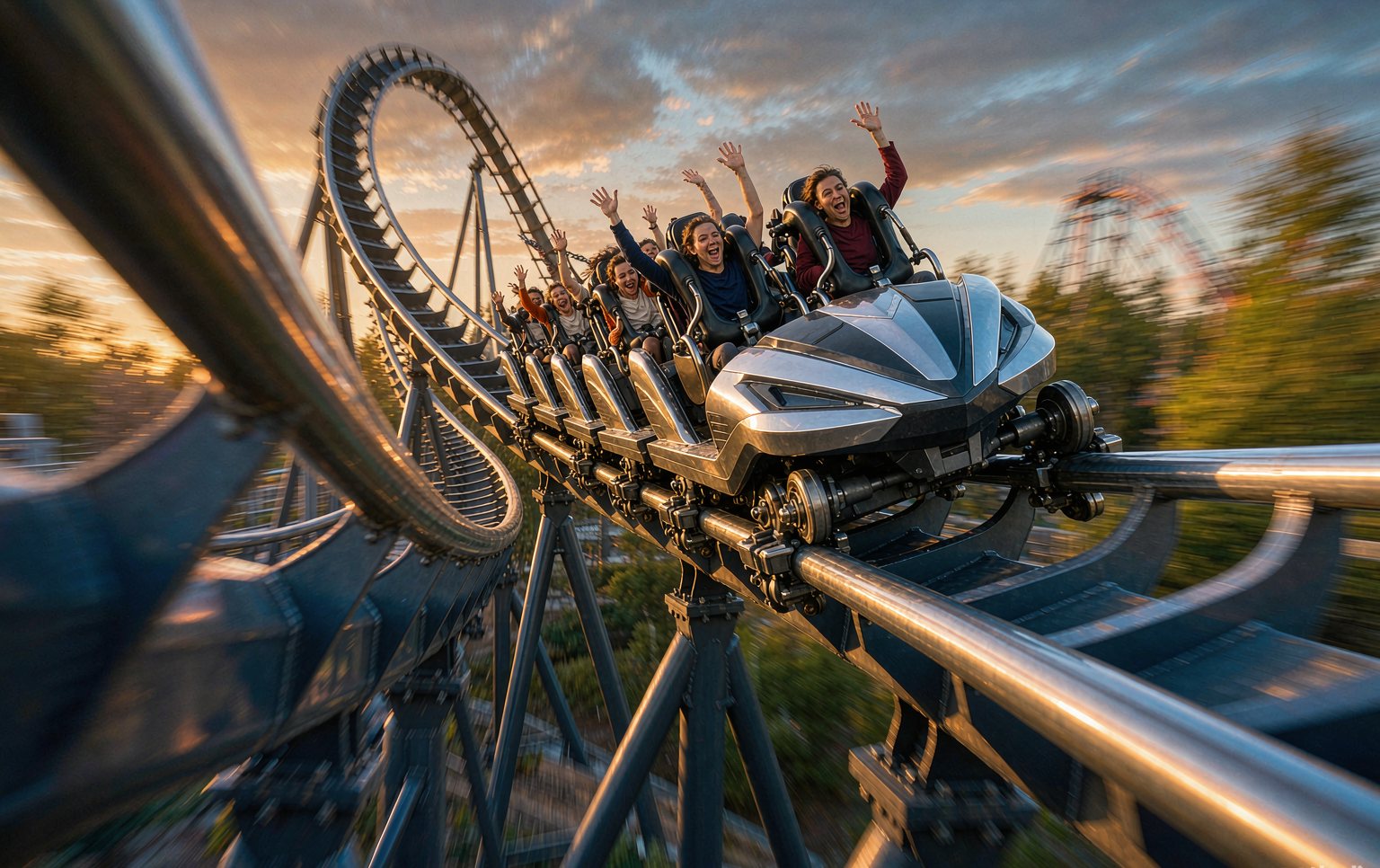
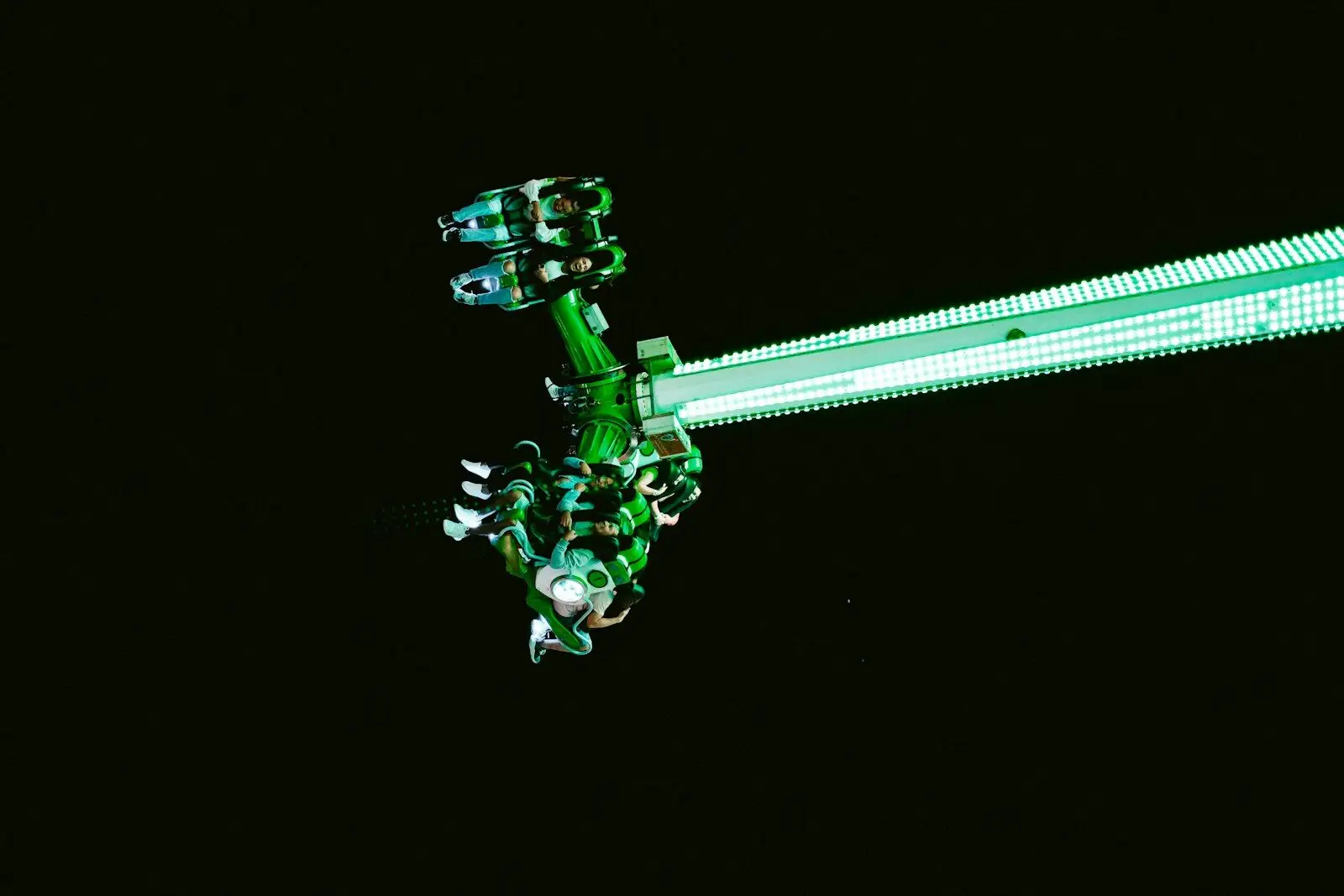
For amusement park operators, traveling showmen, family entertainment centers, festival organizers, resort developers, and new investors entering the amusement industry, choosing the right supplier is one of the most important decisions in any ride project. Funfair ride manufacturers play a central role in shaping not only the appearance of an attraction, but also its safety, reliability, guest experience, maintenance cost, and long-term profitability.
However, searching for funfair ride manufacturers is only the first step. The bigger challenge is knowing how to evaluate them. A supplier may offer attractive images, competitive pricing, and a wide product range, but the real value lies in safety standards, build quality, compliance documentation, after-sales support, spare parts availability, installation capability, and operational reliability.
This article explains how buyers can approach funfair ride manufacturers more effectively, from understanding different supplier types and ride categories to evaluating safety, quality, maintenance, theming, installation, and total cost of ownership.
Why the Choice of Manufacturer Matters
Funfair rides are not simple decorative attractions. They carry passengers, move through public spaces, and operate in environments where safety, guest confidence, and consistent performance are essential. That is why the choice among funfair ride manufacturers should never be based only on price or visual appeal.
A strong manufacturer should be able to provide:
- Safe and well-engineered ride designs
- Clear technical documentation
- Reliable mechanical and electrical systems
- Quality control during production
- Proper installation support
- Operator and maintenance training
- Spare parts availability
- Long-term service and communication
- Compliance guidance for the buyer’s region
- Customization options where needed
A weak supplier, on the other hand, may create problems that continue long after delivery. Missing documentation, unclear safety features, poor finishing, delayed spare parts, or limited technical support can turn a promising purchase into an expensive operational burden.
For operators, the goal is not simply to buy a ride. The goal is to build a safe, attractive, and profitable attraction that guests trust and enjoy.
Types of Funfair Ride Manufacturers
Not all funfair ride manufacturers operate in the same way. Some specialize in large permanent attractions, while others focus on portable rides, family-friendly equipment, children’s rides, or custom-themed attractions. Understanding these differences helps buyers narrow their search.
Large-Scale Amusement Ride Manufacturers
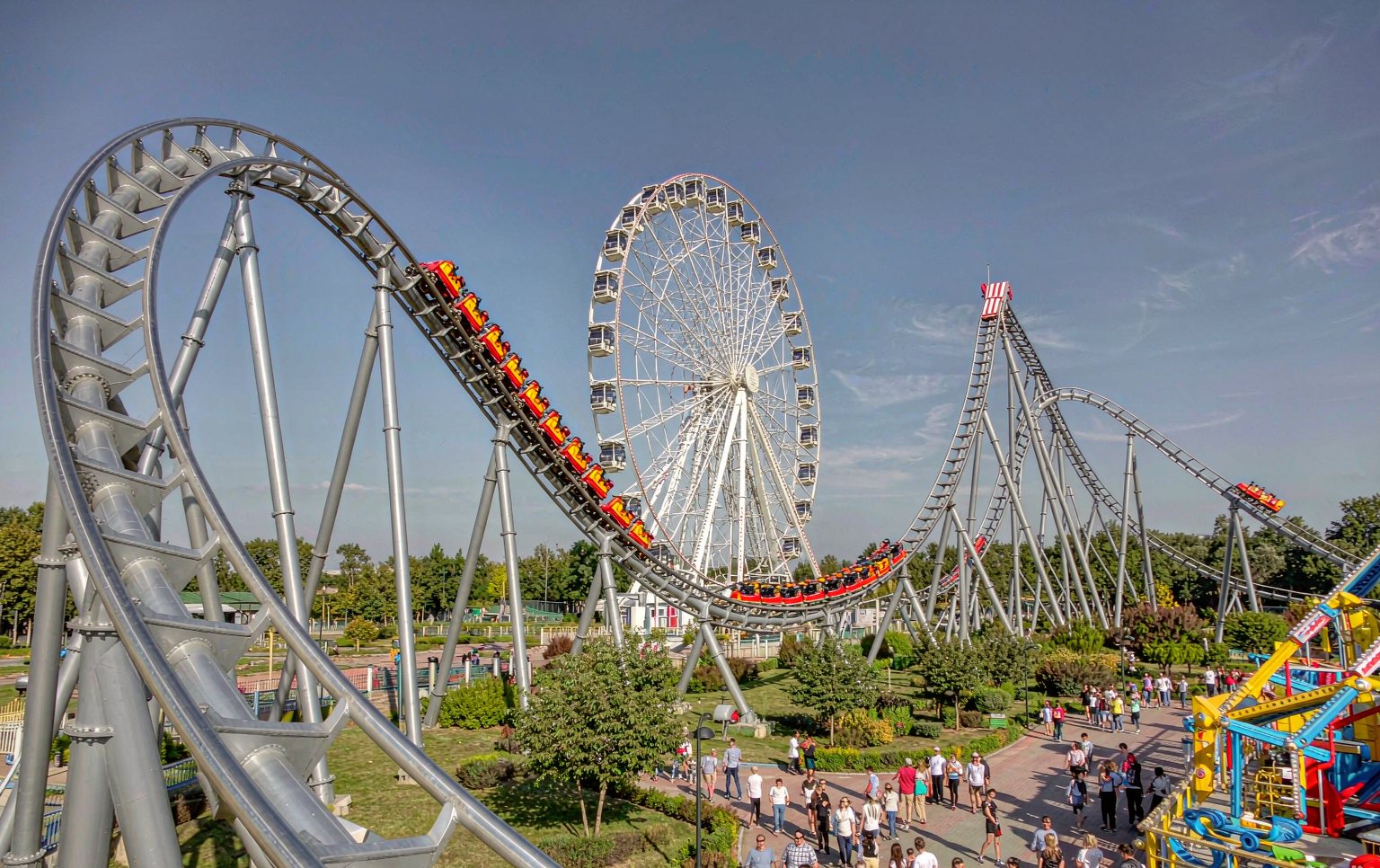
These manufacturers often focus on major attractions such as Ferris wheels, drop towers, pendulum rides, roller coasters, and large thrill rides. Their equipment is usually designed for permanent parks, large entertainment destinations, and high-capacity venues.
Portable and Traveling Ride Manufacturers
Portable ride manufacturers focus on attractions that can be transported, assembled, and disassembled more easily. These rides are common among traveling showmen, seasonal operators, fairs, carnivals, and temporary events.
Family and Children’s Ride Manufacturers
Some funfair ride manufacturers specialize in gentler attractions such as carousels, tea cup rides, mini trains, small swing rides, bumper cars, and children’s dark rides. These manufacturers often focus on colorful design, family appeal, and safe operation.
Custom and Themed Ride Manufacturers
Custom manufacturers may build attractions around specific themes, branding, or venue concepts. This can include royal, vintage, fantasy, nautical, jungle, space, or heritage-inspired designs. Custom work is useful for resorts, themed parks, shopping destinations, and tourist attractions that want a unique identity.
Regional and Global Suppliers
Some manufacturers serve local markets, while others export internationally. International suppliers may offer broader product ranges, but buyers should pay closer attention to compliance standards, shipping logistics, installation support, spare parts, and communication.
Choosing the right type of funfair ride manufacturers depends on the venue, ride category, operating model, budget, and long-term service expectations.
Common Ride Categories Offered by Manufacturers
Funfair ride manufacturers often produce a wide range of attractions. Buyers should understand which categories fit their venue before requesting quotations.
Carousels and Family Classics
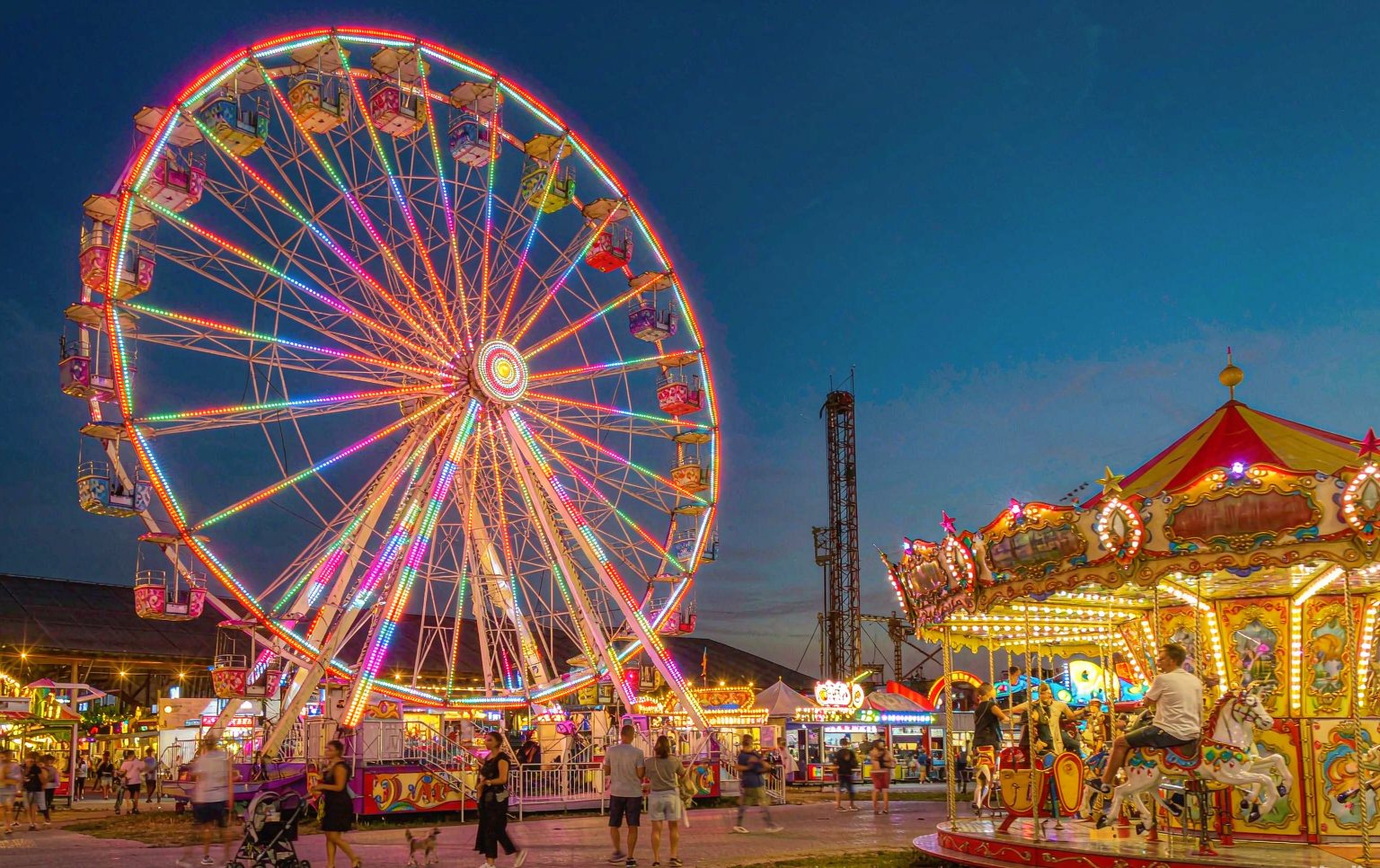
Carousels remain one of the most recognizable family attractions. They are gentle, visually appealing, and suitable for children and parents. Manufacturers may offer classic, royal, fantasy, or modern carousel designs.
Ferris Wheels and Observation Rides
Ferris wheels create height, visibility, and a strong visual landmark. Smaller versions are often used in family parks, shopping centers, waterfront areas, and tourist destinations.
Swing Rides and Pendulum Rides
Swing rides add movement and energy to an attraction area. Manufacturers may offer different sizes, from gentle family versions to stronger thrill models.
Bumper Cars and Interactive Rides
Bumper cars, mini driving rides, and interactive attractions are popular in indoor venues, family entertainment centers, and compact outdoor parks.
Drop Rides and Thrill Attractions
Thrill rides require stronger engineering, stricter safety oversight, and more experienced operation. Buyers should ensure that manufacturers can provide complete safety documentation and compliance support.
Trackless Trains and Scenic Rides
Trackless trains are widely used in parks, resorts, shopping centers, zoos, museums, and tourist attractions. They combine entertainment with guest movement and can support themed experiences.
Children’s Rides and Play Attractions
Children’s rides are essential for family-oriented venues. They usually include smaller scale, gentle motion, bright colors, and simple boarding.
Inflatable, Soft Play, and Temporary Attractions
For festivals, fairs, and seasonal events, some manufacturers also offer inflatable rides, soft play attractions, and portable entertainment equipment.
The best approach is to match the ride category with the venue’s audience, available space, operating model, and safety requirements.
Safety and Compliance Should Lead the Evaluation
Safety is the most important factor when evaluating funfair ride manufacturers. Even smaller or gentler rides carry passengers and require responsible design, operation, and maintenance.
Buyers should ask manufacturers to clarify:
- Structural design and load capacity
- Restraint and passenger protection systems
- Emergency stop functions
- Braking and drive system reliability
- Electrical safety standards
- Control system performance
- Operator training requirements
- Height, weight, and age restrictions
- Weather and wind limitations
- Routine inspection procedures
- Maintenance documentation
- Spare parts availability
Compliance requirements vary by country, state, and local jurisdiction. Buyers should confirm which standards apply to their location and whether the manufacturer can provide the necessary documentation.
If a manufacturer cannot clearly explain safety features, testing procedures, inspection requirements, or maintenance needs, that should be treated as a serious warning sign. A low price or attractive design should never override safety.
Evaluating Build Quality and Engineering
Build quality affects safety, appearance, reliability, and long-term operating costs. Two rides from different funfair ride manufacturers may look similar in photos, but differences in materials, welding, finishing, mechanical components, and electrical systems can create very different results in daily operation.
When evaluating build quality, buyers should consider:
- The strength of the structural frame
- The durability of mechanical components
- The quality of welding and joints
- Corrosion protection and weather resistance
- The reliability of motors, brakes, and drive systems
- The smoothness of ride motion
- The quality of electrical wiring and lighting
- The clarity of technical documentation
- The availability of spare parts
- The manufacturer’s experience with similar attractions
Outdoor rides need stronger weather resistance. Coastal venues may require better corrosion protection. Indoor rides may need lower noise levels, cleaner power systems, and tighter turning ability.
Appearance also matters. A ride that looks faded, poorly finished, or loosely assembled can make guests feel uneasy, even if it is mechanically functional.
Portable Rides vs. Permanent Rides
The choice between portable and permanent rides affects installation, transport, maintenance, and operating flexibility.
Portable Rides
Portable rides are useful for traveling operators, seasonal parks, fairs, carnivals, festivals, and temporary events. Buyers should evaluate:
- Assembly and disassembly time
- Transport dimensions and weight
- Foundation or base requirements
- Durability during repeated setup
- Connection systems between sections
- Storage requirements
- Weather resistance
- Maintenance access
Permanent Rides
Permanent rides are usually designed for fixed installation in amusement parks, resorts, shopping centers, or entertainment districts. Buyers should evaluate:
- Site preparation and foundation needs
- Long-term structural durability
- Electrical and control system integration
- Maintenance access
- Guest flow and queue design
- Theming and visual integration
- Lifespan and upgrade options
Funfair ride manufacturers should be able to explain whether their equipment is better suited for portable use, permanent installation, or both.
Customization, Theming, and Branding
Many venues want more than a standard ride. They want an attraction that fits their identity, environment, and guest experience. This is where customization becomes important.
Funfair ride manufacturers may offer customization in several areas:
- Color schemes and finishes
- Decorative trim and ornamental details
- Themed lighting
- Music and sound systems
- Signage and naming
- Carriage or vehicle design
- Queue area decoration
- Station or boarding area design
- Branded elements
- Seasonal or event-based updates
Theming helps attractions feel more intentional and memorable. A well-themed ride can become a recognizable part of a venue’s identity, especially in resorts, family parks, shopping destinations, cultural attractions, and tourist areas.
However, customization should not compromise safety or maintenance access. Decorative elements should be durable, properly installed, and designed so they do not interfere with inspection, operation, or emergency procedures.
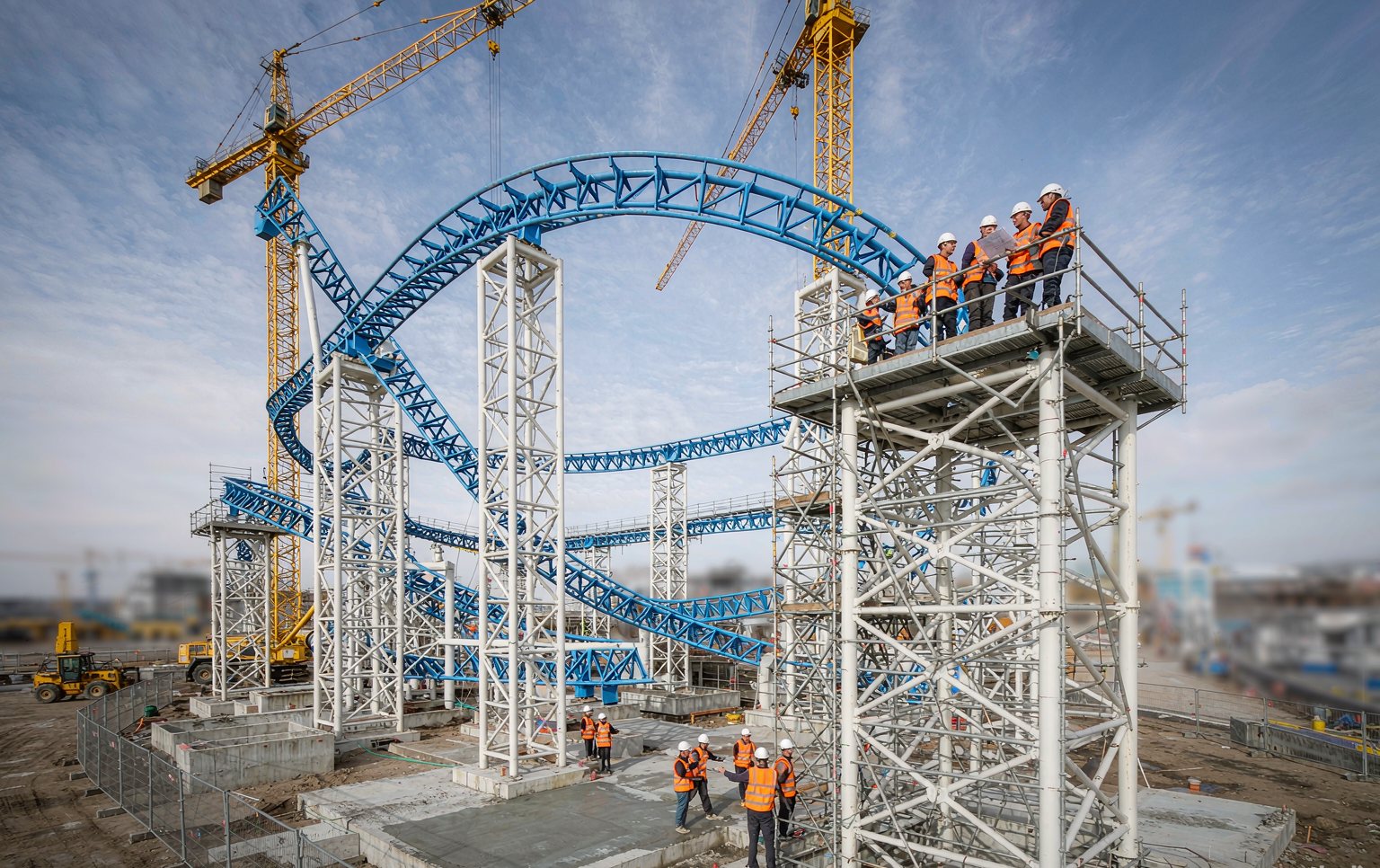
Installation, Testing, and Commissioning
Delivery is only one part of the process. A ride must be properly installed, tested, and prepared before it carries passengers.
A strong installation process should include:
- Site inspection
- Foundation or base preparation
- Structural assembly according to technical documentation
- Electrical and control system checks
- Drive and brake system testing
- Restraint and safety system verification
- Emergency stop testing
- Lighting and sound system checks
- Operator training
- Maintenance staff training
- Safety signage and guest instruction review
- Test runs before public operation
Training is especially important. Operators should understand normal procedures, emergency protocols, guest restrictions, boarding rules, weather monitoring, and incident reporting.
A well-prepared opening helps build guest confidence. Visitors notice whether an attraction feels clean, organized, safe, and professionally operated.
Maintenance and Long-Term Reliability
Maintenance determines whether a ride remains safe, attractive, and profitable over time. Funfair ride manufacturers should provide clear maintenance guidance, recommended inspection schedules, and access to spare parts.
A practical maintenance plan should include:
Daily Checks
- Visual inspection of structure, seats, restraints, and moving parts
- Emergency stop verification
- Cleaning of passenger areas
- Operator safety briefing
- Weather and wind condition review
- Queue and boarding area inspection
Weekly Checks
- Lubrication of mechanical components
- Electrical connection review
- Brake and drive system inspection
- Control system checks
- Documentation of findings
Monthly and Annual Checks
- Detailed mechanical inspection
- Professional safety audit
- Replacement of worn components
- Load and performance testing
- Operator retraining
- Compliance record review
Maintenance logs should be detailed and consistent. If the same component fails repeatedly, it may indicate a design issue, installation problem, or operational mistake that needs correction.
Appearance also matters. Faded paint, unusual sounds, loose panels, or dirty seating areas can make guests feel uneasy, even if the ride is mechanically functional.
After-Sales Support and Spare Parts
One of the most important differences between funfair ride manufacturers is the quality of after-sales support. A reliable manufacturer should provide more than a completed sale. They should also support the venue throughout the life of the attraction.
Important after-sales factors include:
- Availability of spare parts
- Technical documentation
- Remote troubleshooting support
- On-site service when needed
- Maintenance training
- Warranty terms
- Service response time
- Upgrade and modification options
- Long-term parts availability
- Clear communication channels
If spare parts are difficult to source, even a short failure can become a long shutdown. For venues that depend on weekends, holidays, school breaks, or seasonal events, downtime can be especially costly.
Before making a decision, buyers should ask specific questions about service commitments, not just product specifications.
Budgeting Beyond the Purchase Price
The purchase price is only one part of the total investment. A realistic budget should include every cost required to install, operate, and maintain the attraction over time.
Important cost factors include:
- Ride purchase price
- Shipping and import logistics
- Foundation and site preparation
- Electrical and control system installation
- Theming, lighting, and sound design
- Staff training
- Insurance and compliance documentation
- Spare parts inventory
- Routine maintenance
- Energy consumption
- Future upgrades or retheming
A lower upfront price may look attractive, but it can become more expensive if spare parts are difficult to source, maintenance requirements are high, or the manufacturer provides limited technical support.
Smart buyers evaluate total cost of ownership, not just the initial quotation. Funfair ride manufacturers should be judged by their long-term value, not only by their initial price tag.
Common Mistakes to Avoid
Avoiding common mistakes can save time, money, and operational stress.
Choosing Only by Price
The cheapest option may cost more in the long run. Maintenance, spare parts, energy use, downtime, and guest experience all affect profitability.
Ignoring Compliance Requirements
Different regions have different safety and inspection requirements. Buyers should confirm compliance before purchase, not after delivery.
Overlooking Site Conditions
An attraction that looks impressive in images may not fit the available space, power supply, wind exposure, guest flow, or environmental conditions.
Underestimating Maintenance
Some rides require frequent inspection, specialized parts, or trained technicians. If these needs are ignored, operating costs can rise quickly.
Forgetting Operator Training
Operators should understand safety rules, emergency procedures, guest restrictions, and service standards. Poor training increases risk and reduces service quality.
Choosing a Manufacturer Without After-Sales Support
Reliable spare parts, technical support, and maintenance documentation are essential. Without them, small problems can become long shutdowns.
Questions to Ask Funfair Ride Manufacturers
Before making a decision, buyers should ask clear and specific questions. The answers help reveal whether a manufacturer is truly prepared to support the project.
Useful questions include:
- What types of rides do you specialize in?
- Can you provide references from similar projects?
- Which safety standards and compliance documents apply?
- What is included in the installation process?
- How long does installation typically take?
- What training is provided for operators and maintenance staff?
- Are spare parts available locally or internationally?
- What is the recommended maintenance schedule?
- What warranty terms are included?
- How quickly can technical issues be resolved?
- Can the ride be customized for theming, capacity, or branding?
- What is the expected lifespan of major components?
These questions help move the conversation beyond marketing materials and into practical project planning.
Trends Shaping the Funfair Ride Industry
The amusement industry is evolving, and funfair ride manufacturers are responding to changing expectations from operators and guests.
Family-friendly attractions continue to grow in importance. Venues are looking for rides that appeal to multiple generations at once, especially in markets where families make the majority of attendance decisions.
Portable and modular designs are also gaining attention. Traveling operators, seasonal venues, and mixed-use developments often need rides that deliver strong visual impact without requiring long installation times.
Theming and visual identity are becoming more valuable. As guests see more entertainment options online and at home, physical venues need stronger identity. Unique attractions help a park, carnival, or event stand apart from generic competitors.
Sustainability is another growing consideration. Energy-efficient lighting, durable materials, longer equipment lifespans, and smarter maintenance planning can reduce operating costs while supporting responsible venue management.
Technology is also influencing ride design. Improved control systems, better monitoring tools, and more precise safety systems can help operators manage performance, reduce downtime, and improve the guest experience.
Building a Strong Partnership, Not Just a Purchase
The best decisions involving funfair ride manufacturers are not made as one-time purchases. They are made as long-term partnerships.
A strong partnership means the manufacturer understands the venue’s goals, audience, site conditions, safety requirements, and operational reality. It also means the buyer communicates clearly, plans realistically, and supports proper maintenance and training.
When both sides work together, the result is more than a finished attraction. It is a safer, smoother, more memorable guest experience — and a stronger foundation for the venue’s long-term success.
For amusement parks, traveling operators, family entertainment centers, resorts, festivals, shopping destinations, and new investors, the right funfair ride manufacturers do not simply supply equipment. They help turn a location into a destination where guests feel welcome, entertained, and eager to return.