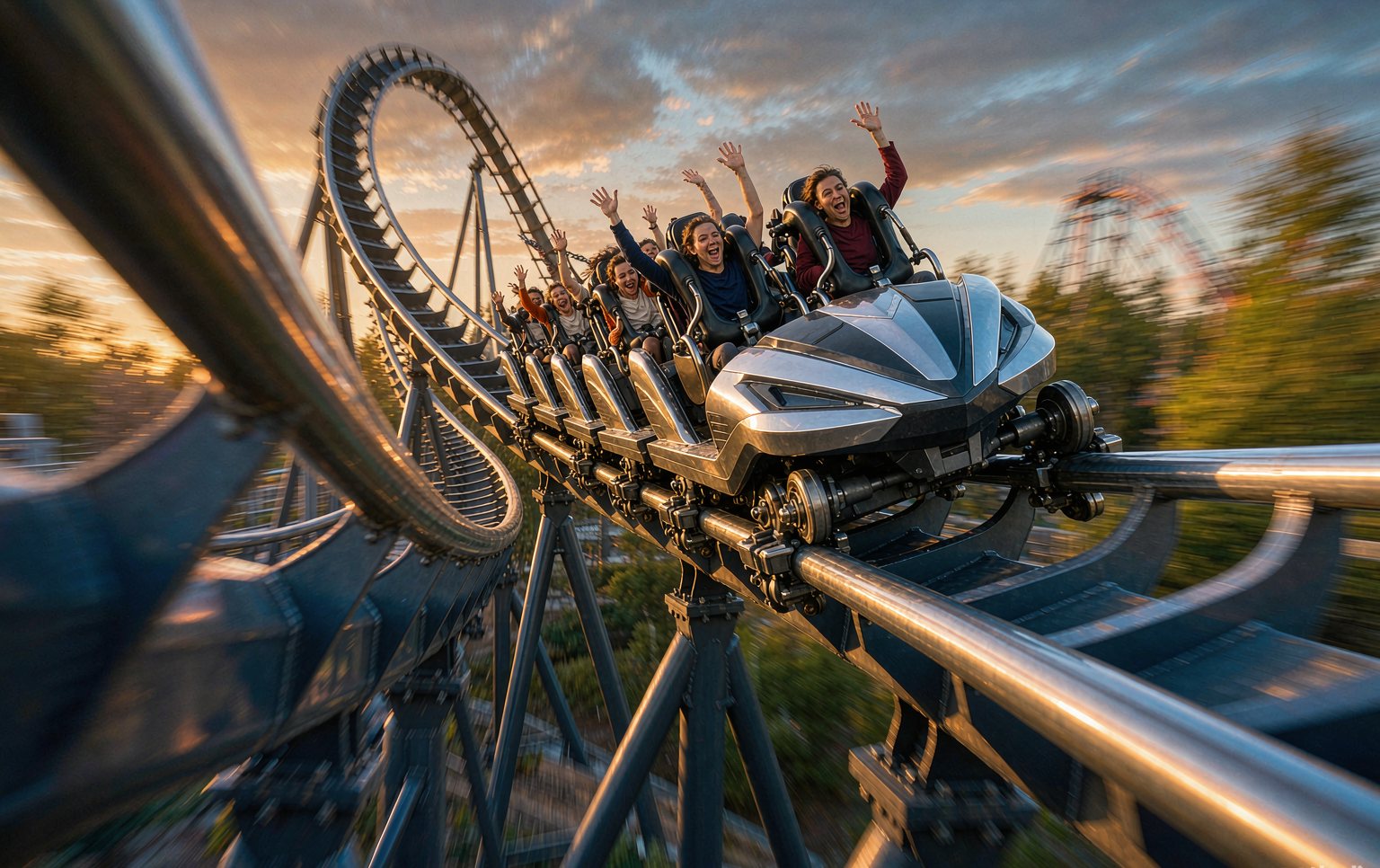
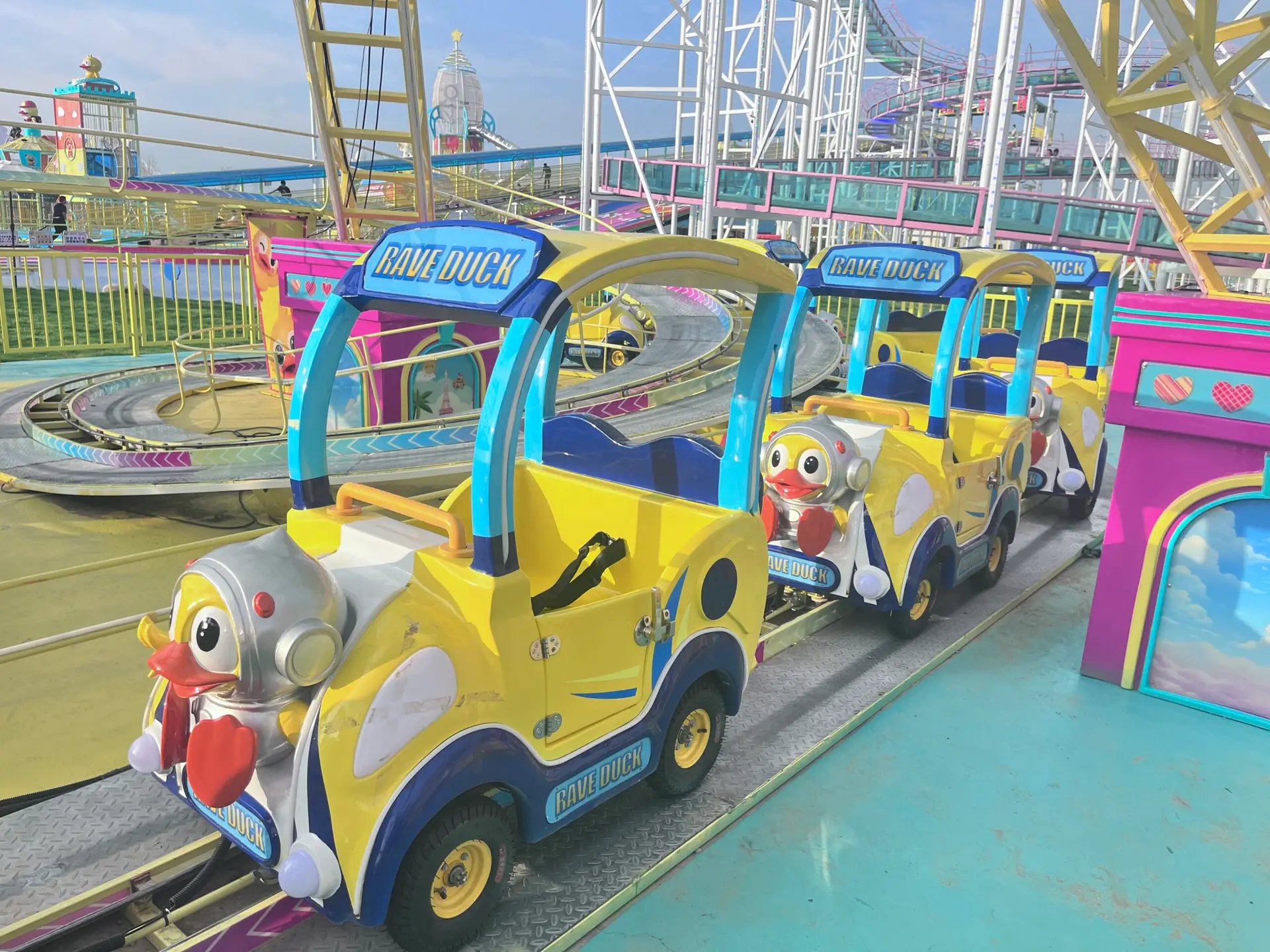
For smaller amusement parks, family entertainment centers, traveling carnivals, and emerging theme park operators, finding affordable attractions is often a top priority. Roller coasters are among the most iconic rides in any park — they draw crowds, create social media moments, and become the centerpiece of marketing campaigns. But for operators working with limited budgets, the question is not simply whether to buy a coaster, but how to find cheap roller coasters that still meet safety, performance, and guest experience standards.
The term “cheap” does not have to mean low quality. In the amusement industry, affordable roller coasters can represent smart engineering, efficient manufacturing, and practical design choices that help operators deliver exciting experiences without overspending. The key is understanding what drives cost, where savings are reasonable, and where cutting corners can create serious problems.
This article explores how buyers can evaluate cheap roller coasters, what factors affect pricing, and how to make purchasing decisions that protect both guests and long-term profitability.
Why Affordable Roller Coasters Are in Demand
The demand for affordable roller coasters has grown as smaller parks, family entertainment centers, and regional attractions look for ways to compete with larger theme parks. Not every operator has the budget for a massive steel coaster or a highly themed launch ride. Many venues need attractions that are compact, cost-effective, easy to install, and suitable for their available space and target audience.
Affordable roller coasters can help operators:
- Attract new visitors with a headline attraction
- Upgrade an aging park with a modern ride
- Expand a family entertainment center into a larger destination
- Add variety to a traveling carnival or seasonal park
- Create a strong marketing identity without excessive capital expenditure
- Offer a thrill experience that appeals to teenagers and young adults
For operators, the goal is to find cheap roller coasters that still feel exciting, look professional, operate reliably, and meet all applicable safety requirements.
Types of Affordable Roller Coasters
Not all roller coasters are the same, and affordable options come in several forms. The right choice depends on the venue, available space, target audience, budget, and the type of experience the operator wants to create.
Family Coasters
Family coasters are designed for a broad audience, including children, parents, and casual visitors. They usually offer moderate speeds, gentle forces, and accessible boarding. These rides are popular in family parks, regional attractions, and entertainment centers that want a coaster without extreme intensity.
Junior Coasters
Junior coasters are smaller, slower, and designed for younger riders. They are often used in children’s areas, family entertainment centers, and smaller parks. These rides help create an entry-level thrill experience while maintaining strong safety margins.
Compact Steel Coasters
Compact steel coasters are a practical choice for venues with limited space. They can deliver a meaningful coaster experience without requiring a massive footprint. Many operators choose this type because it balances visual impact, ride quality, and cost.
Portable and Traveling Coasters
Traveling operators and seasonal parks often need rides that can be transported, installed, and dismantled relatively quickly. Portable roller coasters are designed for mobility and repeated setup. They are common in carnivals, fairs, and temporary events.
Themed Coasters
Some affordable roller coasters can be enhanced with basic theming elements such as color schemes, lighting, sound effects, station design, and visual storytelling. While full-scale themed coasters can be expensive, lighter theming packages can help a budget-friendly ride feel more immersive.
Choosing the right type of cheap roller coasters depends on the venue’s goals. A traveling carnival may prioritize portability, while a permanent family park may value capacity, theming, and long-term durability.
What Determines the Price of a Roller Coaster
Understanding cost drivers helps buyers make smarter decisions. A roller coaster is not priced simply by its size. Many technical, logistical, and operational factors influence the final investment.
Design and Engineering
The complexity of the track layout, support structure, train design, and control systems all affect cost. A simple layout with fewer elements will generally cost less than a highly complex design with inversions, launches, or custom track geometry.
Materials and Manufacturing
Steel, fiberglass, electrical components, braking systems, and restraint systems all contribute to the total cost. Material quality affects durability, maintenance needs, and guest comfort.
Track Length and Height
Longer tracks and taller structures require more materials, engineering, and installation effort. However, a shorter well-designed coaster can still create a strong guest experience.
Train Capacity
The number of passengers per train and the number of trains affect capacity and cost. Higher-capacity systems may cost more upfront but can generate better revenue during busy periods.
Control and Safety Systems
Modern control systems, sensors, braking systems, and restraint mechanisms are essential. These should never be treated as optional cost-cutting areas.
Shipping and Logistics
International shipping, import duties, transportation, and site delivery can represent a significant portion of the total cost. Buyers should confirm logistics details before finalizing a purchase.
Installation and Site Preparation
Foundation work, electrical connections, structural assembly, and commissioning all require time and resources. A low purchase price may become less attractive if installation costs are unexpectedly high.
Theming and Customization
Custom paint, lighting, sound, signage, and themed elements add cost. However, even simple visual upgrades can improve guest perception and marketing appeal.
Safety and Compliance Should Never Be Compromised
When searching for cheap roller coasters, safety must remain the highest priority. A roller coaster is a dynamic mechanical attraction, and its safe operation depends on proper engineering, manufacturing quality, installation, testing, maintenance, and trained operation.
Important safety considerations include:
- Structural integrity and load testing
- Restraint systems and passenger protection
- Emergency stop functions
- Braking system reliability
- Electrical safety and control system performance
- Operator training and supervision procedures
- Height, weight, and health restrictions
- Queue safety and crowd management
- Routine inspection requirements
- Weather monitoring and shutdown procedures
- Clear technical documentation
Compliance requirements vary by country, state, and local jurisdiction. Buyers should confirm which standards apply to their location and ensure that suppliers can provide the necessary documentation.
An affordable roller coaster should never mean an unsafe roller coaster. The lowest-priced option may become the most expensive if it leads to compliance problems, operational downtime, guest injuries, or reputational damage.
Evaluating Build Quality and Engineering Standards
A roller coaster may look impressive in renderings or promotional images, but its real value depends on engineering quality and build reliability. Buyers should evaluate more than appearance.
When reviewing cheap roller coasters, important quality factors include:
- The strength and consistency of the track structure
- The durability of trains, wheels, and restraint systems
- The smoothness of ride motion
- The reliability of control and braking systems
- The quality of welding, finishing, and corrosion protection
- The clarity of technical documentation
- The availability of spare parts
- The manufacturer’s experience with similar attractions
- The quality of previous installations
- The strength of quality control during production
Build quality affects guest comfort, noise levels, maintenance frequency, operating costs, and the overall perception of the park. A ride that feels smooth, solid, and well maintained helps guests feel confident. A ride that feels poorly finished or unreliable can damage trust, even if it is visually attractive.
Matching Roller Coasters to Venue Type
Different venues have different needs. A roller coaster that works well for a large theme park may not be suitable for a small family entertainment center, and a traveling coaster may not be the best choice for a permanent installation.
Small Amusement Parks
Small parks often benefit from compact coasters that create a strong visual identity without requiring excessive space. Capacity, reliability, and maintenance simplicity are important.
Family Entertainment Centers
Family entertainment centers may prefer junior coasters or smaller family coasters that appeal to children and parents. Safety, visibility, and ease of supervision are especially important.
Traveling Carnivals and Seasonal Parks
Mobile operators need attractions that can be transported, assembled, and dismantled efficiently. Setup time, structural reliability, and maintenance simplicity often matter more than complex customization.
Regional Theme Parks
Regional parks may look for mid-range coasters that serve as anchor attractions. These venues often value capacity, theming potential, and long-term durability.
Resort and Tourism Projects
Resorts may benefit from family-friendly coasters that match a relaxed atmosphere while still creating memorable moments. Visual appeal, comfort, and broad audience appeal are important.
Choosing cheap roller coasters that match the venue type helps reduce costly mistakes later in the project.
Capacity, Layout, and Guest Flow
One of the most practical factors in roller coaster selection is capacity. Capacity determines how many guests can experience the attraction per hour. If a ride has low capacity and high demand, queues grow quickly, and guest satisfaction may decline.
Buyers should consider:
- How many passengers can ride at once
- How long each cycle takes
- How quickly guests can board and exit
- Whether the queue area is comfortable and safe
- Whether staff can manage flow during peak times
- Whether the attraction creates bottlenecks near food, retail, or exit areas
- Whether the layout supports smooth guest circulation
A balanced park usually needs more than one type of attraction. A mix of high-capacity rides, medium-capacity experiences, and smaller family attractions often works better than relying on a single headline coaster.
Theming and Guest Experience
Theming helps roller coasters feel connected to the park’s identity. Even a simple coaster can become more memorable when it is supported by color, lighting, music, station design, and visual storytelling.
Good theming can include:
- Custom train colors
- Queue decoration
- Station design
- Lighting and sound effects
- Signage and naming
- Photo and video opportunities
- Seasonal updates
- Story-based visual elements
Theming also helps guests understand what to expect. A jungle-themed coaster suggests adventure. A futuristic design suggests speed and technology. A colorful family coaster suggests accessibility and fun.
When suppliers can support theming, or work smoothly with theming teams, the final attraction is more likely to feel intentional, immersive, and shareable.
Installation, Training, and Opening Preparation
Delivery is only one part of the process. Installation, testing, training, and opening preparation are equally important.
A strong installation process should include:
- Site and foundation verification
- Structural and mechanical checks
- Electrical and control system testing
- Restraint and safety system verification
- Emergency stop testing
- Ride cycle testing
- Operator training
- Maintenance staff training
- Safety signage and guest instruction review
- Final inspection before public opening
Training is especially important. Operators should understand normal procedures, emergency protocols, guest restrictions, incident reporting, and service standards. Poor training can increase risk and reduce service quality.
A well-prepared opening helps build guest confidence. Visitors may not see every technical detail, but they notice whether an attraction feels organized, clean, safe, and professionally operated.
Maintenance and Long-Term Reliability
Maintenance determines whether a roller coaster remains safe, reliable, and profitable over time. A strong maintenance program reduces downtime, extends equipment life, and protects guest trust.
A practical maintenance plan should include:
Daily Checks
- Visual inspection of track, trains, wheels, and restraints
- Emergency stop verification
- Cleaning of passenger areas
- Operator safety briefing
- Weather condition review
- Queue and boarding area inspection
Weekly Checks
- Lubrication of mechanical components
- Electrical connection review
- Brake and drive system inspection
- Control system checks
- Documentation of findings
Monthly and Annual Checks
- Detailed mechanical inspection
- Professional safety audit
- Replacement of worn components
- Load and performance testing
- Operator retraining
- Compliance record review
Maintenance logs should be detailed and consistent. If the same component fails repeatedly, it may indicate a design issue, installation problem, or operational mistake that needs correction.
Appearance also matters. Faded paint, unusual sounds, loose panels, or dirty seating areas can make guests feel uneasy, even if the ride is mechanically sound.
After-Sales Support and Spare Parts
One of the most important differences between suppliers is the quality of after-sales support. A reliable manufacturer should provide more than a completed installation. They should also support the venue throughout the life of the attraction.
Important after-sales factors include:
- Availability of spare parts
- Technical documentation
- Remote troubleshooting support
- On-site service when needed
- Maintenance training
- Warranty terms
- Service response time
- Upgrade and modification options
- Long-term parts availability
- Clear communication channels
If spare parts are difficult to source, even a short failure can become a long shutdown. For venues that depend on seasonal events, holidays, or peak-period revenue, downtime can be especially costly.
Before making a decision, buyers should ask specific questions about service commitments, not just product specifications.
Budgeting Beyond the Purchase Price
The purchase price is only one part of the total investment. A realistic budget should include every cost required to install, operate, and maintain the attraction over time.
Important cost factors include:
- Roller coaster design and manufacturing
- Shipping and import logistics
- Foundation and site preparation
- Electrical and control system installation
- Theming, lighting, and sound design
- Staff training
- Insurance and compliance documentation
- Spare parts inventory
- Routine maintenance
- Energy consumption
- Future upgrades or retheming
A lower upfront price may look attractive, but it can become more expensive if spare parts are difficult to source, maintenance requirements are high, or the manufacturer provides limited technical support.
Smart buyers evaluate total cost of ownership, not just the initial quotation.
Common Mistakes to Avoid
Avoiding common mistakes can save time, money, and operational stress.
Choosing Only by Price
The cheapest option may cost more in the long run. Maintenance, spare parts, energy use, downtime, and guest experience all affect profitability.
Ignoring Site Conditions
An attraction that looks impressive on paper may not fit the available space, power supply, guest flow, or environmental conditions.
Underestimating Maintenance
Some roller coasters require frequent inspection, specialized parts, or trained technicians. If these needs are ignored, operating costs can rise quickly.
Overlooking Operator Training
Operators should understand safety rules, emergency procedures, guest restrictions, and service standards. Poor training increases risk and reduces service quality.
Forgetting the Guest Experience
An attraction may be exciting but uncomfortable, confusing, or difficult to access. Boarding ease, visibility, seating comfort, queue flow, and accessibility should all be considered.
Choosing a Supplier Without After-Sales Support
Reliable spare parts, technical support, and maintenance documentation are essential. Without them, small problems can become long shutdowns.
Questions to Ask Suppliers
Before making a decision, buyers should ask clear and specific questions. The answers help reveal whether a supplier is truly prepared to support the project.
Useful questions include:
- What types of roller coasters do you specialize in?
- Can you provide references from similar projects?
- Which safety standards and compliance documents apply?
- What is included in the installation process?
- How long does installation typically take?
- What training is provided for operators and maintenance staff?
- Are spare parts available locally or internationally?
- What is the recommended maintenance schedule?
- What warranty terms are included?
- How quickly can technical issues be resolved?
- Can the coaster be customized for theming or capacity?
- What is the expected lifespan of major components?
These questions help move the conversation beyond marketing materials and into practical project planning.
Trends Shaping the Affordable Roller Coaster Market
The amusement industry is evolving, and affordable roller coasters are becoming more sophisticated. Operators are no longer limited to basic mechanical rides. Modern compact coasters can offer improved guest experiences, better control systems, and stronger visual appeal.
Interactive elements are becoming more common. Some attractions combine coaster movement with lighting, sound, scoring, or digital effects to create stronger engagement.
Compact and modular designs are also gaining attention. Smaller venues, pop-up events, and mixed-use developments often need rides that deliver strong visual impact without requiring massive footprints.
Sustainability is another growing consideration. Energy-efficient lighting, durable materials, longer equipment lifespans, and smarter maintenance planning can reduce operating costs while supporting responsible venue management.
Custom theming is also becoming more valuable. As guests see more entertainment options online and at home, physical venues need stronger identity. Unique attractions help a park stand apart from generic competitors.
Building a Strong Partnership, Not Just a Purchase
The best decisions involving cheap roller coasters are not made as one-time purchases. They are made as long-term partnerships.
A strong partnership means the supplier understands the venue’s goals, audience, site conditions, safety requirements, and operational reality. It also means the buyer communicates clearly, plans realistically, and supports proper maintenance and training.
When both sides work together, the result is more than a finished attraction. It is a safer, smoother, more memorable guest experience — and a stronger foundation for the venue’s long-term success.
For parks, developers, investors, and operators, the right affordable roller coasters do not simply supply thrills. They help turn a project into a destination where guests feel excited, safe, welcomed, and eager to return.