Amusement equipment is more than a collection of rides, play structures, and mechanical attractions. It is one of the strongest ways an entertainment venue communicates its identity, creates emotional moments, and gives guests a reason to return.
From a small family entertainment center to a large theme park, every piece of amusement equipment shapes how visitors feel, move, spend time, and share their experience. A well-chosen attraction can become the highlight of a visit. A poorly planned one can create bottlenecks, safety concerns, maintenance burdens, and missed revenue opportunities.
The most successful venues do not treat amusement equipment as a simple purchase. They treat it as part of a larger guest experience strategy — one that connects safety, design, operations, theming, capacity, and long-term value.
Why Amusement Equipment Shapes More Than Just a Ride
When guests visit a park, fair, carnival, resort, or entertainment center, they rarely remember every detail of their day. They remember moments: the first view of a colorful ride, the excitement before a drop, the laughter on a family attraction, the satisfaction of finishing an interactive game, or the photo they take before leaving.
Amusement equipment creates those moments. It gives a venue physical presence, energy, and personality. It also influences practical outcomes such as:
- How long guests stay
- How much they spend on food, retail, games, and upgrades
- Whether families feel comfortable returning
- Whether teens and adults find the venue exciting
- Whether visitors share photos, videos, or reviews online
- Whether the venue feels fresh during seasonal events
A strong amusement equipment mix supports all of these goals. A weak mix can make even a large venue feel forgettable.
Matching Amusement Equipment to Your Venue Identity
Not every ride belongs in every venue. The best amusement equipment choices reflect the identity of the space and the expectations of its guests.
A family entertainment center should feel welcoming, accessible, and easy to enjoy for mixed age groups. Its amusement equipment often includes gentle rides, interactive games, soft play areas, and attractions that allow parents and children to participate together.
A theme park may focus more on storytelling, visual impact, and emotional intensity. In that environment, amusement equipment becomes part of a narrative. A ride is not just a machine; it is a chapter in a larger experience.
A fair or carnival setup needs flexibility. Mobile amusement equipment should be easy to transport, install, inspect, and operate across different locations. Durability and setup speed matter as much as visual appeal.
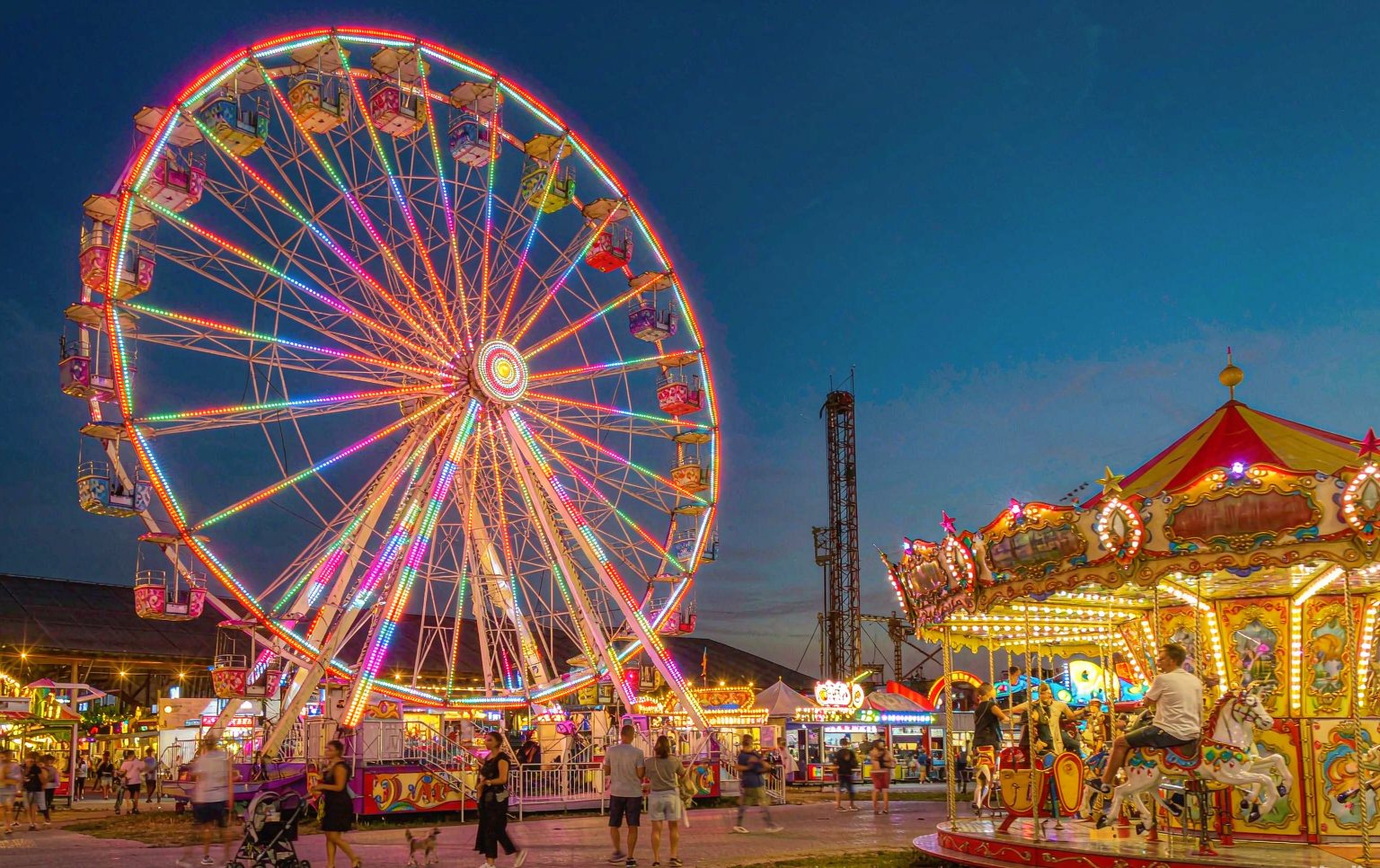
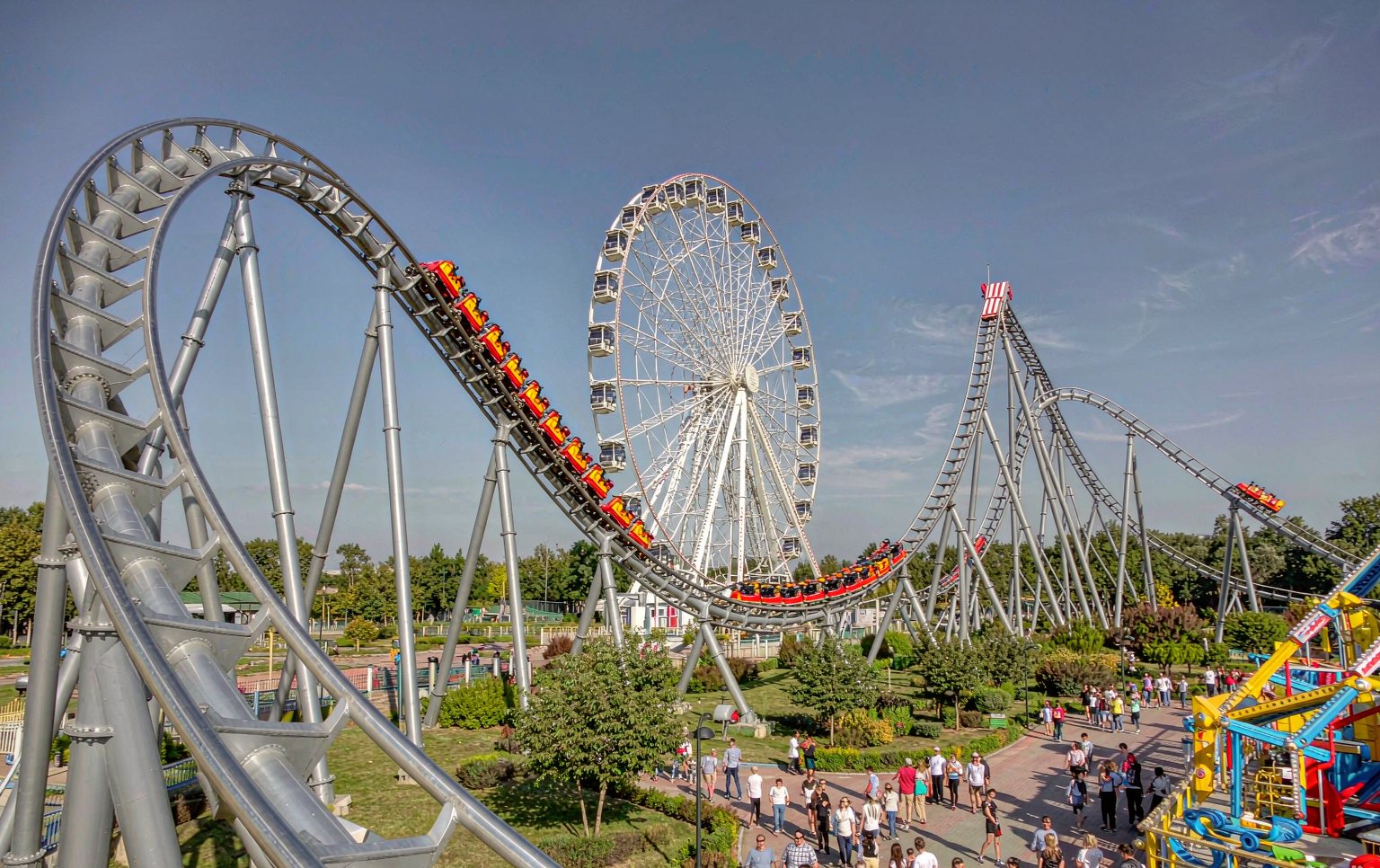
A resort or waterfront venue may benefit from observation rides, Ferris wheels, or slower-paced attractions that match a relaxed atmosphere while still creating memorable views and photo opportunities.
Understanding your venue identity helps avoid one of the most common mistakes: choosing rides based only on popularity, without considering whether they fit the environment, audience, or brand.
Designing for Different Guest Types
A strong entertainment venue usually serves more than one type of guest. Children, teenagers, parents, grandparents, tourists, local visitors, and thrill seekers all arrive with different expectations. Amusement equipment should reflect that diversity.
Young Children
For young children, amusement equipment should feel safe, colorful, and easy to understand. Gentle motion, clear sightlines, simple boarding, and friendly themes help children feel confident rather than overwhelmed.
Families
Family-focused amusement equipment encourages shared experiences. Rides that allow parents and children to enjoy together create stronger emotional value than attractions that only appeal to one age group.
Teens and Thrill Seekers
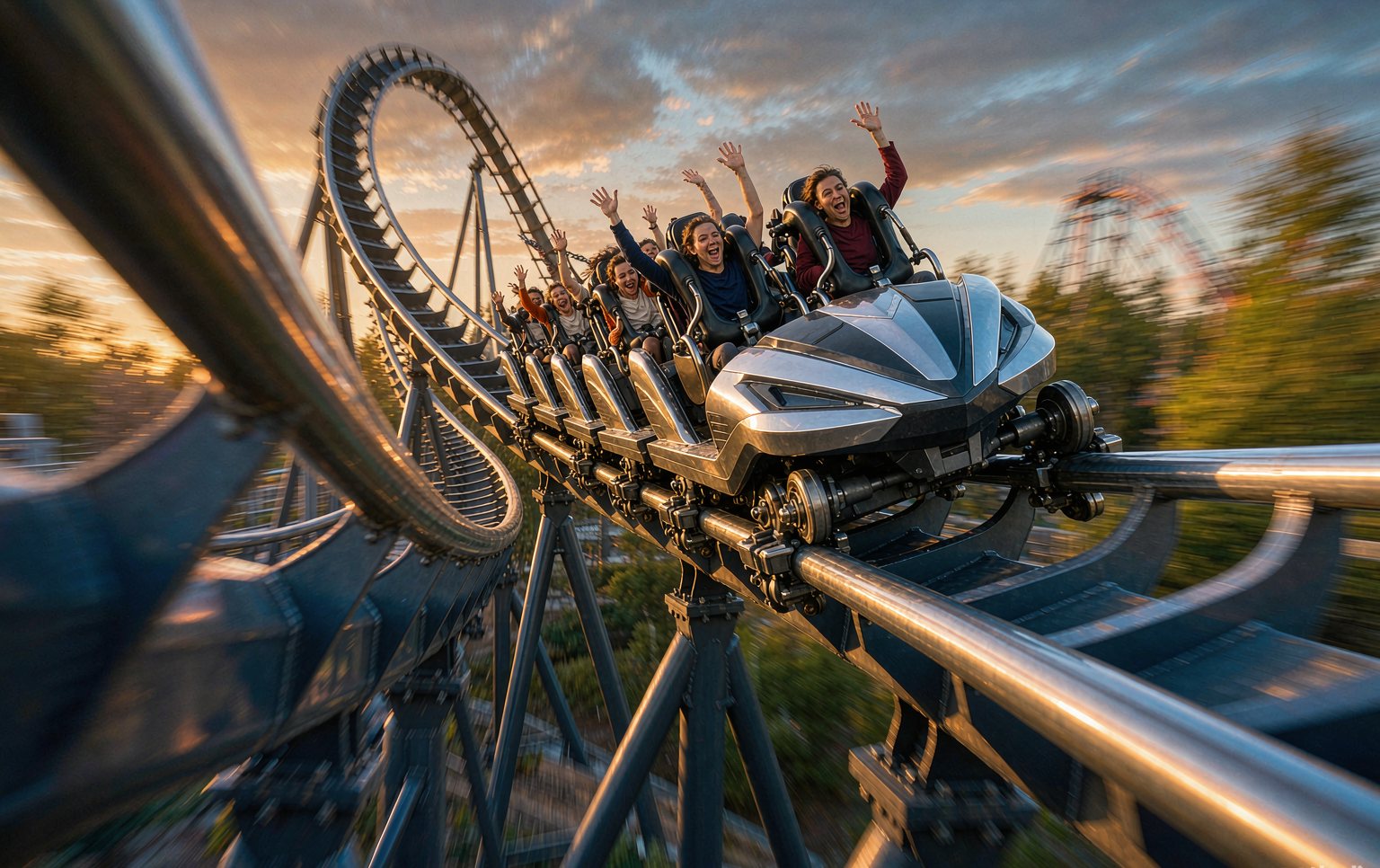
Older guests often look for intensity, speed, height, or interactive challenge. Thrill-oriented amusement equipment can become a marketing anchor, especially when it creates strong visual moments and social media appeal.
Casual Visitors
Not every guest wants extreme excitement. Many visitors prefer lighter experiences such as carousels, observation rides, interactive games, or playful walk-through attractions. These options help balance the day and reduce pressure on high-demand rides.
By designing for different guest types, venues can spread demand, reduce long waits, and create a more balanced experience.
Capacity and Flow: The Hidden Side of Amusement Equipment
Many buyers focus on how a ride looks or how exciting it feels. But one of the most important operational factors is capacity.
Capacity determines how many guests can experience an attraction per hour. If a ride has low capacity and high demand, queues grow quickly. Long waits can reduce guest satisfaction, even if the ride itself is excellent.
When planning amusement equipment, consider:
- How many guests can ride at once
- How long each cycle takes
- How quickly guests can board and exit
- Whether the queue area feels comfortable
- Whether staff can manage flow during peak times
- Whether the ride creates bottlenecks near food, retail, or exit areas
A high-capacity ride may not always be the most thrilling, but it can improve overall guest flow. A balanced mix of high-capacity attractions, medium-capacity experiences, and smaller interactive options often works better than relying on one or two headline rides.
Theming: Turning Rides into Memorable Moments
Theming is one of the most powerful ways to make amusement equipment feel special. A generic ride can become memorable when it is connected to a story, color palette, music, environment, or character concept.
Theming also helps guests understand what to expect. A jungle train suggests adventure. A candy-colored carousel suggests family fun. A futuristic spinner suggests energy and excitement. These visual cues help guests choose experiences that match their mood.
Good theming does not always require expensive custom fabrication. It can include:
- Color coordination
- Lighting design
- Music and sound effects
- Queue decoration
- Signage and naming
- Photo opportunities
- Seasonal updates
- Simple environmental details
The goal is to make amusement equipment feel intentional, not randomly placed. When rides feel connected to the venue, guests perceive higher value.
Safety as Part of the Guest Experience
Safety is not separate from guest experience. It is part of it. Guests may not notice every inspection, restraint check, or maintenance log, but they notice confidence.
When staff communicate rules clearly, operate equipment calmly, and keep ride areas clean and organized, guests feel reassured. When queues are well managed, barriers are secure, and signage is visible, the entire experience feels more professional.
Strong safety culture includes:
- Clear height, weight, and health restrictions
- Visible safety instructions
- Trained operators
- Routine inspections
- Emergency procedures
- Weather monitoring
- Clean and well-maintained guest areas
- Consistent enforcement of rules
Safety should never be treated as a checklist completed only before opening day. It is an ongoing operational habit. Venues that maintain strong safety standards often earn greater guest trust, and trust supports repeat visits.
Maintenance and Long-Term Reliability
Amusement equipment performs best when it is maintained consistently. Maintenance affects safety, appearance, noise levels, ride smoothness, operating costs, and guest confidence.
A good maintenance approach includes daily visual checks, weekly mechanical and electrical reviews, monthly inspections, and annual professional assessments. Records should be detailed and easy to review.
Maintenance also affects perception. A ride with faded paint, loose panels, unusual sounds, or dirty seating areas can feel unsafe, even if it is mechanically sound. Appearance and reliability work together.
Venues should also plan for spare parts availability. If a critical component is difficult to replace, even a short failure can become a long shutdown. Reliable after-sales support is especially important for venues that depend on seasonal events or peak-period revenue.
Choosing Amusement Equipment for Profitability
Profitability is not only about ticket sales. It is about how well an attraction supports the broader business model.
Amusement equipment can increase profitability by:
- Encouraging longer visits
- Supporting premium ticket packages
- Creating photo and social media moments
- Attracting repeat guests
- Supporting group events and birthday parties
- Increasing food and retail spending nearby
- Making seasonal promotions more attractive
- Improving the perceived value of the venue
However, profitability also depends on operating costs. Energy use, maintenance frequency, staffing needs, insurance, spare parts, and replacement cycles all affect long-term value.
The best amusement equipment decisions balance excitement with efficiency. A ride should not only attract guests; it should also operate reliably within the venue’s budget and staffing capacity.
Trends Changing How Amusement Equipment Is Used
The entertainment industry is evolving, and amusement equipment is evolving with it.
Interactive experiences are becoming more important. Guests increasingly expect participation, not just observation. Attractions that combine movement, scoring, lights, sound, or digital effects can create stronger engagement.
Family entertainment centers continue to grow because they serve multiple age groups in one location. These venues benefit from amusement equipment that is accessible, repeatable, and easy to supervise.
Compact and modular attractions are also gaining attention. Smaller venues, pop-up events, and mixed-use developments often need rides that deliver strong visual impact without requiring massive footprints.
Sustainability is another growing consideration. Energy-efficient lighting, durable materials, longer equipment lifespans, and smarter maintenance planning can reduce operating costs while supporting responsible venue management.
Custom theming is also becoming more valuable. As guests see more entertainment options online and at home, physical venues need stronger identity. Unique amusement equipment helps a venue stand apart from generic competitors.
Building a Balanced Attraction Mix
One of the most effective strategies is to build a balanced amusement equipment mix rather than focusing only on the most exciting ride.
A balanced mix might include:
- One or two headline attractions that create strong visual identity
- Several family-friendly rides that appeal to mixed age groups
- Interactive or repeatable experiences that encourage multiple uses
- Gentle attractions for younger children
- Comfortable observation or slower-paced options
- Seasonal or flexible attractions for events and promotions
This approach helps manage crowd flow, reduces pressure on popular rides, and gives different guest types something meaningful to do. It also makes the venue feel fuller and more dynamic throughout the day.
The Real Value of Amusement Equipment
Amusement equipment is often judged by its size, speed, color, or price. But its real value is measured by the experience it creates.
The best attractions do more than move guests through space. They create laughter, anticipation, pride, comfort, surprise, and connection. They give families a shared memory. They give teenagers a story to tell. They give venues a reason to exist beyond ordinary retail or dining.
When amusement equipment is chosen with care, supported by strong safety practices, maintained consistently, and connected to a clear guest experience strategy, it becomes one of the most valuable assets an entertainment venue can own.
The goal is not simply to install rides. The goal is to build an environment where guests feel excited, safe, welcomed, and eager to return.