Introduction
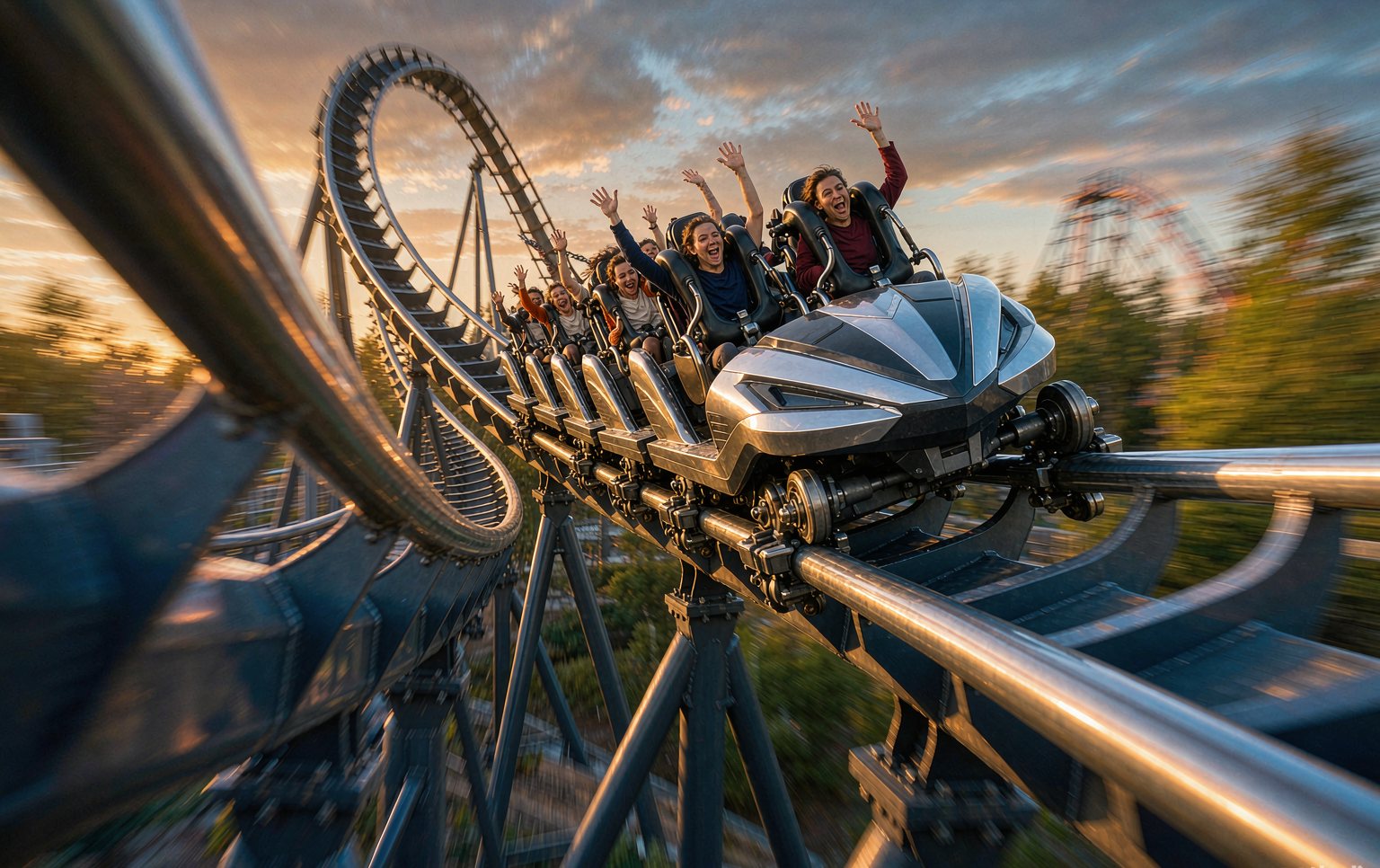
In an increasingly competitive entertainment industry, standard off-the-shelf rides are no longer enough to capture visitors’ attention. Parks and entertainment venues are turning to custom-designed attractions that tell unique stories, fit unusual spaces, and create experiences that cannot be found anywhere else. If you are searching for a custom amusement ride manufacturer, this guide will help you understand the process, identify the right partner, and bring your vision to life.
Custom ride manufacturing combines engineering expertise with creative design to produce one-of-a-kind attractions. From concept sketches to fully operational rides, the process requires close collaboration between you and your manufacturing partner.
Why Choose Custom Rides
Custom rides offer several compelling advantages. First, they allow you to create a distinctive identity for your park. A unique ride becomes a signature attraction that sets your venue apart from competitors and generates organic marketing through social media sharing and word-of-mouth.
Second, custom rides can be designed to fit specific spatial constraints. Whether your site has unusual dimensions, low ceiling heights, irregular terrain, or other challenges, a skilled custom amusement ride manufacturer can engineer a solution that maximizes your available space.
Third, custom rides can be integrated with your existing theming and branding. Every element, from the ride vehicle design to the queue area, can reflect your park’s story and visual identity, creating a cohesive and immersive guest experience.
The Custom Manufacturing Process
Working with a custom amusement ride manufacturer typically follows several key phases. The process begins with concept development, where you and the manufacturer discuss your vision, target audience, budget, and spatial requirements. The manufacturer’s design team then creates preliminary sketches and 3D renderings for your review.
Once the concept is approved, detailed engineering begins. This phase includes structural calculations, mechanical design, electrical system planning, and safety analysis. The manufacturer should provide you with comprehensive documentation at each stage.
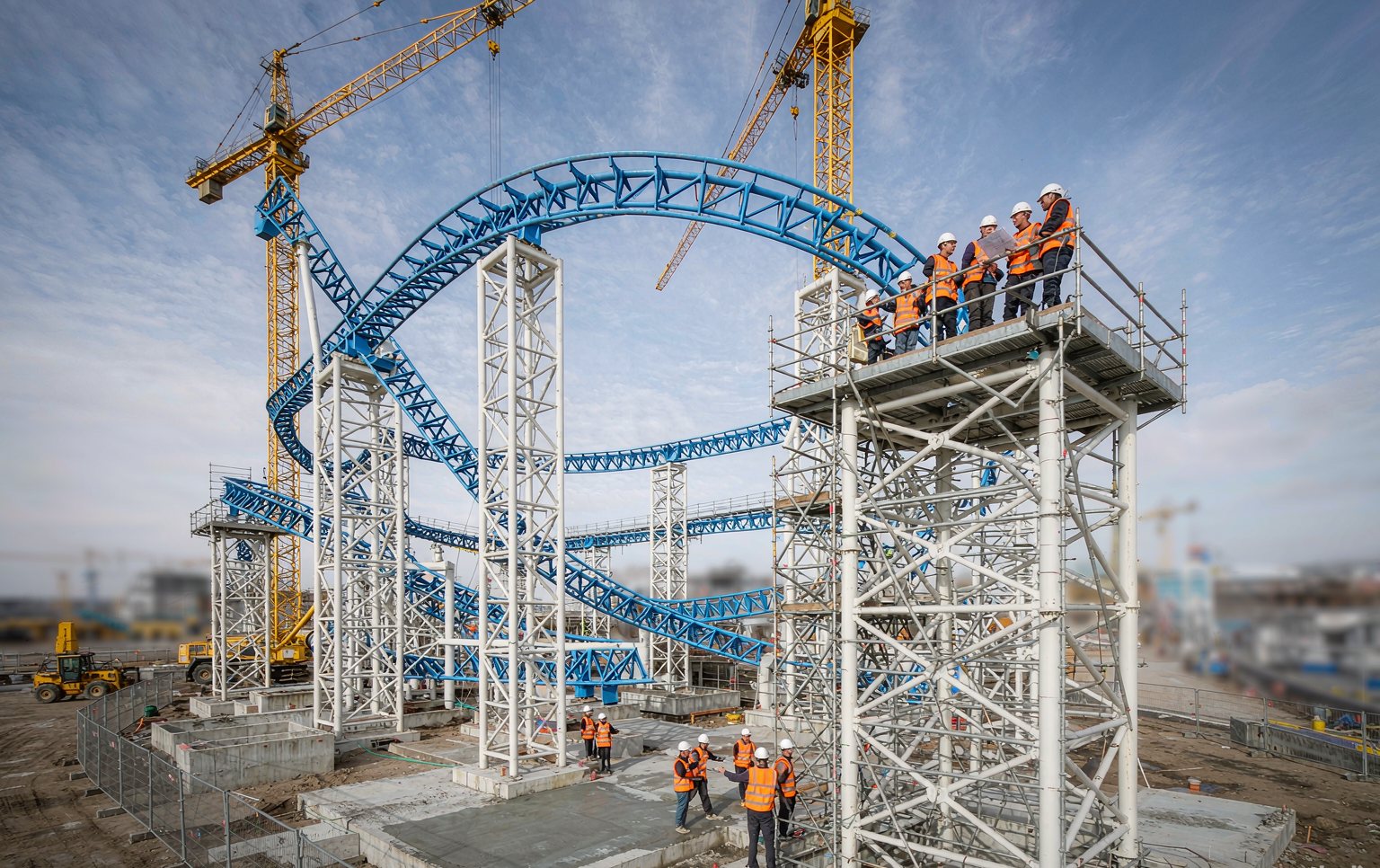
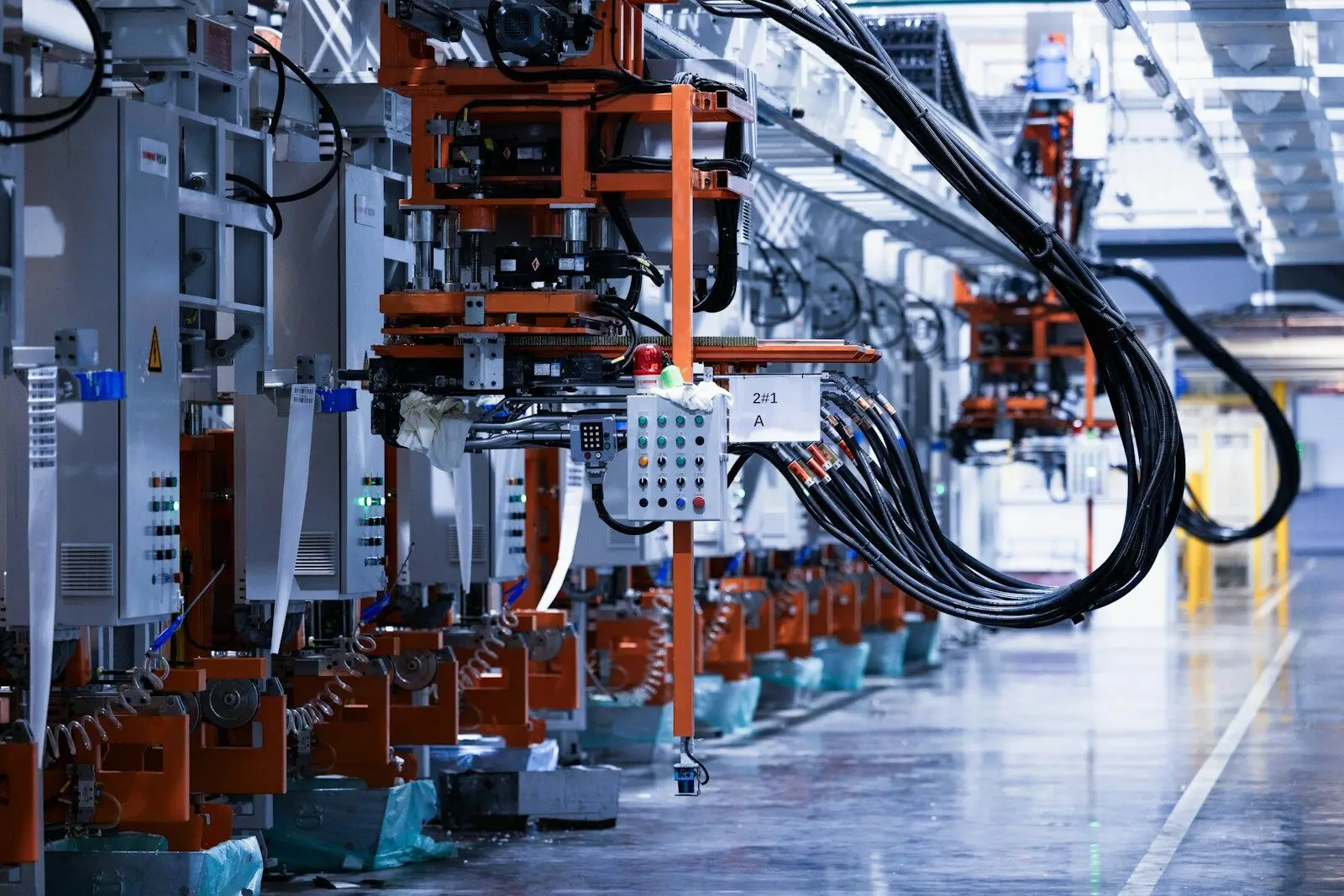
Production follows, with the manufacturer fabricating components in their facility. Quality control checks are performed throughout production