The alpine coaster, or mountain coaster, has become a premier attraction for ski resorts and mountain destinations during the summer months. Unlike traditional roller coasters that rely on gravity and lift hills, these rides utilize the natural terrain of a mountain slope to generate speed and excitement. The industry is supported by a specialized group of mountain coaster manufacturers who engineer these systems to withstand harsh weather conditions while providing a safe and thrilling experience.
The engineering behind a mountain coaster is distinct from standard amusement rides. The track must follow the contours of the mountain, requiring flexible steel rails that can handle significant temperature fluctuations and snow loads. The cars are equipped with centrifugal braking systems, which automatically slow the car down if it enters a curve too fast, preventing derailment. This passive safety system is crucial, as it removes the reliance on the rider to control speed in dangerous sections, although riders usually have a manual brake to slow down or stop completely if desired.
Several key players dominate the global market for mountain coaster manufacturers. Wiegand Maelzer GmbH, based in Germany, is widely recognized as a pioneer in the field. They developed the first alpine coaster in the 1970s and continue to set industry standards. Their “Alpine Coaster” product line is found in resorts across Europe, North America, and Asia. Another major competitor is Sunkid Spielplatzgeräte GmbH, also from Austria, which offers a range of mountain coasters known for their durability and innovative track designs.
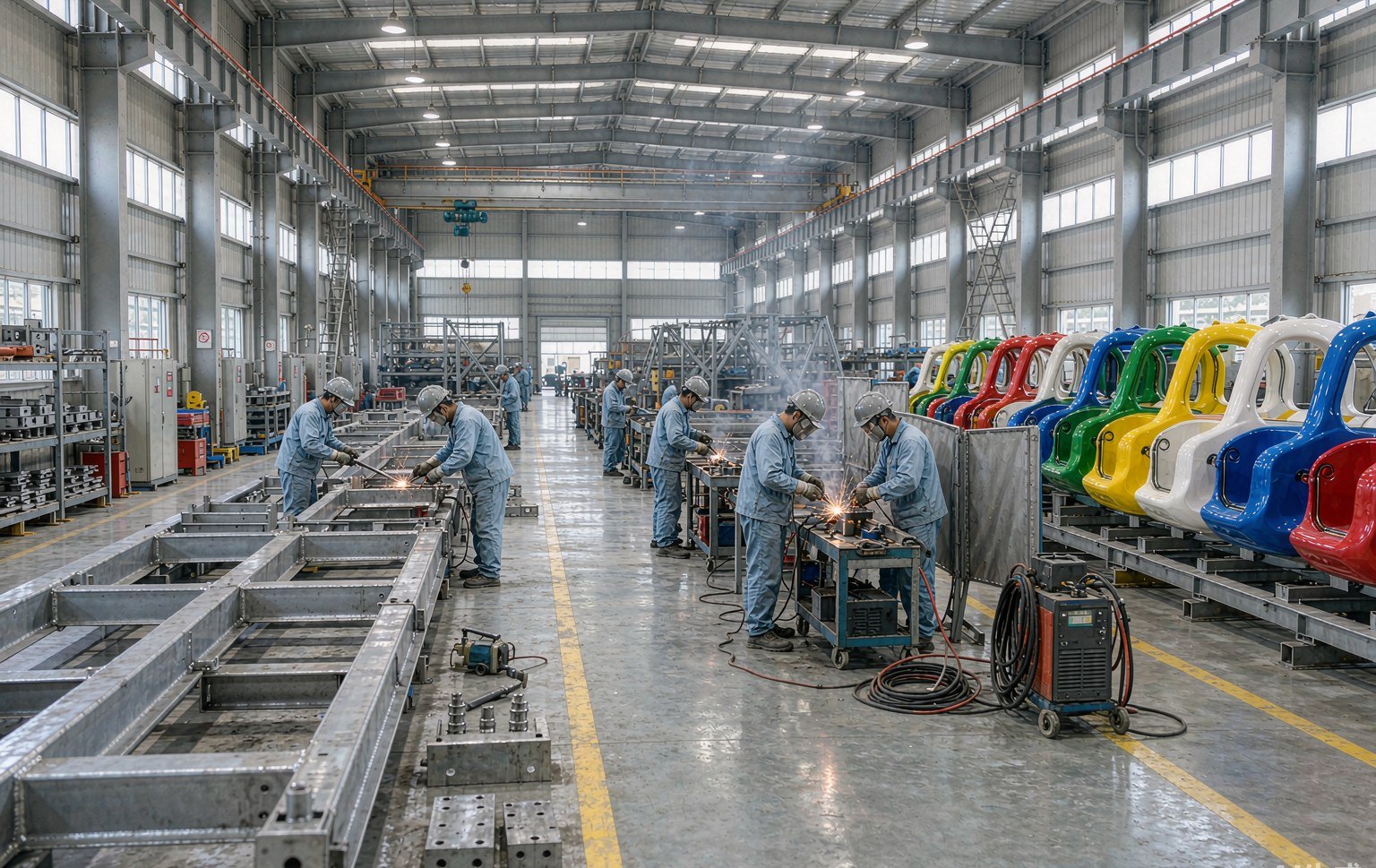
In North America, companies like Mountain Coaster Constructors (MCC) have played a significant role in popularizing the ride. They often work closely with resorts to design custom tracks that maximize the natural topography, creating long, winding descents that offer scenic views alongside the thrill. The manufacturing process involves high-grade galvanized steel to resist rust and heavy-duty wheels made from specialized polymers that grip the rail even in wet or icy conditions.
The business case for installing a mountain coaster is compelling for resort operators. It extends the tourist season into the summer and fall, providing an activity that appeals to all ages. The operational costs are relatively low compared to lift-served activities, as the ride runs on gravity. However, the initial capital investment is significant, and choosing the right manufacturer is critical. Operators must consider factors such as track length, elevation drop, maintenance requirements, and the manufacturer’s reputation for safety and support. As the demand for outdoor adventure tourism grows, mountain coaster manufacturers continue to innovate, creating longer, faster, and more scenic rides.