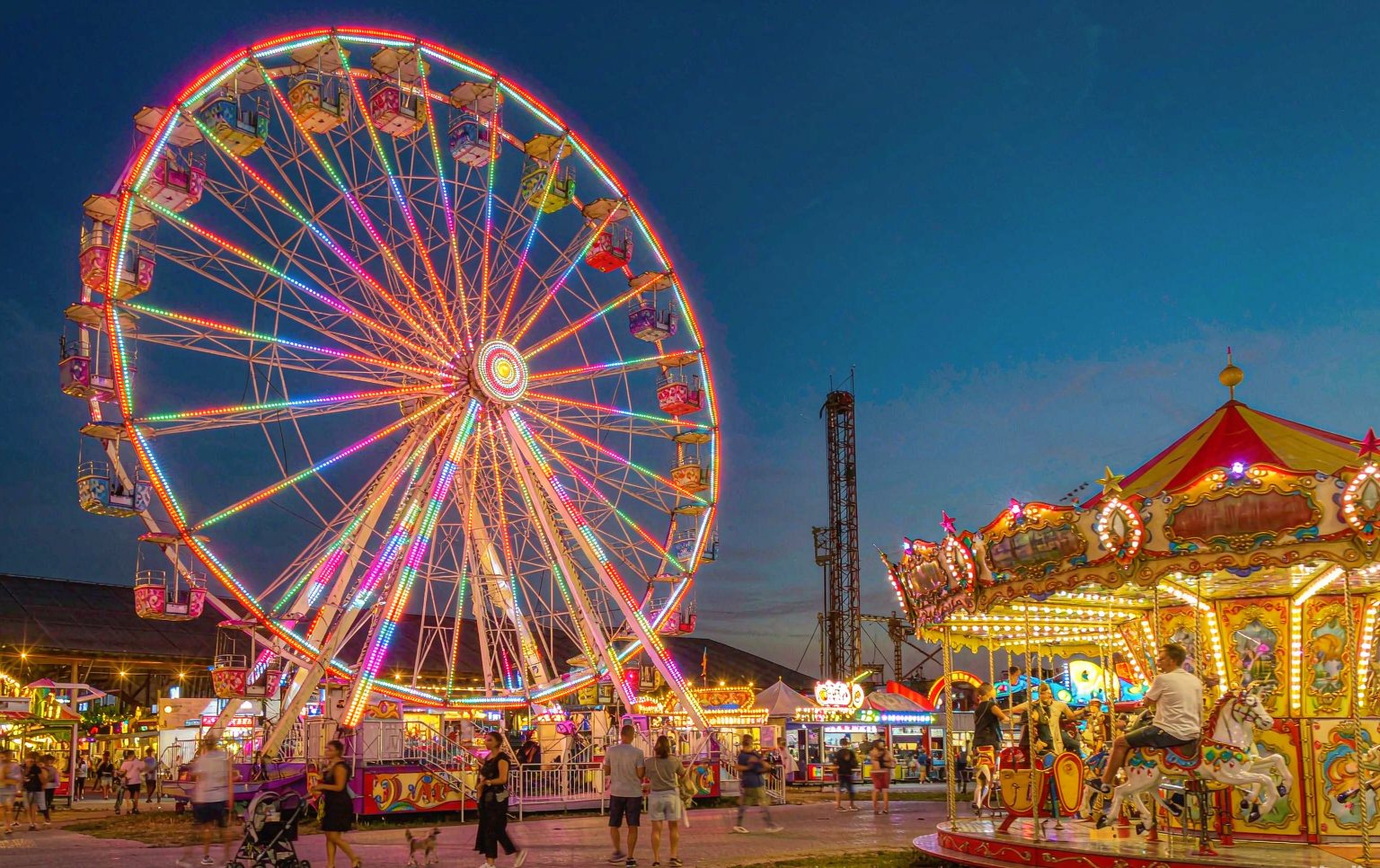
Investing in a theme park or an amusement attraction is a significant venture that blends creativity with complex engineering and strategic business planning. Whether you are expanding an existing park, developing a new family entertainment center (FEC), or installing a landmark attraction, the equipment you choose will define your brand and determine your return on investment (ROI).
Navigating the global marketplace for rides can be daunting. This comprehensive theme park equipment buying guide is designed to walk you through every stage of the procurement process. We will cover everything from initial concept design and safety compliance to manufacturing, installation, and after-sales support, ensuring you are equipped to make the best decisions for your business.
🎯 Phase 1: Conceptualization and Strategic Planning
Before you browse a single catalog, you must define the “soul” of your park. The most successful attractions are built on a foundation of clear vision and market understanding.
1. Define Your Target Audience
Who are you building this for? Your primary demographic dictates the type of equipment you need.
- Families with Young Children: Focus on gentle, colorful, and interactive rides. Think carousels, sightseeing trains, and soft play areas.
- Thrill-Seekers (Teens & Adults): You need high-adrenaline attractions like drop towers, pendulum rides, and roller coasters.
- Mixed Demographics: A balanced mix of “family coasters,” spinning rides, and landmark attractions (like a Ferris wheel) ensures everyone has something to do.
2. Analyze Your Site Constraints
Your physical location imposes real limits on your equipment choices.
- Space & Layout: Measure your available land accurately. A massive roller coaster requires a large footprint and specific safety zones, whereas a drop tower has a small footprint but requires vertical clearance.
- Power & Infrastructure: Check your electrical capacity. Large rides often require specific voltage (e.g., 380V) and substantial power loads.
- Climate Considerations: If you are in a coastal area, you need equipment with superior corrosion resistance (hot-dip galvanization). If you are in a region with harsh winters, you need steel that remains ductile in freezing temperatures.
3. Establish a Realistic Budget
Your budget should cover more than just the purchase price. A smart financial plan includes:
- Equipment cost (CAPEX).
- Shipping, insurance, and customs duties.
- Foundation and civil works.
- Installation and commissioning.
- Spare parts inventory.
🛡️ Phase 2: Safety Standards and Compliance
Safety is the currency of the amusement industry. One accident can ruin a reputation forever. Therefore, strict adherence to international safety standards is non-negotiable when following this theme park equipment buying guide.
1. Understanding International Certifications
When sourcing equipment globally, you will encounter several acronyms. Here is what they mean for you:
- CE Marking (Europe): This is mandatory for selling rides in the European Economic Area. It signifies that the equipment meets the essential health and safety requirements of the Machinery Directive. Specifically, look for compliance with EN 13814, the harmonized standard for amusement rides. This covers design calculations, risk assessments, and manufacturing processes.
- ASTM F24 (USA): While voluntary in the US, ASTM standards are widely accepted as the industry benchmark. They focus heavily on the design, manufacture, operation, and maintenance of rides.
- ISO 9001: This certifies the manufacturer’s quality management system, ensuring they have consistent processes for quality control.
- TUV Certification: A German technical inspection association. A TUV report is often considered the “gold standard” for ride safety, involving rigorous third-party testing.
2. The Importance of a Technical File
A reputable manufacturer will provide a comprehensive Technical File for every ride. This document is crucial for getting your operating license from local authorities. It should include:
- General arrangement drawings.
- Electrical and hydraulic schematics.
- Load calculations and stress analysis.
- Risk Assessment reports.
- Non-Destructive Testing (NDT) reports for critical welds (X-ray or ultrasonic testing).
- Operation and Maintenance manuals.
⚙️ Phase 3: Evaluating Manufacturers and Equipment Quality
Not all manufacturers are created equal. The price difference between a high-quality ride and a budget option often lies in the details you can’t see.
1. Material Quality
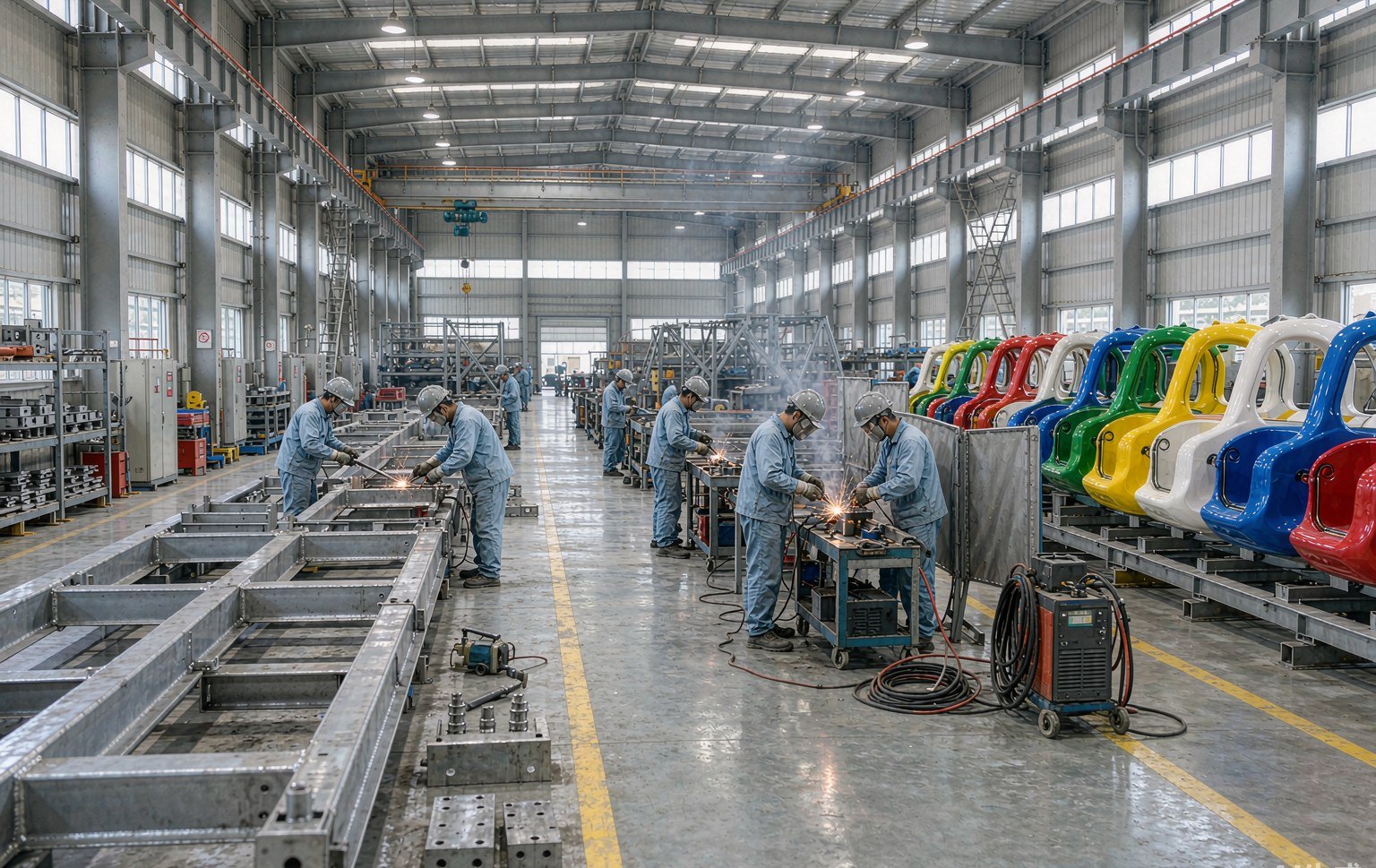
- Steel Structure: Ensure the manufacturer uses high-grade steel (like Q235B or Q345B). Ask about their rust prevention process. The best practice is hot-dip galvanization, which provides decades of protection, followed by automotive-grade painting.
- Fiberglass (FRP): For ride cars and theming, high-quality resin and gel coat are essential to prevent fading and cracking under UV exposure.
2. Control Systems and PLC
The “brain” of the ride is the Programmable Logic Controller (PLC). Top-tier manufacturers use reputable brands (like Siemens or Mitsubishi) for their electrical components. This ensures reliability and makes it easier for you to find replacement parts locally in the future.
3. Redundancy and Safety Circuits
Ask the manufacturer about their safety logic. A safe ride should have redundant safety circuits. For example, if a sensor fails, the backup sensor should immediately trigger an emergency stop.
4. Factory Acceptance Test (FAT)
Never skip the Factory Acceptance Test. This is a critical step in the theme park equipment buying guide. You or a third-party inspector should visit the factory to watch the ride run under full load. This verifies that the equipment works as promised before it is disassembled for shipping.
🚚 Phase 4: Logistics, Installation, and Commissioning
Once the contract is signed and the deposit paid, the logistical phase begins.
1. Shipping and Customs
- Containerization: Most flat rides are shipped in 40ft High Cube containers. Roller coasters and large structures are shipped as bulk cargo.
- Packing: Ensure the manufacturer uses waterproof and shock-proof packing. Electrical cabinets should be wrapped in moisture-proof film.
- Customs Clearance: You will need the Commercial Invoice, Packing List, and Bill of Lading. The manufacturer should also provide the Certificate of Origin and the CE/ISO certificates to help you clear customs smoothly.
2. Installation Support
While some small rides can be installed by local teams using manuals, complex attractions require professional supervision.
- Supervision vs. Full Installation: You can hire the manufacturer to send a team to supervise your local workers, or you can hire them to handle the entire installation.
- Timeline: A medium-sized ride typically takes 15–30 days to install. A roller coaster or Ferris wheel can take several months.
3. Commissioning and Training
Installation is not complete until the ride is commissioned. This involves:
- Debugging the software.
- Testing all safety sensors and emergency stops.
- Operator Training: The manufacturer must train your staff on how to operate the ride, perform daily safety checks, and handle emergency evacuations.
🛠️ Phase 5: After-Sales Support and Lifecycle Management
The relationship with your supplier shouldn’t end when the ride opens. Long-term support is vital for your park’s profitability.
1. Warranty Terms
Standard warranty periods are usually 12 to 24 months. Read the fine print: does it cover parts only, or labor too? Does it cover “wear and tear” items like tires or belts? (Usually, it does not).
2. Spare Parts Strategy
Downtime is lost revenue. When buying equipment, purchase a “recommended spare parts list” for the first two years of operation. This should include sensors, relays, hydraulic seals, and lights.
3. Remote and On-Site Support
In the digital age, many issues can be solved remotely. Ensure your manufacturer offers 24/7 remote support via video call or TeamViewer to diagnose electrical issues. For major mechanical overhauls, confirm that they can dispatch engineers to your site within a reasonable timeframe.
📊 Summary Checklist for Buyers
To help you navigate the market, here is a quick checklist based on this theme park equipment buying guide:
| Evaluation Criteria | What to Look For |
|---|---|
| Experience | 10+ years in business, portfolio of international projects. |
| Certifications | Valid CE (EN 13814), ISO 9001, and TUV reports. |
| Design | In-house engineering team, 3D rendering capabilities. |
| Materials | Hot-dip galvanized steel, UV-resistant fiberglass. |
| Support | 24-month warranty, 24/7 technical support, spare parts availability. |
Conclusion
Buying theme park equipment is a journey that requires patience, due diligence, and a keen eye for detail. By following this guide, you move beyond just “buying a ride” to investing in a safe, reliable, and profitable asset.
At Anxin Amusement, we understand these challenges because we live them every day. With over 15 years of experience and projects delivered to 24+ countries, we don’t just manufacture rides; we engineer experiences. From the initial 3D concept design to the final bolt of installation, we are with you every step of the way.
Ready to build your dream park? Contact Anxin Amusement today to discuss your project requirements and receive a customized proposal.