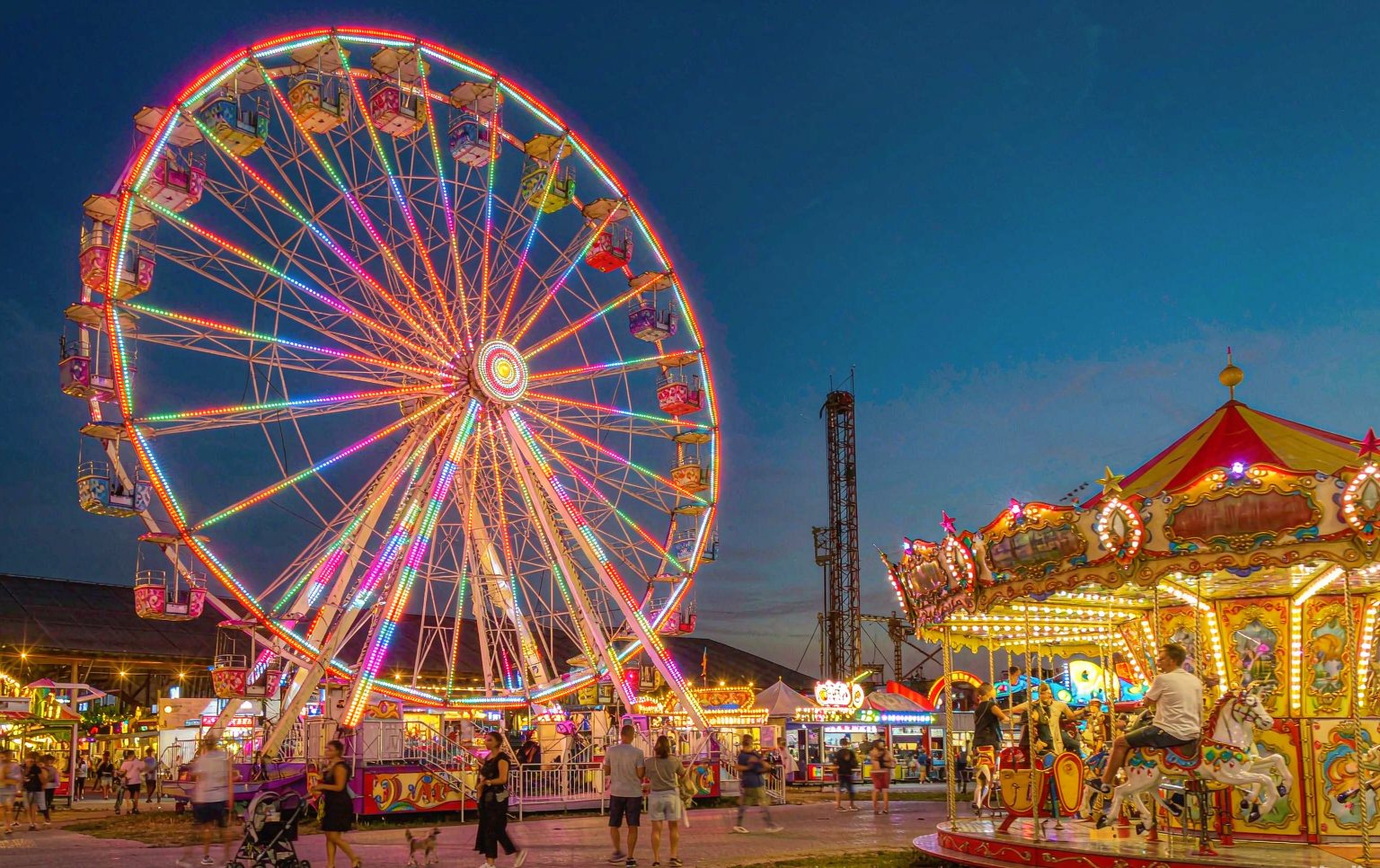
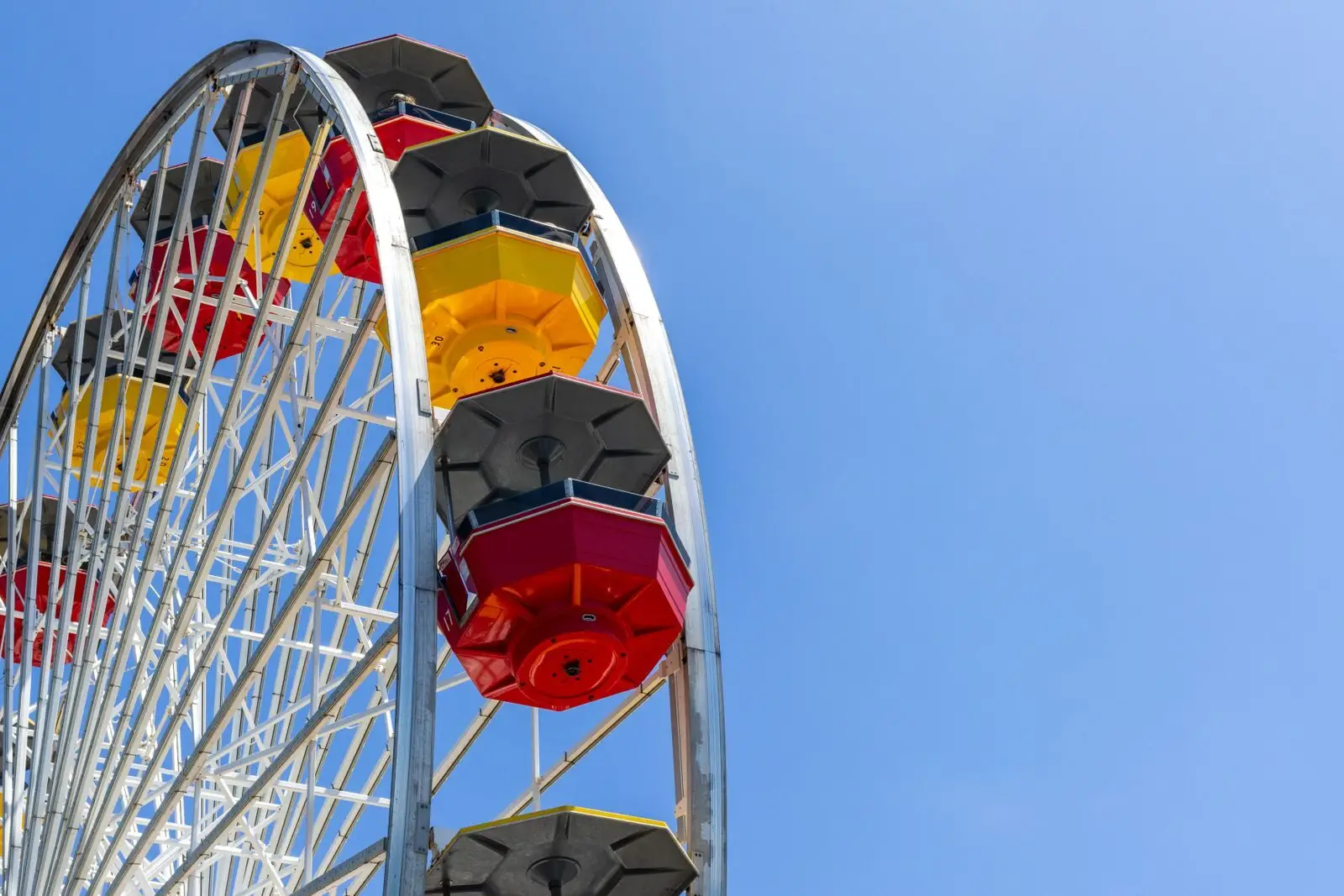
Few structures capture the imagination and define a city’s skyline quite like a Ferris wheel. Whether it’s the iconic London Eye or a vibrant, neon-lit wheel at a coastal amusement park, these giants are more than just rides—they are architectural landmarks and powerful marketing tools.
However, creating a custom observation wheel is a complex engineering feat. It requires a seamless blend of artistic vision, structural integrity, and mechanical precision. If you are a park developer or city planner looking to commission a bespoke attraction, understanding the ferris wheel manufacturer custom design process is the first step toward building your own icon.
1. Phase One: Site Analysis and Conceptualization
The journey begins long before the first piece of steel is cut. A reputable manufacturer will start by understanding the specific environment where the wheel will stand.
Geotechnical and Environmental Assessment:
- Wind Load Analysis: This is critical. A wheel located in a coastal city or a typhoon-prone region requires a significantly more robust structural design than one in a sheltered valley. Engineers must calculate the maximum wind speed the structure can withstand while parked and while in operation.
- Soil Conditions: The foundation must be engineered based on the soil’s bearing capacity. Sandy coastal soil requires deep piling, while solid bedrock might allow for a shallower foundation.
- Visual Impact: The manufacturer will assess sightlines to ensure the wheel provides the best possible views for passengers and serves as an attractive focal point for the surrounding area.
Defining the Scope:
During this phase, you will decide on the key parameters:
- Height: Ranging from intimate 20m wheels for small parks to massive 80m+ observation wheels for city centers.
- Capacity: Determining the number of gondolas (typically 24 to 60+) and the seating capacity per cabin (4, 6, or 8 passengers).
- Theme: Is the wheel going to be a classic “spoke” design, a modern “spindle” design, or a high-tech enclosed capsule system?
2. Phase Two: Engineering and Structural Design
Once the concept is approved, the project moves into the hands of mechanical and structural engineers. This is where the ferris wheel manufacturer custom design truly takes shape.
Drive System Selection:
- Rim Drive: The most common for modern giant wheels. Electric motors drive the outer rim of the wheel. This system is quieter, smoother, and allows for a more open central hub design.
- Central Drive: The motor is located at the central axle. This is a more traditional design, often used for smaller or medium-sized wheels.
Safety and Redundancy:
Engineers design multiple layers of safety into the system:
- Redundant Braking: If the primary drive fails, secondary emergency brakes automatically engage to stop the wheel safely.
- Emergency Power: A backup generator or battery system ensures that if the main power grid fails, the wheel can be slowly rotated to unload passengers.
- Load Monitoring: Advanced sensors monitor the weight distribution of the gondolas in real-time to prevent imbalance.
3D Modeling and Simulation:
Using Finite Element Analysis (FEA) software, engineers simulate how the wheel will behave under extreme stress, such as a 1-in-100-year storm or an earthquake. This digital prototyping ensures that the physical structure will be safe and durable.
3. Phase Three: Aesthetics, Theming, and Cabin Customization
This is where the engineering meets art. The visual design of the wheel is what will attract guests and generate social media buzz.
The Gondola Experience:
The cabins are the heart of the passenger experience. Customization options include:
- Open-Air vs. Enclosed: Open-air gondolas offer a breezy, traditional thrill, while enclosed, climate-controlled capsules provide a luxurious, panoramic view suitable for all weather conditions.
- VIP Features: For high-end attractions, manufacturers can design VIP cabins featuring glass floors, leather seating, and even integrated catering services.
- Accessibility: Modern custom designs often include wheelchair-accessible gondolas with ramp entry to ensure inclusivity.
Lighting and Night Spectacle:
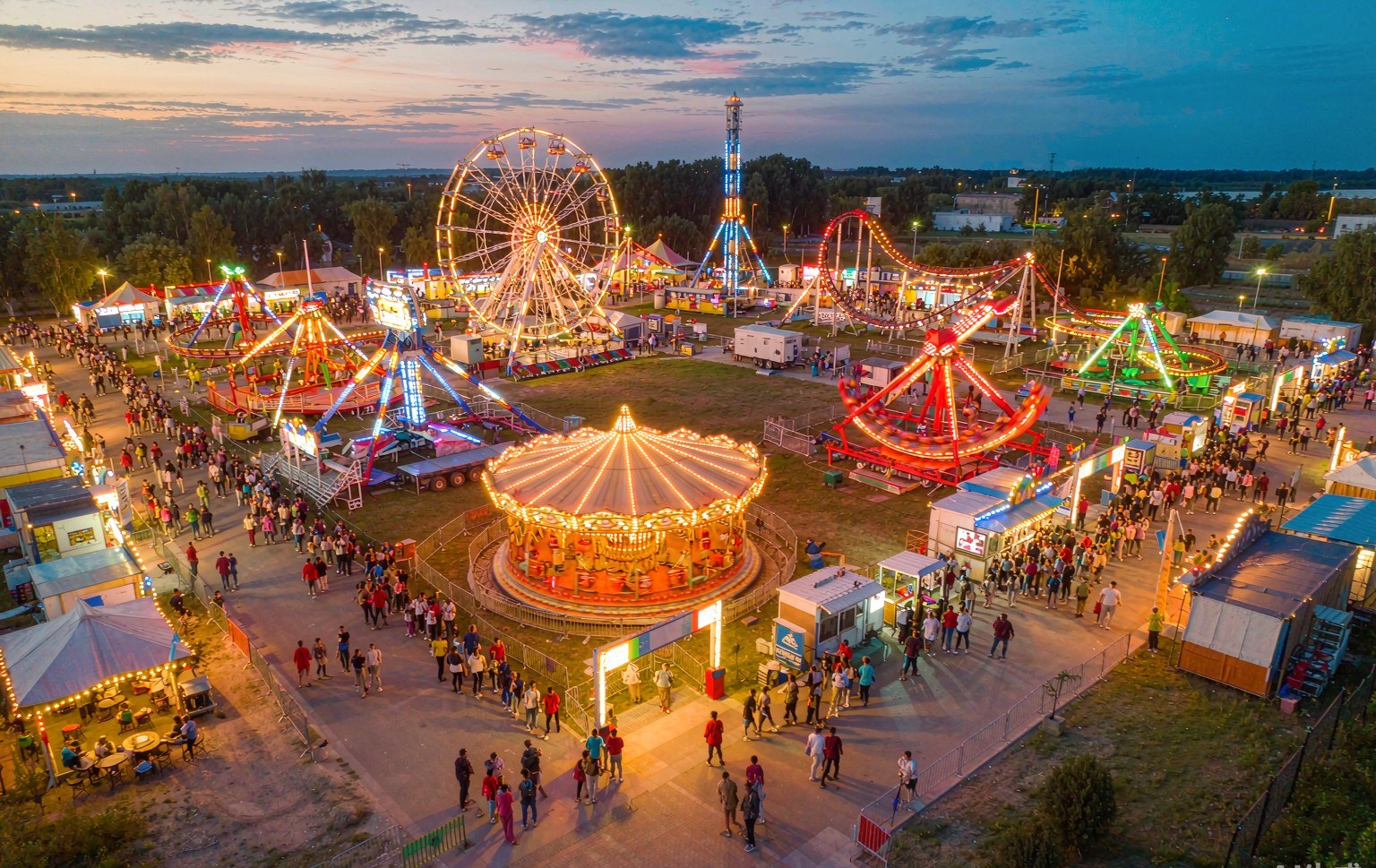
A Ferris wheel is a daytime attraction, but at night, it becomes a beacon.
- Programmable LEDs: The rim and spokes can be fitted with thousands of LED pixels. These can be programmed to display animations, countdowns, or national flag colors during holidays.
- Gondola Lighting: Internal and external lighting ensures passengers feel safe and can enjoy the view after dark.
4. Phase Four: Fabrication and Quality Control
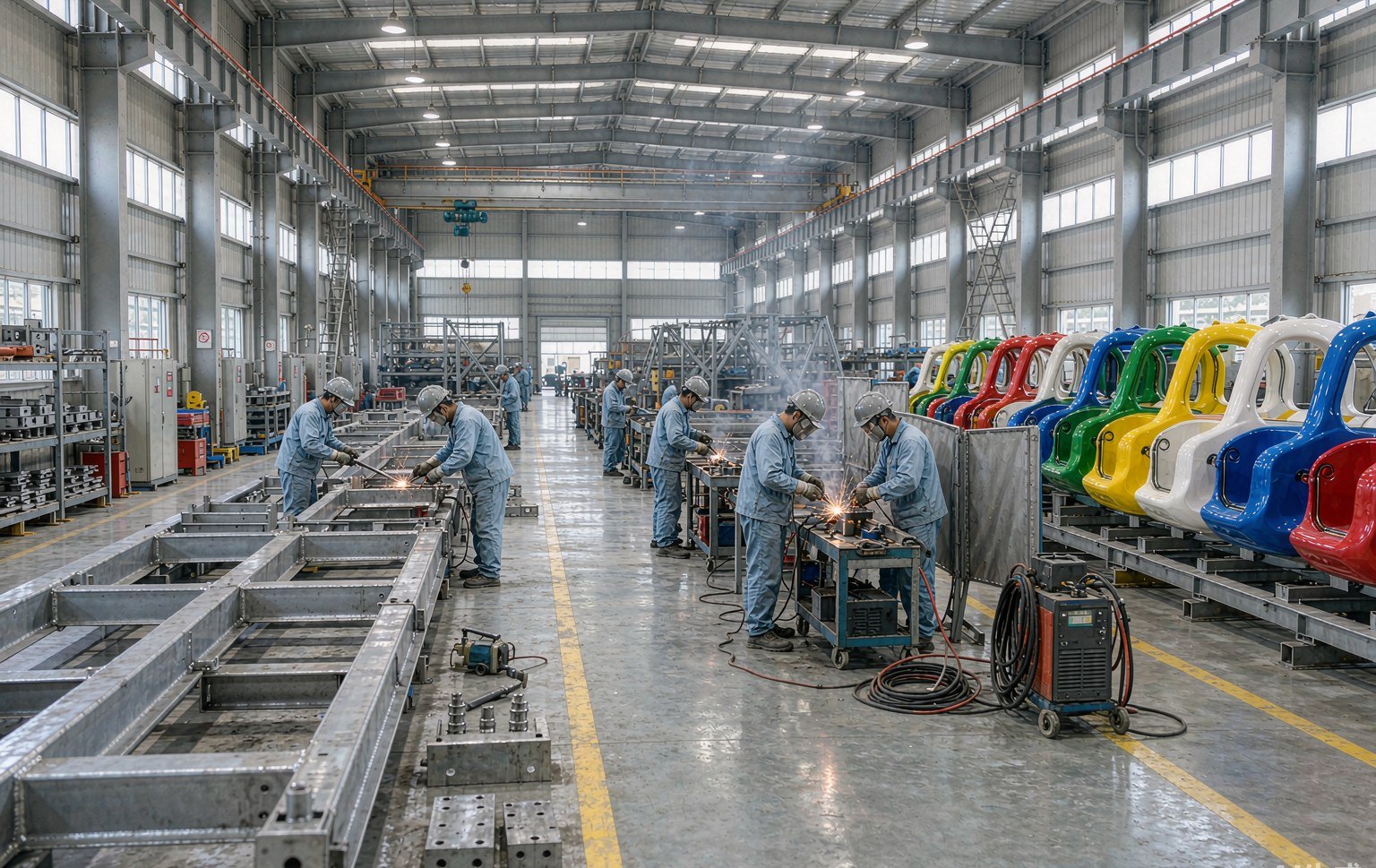
Once the design is finalized, manufacturing begins. A high-quality ferris wheel manufacturer custom design partner will adhere to strict quality control protocols.
Material Selection:
- Steel Structure: High-grade structural steel (such as Q345B) is used for the main frame.
- Corrosion Protection: For coastal installations, the steel undergoes hot-dip galvanization and is coated with marine-grade anti-corrosion paint to prevent rust from salt air.
- Gondola Materials: Cabins are typically made from fiberglass reinforced plastic (FRP) or aluminum for a balance of strength and lightweight durability.
Factory Acceptance Test (FAT):
Before shipping, major components are often pre-assembled in the factory. This “dry run” ensures that all parts fit together perfectly, the drive system works smoothly, and the electrical controls are functioning correctly. This step significantly reduces installation time on-site.
5. Phase Five: Logistics, Installation, and Commissioning
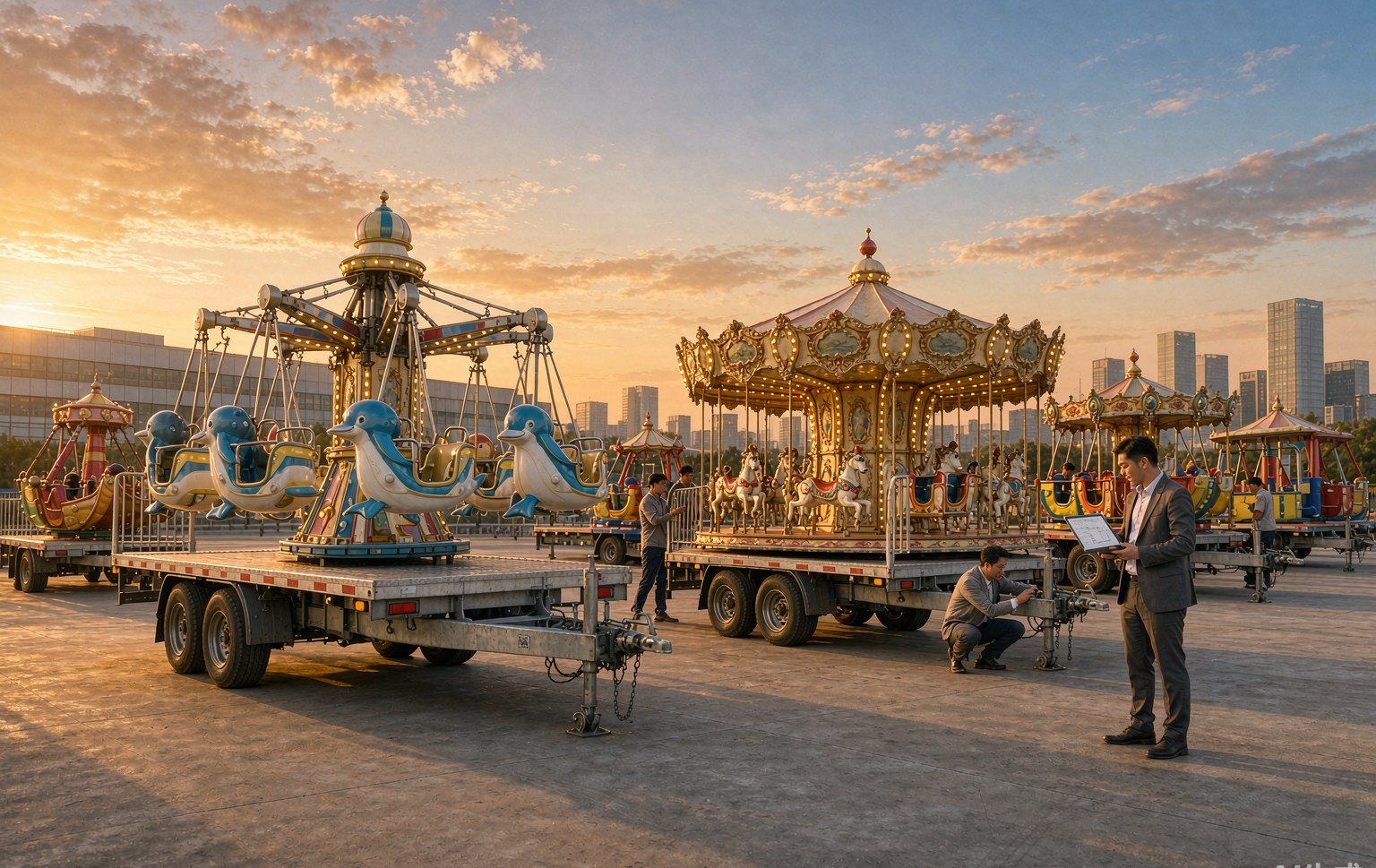
Shipping a giant Ferris wheel involves complex logistics. The massive rim segments and central hub are transported via heavy-haul trucks and ships.
On-Site Installation:
- Foundation: The civil team pours the reinforced concrete foundation based on the manufacturer’s blueprints.
- Erection: Using heavy-duty cranes, the central axle is installed first, followed by the spokes and rim segments.
- Gondola Attachment: Once the wheel structure is complete, the cabins are lifted and attached to the rim.
Commissioning and Certification:
The final phase involves rigorous testing:
- Load Testing: The wheel is run with water bags or sandbags equivalent to 125% of its maximum passenger capacity to test structural integrity.
- Cycle Testing: The wheel runs continuously for several days to bed in the mechanical components.
- Third-Party Inspection: An independent safety inspector (such as TÜV or SGS) verifies that the installation meets all international safety standards (e.g., EN 13814 or ASTM F2291).
6. Conclusion: Building a Legacy
Commissioning a custom Ferris wheel is a significant investment, but the returns go far beyond ticket sales. It creates a lasting landmark that defines the identity of a park or city. By partnering with an experienced ferris wheel manufacturer custom design team, you ensure that your vision is realized with the highest standards of safety, engineering, and artistic flair. From the first sketch to the final rotation, every step is a journey toward creating a timeless attraction.