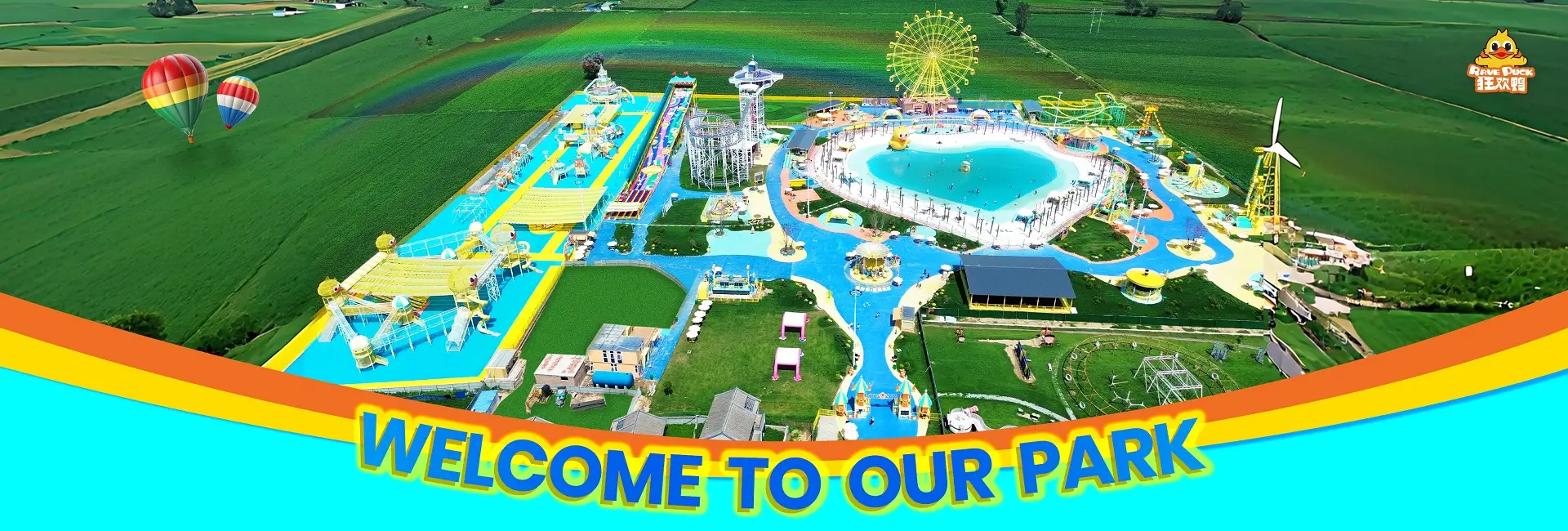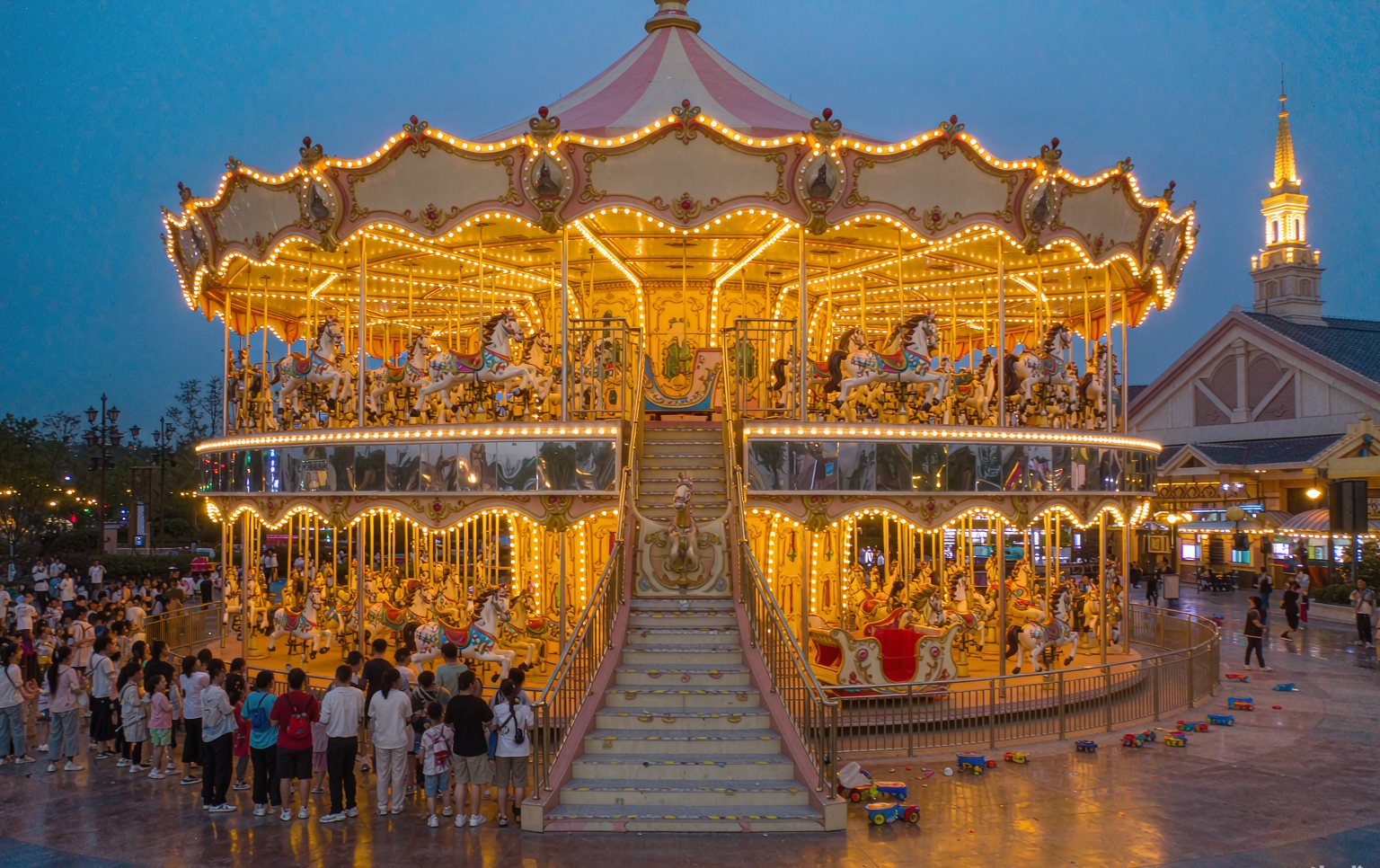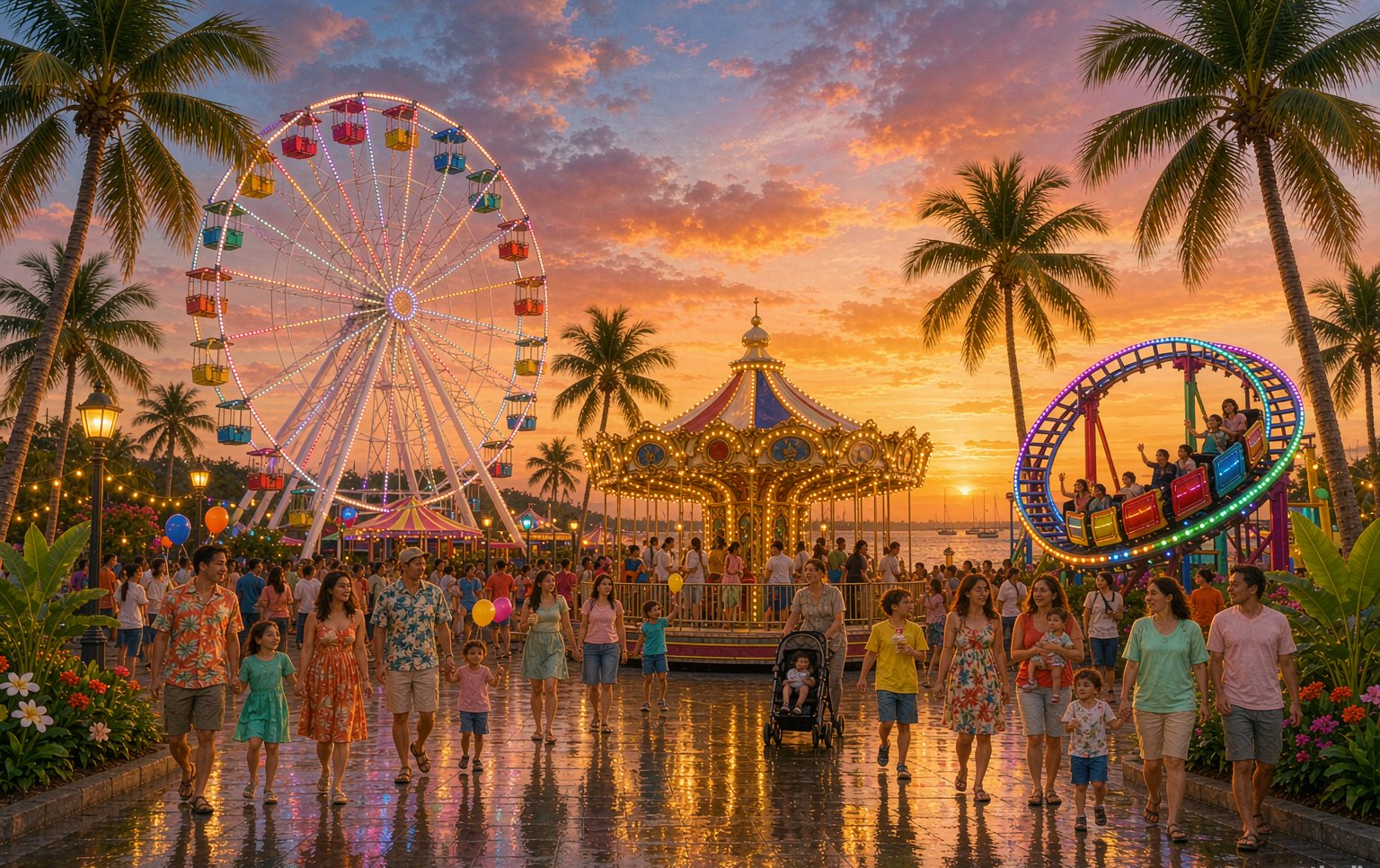

Sourcing theme park rides for sale is the single largest line item in any new park budget, and it is also the decision with the biggest impact on long-term revenue. The buyers who succeed rarely purchase one hero attraction; they assemble a balanced lineup of family rides, thrill rides, and kiddie attractions that keeps every guest segment spending. As a manufacturer with 15+ years of experience and more than 200 rides delivered across 24+ countries, Anxin Amusement has helped operators in Asia, Europe, the Middle East, South America, Africa, and Oceania build exactly these lineups. This guide walks through how to structure your purchase by zone, what each ride category costs, and how to buy direct from the factory on terms that protect your cash flow.
Before you commit to a lineup, study our amusement park rides price guide to budget every attraction from fabrication to installation.
For inspiration on guest volume, study how the most visited theme parks in Europe structure their ride mix around one or two anchor attractions.
Why a Balanced Lineup Beats a Single Showpiece
Many first-time investors fall in love with one big attraction — a Ferris wheel, a coaster, a drop tower — and build the rest of the park around it as an afterthought. That approach fails commercially for a predictable reason: a headline ride draws the crowd once, but the supporting lineup determines dwell time, repeat visits, and per-capita spend. Families with young children will not return if the kiddie zone is two coin-op units; teenagers will not stay if there is nothing after the big coaster.
The proven ratio for a mid-size park is roughly one anchor ride, three to five major family rides, and eight to twelve kiddie and interactive attractions. When you browse theme park rides for sale with this ratio in mind, you evaluate each unit by the role it plays in the whole — throughput, footprint, height clearance, and age appeal — rather than by price alone. A $30,000 carousel that runs eight hours a day at 300 riders per hour can outperform a $300,000 thriller on revenue per square meter.

Plan Your Purchase by Zone: Family, Thrill, and Kiddie
The most reliable way to build a park is to zone it, then buy for each zone. This is how professional planners approach theme park rides for sale, and it maps directly onto the product categories most factories publish.
Family zone: the throughput engine
Family rides are the workhorses of any park. Carousels, chair swing rides, teacups, pirate ships, trackless and track trains, and self-controlled planes all share three traits: broad age appeal, high hourly capacity, and moderate footprint. When comparing family rides for sale in this category, prioritize capacity figures and loading speed over ride intensity — a 40-seat wave swinger that cycles every three minutes moves far more paying guests than a 16-seat unit with a slow dispatch.
Thrill zone: the marketing engine
Thrill rides generate the photos, videos, and word-of-mouth that fill the front gate. Giant frisbee pendulums, drop towers, top spins, and coasters sit here. These units demand more engineering attention — foundations, wind loading, evacuation systems — so scrutinize the manufacturer’s structural calculations and certification file (CE, EN 13814, ISO 9001, and ASTM compliance as a baseline). Our dedicated overview of thrill rides for sale covers the major models and their site requirements in depth.
Kiddie zone: the conversion engine
Kiddie rides may be small, but they convert accompanying adults into paying guests and extend family dwell time. Mini Ferris wheels, samba balloons, animal trains, bumper car sets, and power-free playground equipment are inexpensive per unit and forgiving to operate. Many operators now blend non-powered attractions into this zone to cut energy and maintenance costs while keeping toddlers engaged.
Anchor Rides vs. Supporting Cast: Where the Budget Goes
Every lineup needs one or two anchors — the rides visible from the highway, featured in advertising, and worth the trip on their own. Ferris wheels in the 42m–66m range, a family coaster, or a 20m–60m drop tower typically fill this role. The anchor consumes 40–60% of your ride budget but earns it back in gate conversion and branding.
The supporting cast is where theme park rides for sale catalogs earn their keep. A smart supporting mix costs less in total than one extra anchor and delivers better daily throughput. A practical allocation for a $1M ride budget looks like this: one anchor at $450k–$550k, three family rides at $60k–$120k each, a bumper car arena at $25k–$40k, a train at $15k–$35k, and the remainder in kiddie units and theming. If you want to see how these numbers change at different park scales, our analysis of amusement park rides price ranges breaks the totals down category by category.
One warning from experience: never let the anchor absorb so much budget that the park opens with fewer than eight total rides. Guests count rides; an empty-feeling park damages a brand faster than a missing headline attraction. Diversity of motion also matters — mix rotation, suspension, water, and elevation so the skyline and the ride mix both look full in photos.
What Theme Park Rides for Sale Cost in 2026: Indicative Price Bands
Pricing questions dominate every inquiry we receive, so the table below gives indicative ex-works (EXW) bands for the categories that matter when reviewing theme park rides for sale. All figures are configuration dependent — seat counts, theming, lighting packages, and control systems move the final number — and exclude shipping, duties, foundations, and installation.
| Ride Category | Typical Configuration | Indicative Price Band (USD, EXW) |
|---|---|---|
| Carousel | 16 / 24 / 38 seats, single or double deck | $8,000 – $60,000 |
| Spinning family rides (teacups, samba balloons) | 16 – 40 seats | $8,000 – $60,000 |
| Chair swing ride (wave swinger) | 36 / 48 seats | $60,000 – $150,000 |
| Bumper cars | 10 – 20 car set, floor-net or battery | $12,000 – $45,000 |
| Train (track or trackless) | 24 – 72 passengers | $9,000 – $40,000 |
| Pirate ship | 24 / 40 seats | $25,000 – $80,000 |
| Pendulum / frisbee | 24 – 40 seats | $80,000 – $350,000 |
| Drop tower | 20 m – 60 m | $120,000 – $600,000 |
| Roller coaster (family / spinning / suspended) | Project-specific layout | $150,000 – $1,200,000 |
| Ferris wheel | 42 m – 66 m | $400,000 – $1,500,000 |
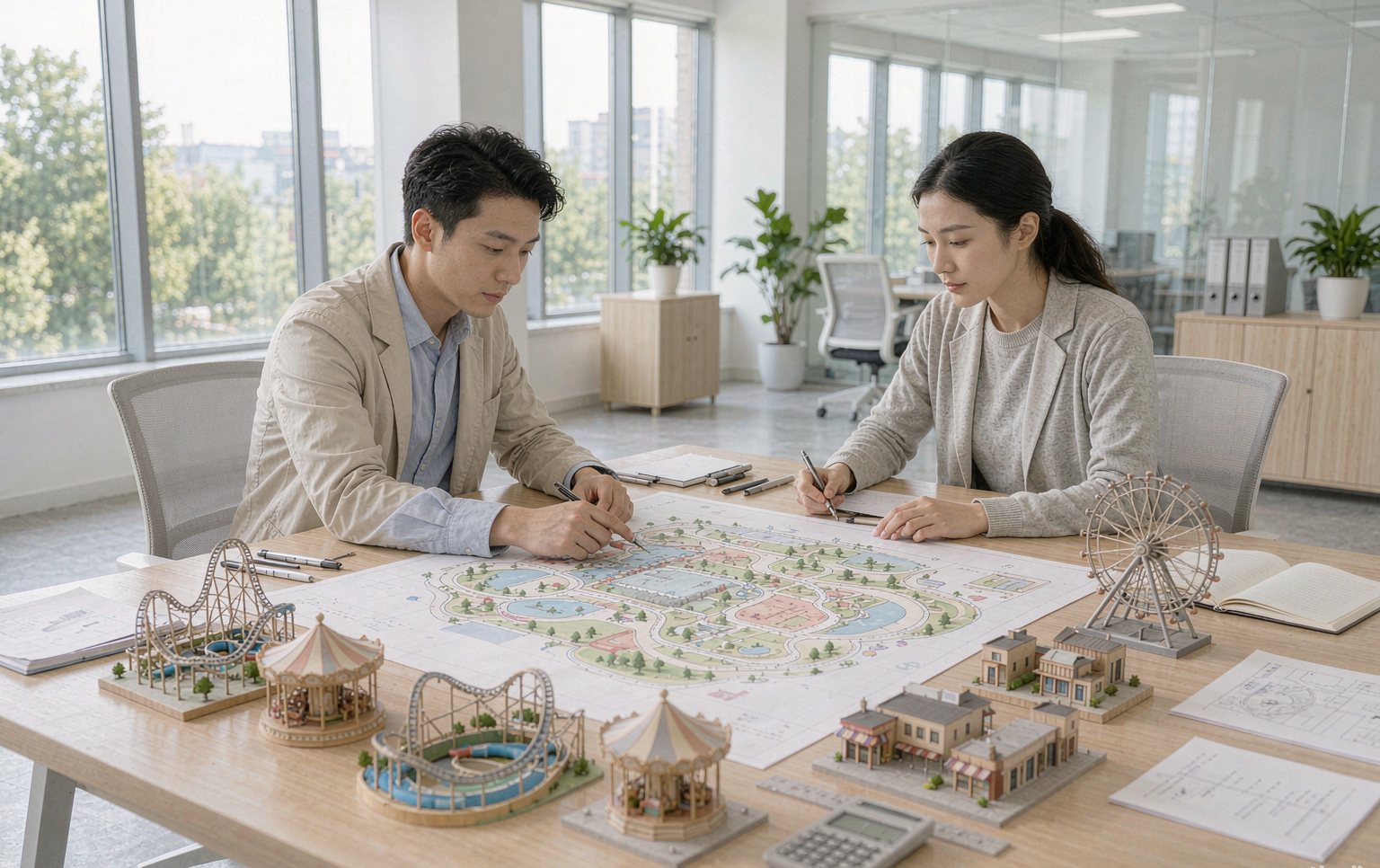
Treat these bands as budgeting tools, not quotations. A real number requires your site plan, local code requirements, and the specification you choose — which is exactly why a request for quote should describe the park, not just the ride.
Buying Direct from the Factory: What Changes
When you buy theme park rides for sale direct from a manufacturer instead of through a dealer or trading company, three things change materially. First, price: you remove a middleman margin that commonly runs 15–30%. Second, customization: a factory can theme, re-color, resize, and re-engineer units to fit your master plan, whereas a reseller sells what is in stock. Third, accountability: warranty claims, spare parts, and technical support route to the people who welded the steel, not to a broker.
Vetting the factory is still your job. Ask for the certification file (CE and EN 13814 for Europe, ASTM references for the Americas), request videos of live factory load testing, and check delivery history — a manufacturer that has shipped to 24+ countries will have references on your continent. Our guide to theme park manufacturers gives a complete due-diligence framework for this step.
Direct buying also changes the commercial conversation. Factories can bundle multiple units from one order into consolidated shipping, align spare-parts inventories across your fleet, and offer operator training as part of the package. Dealers rarely have the authority to make those trade-offs, and they almost never hold spare-parts stock for the models they resell.
Lead Times and Payment Terms Explained
Production timing is where park schedules are won or lost. Standard rides — carousels, pirate ships, spinning attractions, bumper cars, trains — carry a 25–45 day production lead time. Custom and large equipment such as Ferris wheels, coasters, and drop towers runs 35–60 days. On-site installation adds 10–25 days depending on the number and complexity of units, so a realistic path from deposit to opening for a full lineup is four to six months.
The standard payment structure is 30% deposit with order and 70% balance before shipment, paid by T/T. This protects the manufacturer’s production capacity while giving you a factory acceptance test before the balance is due — use it. Attend the FAT in person or send a third-party inspector; verifying welds, electrical cabinets, restraint systems, and paint at the factory costs a fraction of fixing problems after installation.
One more planning note: order early enough that production overlaps with your civil works. Foundations, electrification, and landscaping should be finished when the containers arrive, not started afterward.
Pre-Purchase Checklist for Theme Park Ride Buyers
Before you sign, run every candidate through this checklist:
- Zone role defined: does the unit fill a family, thrill, or kiddie role in your master plan, with a target capacity per hour?
- Certification file complete: CE, EN 13814, ISO 9001, and ASTM compliance documented for the exact model.
- Site data confirmed: footprint, foundation loads, height clearance, and power supply matched against your site plan.
- Factory verified: audit report or video walkthrough completed; delivery references checked for your region.
- Warranty and parts in writing: 2-year warranty, lifetime technical support, spare-parts list with prices, and operator training included.
- Total landed cost calculated: EXW price plus freight, duties, foundations, installation, and first-year spares.
- Schedule locked: production lead time, FAT date, shipping, and installation window written into the contract.
Frequently Asked Questions
How many rides should a new theme park open with?
For a viable mid-size park, plan on 12–20 total attractions: one or two anchors, three to five major family rides, and the rest kiddie and interactive units. Fewer than eight rides tends to disappoint guests, while a well-zoned lineup above twelve supports a full-day visit and higher food and merchandise spend.
What is the realistic budget for a first purchase of theme park rides for sale?
A compact park can open on $400k–$700k of ride equipment; a mid-size park typically invests $1M–$2.5M; destination-scale parks start above $5M. Use the price bands above for a first pass, then request formal quotations per unit — configuration choices regularly move totals by 20%.
Which ride should I buy first if I can only afford one?
Buy the ride that matches your core market. In family-dominant markets, a large carousel or chair swing delivers the best cost-per-rider economics. In tourist destinations, a Ferris wheel or pendulum creates the landmark value that drives arrivals. The right anchor is the one your marketing can sell in a single image.
How long does it take from order to first riders?
Standard rides take 25–45 days to manufacture and custom or large rides 35–60 days, with installation adding 10–25 days on site. Including shipping and commissioning, most parks move from deposit to opening within four to six months — which makes early ordering the simplest schedule insurance available.
Do you help configure an entire park lineup, not just single rides?
Yes. Anxin Amusement provides complete park solutions, including zoning plans, ride selection, theming, installation, and operator training. Share your site dimensions, budget, and target market, and our engineers will return a costed lineup proposal — a service our team extends through our custom park solutions program.
Build Your Lineup with a Factory That Ships Worldwide
The market for theme park rides for sale is wide, but the winning formula is consistent: zone your park, balance anchors against a strong supporting cast, buy direct from a certified manufacturer, and lock your schedule around realistic lead times. Anxin Amusement backs every unit with CE, EN 13814, ISO 9001, and ASTM-compliant engineering, a 2-year warranty, lifetime technical support, and spare-parts supply from a factory that has delivered 200+ rides to operators in 24+ countries.
Ready to price your lineup? Request a quote with your site plan and budget, or explore our complete park solutions to see how a full configuration comes together from a single factory partner.