Most operators budget the factory price and then discover that importing indoor playground equipment from China adds another 25 to 40 percent before a single child walks through the gate. Freight, insurance, duty, port charges, inland trucking and installation labor are not hidden fees – they are simply not quoted by factories that sell ex-works. This guide works through the logistics side of the purchase in the order an importer actually meets them: what physically ships, how many containers it fills, which Incoterm protects you, what the border will charge, which documents clear customs, and what the total landed cost looks like on a real project.
If you are still choosing equipment, start with our indoor playground equipment buyer’s guide. Once the specification is settled, the numbers below decide whether the project opens on schedule or sits in a warehouse paying demurrage.
What Actually Ships in an Indoor Playground Container
Soft play is not a single product. A typical commercial package leaves the factory as five distinct cargo types, each with its own packing logic:
- Steel frame modules. Galvanized tube sections, posts, decks and brackets, cut and numbered per assembly drawing. Heavy, dense, and the cargo that determines container weight limits.
- Foam and PVC cladding. EPE foam blocks wrapped in PVC or PU leather, packed in compression bags. Bulky but light, and easily deformed if something heavy is stacked on top.
- Rotomolded and FRP slides. Spiral and wave slides shipped in nested sections. These are the most fragile items in the container and the most expensive to replace after a cracked landing.
- Netting, flooring and padding. Playground netting on rolls, EPDM granules or rubber tiles, wall padding. Flooring alone can weigh several tonnes on a 600 m² park.
- Theming, electricals and hardware. LED panels, sculpted features, control boxes, fixings, tools and the recommended spare-parts kit.
Because the mix is dense and volumetric at the same time, container planning is a real engineering task, not a rounding exercise. Ask the factory for a packing list with per-crate CBM and gross weight before you book freight – a quotation that cannot produce one is a quotation from a trading company, not a factory.
Container Math: How Many 40HQ Boxes Your Park Needs
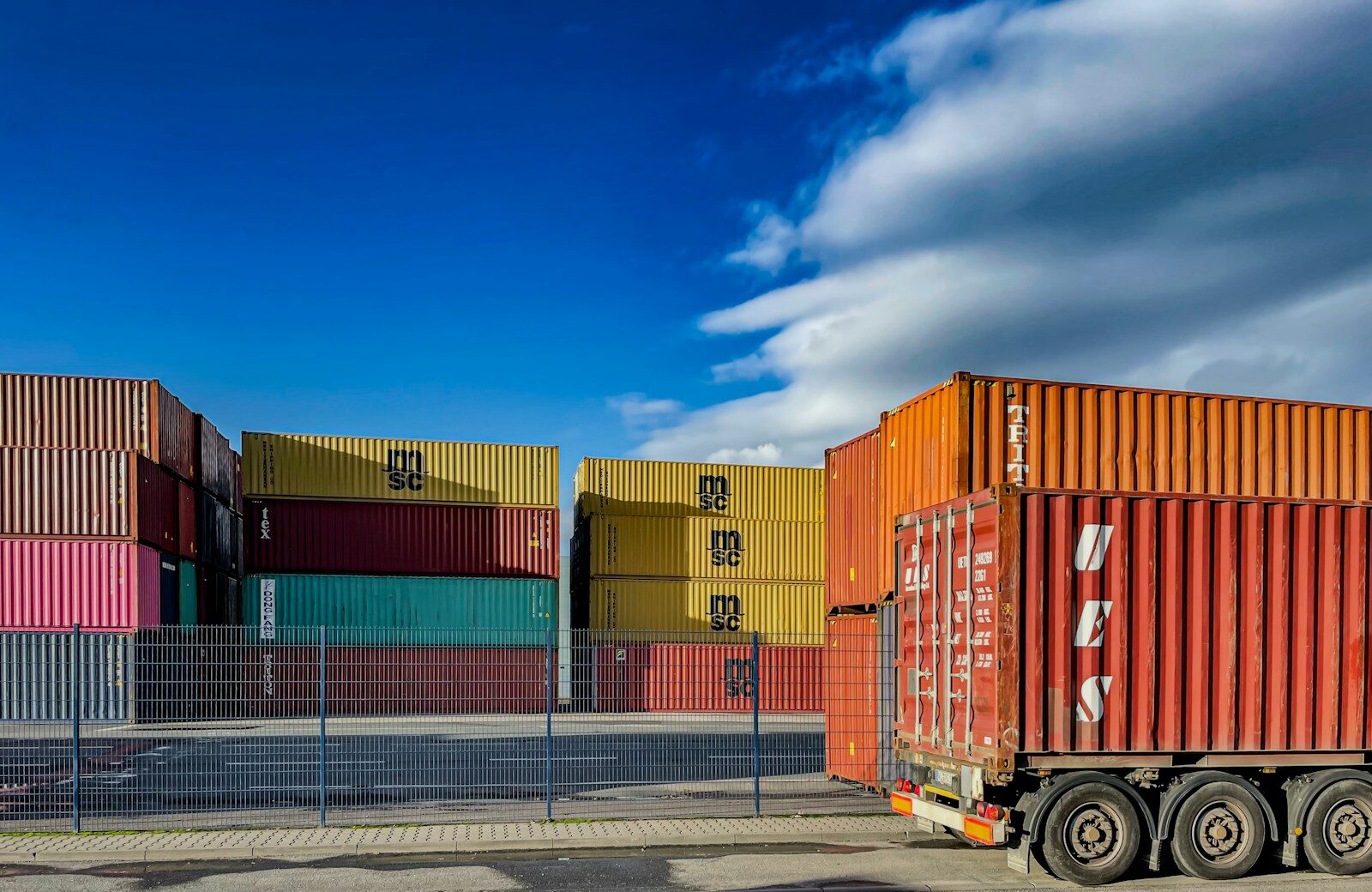
Two standard boxes dominate this trade. A 20GP holds roughly 28 m³ of usable space and about 28 tonnes; a 40HQ holds roughly 68 m³ and about 26 tonnes. Soft play is volume-limited rather than weight-limited, so the 40HQ almost always wins on cost per cubic meter.
| Park area | Typical cargo volume | Containers | Notes |
|---|---|---|---|
| 300–500 m² | 55–70 m³ | 1 × 40HQ | Single-level, standard modules, loose-loaded flooring |
| 500–800 m² | 85–120 m³ | 2 × 40HQ | Two levels, three zones, party room shell |
| 800–1,200 m² | 130–170 m³ | 3 × 40HQ | Sports zone and theming add volume quickly |
| 1,200–1,500 m² | 180–240 m³ | 3–4 × 40HQ | Flagship, three levels, premium flooring |
Two practical rules keep freight predictable. First, book the container count after drawings are approved, not after the deposit is paid – a layout change at week three can add a container. Second, insist on numbered crates with a packing list mapped to the installation sequence, because a mixed bulk pallet of brackets costs more in site labor than it saves in freight.
Incoterms Compared: EXW, FOB, CIF and DDP
The Incoterm decides where the supplier’s responsibility ends and your risk begins. For first-time importers the choice is usually between FOB and DDP.
| Term | Supplier handles | You handle | Best for |
|---|---|---|---|
| EXW | Goods at factory door | Export clearance, trucking, freight, import | Buyers with an existing China forwarder |
| FOB | Delivery to port, export clearance, loading | Ocean freight, insurance, import clearance | Most first-time importers – best cost control |
| CIF | Freight and minimum insurance to destination port | Import clearance, duties, inland delivery | Buyers who want one invoice and accept less transparency |
| DDP | Everything to your site, duty paid | Unloading and installation | Small orders, or markets where you have no importer of record |
FOB is the default recommendation because it keeps the freight quote competitive and the marine insurance in your name. DDP looks simpler, but the supplier is quietly pricing duty and clearance risk into the number, and you lose visibility of the declared value – which matters if your accountant or customs authority later asks questions.
HS Codes, Duty and Import Taxes
Classification drives your duty rate, so confirm the code with a licensed broker in your own country before the goods ship. In practice, indoor playground equipment is usually classified in one of two families:
- HS 9506.99 – articles and equipment for general physical exercise, gymnastics or sport, which is where soft contained play equipment and climbing structures commonly land. Most-favoured-nation duty is typically in the 0 to 6.5 percent band.
- HS 9508.00 – roundabouts, swings, shooting galleries and other fairground amusements, used when the shipment includes mechanical kiddie rides or carousel-type attractions.
Duty is only part of the border bill. Expect import VAT or GST on top of the duty-paid value: 19 to 27 percent across the EU, 20 percent in the UK, 10 percent GST in Australia, 5 percent in Canada and the Gulf states. In the United States, section 301 tariffs on China-origin goods have added up to 25 percent on many tariff lines, and those lists are revised periodically – the single most common cause of a landed cost surprise.
Import tip: a decade of tariff changes has made duty planning a live variable, not a fixed number. Build your model with duty, then stress-test it with an extra 10 points before you sign the lease.
Documents Your Broker Will Ask For
- Commercial invoice with itemized values and Incoterm
- Packing list with per-crate CBM, gross weight and crate numbers
- Bill of lading (original or telex release) for sea freight
- Certificate of origin, plus a preferential form (for example Form E) where a trade agreement applies
- CE Declaration of Conformity and EN 1176-10 or ASTM F1918 test reports for the play structures
- Material certificates: foam fire rating, PVC and paint lead-free reports, galvanized steel specification
- ISPM 15 treatment certificate or fumigation record for any solid-wood packing or dunnage
- Marine insurance certificate in the importer’s name
- Installation drawings, manuals and the spare-parts list, which customs may request as product documentation
Missing conformity paperwork is the most common reason a soft play container sits at the port. Buyers in the EU and UK increasingly face market-surveillance checks on imported play equipment, and insurers now ask for the same documents before issuing a liability policy. Request the full file at deposit stage and read it, rather than accepting a promise that it will follow.
Transit Times and Port Choice
| Destination | Typical port-to-port transit | Planning note |
|---|---|---|
| US West Coast (LA/Long Beach, Seattle) | 16–24 days | Add 3–7 days for rail or truck inland; chassis shortages can add dwell time |
| US East Coast and Gulf | 28–38 days | All-water service is slower but usually cheaper than land-bridge |
| North Europe (Rotterdam, Hamburg, Antwerp) | 30–38 days | Add 2–5 days for EU inland delivery and 1–2 weeks for VAT deferral setup |
| Middle East (Jebel Ali, Dammam) | 18–26 days | Confirm SASO or local conformity requirements before booking |
| Southeast Asia | 7–15 days | Shortest lane; often the easiest first import |
| Australia and New Zealand | 16–25 days | Biosecurity inspection on wood packing can add days |
| Latin America and Africa | 30–50 days | Transhipment and inspection risk; add two weeks of buffer |
Also budget the last mile honestly. A 40HQ cannot always reach a mall loading dock, and a 12-meter trailer may need a smaller transfer truck plus a forklift on site. Confirm dock height, gate width and unloading equipment before the container arrives – idle containers accrue detention charges by the day.
Landed Cost Walk-Through: A 600 m² Park
Here is how a mid-size project actually adds up, using indicative 2026 figures for a two-level, three-zone park shipping to the US West Coast on FOB terms.
| Cost line | Indicative amount (USD) | Note |
|---|---|---|
| Equipment, ex-works | 120,000 | Two levels, standard theming, rubber flooring |
| Inland trucking and export clearance | 1,200 | Usually inside the FOB price |
| Ocean freight, 2 × 40HQ | 5,500–9,000 | Rate volatility is the biggest single swing factor |
| Marine insurance | 550–750 | Roughly 0.35–0.5 percent of CIF value |
| Import duty (4.6 percent assumed) | 5,500 | Code-dependent; confirm with your broker |
| Additional tariffs, if applicable | 0–30,000 | Section 301 exposure on China-origin lines |
| Port, terminal and broker fees | 700–1,200 | Includes ISF and customs bond where required |
| Inland delivery and unloading | 1,500–2,500 | Forklift and transfer truck often needed |
| Installation labor | 10,000–18,000 | Supervised self-install at the low end |
| Total landed and installed | 145,000–190,000 | Before civil works, permits and fit-out |
Two conclusions follow. The logistics stack is 20 to 35 percent of the factory price, so a supplier who is 8 percent cheaper on paper can still lose on crating, port choice and installation support. And the tariff line alone can wipe out a year of projected profit, which is why a landed-cost model belongs in the business plan before the purchase order. Our FEC business plan guide shows how to fold these numbers into a payback calculation.
Five Mistakes That Cost Importers Real Money
- Declaring a token value to reduce duty. Customs assesses on transaction value and compares against identical goods. Under-declaration risks penalties, seizure and refused insurance claims – and the saving is usually trivial next to the exposure.
- Skipping pre-shipment inspection. A factory acceptance test with photos and a video walk-through costs a few hundred dollars. Replacing a cracked spiral slide after it lands costs ten times more, plus six weeks.
- Loading without bracing drawings. Foam cladding crushed under steel frames is the single most common transit damage claim. Ask how the load is lashed and where the fragile crates sit.
- Forgetting the wear-parts kit. Netting sections, bearings, light fittings and replacement padding should ship in the first container, not in a second sea freight booking six months later.
- Booking freight before drawings are approved. Production cannot start without approved drawings, so an early booking only buys you a container that waits – and a demurrage invoice.
Planning the Schedule Backwards
Work from opening day and subtract. A realistic import timeline for a two-container project looks like this: 2 weeks for layout drawings and revisions, 30 to 45 days of production, 1 week for pre-shipment inspection and booking, 20 to 35 days of ocean transit, 1 week for customs clearance and inland delivery, then 10 to 25 days of installation and commissioning. That is roughly 12 to 16 weeks from deposit to grand opening, before permits and civil works. Leases, staffing and marketing should be sequenced against that window rather than against a hoped-for delivery date.
Frequently Asked Questions
How much does it cost to ship indoor playground equipment from China?
Ocean freight for a 600 m² park shipped as two 40HQ containers typically runs USD 5,500 to 9,000 to the US West Coast and USD 4,000 to 7,500 to North Europe, depending on season and fuel surcharges. Insurance adds about 0.35 to 0.5 percent of the CIF value, and port plus broker fees add USD 700 to 1,200.
Which Incoterm is best for a first import?
FOB. It gives you control of the freight quote and keeps insurance in your name, while the supplier still handles export clearance and loading. DDP is convenient but hides duty and clearance costs inside a single number, which is hard to audit later.
What duty rate applies to indoor playground equipment?
Most packages classify under HS 9506.99 with an MFN duty commonly between 0 and 6.5 percent, plus import VAT or GST and, for US imports from China, possible section 301 tariffs. Confirm the exact code and rate with a licensed customs broker in your country before the goods ship.
How many containers does a 1,000 m² indoor playground need?
Plan on roughly 3 × 40HQ containers for a two-to-three level park of that size with full theming. Multi-level structures, spiral slides and rubber flooring are the volume drivers; a compact single-level layout can occasionally fit into two.
Do I need special documents to clear customs?
You need the commercial invoice, packing list, bill of lading, certificate of origin, CE Declaration of Conformity with EN 1176-10 or ASTM F1918 test reports, material certificates, and ISPM 15 treatment records for wood packing. Buyers in the EU, UK and Gulf should also confirm local conformity requirements before booking.
Get a Quotation That Includes the Logistics
A factory price without a packing list, an Incoterm and a transit estimate is not a budget – it is a guess. Anxin Amusement quotes complete packages with numbered crates, per-container CBM, FOB or CIF terms and installation options, delivered to operators in 24+ countries with CE-certified manufacturing and a 2-year structural warranty. If you are comparing Chinese suppliers on price alone, our factory-direct buying guide explains what to demand instead.
Send your floor plan, ceiling height and destination port, and you will receive a CAD layout, capacity calculation and a landed-cost estimate within 48 hours. Request a quote through the custom solutions team or contact us directly.