Soft play is one of the highest revenue-per-square-meter formats in the family entertainment industry. Toddler zones cost less to build than trampoline courts or rides, appeal to the segment of parents who visit most often — families with children aged six months to five years — and generate repeat visits through memberships and café spending. But not every soft play area performs. The difference between a profitable toddler zone and a dead corner of the venue usually comes down to design decisions made before the equipment is ordered.
What Soft Play Equipment Includes
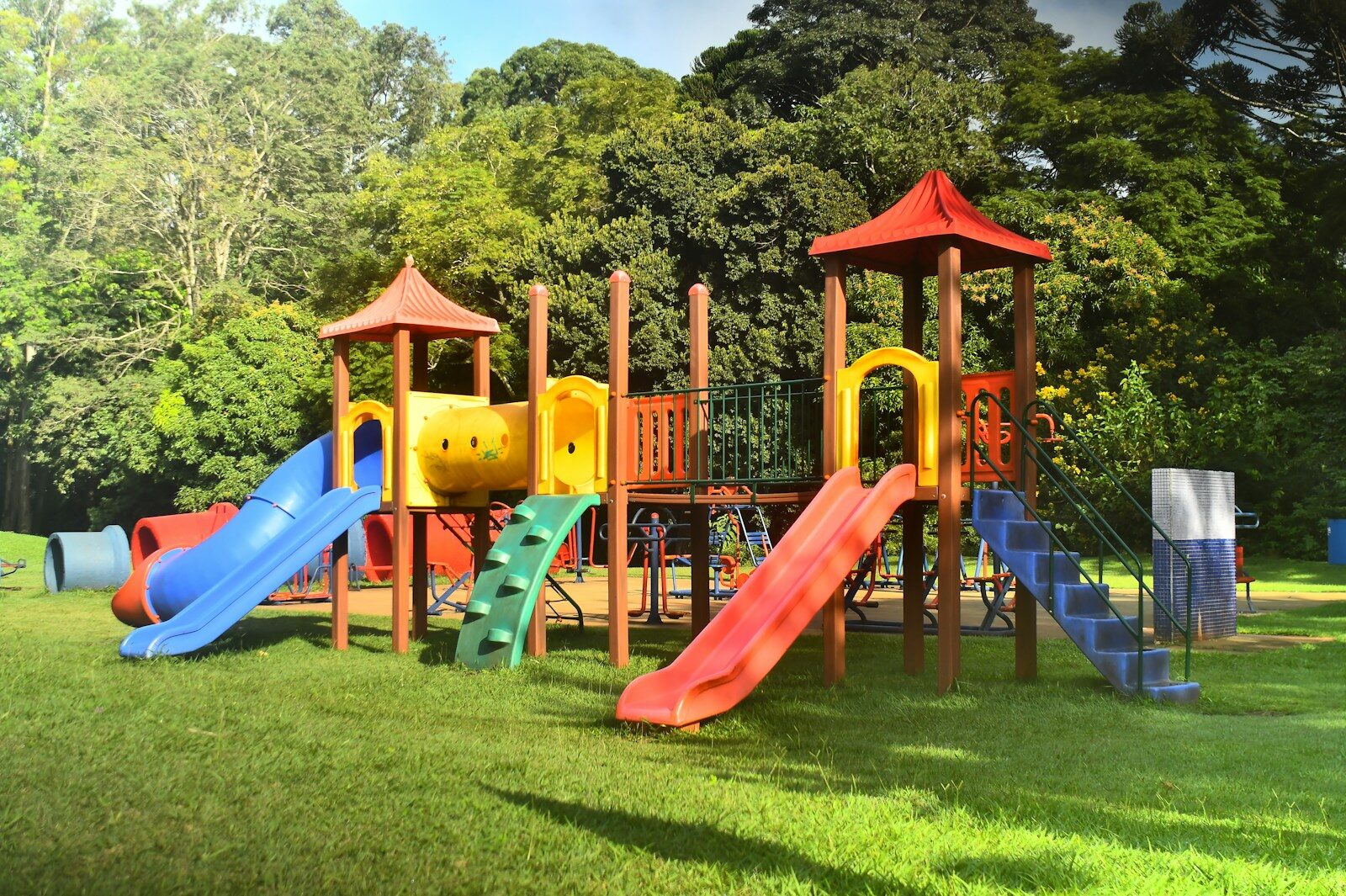
A professional soft play package is built from foam-cored, vinyl-covered modules on engineered platforms. Common elements include:
- Multi-level play frames with crawl tunnels, squeezes, log ramps, and gentle slides sized for toddlers.
- Ball pools with shallow depths and soft steps for safe entry and exit.
- Interactive panels — sensory walls, spinning paddles, music boards, and tactile toys mounted at toddler height.
- Soft building blocks and shape sets that support open-ended, creative play.
- Baby zones — fully padded floor-level areas for crawlers, separated from walking toddlers.
- Parent seating positioned inside and around the zone, because caregivers stay within arm’s reach at this age.
Design Principles for a Profitable Toddler Zone
Separate by age, not by equipment type
The single most common design error is mixing toddlers with older, faster children. Divide the space into at least two zones — crawlers under two, and confident walkers up to five — with physical barriers between them. This reduces injuries, complaints, and the supervision burden on staff.
Design for the parent, not just the child
Parents of toddlers do not drop off and leave; they stay. That makes the toddler zone a café business as much as a play business. Provide comfortable sightline seating, maintain visibility to nearly every play position, and route the path from seating to the coffee counter without crossing play areas.
Plan the capacity honestly
Soft play capacity is limited by how comfortably adults can move through the space. As a planning figure, allocate roughly 1.5–2 square meters per child within the play frame, and keep occupancy limits visible. A zone that feels safe and uncrowded earns better reviews and longer dwell times than one packed to its theoretical maximum.
Materials and Safety: What to Check Before Buying
Soft play quality is mostly hidden inside the product. When comparing suppliers, verify:
- Foam density and fire performance. Ask for the foam specification and flame-retardant certificates — cheap foam compresses within months and may fail local fire requirements.
- Vinyl grade. Commercial-grade coated fabrics with reinforced seams withstand daily cleaning chemicals; fashion-grade vinyl does not.
- Platform engineering. Timber or steel platforms should have structural drawings, rounded edges, and Guardrail heights appropriate for under-fives.
- Cleanability. Seams should be sewn and sealed so surfaces can be wiped daily without soaking the foam.
- Standards. For European markets ask about EN 1176-10 (fully enclosed play equipment) alignment; for other markets, request the supplier’s test reports and match them to local requirements.
The Business Case in Numbers
A well-designed toddler zone typically shows:
- Low build cost per square meter compared with mechanical rides or large climbing structures.
- Weekday utilization driven by parents of preschoolers — exactly the days family parks are usually empty.
- Membership and party revenue, since toddler zones anchor weekly repeat visits and first birthday parties.
- Modest staffing, because supervision is shared between staff and parents.
The main recurring costs are cleaning, vinyl and foam repairs, and periodic re-theming to keep the space fresh on social media. Budget a small annual refresh line from day one; venues that refresh colors and photo spots every 12–18 months sustain their visit frequency far better.
Common Buying Mistakes
- Buying a catalog frame without adapting it to the room. Column positions, ceiling height, and exit routes should shape the layout — not the other way around.
- No baby zone. Excluding crawlers excludes the youngest — and most frequent — visitor segment.
- Underestimating cleaning. A toddler zone that is not visibly cleaned daily will generate negative reviews quickly.
- Forgetting the parents’ layer. Seating, visibility, and power outlets for laptops turn a play area into a two-hour visit.
Final Thoughts
Soft play succeeds when it is engineered for its real customers: toddlers who need safe challenges, and parents who need comfort and visibility. Buyers who check foam and vinyl specifications, demand structural drawings, and design the zone around sightlines will own an area that earns its floor space for years.
Anxin Amusement designs and manufactures soft play equipment, toddler zones, and indoor playground solutions with factory-direct customization. Send us your floor plan for a free layout proposal and quotation.